How To Plan The Best Safari In Kenya
Looking for the best way on how to plan a Kenya safari? Remember, a safari is not just a holiday, it’s an investment, and it’s stepping into a landscape alive with stories, silence, and survival. It’s a journey that connects you with the wild, with people, and with yourself in ways no one can explain, therefore planning your first Kenya safari requires attention to detail, and consulting.
A first-time Kenya safari will have you thinking of the Big 5 safari, witnessing the Great Migration safari in the Masai Mara, or sipping sundowners overlooking the savannah, your first safari in Kenya is always guaranteed to be unforgettable. Kenya is popularly known as one of the best safari destinations for beginners, thanks to its abundant wildlife, iconic landscapes, and welcoming people. At Vulture African Safaris, we enjoy planning wildlife safaris as much as hosting them. Every journey is shaped around you, while leaving space for nature’s surprises—the moments no one can script but everyone remembers. From the moment you land in Kenya to the moment you are heading for your departure back home, your safari is guided with care and designed by purpose.
Follow this Kenya safari guide, designed to answer your biggest questions, ease any uncertainties, and help you feel excited and confident as you plan your journey. On this Kenya safari travel guide, our Big Five Kenya safari specialists bring years of intimate knowledge of Kenya’s wilderness and a deep understanding of what transforms a good safari into an amazing one. Our safari experts have made this guide to help you navigate every aspect of your journey. Whether you’re a first-time safari-goer or a seasoned traveler returning to the wilderness, this ultimate guide to planning your first Kenya safari will ensure your adventure is thoughtfully planned and authentically experienced.
Kenya Safari Planning Ideas
Before you even travel to Kenya, you need to plan, and define the safari you seek. You additionally need to know how Kenya safari destinations, seasons, and types of safaris work together, and in this Kenya safari guide, we explain that.
Firstly, you need to understand what draws you to this safari – is it the great wildebeest migration river crossings? Is it mountain climbing? Are you drawn to hidden gems—those unusual places that make you wonder what took you so long to discover them? Or maybe you visualize a romantic safari holiday in Kenya and Tanzania where intimate safari moments unfold under candlelit skies, creating memories that honor both your love life and the wilderness around you. It maybe that your mind is set on a family safari holiday where you plan on taking your children on safari and plan to explore the Masai Mara plains amongst other top Kenya safari destinations. Whatever your safari plans, it will always start with “WHY” why are you planning an African safari holiday? This helps us better understand you and plan a complete and fully customized safari itinerary around your wishes.
Kenya Safari Experience
Understand How Much Time You Have
Now that you are aware of why you are planning your safari in Kenya & Tanzania, how much time do you have? This decides more than anything else. 6 to 10 days is enough for multiple safari parks visited properly — typically the Maasai Mara, since it offers the highest wildlife density for a shorter stay. Seven days lets you comfortably combine two to three parks, most often the Mara with Amboseli, giving you both big-cat density and elephant herds against Kilimanjaro. Ten days or more opens up either a fuller Kenya safari circuit or a combined Kenya-Tanzania safari, if you want to see both countries in one trip.
Best Kenya Travel Experiences
Choose Your First Park Carefully
This is where it can get complicated, especially when planning your first Kenya safari. Choosing the right safari park to visit can be overwhelming, that is why for most first-time safari goers, we recommend starting in the Maasai Mara. It has the best wildlife density to reliably deliver strong sightings even on a shorter duration, which matters more for a first trip in Africa than it might for a fourth or fifth safari goer. Elsewhere, Amboseli is an excellent second park to consider, mostly if elephants and that Kilimanjaro backdrop matter to you. For a more specialised destinations like Samburu, this can be better added if you are staying a bit longer, example on a safari from 6 days and above – for a return trip you can now visit other parks, once you know what you enjoyed most.
Choose A Private Safari
Going on a private safari tour means your own 4WD safari vehicle and your own private guide, a safari set entirely to your pace — no waiting on other travellers, no compromise on where you stop next or how long you stay on a sighting. For the best safari experience, it’s genuinely worth the difference. You’ll ask more questions, travel at your own pace, and generally come away with a far more personal experience.
Select A Local Operator For Your Safari
This matters more for first-timers than anyone else. Book your Kenya safari with Vulture African Safaris, and you walk into Kenya’s wildlife safaris guided by experts of the land. Choosing a safari tour operator in Nairobi is better, rather than booking through a foreign agency which has several steps removed from the people actually running your trip, means you’re dealing directly with the company who knows better – the parks, the guides, and the lodges personally. If something needs changed once you’re there, you’re talking to the people who can actually change it. Plan your first Kenya safari with Vulture African Safaris, and enjoy our signature safaris – private journeys shaped to deliver the best holiday experience taking you across Kenya and Tanzania wild landscapes. With effortless movement between each destination, every day unfolds as a new expression of adventure, belonging, and wonder.
Include Safari Activities On Your Kenya Safari
The best safari experience is more than wildlife sightings—it is shaped, well planned, alive and full of meaning. With Vulture African Safaris, your journey unfolds beyond the normal safari. Game viewing drives remain at the center of the safari experience. Set at the best times of day for wildlife viewing, they’re led by expert guides whose instincts make all the difference. Knowing when to pause, when to move on, and how to read the smallest signs in the bush often matters far more than the distance covered.
Carefully chosen additional safari activities can add depth and fun to the whole experience. There may be other things to do, such as:
Sundowner experiences – sunsets in beautiful places, where the focus changes from animals to the scenery and mood.
Community Visits – walk with Maasai and Samburu guides, hear their stories, and see the land through eyes. Learn more about the people who live near these ecosystems.
Hot Air Balloon Safaris – go on a hot air balloon ride across the wide-open plains of Masai Mara and Amboseli see the wilderness and the resident animals on a 360 degrees viewpoint.
Walking Safaris – experience the thrill of observing Africa’s magnificent wildlife on foot while exploring its breathtaking landscapes on a walking safari. Come with us on an intimate adventure along riverbanks and across the African savannahs on a tailor-made walking safari led by our expert guides.
What To Expect On A Kenya Safari
When it comes to what to expect on a safari in Kenya, Kenya’s varied landscapes offer a multitude of thrilling safari activities. Guests can walk through some of the most remote and isolated regions in the country guided by local tribesmen. Helicopter flights are available and reach the pristine shores of the high-altitude lakes around Mount Kenya showcasing spots rarely ever touched by man.
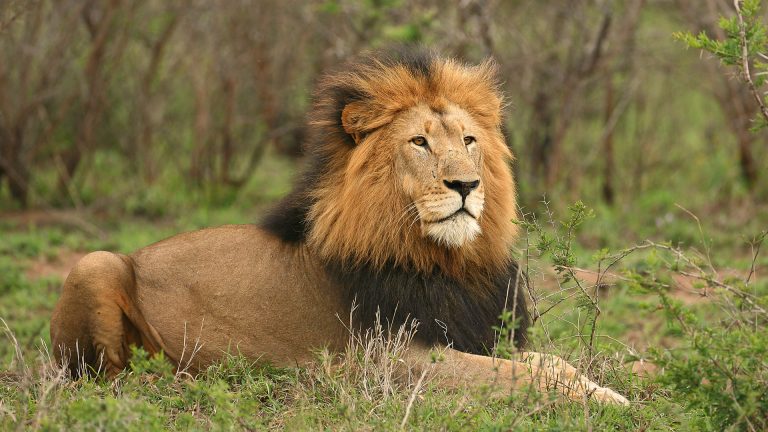
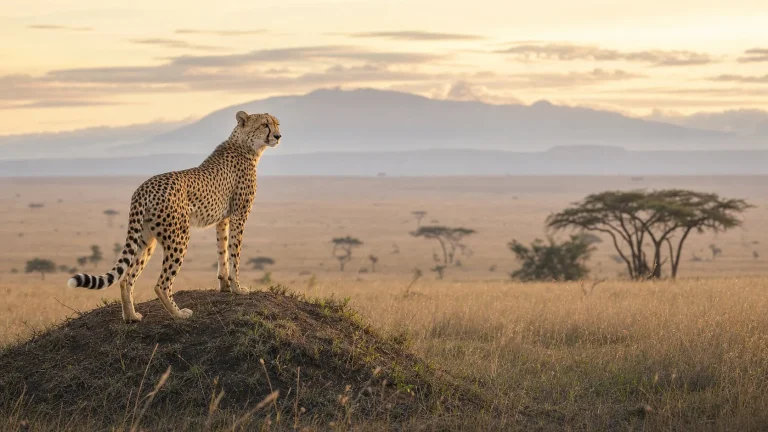
Game Drives: Traditional morning and evening game drives reveal a host of rich wildlife, rounded off with scenic sundowners and superb dining. You’ll drive out in open 4×4 vehicles with your expert Vulture African Safaris guide and tracker. These game drives are the center of the safari experience, offering a chance to encounter Africa’s wildlife: the Big 5 (lion, leopard, elephant, rhino, and buffalo), along with cheetahs, giraffes, zebras, and more.
If you’re travelling between July and October, one of the most thrilling natural spectacles in the world, the Great Migration of wildebeest and zebra crosses into southern Kenya from Tanzania, with vast herds of animals plunging across rivers and braving the jaws of some of Africa’s biggest crocodiles. Predators such as lion, leopard, hyena and the occasional cheetah follow the Migration, their watchful presence heightening the drama as they wait and watch for the weak, sick or simply unwary.
A safari in Kenya can take place on foot, on horseback, by bicycle, by boat, on a quad bike or in a customized open safari vehicle. Keen nature photographers can set off with specialized guides who combine knowledge of wildlife and photography.
Those looking for a more active adventures can go climb Mount Kenya, and a relaxing spa or yoga retreat might be the ideal way to end your itinerary, while you could also choose to spend some time delving into Kenya’s fascinating colonial history or discovering its conservation heroes, such as the Adamsons and their famous lions.
This circuit promises an unequaled safari experience with a diverse range of activities and accommodation options catering to every budget from tented safari camps to some of the most luxurious lodges in Kenya.
Best Safari Planning Tips For A Stress-Free Trip
Imagine planning on seeing the Great Migration in the Maasai Mara, watching the patterned reticulated giraffes and Grevy’s zebras in Samburu, or exploring the expansive and wild grounds of the Laikipia. Beyond twice-daily ideal game drives, Kenya safaris offer an array of engaging activities. Here, you can step out of the Land Cruiser to explore on foot, horseback, or even camelback, providing a variety of perspectives and experiences that enrich your connection with the natural world. That said, this requires extra support, and few useful suggestions for arranging a safari can make everything go more smoothly.
Time – give yourself enough time in each safari destination. Constantly moving between camps can be tiring and limit your chances for meaningful wildlife safari encounters. The most rewarding private safaris come from visiting fewer places and fully enjoying each one.
Follow your guides instructions – trust the people who live there. Safari guides may change their plans based on the weather, the movement of animals, and ground conditions. Being flexible frequently leads to the best experiences.
Don’t over-plan the small details – a common mistake among first-time visitors is trying to lock down every detail months in advance — which specific viewpoint, which exact drive route. Good guides adjust constantly based on where the wildlife actually is that day, and the itinerary should flex with them. Nail down your parks, your length of stay, and your operator, and trust the details to the people on the ground.
Must-Visit Kenya Safari Destinations
Planning a Kenya safari? These are the best parks to visit on your first Kenya safari holiday. From the rich wildlife-packed grasslands of the Maasai Mara to the peaceful Kenyan beaches, these Kenya safari destinations are the jewels in Kenya’s crown, each offering a unique blend of breathtaking landscapes and deep cultural connections. So which parks are best for a first Kenya safari? They include:
1. Maasai Mara Park
The Maasai Mara, famous for its extensive savannahs and as the dramatic Great Migration safari, is a top choice for all first-time travelers visiting Kenya. Masai Mara is also famous for Big Five Safari sightings, the park also provides glimpses of elusive rhino, though these are extremely rare. For an even much rewarding experience, we can also plan your safari to the surrounding private Masai Mara conservancies.
2. Samburu National Reserve
Samburu National Reserve is notable by its rugged and remote beauty, offering a less crowded environment for spotting wildlife, including species unique to the area, such as reticulated giraffe and Grevy’s zebra. The reserve is also home to the Samburu tribe, known for their rich traditions and symbiotic relationship with the land. A safari to Samburu promises a private wildlife safari experience and a long list of rare wildlife which are not seen in the other Kenya national parks.
3. Laikipia Safaris
Stretching on areas larger than any national park in Kenya, The Laikipia safari destination is a lively and private Kenya safari destination featuring private game reserves. The experience here exceeds the usual safari in Kenya—besides enjoying the breathtaking landscapes, visitors can immerse themselves in rich cultural exchanges and a variety of activities. Popular conservancies like Lewa Wildlife Conservancy, Ol Pejeta, and Solio are renowned for their exceptional wildlife viewing.
4. Amboseli National Park & Chyulu Hills
Amboseli has a lot to recommend it as a safari destination, not least its reputation as the best place in Africa for getting up close to free-range elephants! Elsewhere, Chyulu Hills – often called ‘The Green Hills of Africa’, this young, volcanic mountain range is swathed in lush, green, cloud forest and offers stunning views of Mount Kilimanjaro. Wildlife numbers are lower than its neighbours, Tsavo West and Amboseli, but you can still see the Big Five on the lower western slopes. There are plenty of birds in the lowlands too, ranging from martial eagle to white-starred robin.
5. Meru National Park
Recognised as having a larger diversity of animal species than any other park in East Africa, your path through the wilds of Meru may reveal to majestic elephant herds, wallowing hippos, golden lions, elusive caracal, slinky reptiles, rare rhinos and more than 400 species of vibrant bird life. Meru National Park is famous for its role in the book and film Born Free. This is the location of lioness Elsa’s release into the wild by Joy Adamson and her husband George.
6. Tsavo National Parks
Visit the oldest safari parks in Kenya, Tsavo National Park, situated in Kenya’s south-west, Tsavo is an enormous wilderness area that has been divided into Tsavo East and Tsavo West National Parks. Combined, Tsavo is Kenya’s biggest safari park and, at 22,000 km², one of the world’s largest game sanctuaries.
It is particularly well known for its large herds of elephants and captivating landscapes. Tsavo is one of the less populated game areas in Kenya and is perfect for those who want to enjoy a pristine wildlife experience. A highlight of Tsavo National Park is the spectacular Mzima Springs, where crystal-clear water flows through volcanic rock.
7. Nairobi City
Gon on a Nairobi City safari. Kenya’s capital city, Nairobi, in the country’s south, is vibrant and welcoming, and offers a glimpse into the rich diversity of East Africa. Whether you enjoy different cultures, wildlife, or cuisines, you will find something to entice your safari senses. Explore in a Nairobi safari at the Nairobi National Park. Spot lion, leopard, rhino, and more as you explore the park against a unique city backdrop. Visit the Karen Blixen Museum and step into the world of the author of “Out of Africa”. See her home and learn about the Kikuyu people who helped her manage her coffee farm. Don’t miss the chance to meet the adorable, orphaned elephant and rhino at the David Sheldrick Wildlife Trust. Watch them play, feed, and bathe as they are lovingly cared for by their devoted keepers. Relish in the diverse flavours of Nairobi’s food scene, from traditional Kenyan dishes to international cuisines.
8. Kenyan Beaches
Visit three most beautiful beaches in Kenya. Kenyan beaches offer pristine and endless stretches of pure white sand, abundant marine wildlife, cultural diversity, and sensational adventure activities. Kenya beach holidays will check all the boxes for sun, sea, sand and gloriously luxurious beach resorts perfect for honeymooners and multi-generation family fun. After exciting wildlife safaris, guests can unwind in this picturesque setting.
Understanding Kenya Safari Costs
You may start questioning, how much does a Kenya safari cost? A Kenya safari will cost you between US$800 and US$1,500 per person per night based on double occupancy, with costs greatly influenced by several key factors including the season you’re travelling, the level of luxury, and your travel style, further broken down to Mid-range fly-in safaris to high-end safaris which can quickly surpass US$2,000 per night.
The much you can budget for a Kenya safari will cost from $600 per adult per day through to $1,500. This will be a proper standard safari with costs including your park fees, full board accommodation, your vehicle, driver guide and any local taxes.
Remember this, when calculating safari cost in Kenya apart from the standard Kenya safari package which usually includes transport from and back to Nairobi, safari excursions, accommodation, meals as well as the park entry fees, some clients opt to include other extra safari activities which may include a Maasai Village Visit, Hot Air Balloon Flights, Night Game drives, SPA treatments, Bush breakfasts and dinners, Nature Walks and Guided Safari Walks as well as Horse Riding. These activities are quite exciting and enrich your tour but come at an added cost. The best way to go about a Kenya safari cost breakdown is to chat with your Kenya safari expert about your budget and what you hope to get out of your vacation to Kenya. This quickly speeds up your trip consultation process and you’ll arrive at your bucket list itinerary sooner.
Planning The Best Time To Visit Kenya
When planning your Kenyan safari, the question of timing is often at the top of your list. One of the most common questions we hear is: “When is the best time to go on safari in Kenya?” The answer depends on your preferences; while there is no wrong time, each season offers a unique set of experiences. While Kenya is a fantastic destination year-round, as we’ve already hinted, the answer to “When is the best time to visit?” can shape your experience significantly.
January to March: This is a great time for first-time visitors. The weather is warm and dry, and the wildlife viewing is excellent, especially as animals congregate near water sources.
July to October In Kenya: This is peak season for the Great Wildebeest Migration in the Masai Mara– an iconic and unforgettable experience.
April to May & November In Kenya: This is known as the green season, these months bring fewer crowds, lush landscapes, and fantastic photography conditions. Wildlife is still abundant, and a good time to visit Kenya.
Mistakes To Avoid When Planning A Kenya Safari
Even experienced travellers can make small errors that can impact a safari in one way or another.
What’s the single biggest mistake first-time safari visitors make?
Avoid these common safari planning mistakes to ensure a smooth trip:
Underestimating Travel Times; Kenya’s distances may look short on a map, but bumpy roads can make journeys slow.
Trying To See Too Much In Too Little Time: A rushed multi-park itinerary often means more hours driving between destinations than actually watching wildlife — we’d rather build you a slightly shorter, better-paced trip.
Packing Too Much; Safari vehicles have limited space, and domestic flights often have strict luggage limits. Soft, light bags are best.
Expecting To Safari Immediately; Nairobi sits at a high altitude, and jet lag is real! Give yourself a day to acclimatise – it’s a much nicer way to begin your trip.
Overplanning: Safaris are about patience and surprise. Some of the best sightings come when you least expect them.
Stay Flexible: Plans are invaluable, but flexibility can be just as crucial. Adapting to opportunities as they arise can enhance your experience and maximize your budget.
Is It Better To Book Directly With A Nairobi-Based Operator, Or Through An Agency At Home?
Booking with a local safari tour operator based in Nairobi generally means more direct communication, no added costs from an intermediary, and a team that can respond quickly to changes once you’re actually in Kenya.
How To Plan A Kenya Safari
If you’re planning a first-time safari in Kenya, you’ve come to the right place. A first safari changes the way you look at wildlife. Spotting animals is only the beginning; you start to notice why a herd has stopped, what an alarm call may mean and why a guide chooses to wait rather than move on. Game viewing drives can involve long searches and sightings that last only a few minutes. Wildlife does not follow a schedule, and watching an animal’s behaviour often tells you more than counting how many species you have seen. We share the best safari planning advice – from travel budgets and the top wildlife areas to Wildebeest Migration timing and the best places to stay during your holiday.
How Many Days Do You Need For A Kenya Safari
Three nights is a good minimum for the Maasai Mara alone, and six or seven days covers a good number of parks like Lake Nakuru, Lake Naivasha or Amboseli. Our Kenya journeys run from day trips around Nairobi to ten days, and the most common pattern in our catalogue pairs the Mara with the Rift Valley lakes and Amboseli.
Best Ways to Visit Kenya
Explore the different ways to explore Kenya, with many options and choices to choose from depending on your style of travel:
Kenya For A First-Time Safari Goer
Kenya really delivers as a first-time safari destination, therefore if planning your first Kenya safari, opt for a Nairobi City safari, Amboseli & Masai Mara parks. Contact us for a safari trip planning guide for Kenya as a first-time visitor.
Visiting Kenya As A Photographer
If your plan is to go on a Kenya photographic safari, Kenya is the best all-round photo safari destination in East Africa with several world-class game reserves most notably the Masai Mara. Watch and photograph the Big Five, witness the Great Migration, capture Samburu culture, dramatic scenery and epic wildlife under the guidance of a skilled guide. Contact us for a safari planning guide for Kenya as a wildlife photographer.
Kenya Safari As A Birdwatcher
Enjoy expert-led bird watching trips in Kenya, spotting rare and diverse birdlife species in their natural habitat. Bird watching in Kenya is excellent throughout the year, rainy seasons of March to April and October to November match with the arrival of palearctic migrants, so bird lists can be greatly lengthened at these times. Most resident birds are present all year around; pink flamingos, polka-dotted guinea fowls, regal crowned cranes, multicoloured rollers and powerful raptors. Find our birding safari planning guide for Kenya.
Kenya Safari Guide For The Second Time
If you’ve already seen the Masai Mara, find fresh ideas for return trips: unique parks, conservation stays, cultural villages and off-the-beaten path, and for this we recommend Samburu, Laikipia & Meru parks. Find our private & tailor-made safaris trip planning guide for Kenya
Travelling To Kenya As Adventurers
If you are the adrenaline adventure seeker visiting Kenya, climb up Mount Kenya, go whitewater rafting in River Tana, boating in L. Naivasha, or visit the Kenyan coast for scuba diving, sky diving, kitesurfing, and plenty of water sport activities to undertake.
Visiting Kenya As Eco-Tourists
Discover how to travel with purpose in Kenya through the best conservation safaris that support wildlife, communities, and ecosystems. Visit Lewa, Laikipia & Masai Mara Conservancies. Read more on our conservancy safari planning guide for Kenya.
Visiting Kenya As Cultural Tourists
Travellers often get the opportunity to learn about Maasai, Samburu, Turkana, Swahili and other communities, and at the same time, take part in activities. Learn more about our cultural tour planning guide for Kenya
Visiting Kenya As LGBTQ
Please note that same-sex sexual relations are still illegal in Kenya, and with a largely conservative society, identifying as LGBTQIA+ often considered taboo. Also in Kenya, there exist no laws in place to protect LGBTQIA+ people against discrimination. All LGBTQIA+ travellers planning to visit Kenya should exercise caution and avoid public displays of affection which can raise eyebrows.
Planning To Visit Kenya As A Solo Traveller
Solo travelling Kenya is popular. Kenya remains a safe and friendly country for solo travel, filled with adventure, wildlife, and culture. There’s plenty for the solo traveler with cities, beaches, mountain treks, adrenaline filled activities and, of course, every type of safari you can think of.
Planning A Kenya Honeymoon Safari
Kenya is a fantastic honeymoon destination. Here, you’ll find world-class safaris, romantic lodges, private game drives, and incredible wildlife. On top of this, there are beautiful beaches that can be combined to create the ultimate safari and beach honeymoon safari ideas. Contact us for the best honeymoon safari planning guide for Kenya.
Planning A Kenya Family Safari
Kenya is one of the best destinations for family safaris, offering excellent wildlife viewing, experienced guides, high safety standards, and camps. Travel with your family to Kenya and experience an extraordinary, wildlife & culture-filled, adventure in spectacular wilderness setting. We have the best family trip planning guide for Kenya.
Kenya Safari Health & Safety
Kenya is safe to visit all year round thanks to its well-established tourist industry where visitors are well looked after. More than a million tourists visit Kenya every year, and the majority of visits are trouble-free. Below are more Kenya safety tips while on safari.
The tips on staying safe in Kenya;
Bring with you a good travel and health insurance
Do not take part in any form of demonstrations
Avoid drinking tap water, buy and drink bottled water from shopping malls & supermarkets
Check the passport and visa requirements for your Kenya tour
Get all the required Kenya safari vaccinations, antimalarial medication and insect repellents
Always lock all your travel bags and keep all valuables in your safety deposit box at your hotel rooms
Make duplicates of important travel documents & keep copies online
Bring proper clothing to protect against the sun and mosquitoes and to stay warm on open-vehicle game drives
Check luggage restrictions on all your flights (including domestic Kenya flights)
Don’t drive at night, don’t walk at night
As is the case all over the world, big cities tend to be crime spots. Although most of these cases are minor, such as petty theft and pickpocketing, some areas of Nairobi and Mombasa are best avoided unless you are with a guide. Learn more about our travel planning guide for Kenya.
Kenya Safari Essentials & What To Pack For A Kenya Safari
Your Kenya safari packing list when heading on safari should include essentials of clothing’s to technology and gear. Ensure your safari packing list considers your comfort, safety, and making the most out of your wildlife trip. Packing light is the best way to do it.
When deciding what to pack for a Kenya safari, practicality and comfort are the focus. Space and weight are limited on regional aircraft – typically a strict 15 kg including hand luggage, so light is best. Below are other Kenya safari packing list essentials:
Soft-sided bag or backpack (40–45L).
Light daypack for cameras, water, and suncream
Wide-brimmed hat for protection from the sun
Sunglasses (polarised lens recommended)
Sunscreen (SPF 30–50) and lip balm with SPF
Insect repellent (with DEET)
Hand moisturiser and sanitiser
Some short-sleeved tops
Some long-sleeved tops (to protect from the sun and insects)
A few pairs of trousers or convertible cargo pants
A lightweight jacket or a warm jersey/jumper for chilly morning starts
A pair of walking/hiking shoes or trail trainers
A pair of camp sandals
A few pairs of underwear and socks
Steps On Kenya Safari Planning
Regardless of how you are preparing for your holiday in Kenya, try use these steps on planning a Kenya safari:
1. Choose Your Travel Window: Decide on your safari months first because the season shapes everything else.
2. Set A Realistic Safari Budget: Decide on a per-person cost for the ground arrangements, separate from your international flights.
3. Select The Duration Of Your Trip: Allow at least two or three nights in each park, plus a night in Nairobi on arrival if you land late.
4. Shortlist The Safari Parks: Combine contrasting areas: the Mara for big cats, Amboseli for elephants, Lake Nakuru or Ol Pejeta for rhinos, Samburu for northern species.
5. Choose Your Style Of Travel: Decide between a private or luxury safari, road or fly-in safaris, and your preferred accommodation level of comfort.
6. Request A Written Safari Quote: Ask for a proper day-by-day itinerary with every park fee, camp and transfer shown clearly.
7. Confirm, Then Book Flights: Once your preferred safari dates are held, book international flights to match.
8. Handle The Visa Entry Paperwork: Apply for your Kenya eTA, arrange travel insurance, see your doctor about vaccinations and malaria tablets, and start packing.
How Far Ahead Should I Book A Kenya Safari
For travellers visiting as from July to October and the Christmas holidays, book 6 to 12 months ahead, as the best camps fill early. For the other safari months, two to four months is usually enough. Last-minute trips are often possible, but you will have less choice of camps. Book international flights once your safari dates are confirmed.
Game Drives
Planning Kenya Safari & Other Destinations
If you plan on combining Kenya and other multi-destination trips, consider the following;
Kenya Safari & Beach Holiday Tours
Created for travellers who want to explore Kenya in comfort and confidence, this immersive journey blends iconic wildlife encounters, active wilderness adventures, and time to unwind on the Kenya beaches. Travelling from Nairobi to the legendary Masai Mara, onward to the wildlife-rich landscapes, and ending on the palm-fringed shores of Diani Beach, the itinerary offers a seamless balance of discovery, learning, and relaxation.
Combined Kenya & Tanzania Safari Tours
Kenya and Tanzania safaris offer the perfect way to explore East Africa. There is no better place to go on safari across Kenya and Tanzania. These two safari countries hosts incredible wildlife, beautiful landscapes and deliver a safari with unrivaled experience. On your Kenya Tanzania trip, you can see most of Africa’s charismatic wildlife, its highest mountains and some of its most desirable beaches. Get in touch and we’ll show you the best safari tours in Kenya for first-time visitors.
10 Things To Before Booking Your First Safari In Kenya
Before you visit Kenya, it is worth understanding how to plan a Kenya safari, from choosing the right safari destination to deciding how long to stay, where to stay and best things to do. This Kenya travel guide will help you understand what to expect from the wildlife, the guides and the day-to-day pace of the park.
1. Wildlife Safari Sightings Are Never Guaranteed
Animals can move considerable distances between drives, which means guides cannot promise where a lion, leopard or elephant will be. A pride seen near the River in the evening may have left by morning, while a leopard can remain hidden in riverine forest even when fresh tracks show that it passed nearby.
2. Your Guide Is the Key to the Best Safari
A safari guide reads far more than the road ahead. Fresh tracks, alarm calls and changes in an animal’s behaviour can all point to wildlife that is still out of sight. The skill lies in knowing which signs to follow and when to wait. Impalas staring towards a thicket may have seen a predator, while tracks leading into thicker cover can suggest that an animal is unlikely to reappear soon.
3. Game Viewing Drives Follow a Rhythm, Not a Schedule
Morning and afternoon drive usually leave at set times, but the route and return to camp depend on what happens in the reserve. Fresh tracks may take the vehicle away from the original route, while a leopard beginning to move can turn a brief stop into a longer sighting.
4. Patience Is Part of the Safari Experience
Some sightings happen quickly, while others take time. A leopard may remain still in a tree before climbing down, while a lioness hidden in long grass may eventually stand and lead you towards her cubs. Waiting gives you time to follow what the animal does next rather than leaving after the first clear view.
5. Safari Etiquette Matters for Wildlife and Other Guests
Your guide will explain what is expected in the vehicle, but the main rules are straightforward. Stay seated unless your guide says you may stand, keep your voice low near animals and avoid sudden movement when wildlife is close. Animals may continue feeding or resting while a vehicle remains still and guests keep their voices down. Standing all over sudden, leaning outside or calling for an animal’s attention can disturb that behaviour. Whistling, clapping or calling to attract an animal’s attention is strictly not allowed in the park.
6. Every Lodge and Location Offers a Different Experience
Where you stay will determine whether your days are built mainly around game drives, time on foot, birding or activities on the water.
Planning Luxury Kenya Safaris
Our luxury Kenya safaris are private and exclusive, taking you into some of Kenya’s most remote areas that others only dream of. Join us and experience the extraordinary beauty, wildlife and culture of Africa as you learn more of our comprehensive Kenya safari & tour planning guide.
Plan Your Kenya Safari with Vulture African Safaris
Picking the right safari partner is very important for arranging a great trip. With over ten years in Kenya’s safari landscape, Vulture African Safaris is committed to conservation, community support, and responsible travel.
A safari with Vulture African Safaris is about more than just the sights. It’s about curiosity, understanding the land, and truly respecting the wildlife and landscapes that make Kenya extraordinary. Every aspect of the safari – from daily itineraries is designed to create meaningful experiences with minimal impact. Vulture African Safaris team offers clear guidance, practical tips, and thoughtful advice, helping even first-time safari-goers shape a journey that feels personal, intuitive, and memorable.
We Offer Personalised Planning: Our expert safari consultants help you every step of the way, designing a trip that suits your pace and preferences.
We Have World-Class Guides: The heart of every Vulture African Safaris experience is our guides- knowledgeable, warm, and committed to making your first safari unforgettable.
Start Planning a Safari Holiday to Kenya
Do you need itinerary ideas for your Kenya trip? Find our most suggested itineraries, read helpful travel tips, or contact the All Kenya Safaris team directly to start making your plans.
Best Trip Ideas For Kenya Safaris
Browse our favorite Kenyan beach holiday packages or simply get in touch with one of our Africa safari experts to help custom-make a Kenyan beach holiday that matches your travel wishes. You can enjoy safaris in Kenya national parks on the mainland, then follow it up with a relaxed beach holiday at Malindi or Diani. Get to know the coastal Kenya, and what’s possible on your trip to these Indian Ocean beaches, discover some of the best-loved experiences and safari routes that we’ve found working particularly well with our travelers. Our selection of affordable Kenya safari tours allow you to experience an array of Kenyan game parks and reserves while combining safari accommodations and experiences that offer great value for money. are you planning to book an African safari to Kenya?