
Overview
Highlights Of Your 8-Days Beginner Climbing Mount Kilimanjaro Marangu Route
Although no mountaineering experience is required, a good level of physical fitness is necessary to tackle Mt Kilimanjaro. You’ll need to be comfortable walking 6–8 hours uphill a day. The distances may not be long, but the altitude makes it harder than your average uphill hike.
Temperatures at night can get very low when you're above 3500 meters, so warm clothing for this kind of climate is essential.
Highlights
- Africa’s tallest peak (Roof of Africa).
- World’s tallest free standing mountain.
- Africa's sunrise from the above.
- Moorlands scenary.
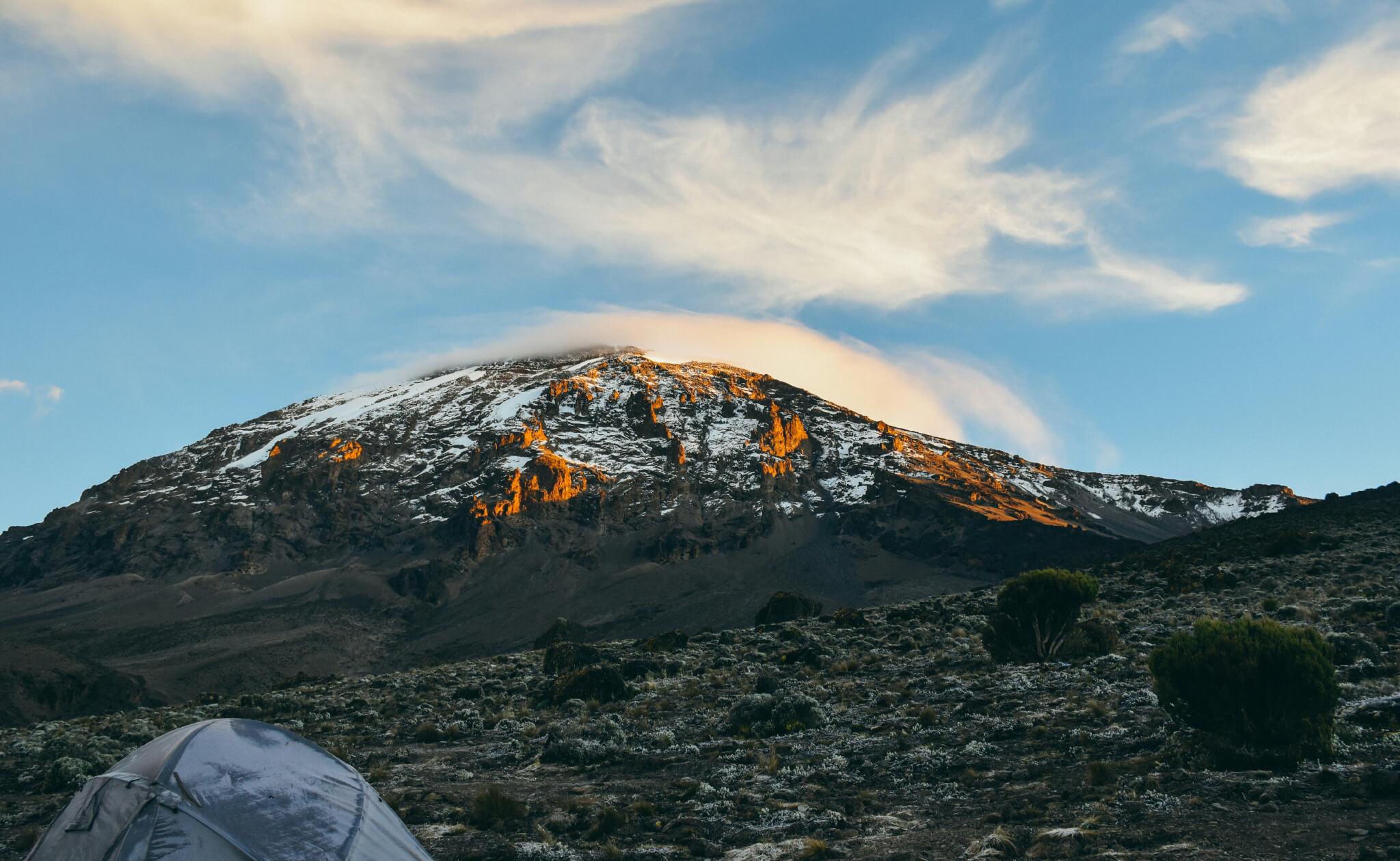
- Snow capped Mt. Kilimanjaro.
Itinerary
Expand allCollapse all1: Adventure Begins
Depart Nairobi on a transfer early in the morning for Arusha via Namanga border post. After going through the Immigration office, you proceed on to Arusha where you get a brief stopover for lunch. Later on proceed to Capricon Hotel situated at the foothills of Mount Kilimanjaro.
The hotel is a short walk from the village’s bustling market and some excellent coffee shops. Your trip starts with a full briefing and kit inspection by an experienced Kilimanjaro climber. This will take place before dinner, usually around 6 pm. In the event that one of you fellow travellers are late, the meeting may have to be rescheduled for the following morning.
2: Marangu Gate – Mandara Huts
Today we will move to Marangu Gate, the entrance of the Mt Kilimanjaro National Park (1860 m) and meet your guides.
With introductions and assignment of porter loads taken care of, it’s time to embark on the trek of a lifetime.
3: Horombo Hut
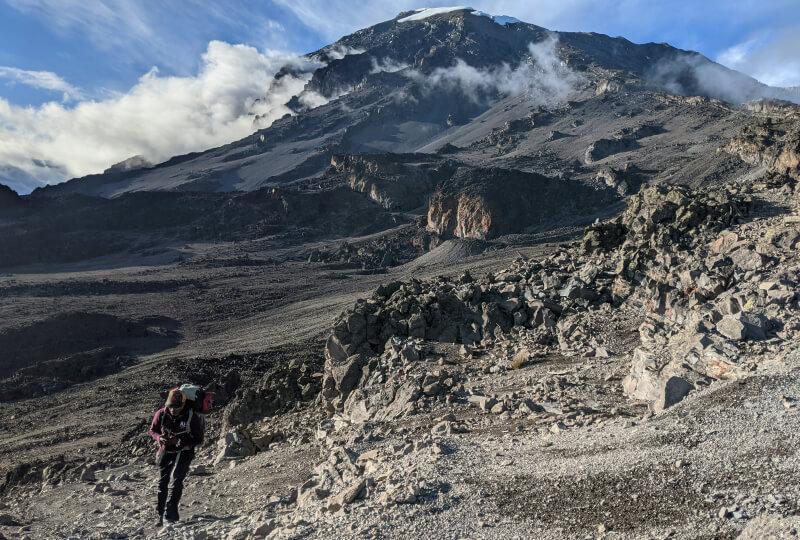
Your second day on the mountain involves another long hike over a slightly steeper stretch. The total distance from Mandara to the Horombo huts is 12 kilometres (approximately 5–7 hours). Today you will see the rainforest give way to open and rolling alpine meadows dotted with giant heather trees. Once out of the forest canopy, the twin snow-tipped peaks of Kibo and Mawenzi lie directly ahead.
These are two of the three great cones of Kilimanjaro (the other being Shira). During the day’s walk we will traverse several ravines before reaching the hut, which is set in a rocky valley. There is time to enjoy a wide variety of vegetation and changing landscapes on the way to Horombo Hut (3780 metres). We will spend the next two nights here at the hut.
4: Acclimatisation at Horombo Hut
After breakfast, walk towards Mawenzi Hut, passing the unusual Zebra Rocks on the way. It’s a steep climb up a grassy slope, but well worth it: the views over the area towards Kibo are second-to-none. Afterwards, return to Horombo for lunch. Spend the afternoon relaxing and acclimatising to the altitude, or ask your guides about short walks in the area. Take advantage of the rest day here and drink plenty of water – the next couple of days will be pretty intense!
5: Kibo Hut / Mawenzi Peak
Today you’ll walk the 10 kilometres or so from Horombo to Kibo Hut (approximately 5–7 hours). As the journey progresses you will notice the landscape gradually becoming more rugged and rocky, and the air noticeably thinner. We will have to soften our pace a little to accommodate these environmental changes. Marvel at giant groundsels and lobelias while you travel across the sparse moorland. Skirt Mawenzi Peak and marvel at the stark lunar landscape of the Saddle, reaching Kibo Hut in afternoon (4740 m), take the opportunity to have an early night in preparation for a very early (or late?) wake-up call.
6: Uhuru Peak / Horombo Hut
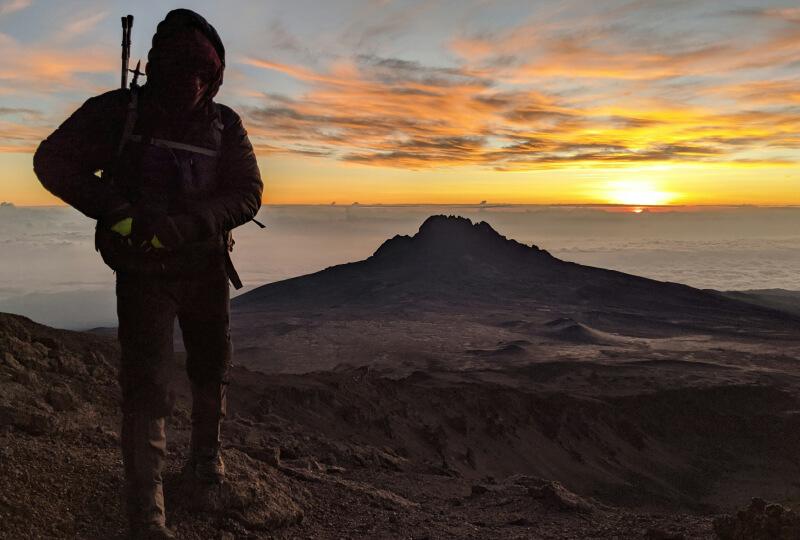
Your guides will wake you up at 11 pm and hot tea will be served. Prepare for the last leg of the trek – to the summit. The distance from Kibo Hut to Uhuru Peak is six kilometres (approximately 6–8 hours), and the descent to Horombo will be approximately the same amount of time. The trek begins beneath the stars as you zigzag your way up a large scree slope, guided only by torch light, to reach Gilman's Point (5685 m). With some luck, arrive in time for breathtaking views of the sun rising behind Mawenzi Peak.
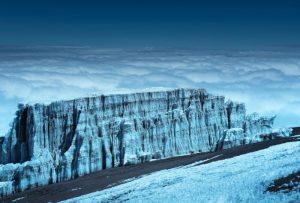
This is the stretch that most people find the hardest, and you should be prepared for a very cold morning. The dramatic spectacle of the sun rising over the ice fields of the crater will make the early start worthwhile. For those who still have the energy, it's a further walk (approximately 2 hours) along the rim of the crater to Uhuru Peak (5896 m), the highest point in Africa. From here there are amazing views of the crater, ice fields and plains below. After photos and time to catch your breath, descend back to Horombo Hut for a well-earned rest.
7: Horombo Huts – Marangu Gate
Continue your descent through alpine meadows and rainforest to the park gate. The distance from Horombo to Marangu Gate is 20 kilometres (approximately 5–6 hours). Here your transport awaits and you will return to the hotel for a relaxing shower – a real treat after the physical exertions of the last few days! Over a celebratory meal we can relive and share our experiences of the past five days on the mountain.
8: Marangu
There are no activities or trekking planned for today. Drive back to Arusha for lunch and onwards to Nairobi.
A transfer to Kilimanjaro Airport or a shuttle to Nairobi can be arranged locally – please speak to your group leader about this at the welcome meeting.
What’s Included
- Park fees to the mentioned park.
- Camping fees.
- Mountain tents, & sleeping mats.
- Accommodation; Mountain huts/ camping at private campsites where applicable.
- Rescue - emergency evacuation (not flying doctor).
- Services of expert local mountain guides, porters and cooks.
- Statutory taxes and local levies.
- All meals as per itinerary.
- Special meal requests for vegetarians/ meat eaters alike.
- Road transfers to and from the mountains.
- Pulse oximeter.
- First aid kit.
- Emergency oxygen.
- Katady filtered water throughout the trek.
- Laundry, drinks & meals not specified.
- Passport and visa costs.
- Travel insurance.
- Accommodation pre and post the safari.
- Tips & gratuities for porters and guides.
- Hiking gear.
- Medical and personal insurance cover.
- All expenses of personal nature (e.g. Activities etc.)