
Tsavo East National Park
Remember, all our itineraries are totally flexible and can be changed to suit you.
Why Go On A Safari To Tsavo East National Park
Well known as the home to the red-dusted elephants, Tsavo East National Park is a national park in Kenya, and spans with an area of 13,747 km2 (5,308 sq mi). Together with the Tsavo West National Park, it forms an area of about 22,000 square kilometers, and the two forms the biggest of Kenya’s parks.
The sight of dust-red elephants wallowing, rolling and spraying each other with the midnight blue waters of the palm-shaded Galana River is one of the most evocative images in Africa. In addition to this, is the 300-kilometre-long Yatta Plateau, the longest lava flow in the world, makes Tsavo East National Park a superb place to watch wildlife.
The park forms the largest protected area in Kenya and is home to most of the big 5 wildlife; vast herds of dust –red elephant, Rhino, buffalo, unique maneless lions, leopard, pods of hippo, crocodile, waterbucks, lesser Kudu, gerenuk and the prolific bird life features 500 recorded species. Tsavo East’s wild plains host other highlights, from occasional cheetah sightings to species such as gerenuk and Somali ostrich that you can see nowhere else this far south.
“Theatre of the wild”
Tsavo East Landscape & Scenery
Tsavo East National Park is much flatter, more open plains and scattered bush; and you’ll experience barren plains, grasslands and semi-arid shrub. Generally, Tsavo East is mostly a vast flat plain of sandy soil, split by the shallow trough of the Galana River. The Galana, which rises in the central highlands and whose upper reaches are known as the Athi, is one of Kenya’s biggest rivers. Its valley – rocky in much of its western course, sandy and doum-palm fringed further east – is one of Tsavo East National Park’s defining physical features.
The plains either side of Aruba Dam can be good for cheetahs. A slight detour brings the Kanderi Swamp (popular with elephants) and Voi River (with lush riverine forests) into play. Nearby, Mudanda Rock, a towering rock formation, offers sweeping views from the summit. The wild, croc-filled Galana River runs through the north.
Top 7 Best Tsavo East Attractions
Let’s have a look as to why Tsavo East is the “Theatre of the wild”. On your safari to Tsavo East National Park, the game drives will take you in search of the herds of dust-red elephants, fat pods of hippos, giant crocodiles and a series of bird life are set against a blazing backdrop of endless bush; – But there is more to it.
1. Galana River
Running through the heart Tsavo National Park and marking the northernmost point in the park that most visitors are allowed to visit, the Galana River, combining waters of the Tsavo and Athi Rivers, it cuts a green tear across the dusty plains. If you make it this far, prepare for sightings of crocs, hippos, lesser kudus, waterbucks, dik-diks and, to a lesser extent, lions and possible sightings of leopards are relatively common.
2. Aruba Dam
Built in 1952 the beautiful Aruba dam located to the north bank of the seasonal Voi River is visited by thousands of animals in the park, and water birds making it a great game viewing destination. It’s the seasonal Voi River, runs east through this part of the park, feeding the shallow Aruba dam and then meandering to the coast. Away to the east and southeast, all the way down to Buchuma Gate, the open grasslands over here provide the perfect habitat for cheetahs and sightings which are possible.
3. Mudanda Rock
Towering over a natural dam near Manyani gate, the Mudanda Rock is an inselberg of stratified rock that towers above a natural dam. This rock formation runs for over 1.6 km (0.99 mi) and it attracts hundreds of elephants in the dry season and is a reminiscent of Australia’s Uluru (Ayers Rock-like sandstone inselberg), though on a much smaller scale; – this area attracts a large number of animals, with leopards and elephants are among the wildlife to watch out for here.
4. Yatta Plateau
The Yatta Plateau is a 300km world’s longest lava flow that stretches along the east and north bank of the above the Athi-Galana-Sabaki River. Formed by lava from Ol Donyo Sabuk Mountain, its geomagnetic qualities are believed to play a role in guiding migratory birds and large numbers of Palearctic migrants can be seen in the area.
5. Lugard’s Falls
Named after Frederick Lugard (an explorer of Africa), is a series of white-water rapids on the Athi-Galana River; – the falls feature a bizarrely eroded rock neck through which the waters of Galana River plunge into foaming rapids and crocodile infested pools. Lugard is a crocodile Point, where the big reptiles can often be seen basking in the sun. At some point on most Tsavo East safaris, you’re almost bound to stop here to stretch your legs and takes photos.
When considering a Tsavo East safari, it’s worth knowing that nearly all safaris take place in the south of the park, south of the Galana River.
6. Crocodile Point
Still on Galana, if you’ve made it out to the Galana River, this vantage point high above the riverbank is the place to spot crocs. Infact, its nearly where all safaris takes place.
7. Kanderi Swamp
Kanderi swamp is a wetland area in Tsavo East National Park, well positioned near the Tsavo River, and approximately 10km from Voi Gate. Kanderi Swamp is home to some of Tasvo resident pride of lions, and elephants which congregate near here; this is one of only two water sources in the park during the dry season, meaning there are good possibilities for wildlife sightings.

Top 3 Best Things To Do In Tsavo East Park
Discover some of the best things to do in Tsavo East. The setting and climate of Tsavo allows for quality wildlife viewing all-round the year; from birding, bush sundowners, and guided nature walks. Let’s have a look at the notable activities that Tsavo East offers.
1. Safari Game Drives In Tsavo East
The main activity in Tsavo East National Park is the guided game drives, which will take you around the park in search of animals and bird species. The game viewing drives normally start as early as 6:00am. when the gates open, and involve the use of a 4X4 Land Cruiser Jeep with an open roof-top.
As for Night Game drives, a curiosity for many visitors while on an African safari. Please Note that night game drives are not allowed inside the main Tsavo East National Park.
The Land Cruiser safari vehicles accommodate 6 seat passengers (everyone with their own spacious window seat) but can additionally seat up to 8 adults with an extra seat included and with one person sitting beside the Driver. The vehicle has a spacious game viewing roof, is more reliable, strong and spacious enough while also being marginally more comfortable than the only other option.
2. Bush Meals, Dinners & Sundowners In Tsavo East
Delight in the wide-open sky and space of Tsavo East plains on an unforgettable bush sundowner at Tsavo, where you will be served drinks and cocktails while watching the sight of the African sunset. This usually happens as the sun begins its descent, the sundowner begins with a gentle evening game drive, arriving at the sundowner site just as the evening sky turns gold-pink, surrounded by nothing but scenic views framed by stunning landscapes and magnificent wildlife. (Can at times take place within the lodge premises).
Your chairs will be set up facing towards the extensive scenic Tsavo East plains, accompanied by a well packed mobile bar service and cocktail snacks served in the raw wilderness of the African savannah. Musical entertainment can also be provided at request. After sunset you will be driven back to the lodge in time for dinner.
Picnic Lunch: usually arranged during a full day game outing in the reserve so that one does not have to go back to the lodge or camp for lunch, the meal itself is in the form of packed lunch boxes which are provided by your camp or lodge by prior arrangement the night before to allow them adequate time to prepare the meal boxes. The meal will be enjoyed under a tree, on a scenic setting out in the wild.
Bush Breakfast & Dinners: in the case of a Bush dinner, this could also be an event in itself around a bonfire with entertainment such as light music or tribal dance performances. Bush meals are typically arranged at special chosen sites within Tsavo East National Park – generally located outside of but very near the respective Lodges or Camps. Expect the menus to range from multi-course fine cuisine to more casual bush barbeque meals, prices for these special meals vary widely starting from USD 70 per person all the way to USD 150 per person for a more luxurious bush meal.
Special Requests: the meals can also be arranged to cater for certain special dietary requirements such as gluten free, vegan, vegetarian and even restricted vegetarian such as for Indian Jain diets which exclude use of Onions or Garlic as ingredients. Though choices are limited for bush meals, in-house dining at the lodges or camps promises more dietary options. Make sure you make an early request for easy planning.
3. Birding Safaris In Tsavo East
With only two activities permitted in Tsavo East National Park. Tsavo East has an astounding number of bird species.
With over 500 bird species recorded in the area, birdwatching in Tsavo East is a popular excursion for many birding lovers, which will be done together with wildlife viewing, both of which you’ll most likely enjoy on a guided game drive.
Animals & Wildlife At Tsavo East National Park
Famous are the unique Tsavo lions, a population whose adult males often lack manes entirely. The Big Five are here, and in addition; – Tsavo East Park is home to most of the larger mammals, the vast herds of dust –red elephant (their red dust coating makes them stand out against the arid environment), Rhino, Masai giraffes, buffalos, lions, leopard, pods of hippos, crocodiles, waterbucks, Lesser Kudu, long-necked Gerenuk, Hirola out in the remote far east of the park, and sightings of cheetahs are also possible out on the plains. These are just some of the animals you can expect to see.
That said, this is one of few places to see the fringe-eared oryx. Tsavo East Park has a rich and diverse collection of wildlife, and many safari animals can be seen within a couple of days on your safari in Tsavo.
Home to Big Tusked Elephants
Best Time for Wildlife Viewing In Tsavo East
While Tsavo East National Park is beautiful all year round, the best time to visit Tsavo East for wildlife watching is in the dry months of (June to October) when the vegetation thins out and animals gather around remaining water sources. Still – the dry months from January to February is also a great time for wildlife viewing. The wettest months are April and November.
Home to big 5 safaris
Birding At Tsavo East National Park
With over 500 species recorded, birdlife is abundant in Tsavo East making it a good birding destination for bird lovers. Just to mention a few, the notable ones include the ostriches, kestrels, buzzards, starlings, weaver birds, kingfishers, hornbills, secretary birds and herons.
Popular Birds in Tsavo East
Black-headed lapwing, Eastern chanting goshawk, Red-winged lark, Rosy-patched bush-shrike & Vulturine guineafowl.
List Of Birds in Tsavo East
African finfoot, Black-faced sandgrouse, Fischer’s starling, Golden pipit, Golden-breasted starling, Lesser kestrel, Martial eagle, Northern brownbul, Pangani longclaw, Red-bellied parrot, Rufous chatterer, Secretary bird, Shelley’s starling, Slender-tailed nightjar, Somali bee-eater, Somali bunting, Somali ostrich, Taita falcon, Taita fiscal, and Vulturine guineafowl
Best Time for Bird Watching in Tsavo East National Park
The wilderness of Tsavo East Park offers very rewarding birding opportunities all year. Migratory birds arrive in the reserve around November and stay until April. However, be prepared with the weather changes, as short showers can start at any moment. That said, December to February or March are generally best for bird watching.
Best Time To Visit Tsavo East National Park
While Tsavo East Park can be visited year-round, wildlife watching is best in the dry months from June to October and again from January to March; during this time there is little to no rainfall, and climate conditions in the park are favorable for wildlife watching. The animals can be spotted around the nearby water holes as they quench their thirst. Now this is a good time to plan a trip to Tsavo East National Park.
Tsavo East’s wet seasons comprise November and April. During these months, wildlife (with water and food more widely available they will spread out) and is more challenging to spot in the long grass. However, if you are a bird lover, then the wet season is perfect to enjoy birdwatching as many migratory birds come here during this season; – getting wet is not an issue.
Tsavo East Safari Packages
Want to visit Tsavo East National Park? This is one of the most rewarding safari destinations in southern Kenya that you can easily add on a safari package to Masai Mara. Being close to Nairobi, you can easily start off with short Nairobi daytrip tours then proceed to Tsavo making it easy to visit in a short time frame, and combine it with other parks as well.
You have plenty of choices to pick from, Tsavo midrange safaris to Tsavo luxury safaris depending on your travel style.
9 Days | 8 Nights
Top Kenya Air Safaris
Weather & Climate At Tsavo East National Park
As for travelers going on safaris to Tsavo East Park can expect a hot, dry climate with average temperatures varying in between 31°C/88°F during daytime and 20°C/68°F at night. For the morning game drives, we highly recommend warm clothing. Given Kenya’s climate pattern, rainfall will be experienced in late April and November, bringing both the long and short rains, respectively. Though the rain tends to fall as short, heavy showers.
Generally, the conditions tend to stay hot and dry throughout the year at Tsavo East. The wet seasons in Tsavo East (November to May) can get particularly hot, especially during the break.
Tsavo East Dry Season–June to October
These are the dry seasons characterized by sunny days – there is no rainfall.
June & July – Days are typically hot and sunny with pleasant temperatures of around 29°C/84°F.
August & September – Both months of August & September are characterized by a rise in daytime temperatures on an average of 29°C/84°F.
October – come October, expect a hot and humid climate, with temperatures increasing prior to the arrival of short November rains.
Tsavo East Wet Season–November to May
Tsavo East’s wetter season is marked by short rains followed by the long rains. Remember, January and February are part of the dry months in between.
November & December – these months signals the start of the short rains in Tsavo East National Park. During this period, expect short afternoon storms with daytime temperatures at an average of 33°C/84°F, which can rise. In addition, the skies tend to be clearer & sunny days possible.
January & February – with the exact timing a little challenging to predict. These months break the rains and welcomes a dry season; – making it good for game viewing, with February labelled as the hottest month, temperatures peaking to an average of 30°C/86°F or even higher.
March, April & May – call it the long rainy season, usually kicks off late in March. Remember, it hardly ever rains all day, just surprising afternoon showers; – still pleasant temperatures characterized by sunshine & clear skies is experienced. Late April can receive the most of rainfall, with an estimated temperatures of around 30°C/86°F.
Galana Wildlife Conservancy
Galana Wildlife Conservancy is a 60,000-acre area within Galana that is fully annexed for conservation. In addition to Tsavo East National Park the Galana is a vital bedrock that supports the beating heart of Tsavo East. Lying to the north east of Tsavo East Park, the Galana Conservancy is similarly characterized with red sandy soil and open areas dotted with acacias and smaller shrubs found in Tsavo East landscape.
Unfenced; – Galana Conservancy acts as an important wildlife corridor, allowing wildlife to move freely in between the national parks and the conservancy. The management of Galana Conservancy was taken over by the Sheldrick Wildlife Trust which has been working on conservation initiatives in the area, including the establishment of several anti-poaching teams to tackle the illegal bushmeat trade.
Conservation efforts which have seen the return of elephants, zebras, giraffes, and plains game to this wilderness, nowadays herbivores more lions, leopards, and other predators too can be sighted on the tours to Tsavo, as they take up permanent residence.
Frequently Asked Tsavo East Park Safari Questions
Q. When is the best time to visit Tsavo East National Park?
As for the documentations you need for your holiday in Kenya, keep in mind entry requirements can change, so please contact your local Kenyan embassy or high commission to verify that the following information below is up to date.
-A passport is required for all foreign visitors and must be valid for at least six months.
-No visa is required. Instead, all visitors must apply for an Electronic Travel Authorisation (eTA).
-Visitors must apply in advance for the eTA on www.etakenya.go.ke.
-The standard processing time is three days, but you can apply up to three months prior to travel and early application is recommended.
-When arriving from a yellow-fever-infected country in Africa or the Americas, a yellow-fever vaccination certificate is required.
-For more information we strongly direct checking the website of your local Kenyan embassy/high commission or the government travel advisories below:
Australia – www.smartraveller.gov.au
Canada – travel.gc.ca
EU Member States – ec.europa.eu
Ireland – www.ireland.ie
New Zealand – www.safetravel.govt.nz
United Kingdom – www.gov.uk
United States – travel.state.gov
Q. How much does a safari in Tsavo East National Park cost?
The cost for a Kenya safari starts from USD $250 to USD $2,500 per person per day depending on your level of safari; either travelling on a mid-range comfort safari or a luxury Kenya safari. Talk to one of our African travel experts to ensure the best Kenya safari experience in line with your time and budget. Your final Kenya safari cost depends on the following factors:
– Time of year you’re travelling; low and high season prices.
– Your choice of luxury safari lodges and tented safari camps.
– Duration of your stay in Kenya.
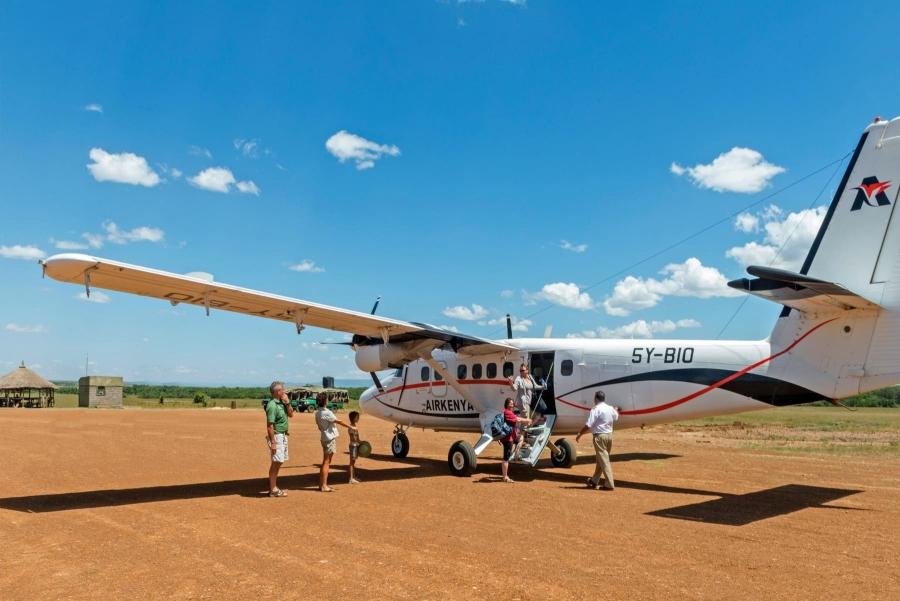
– Where you are visiting and in what means, you have the option to choose between fly-in Kenya safaris or by road, using a comfy 4 X 4 Land Cruiser jeep with open rooftop. The cost for the two greatly differ.
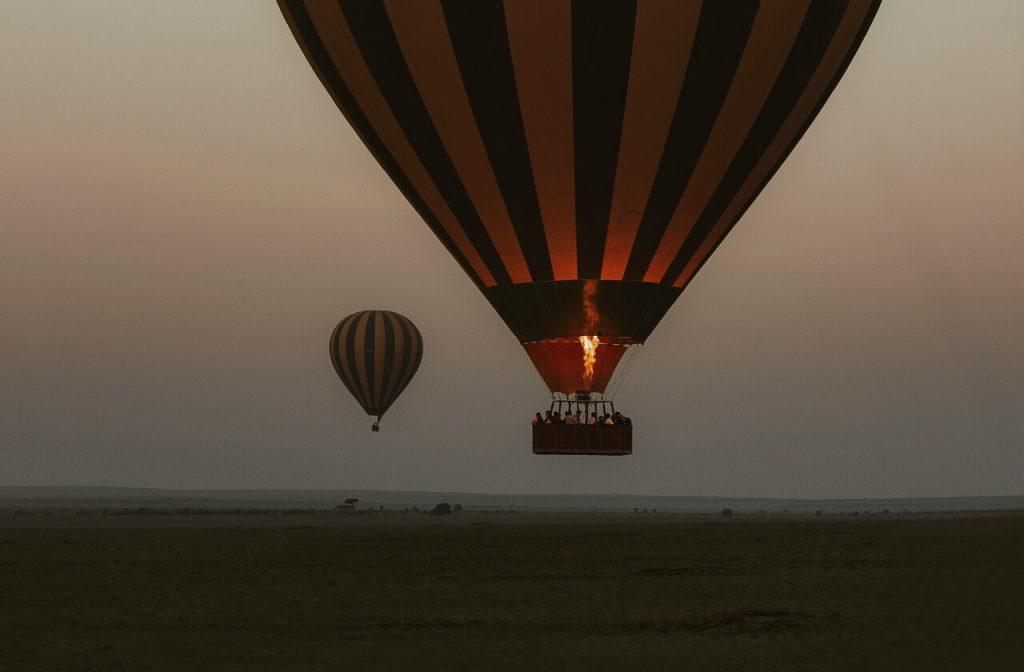
– Your choice of additional safari activities which range from inclusive wildlife activities to optional activities like hot air balloon rides and visits to the Masai villages for cultural interactions.
Q. What makes a Tsavo East National Park safari so special?
About medicine on your trip to Kenya, we recommend anti-malarial medication no matter what time of year you plan on visiting Kenya for safari. Kindly consult with your doctor at home for advice on the right choice of prophylaxis for your body well in advance of your departure date. Additionally, if you live in a yellow fever region or plan to travel through a region where it is endemic during your stay, you will need a yellow fever vaccination and certificate.
Q. What animals can I see in Tsavo East National Park?
With hundreds of excellent luxury safari lodges and tented safari camps, you will be spoilt with lots of choices to pick from during your stay. But worry not, we will help you select the best lodges to stay in during your trip.
Additionally, when we talk about safari standards, the service level is high, with the ability to deliver the best luxury African safaris, suitable accommodations from lavish safari lodges to modern day boutique hotels and classic tented safari camps.
We shall share our list of top luxury accommodation options in Kenya – from eco-friendly architecture to the best luxury tented camps with a front-row seat to experience African wildlife mostly near game viewing hot spots like the Mara River where the Wildebeest Migration safari takes place. Our list of the best Kenya safari lodges also covers mid-range camps which can come in handy If you are travelling on budget.
Q. When is Tsavo East National Park open?
When you think of Africa, Kenya is most likely the image you have in mind. Therefore, some of the top 10 best places to visit in Kenya, include the following destinations;
- Masai Mara: Catch the Wildebeest Migration & all year-round excellent game-viewing.
- Lamu Archipelago: Experience a classic barefoot luxury beach experience.
- Nairobi City: Feed the giraffes and visit the baby elephant’s shelter.
- Mombasa & Kenya Beaches: Explore coastal family resorts & luxury lodges, good with family trips to Kenya.
- Amboseli National Park: Photography safari destination, watch the big tusked elephants and the best views of Mt Kilimanjaro.
- Ol Pejeta Conservancy in Laikipia: Kenya’s hidden gem; visit the chimpanzee sanctuary, feed and touch the blind rhino and spend your nights in some of the top luxury lodges.
- Mount Kenya: for the mountain trekking enthusiasts, go on a 5 days trekking tour at Mount Kenya (the second tallest mountain in Africa after Mount Kilimanjaro in Tanzania)
- Lake Nakuru: Excellent game viewing, from rhino’s, leopards, tree climbing lions, endangered giraffes to birdlife, Lake Nakuru has it all.
- Shaba and Samburu: Kenya’s hidden gem, more than a wilderness where the special 5 wildlife roam; additionally, all the big 5 are here.
- Kenya South-Coast beaches.
Q. What’s the best way to see Tsavo East National Park?
When you think of Africa, Kenya is most likely the image you have in mind. Therefore, some of the top 10 best places to visit in Kenya, include the following destinations;
- Masai Mara: Catch the Wildebeest Migration & all year-round excellent game-viewing.
- Lamu Archipelago: Experience a classic barefoot luxury beach experience.
- Nairobi City: Feed the giraffes and visit the baby elephant’s shelter.
- Mombasa & Kenya Beaches: Explore coastal family resorts & luxury lodges, good with family trips to Kenya.
- Amboseli National Park: Photography safari destination, watch the big tusked elephants and the best views of Mt Kilimanjaro.
- Ol Pejeta Conservancy in Laikipia: Kenya’s hidden gem; visit the chimpanzee sanctuary, feed and touch the blind rhino and spend your nights in some of the top luxury lodges.
- Mount Kenya: for the mountain trekking enthusiasts, go on a 5 days trekking tour at Mount Kenya (the second tallest mountain in Africa after Mount Kilimanjaro in Tanzania)
- Lake Nakuru: Excellent game viewing, from rhino’s, leopards, tree climbing lions, endangered giraffes to birdlife, Lake Nakuru has it all.
- Shaba and Samburu: Kenya’s hidden gem, more than a wilderness where the special 5 wildlife roam; additionally, all the big 5 are here.
- Kenya South-Coast beaches.
Q. What attractions are near Tsavo East National Park?
When you think of Africa, Kenya is most likely the image you have in mind. Therefore, some of the top 10 best places to visit in Kenya, include the following destinations;
- Masai Mara: Catch the Wildebeest Migration & all year-round excellent game-viewing.
- Lamu Archipelago: Experience a classic barefoot luxury beach experience.
- Nairobi City: Feed the giraffes and visit the baby elephant’s shelter.
- Mombasa & Kenya Beaches: Explore coastal family resorts & luxury lodges, good with family trips to Kenya.
- Amboseli National Park: Photography safari destination, watch the big tusked elephants and the best views of Mt Kilimanjaro.
- Ol Pejeta Conservancy in Laikipia: Kenya’s hidden gem; visit the chimpanzee sanctuary, feed and touch the blind rhino and spend your nights in some of the top luxury lodges.
- Mount Kenya: for the mountain trekking enthusiasts, go on a 5 days trekking tour at Mount Kenya (the second tallest mountain in Africa after Mount Kilimanjaro in Tanzania)
- Lake Nakuru: Excellent game viewing, from rhino’s, leopards, tree climbing lions, endangered giraffes to birdlife, Lake Nakuru has it all.
- Shaba and Samburu: Kenya’s hidden gem, more than a wilderness where the special 5 wildlife roam; additionally, all the big 5 are here.
- Kenya South-Coast beaches.
Kenya Safari Reservations
Q. What type of clothes do I wear on Kenya safari?
Pack lightweight, comfortable, and casual clothing for a Kenyan safari, including long sleeves, pants, comfortable closed-toe shoes, a wide-brimmed hat, and layers for cooler mornings and evenings on game drives. For more details, we suggest you do your own safari packing essentials and find out what fits your interests.
Browse our safari clothing packing advice on what to pack for your African tour:
- Lightweight trousers /shorts and t-shirts remain ideal for the daytime drives.
- Lightweight jacket / fleece for the early mornings and evenings.
- Remember to also pack some warm socks and a woolly hat would be suggested for early morning and evening game drives.
- Hiking shoes
Other items we would suggest you bring along with you include:
- Sunscreen glasses & hat/cap
- Comfy Shoes / Sandals
- Flip Flops to wear during the day
- A Torch / Lamp
- Binoculars
- Phone/laptop charger
- Pack your medication, and a spare set of spectacles or contact lenses if you wear these.
Q. What is the best time to see the Masai Mara wildebeest migration in Kenya?
The best time to witness the dramatic Masai Mara wildebeest migration in Kenya is typically between mid-July through mid-September where your chances of witnessing a river crossing are generally much higher. In early October marks the end of the herd crossing the river from Kenya down into Tanzania, as thunderstorms begin in the north the herds will embark on their return journey back to the Serengeti.
Checkout our Migration safari offers.
Q. Kenya Vs Tanzania: Which Is Better for an African Safari?
Choosing between Kenya and Tanzania for an African safari depends on personal preferences, BUT Kenya is the most chosen being cost & budget friendly during both high and low seasons. Secondly, when it comes to the best places to stay in Kenya and Tanzania, both destinations offer fantastic accommodations. Thirdly in terms of Big 5 sightings, the wildebeest migration & general game viewing, both destinations are safari heavyweights. In terms of privacy and extending your safari beyond game drives, there are more private conservancies in Kenya than Tanzania which offer you plenty of activities inside the park.
Lastly, Kenya safari is the most sought-after destination for the world’s best safari experiences, evident from the large number of celebrities visiting year in year out.
Q. Will I have a private vehicle or shared game drives with other people?
We tend to enforce a maximum person per vehicle policy of 6. Meaning, although you’ll be sharing with other guests, everyone will get a side-view seat with unhindered views.
Some trips are designed in such a way that a private vehicle and guide are included for a portion of the trip, but the use of a private vehicle throughout your safari comes at an additional cost.
Kenya Flying Safaris
Q. How many days do you need for an Africa safari?
The ideal duration for an East Africa safari package often ranges from 5 to 14 days, this allows you to enjoy a comfortable and a well-rounded rewarding safari experience during this African tour package. It also depends on the destinations you will visit, wildlife interests, and personal preferences.
Q. What do I do in case of an emergency?
We have a 24 hour emergency line. If anything goes south, we’re ready to assist you regardless of time or date.
Q. Are there malaria mosquito nets in Africa safari tented camps?
Many tented camps in Africa provide fitted mosquito nets in all rooms which are also insect proofed to protect you against malaria mosquito bites and other insect bites, ensuring a comfortable and safe stay.
It’s also advisable to carry insect repellent to further protect yourself especially in the outdoors during evenings.
Q. Is there Wi-Fi at the safari lodges & tented camps on safari?
Almost all Africa safari lodges and tented camp accommodations during your safari provide free Wi-Fi. You’ll find this available in all three accommodation levels – comfort or luxury accommodations.
Wi-Fi is provided in the public areas of the safari lodges/tented camps including the reception, dining areas, and lounge. It is not provided in the individual rooms/tents.
Moreover, because you will be inside a wilderness park, we still request that you come prepared with your own network data to avoid any inconveniences.
Kenya Safari Payment Methods
Q. Do you provide drinking water on safari?
East Africa is within the tropics and near the Equator, separating the northern and southern hemispheres. The tropical temperatures are relatively high on the safari route and even within the national parks/game reserves.
Because you’ll need to frequently hydrate during your safari, we ensure unlimited supplies of drinking water.
All Vulture Africa Safari vehicles are fitted with a cooler box or mini fridge with a constant supply of cool, bottled water.
We replenish our supplies of drinking water during stops along the safari route.
Here’s everything you need to know about packing for your Africa safari trip.
Q. Are mosquito nets provided in safari lodge rooms/tents?
We carefully research and choose our selection of top safari lodges and tented camps to offer the best in terms of comfort, relaxation, amenities, and atmosphere during your safari.
We fully understand the need for your protection against mosquitos and other insects.
All rooms/tents during your safari are fitted with mosquito nets or are insect-proofed to protect you against bites.
Tented camp showing bedroom with mosquito nets
You are also advised to use insect repellent to further protect yourself especially outdoors in the evenings.
Q. Is it possible to store excess luggage while on safari?
Vulture African Safaris understands that your holiday travel may be lengthy and could involve different activities during your trip. You may find the need to store some of your luggage at various times.
You can safely store your extra luggage at our Nairobi office for safekeeping until you have completed your safari.
This is a free service extended to all our safari guests.
Packing luggage for an East African safari holiday tour
Additionally, our 4×4 safari Jeeps accommodate generous luggage space in its rear luggage compartment.
Q. Do you handle requests for special dietary needs?
Kenya and Tanzania welcomes visitors from all over the world and their diverse diet preferences. These preferences may be due to religious beliefs, lifestyles, or health concerns.
The menus in all safari lodges & tented camps are continental cuisine however, vegetarian, kosher, halal, gluten-free, etc. meals are also provided.
We request you indicate your special diet needs during safari booking/confirmation.
Why Book Your Safari in Advance?
Q. Do you provide airport hotel airport transfers when we arrive and depart Nairobi?
As part of our safari tour services, Vulture African Safaris provides free pickup and return to the airport/hotel for any guests who are booked for a 3-day or more safari tour with us.
The transfers are provided even if you arrive or depart several days before or after your safari start/end.
Please let us know your arrival & departure flight details including airline codes and arrival/departure times. We will provide you with the name of your driver and telephone contact in advance of your arrival/departure.
Q. Do you book or can you recommend a Nairobi hotel for our pre or post-safari stay?
If you are arriving in Nairobi earlier than your safari starting date or are intending to stay a few days more after your safari finish, you will require a Nairobi hotel.
Our listed safari tours and advertised prices do not include your Nairobi hotel.
Nairobi has a wide range of hotels in the economy, comfort, and luxury categories suitable for your 1 night or extended stay.
As part of your safari tour, Vulture Africa Safaris will pick you up at the airport and bring you to your respective Nairobi hotel or residence. This includes most areas around Nairobi.
We suggest that you look up and book online your preferred Nairobi hotel. If you should require advice, suggestions, or booking assistance for your Nairobi hotel, we will be happy to assist.
We can make suggestions depending on your budget and what area of the city you are interested in staying.
Q. Can we purchase a local Sim card for use while in Kenya?
A Kenyan Sim card will greatly reduce your telephone roaming bills during your visit and while on safari in Kenya
1 GB of data costs an average of $5.
Safaricom, a telco provider in Kenya is the market leader with the best national coverage and better deals.
Sim cards can be purchased from official stores or approved resellers. You can purchase them at the Nairobi airport upon arrival. Cost is approximately $1 or Ksh.100
To purchase local sim cards, you are required to have a Sim-unlocked GSM-compatible phone.
Q. What are your recommended safari tipping guidelines?
Tipping in guidelines for Kenya and Tanzania safaris – although not mandatory, is expected in return for good service.
All hotels, lodges, and porterage gratuities are included in the cost of your safari – these are collectively referred to as the service charge.
You may also decide to tip individual waiters, porters, and other hotel service employees who provide exemplary service. Usually, $1 – $5 per meal or move is appropriate and appreciated.
It is, however, customary to tip your safari driver/guide at the end of the safari tour. The amount is dependent on your evaluation of the quality of the service rendered. An average of $10 per guest per day or 5-10% of your safari-only cost is suggested. However, the amount is at your discretion – you are welcome to provide additional compensation to any staffer who has provided special services. A bar gratuity of $1 is acceptable.
You may tip in Kenya shillings, USD, or in Euro at the end of your safari and preferably in an envelope.