
Meru National Park
Remember, all our itineraries are totally flexible and can be changed to suit you.
Why Go On A Safari To Meru National Park
Located east of Meru County is the quieter Meru National Park, covering an area of 870 sq.km. Meru National Park is where Elsa the lioness was released into the wild. Additionally, the park is largely set in the wilderness yet strikingly beautiful, and features about 13 rivers which in turn supports a wide range of wildlife and diverse habitats. In addition, it’s a bird watchers paradise as several rare bird species are found here.
Best known through the film Born Free, Meru National Park rises on the broad northeastern slopes of Mount Kenya(second highest mountain in Africa), in the country’s Central Highlands, and also borders Bisanadi National Reserve to the north east and Kora National Park to the south east.
Meru was the home of Elsa the Lioness, an orphaned cub that conservationists George Adamson and Joy Adamson had rescued, raised and later released into the wild. The award-winning movie “Born Free” is based on the Adamsons’ lives and research on lions and cheetahs. This is an old story worth revisiting. Down in the park’s south, Elsa the Lioness is buried in this park and part of Joy’s ashes were scattered on her gravesite.
“A complete wilderness”
Meru National Park Landscape & Scenery
Much of Meru National Park is flat or gently undulating, whereas huge areas are thickly covered in a base of tall grass savanna, which makes game-viewing quite challenging shortly after the main rainy seasons in late May and November. It covers habitats that range from lush green vegetation on rich volcanic soils to semi-arid scrublands and open plains.
As you discover the park on game drives for the first time, it’s hard not to fall in love with the scenery; the Park comprises 870 sq. km of expansive grasslands, fantastic koppies and views, fertile bush and acacia woodland, largely attracting all five members of the Big Five safari animals. In addition, the park’s beautiful rivers and streams attract plentiful hippo, crocodile and freshwater turtle; – a jungle-like environment that features tall doum palms, commiphora trees and venerable baobab trees that are scattered across the horizon.
Top 4 Best Things To Do In Meru National Park
Discover some of the best things to do in Meru National Park. The setting and climate of the Laikipia region allows for quality wildlife viewing all-round the year; from scheduled game drives, sundowners, hiking, bush meals, and guided nature walks. Away from the beautiful rocky Koppies, and landscape setting; let’s have a look at the noteworthy activities that Meru Park offers.
1. Game Viewing Safaris In Meru Park
Wildlife is varied and plentiful, making guided game drives the main activity in Meru National Park. As the park is not packed with tourists, it provides a very authentic safari experience, an opportunity to enjoy the wildlife; – including birds and scenery, in the company of an expert guide.
2. Guided Walking Safaris In Meru Park
Bush walks in Meru National Park allows you to take the time to leave the 4X4 safari vehicle behind and enjoy the small things – nature trails, the nearby farms, or simply the villages.
You can leave the confines of the lodge and enjoy a climb up to the very top of Mughwango Hill, enjoying a 360 degree view from snow-capped Mt Kenya in the west. Bear in mind some of these nature walks are within the lodge’s compound, with carved paths which will allow you to walk comfortably around the pristine environment on foot.
Big Tusked Elephants
3. Bush Meals & Sundowners In Meru National Park
Bush breakfasts provides the rare chance to enjoy a full breakfast, in the middle of the expansive Meru plains, surrounded by wildlife. Ask us early, to arrange for a bush breakfast or a bush lunch.
Sundowners are the ideal way to end your day; as a safari tradition, after a day of safari drives in the park; stop, watch the golden sunset; traditionally with a gin and tonic in hand. Take a moment to sit back, enjoy the sinking sunset views, as you enjoy a drink with a view from a vantage point.
4. River Fishing In Meru National Park
The fishing is fun, with plentiful catfish, tilapia and barbell. Share your prey with herons, monitor lizards and spectacular kingfishers. Take your rod, and enjoy a morning or afternoon fishing in one of the many palm lined river banks of Meru National Park.
5. Birdwatching In Meru National Park
As you discover the park on exciting game drives, great rewards await keen bird watchers as the bird life is exceptionally diverse. With more than 427 species of birds recorded, Meru happily provides a good birding safari experience.

Top 4 Best Meru National Park Attractions
What are the popular landmarks in Meru National Park? On your safari to Meru Park; apart from the inviting scenery and game drives which will bring you up-close to wildlife, and a series of bird species; – there is more to it.
1. Meru Rhino Sanctuary
Meru Rhino Sanctuary; this came into existence after the Kenyan government responded decisively and drove out the poachers and restored strong security. Meru Rhino Sanctuary remains one of Meru’s successful rhino sanctuary, and as a result, we can now see both black and white rhino as well as healthy herds of reedbuck. This secure area covers an area of 80km², and is within the park beside the western boundary near the main gate. We highly recommend a trip to the rhino sanctuary where you can enjoy rhino sightings, and be able to take pictures at close range.
2. Elsa’s Grave
Meru National Park is the location where the famous George and Joy Adamson raised the lioness named Elsa. After the release of the 1966 film ‘Born Free’ which memorialized the story of the raised orphan lioness named “Elsa” by animal conservationist Joy Adamson. Elsa was eventually released into Meru National Park to live wild, and her final resting place is marked by a small gravesite on the park’s southern boundary among the often abstract shaped weathered granite blocks that have been formed by the waters.
3. Adamson’s Falls and Rapids
Both Tana River and Adamson’s Falls are some of the key features of Meru National Park. Just next to Tana River, Adamson’s Falls is a series of fast rapids cascading across rugged rocky terrain where the broad Tana River flows through a district of hard rock. The cascading waterfall is most commonly visited as a full-day trip.
In addition to the Adamson’s Falls, the swamps in the northern part of the park are also a major feature: the most permanent – Mulika, Mururi and Bwatherongi – make particularly good targets for game drives during the dry season, when they can be full of buffalo and big herds of elephants. Mururi swamp and part of Bwatherongi swamp are inside the rhino sanctuary.
4. Tana River
The Tana River combined with the Rojerwero and Ura Rivers are the permanent rivers that flow through Meru. Additionally, each of these rivers are lined with a lush riverine forest, raphia palms, baobab trees and red soil provide a striking background for the park’s many animals. Bear in mind that most of the 13 Rivers that intersect Meru Park originate from the vast Tana River. These waterways are fed by springs on Nyambeni Mountains, the river winds down the sloping foothills, splitting into smaller rivers at the other end of the park. River Tana spans over 1000km, and is the longest river in Kenya.
Animals & Wildlife At Meru National Park
History aside, the park is home to the Big5 (lion, rhino, leopard, Cape buffalo and African elephant); in addition to loads of other species including the, cheetahs, black rhinoceros, white rhinoceros, Grévy’s zebra, giraffe, zebra, oryx, kudu and gazelles. Watch out for the leopards along the Rojewero River. Additionally, the park’s fine-looking rivers and streams attract plentiful hippos, Nile crocodiles and freshwater turtle, mostly along the Tana and Rojewero Rivers.
Meru Rhino Sanctuary – this 80km² rhino sanctuary is home to over 40 white rhino, and 20 black rhino and several babies.
Meru Park’s classic bush landscapes supports a healthy population of birdlife, with highlights like ostriches, numerous raptors, Pel’s fishing owl, spectacular sunbirds and starlings, and rare types such as the giant kingfisher.
Home to Big Tusked Elephants
Birds In Meru National Park
More than 427 bird species have been recorded in Meru National Park, labeling the park as an excellent birding destination. Discover Meru’s birdlife; from vulturine guineafowl, the Somali ostrich, Boran cisticola; – which you’ll see as you move around on game drives. Look out for red-necked falcons, the noisy yellow-necked spurfowl, and the shy African finfoot among others.
Popular Birds in Meru Park
Eastern chanting goshawk, Hartlaub’s bustard, Long-tailed fiscal, Somali ostrich, and Wattled starling.
List Of Birds in Meru Park
African finfoot, Bat hawk, Black-faced sandgrouse, Boran cisticola, Buff-crested bustard, Golden palm weaver (E), Golden-breasted starling, Grant’s wood-hoopoe, Hinde’s pied babbler (E), Martial eagle, Northern pied babbler, Palm-nut vulture, Pel’s fishing-owl, Rufous chatterer, Saddle-billed stork, Somali bee-eater, Somali ostrich, Taita fiscal, Vulturine guineafowl, Yellow-necked, and spurfowl.
Best Time To Visit Meru National Park
Though Meru National Park can be visited throughout the year, wildlife watching is best viewed in the dry months from June to October and again from January to March; during this time there is little to no rainfall, and climate conditions in the park are favorable for wildlife watching. The animals can be spotted around the nearby water holes as they quench their thirst. Now this is a good time to plan a trip to Meru, the Dry season June to October.
Meru’s wet safari seasons comprise November and April, and during this time is when animals spread out and migrate deep inside the park. During this time the grass also tends to be very high, making spotting animals more involving.
Meru Park Safari Packages
Want to visit Meru National Park? This is one of the most rewarding safari destinations in Northern Kenya that you can easily add on a safari package to Masai Mara. Being close to Nairobi, you can easily start off with short Nairobi daytrip tours then proceed to Meru Park making it easy to visit in a short time frame, and combine it with other parks as well.
You have plenty of choices to pick from, Meru Park midrange safaris to Meru National Park luxury safaris depending on your travel style.
9 Days | 8 Nights
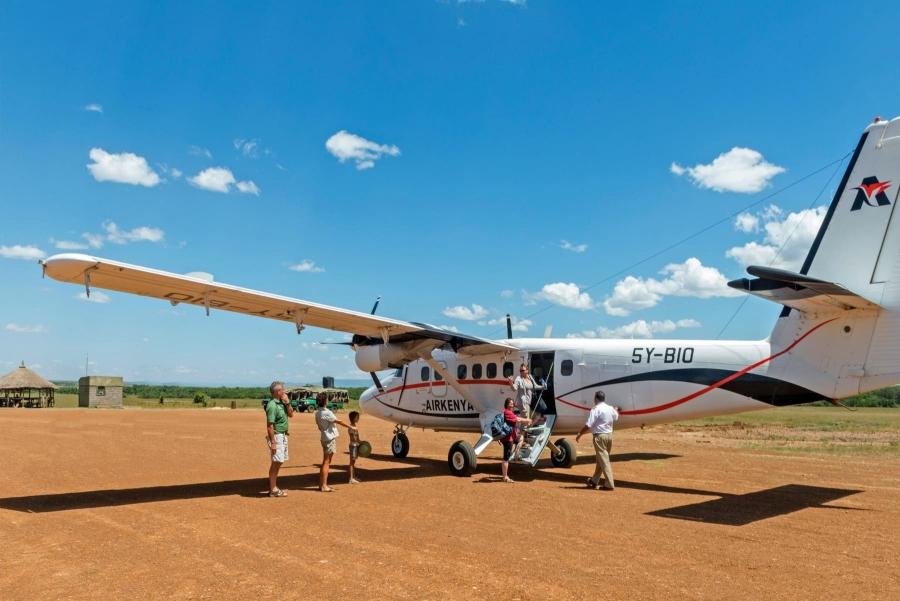
Top Kenya Air Safaris
Weather & Climate At Meru National Park
Together with other top Kenya safari parks, while planning safaris to Meru National Park and the whole of Nairobi, in general be prepared to for a hot, dry climate. As for Meru Park, most of the dry season months; June to October sees very little rainfall, although come October, this changes as the rainfall gears up welcoming the wet season from late November and in between May.
Given that Meru Park experiences a hot, arid climate, expect the temperatures to be equally uniform through the year. Additionally, being near the equator, the temperatures at Meru warrants a consistent daytime temperatures ranging at 29°C/84°F, and in turn cold nights is the case here when temperatures slightly fall. Meru’s wet season usually starts around May, late October and November, bringing with it a higher humidity and short afternoon showers which happens unexpectedly, although the rain does not last for long. As well, during this time temperatures remain fairly high.
Dry Season In Meru National Park – June to October
Visiting Meru National Park In June, July, August, September, October; this is a period mostly characterized by hot, sunny and dry climate. Additionally, it’s a period that sees plenty of blue-sky days with temperatures averaging at about 28°C/86°F. Noticeably, the evenings and early mornings are cooler and at times cold; – we recommend that you carry with you warm clothes for the morning game drives. Therefore in summary, the weather is very pleasant in the Dry season.
Visiting Meru National Park In November & December – the rain might start in early November, and you might feel the temperatures building up before the rains and will drop immediately after. But still, the conditions are sunny with the occasional showers. Temperatures climb to around 24°C/75°F in the afternoon, but the beginning and end of the day is cold with temperatures hovering around 11°C/52°F.
Visiting Meru National Park In January & February – These months, before the rains break, are the driest and warmest in the safari calendar. Temperatures climb to 28°C/77°F and push higher. Morning and night times are usually cold, be aware of the chill factor in the early morning when the temperature only crawls up to 12°C/54°F.
Wet Season In Meru National Park –March to May
Visiting Meru National Park In March – the rains come knocking. March or April sees the beginning of the rains, although it is rare for March to see much rain. Expect temperatures in the afternoon to reach around 25°C/77°F.
Visiting Meru National Park In April – The wettest month, but it doesn’t rain for long stretches very often.
Visiting Meru National Park In May – the rains will gradually decline in May, in preparation for the start of the dry season from June.
Frequently Asked Meru Park Safari Questions
Q. When is the best time to visit Meru National Park?
As for the documentations you need for your holiday in Kenya, keep in mind entry requirements can change, so please contact your local Kenyan embassy or high commission to verify that the following information below is up to date.
-A passport is required for all foreign visitors and must be valid for at least six months.
-No visa is required. Instead, all visitors must apply for an Electronic Travel Authorisation (eTA).
-Visitors must apply in advance for the eTA on www.etakenya.go.ke.
-The standard processing time is three days, but you can apply up to three months prior to travel and early application is recommended.
-When arriving from a yellow-fever-infected country in Africa or the Americas, a yellow-fever vaccination certificate is required.
-For more information we strongly direct checking the website of your local Kenyan embassy/high commission or the government travel advisories below:
Australia – www.smartraveller.gov.au
Canada – travel.gc.ca
EU Member States – ec.europa.eu
Ireland – www.ireland.ie
New Zealand – www.safetravel.govt.nz
United Kingdom – www.gov.uk
United States – travel.state.gov
Q. How much does a safari in Meru National Park cost?
The cost for a Kenya safari starts from USD $250 to USD $2,500 per person per day depending on your level of safari; either travelling on a mid-range comfort safari or a luxury Kenya safari. Talk to one of our African travel experts to ensure the best Kenya safari experience in line with your time and budget. Your final Kenya safari cost depends on the following factors:
– Time of year you’re travelling; low and high season prices.
– Your choice of luxury safari lodges and tented safari camps.
– Duration of your stay in Kenya.
– Where you are visiting and in what means, you have the option to choose between fly-in Kenya safaris or by road, using a comfy 4 X 4 Land Cruiser jeep with open rooftop. The cost for the two greatly differ.
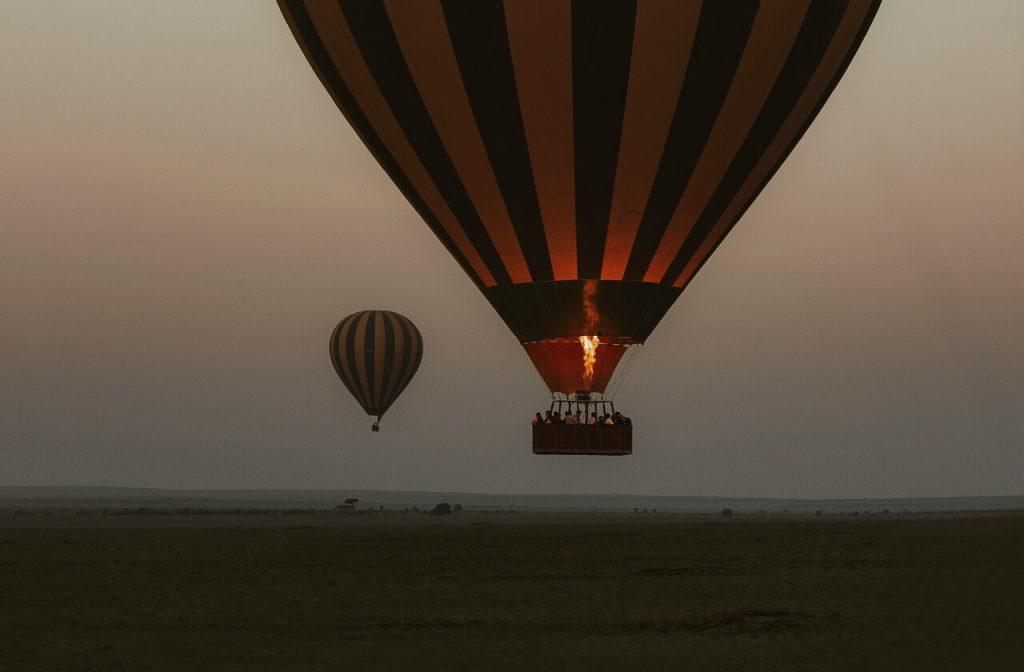
– Your choice of additional safari activities which range from inclusive wildlife activities to optional activities like hot air balloon rides and visits to the Masai villages for cultural interactions.
Q. What makes a Meru National Park safari so special?
About medicine on your trip to Kenya, we recommend anti-malarial medication no matter what time of year you plan on visiting Kenya for safari. Kindly consult with your doctor at home for advice on the right choice of prophylaxis for your body well in advance of your departure date. Additionally, if you live in a yellow fever region or plan to travel through a region where it is endemic during your stay, you will need a yellow fever vaccination and certificate.
Q. What animals can I see in Meru National Park?
With hundreds of excellent luxury safari lodges and tented safari camps, you will be spoilt with lots of choices to pick from during your stay. But worry not, we will help you select the best lodges to stay in during your trip.
Additionally, when we talk about safari standards, the service level is high, with the ability to deliver the best luxury African safaris, suitable accommodations from lavish safari lodges to modern day boutique hotels and classic tented safari camps.
We shall share our list of top luxury accommodation options in Kenya – from eco-friendly architecture to the best luxury tented camps with a front-row seat to experience African wildlife mostly near game viewing hot spots like the Mara River where the Wildebeest Migration safari takes place. Our list of the best Kenya safari lodges also covers mid-range camps which can come in handy If you are travelling on budget.
Q. When is Meru National Park open?
When you think of Africa, Kenya is most likely the image you have in mind. Therefore, some of the top 10 best places to visit in Kenya, include the following destinations;
- Masai Mara: Catch the Wildebeest Migration & all year-round excellent game-viewing.
- Lamu Archipelago: Experience a classic barefoot luxury beach experience.
- Nairobi City: Feed the giraffes and visit the baby elephant’s shelter.
- Mombasa & Kenya Beaches: Explore coastal family resorts & luxury lodges, good with family trips to Kenya.
- Amboseli National Park: Photography safari destination, watch the big tusked elephants and the best views of Mt Kilimanjaro.
- Ol Pejeta Conservancy in Laikipia: Kenya’s hidden gem; visit the chimpanzee sanctuary, feed and touch the blind rhino and spend your nights in some of the top luxury lodges.
- Mount Kenya: for the mountain trekking enthusiasts, go on a 5 days trekking tour at Mount Kenya (the second tallest mountain in Africa after Mount Kilimanjaro in Tanzania)
- Lake Nakuru: Excellent game viewing, from rhino’s, leopards, tree climbing lions, endangered giraffes to birdlife, Lake Nakuru has it all.
- Shaba and Samburu: Kenya’s hidden gem, more than a wilderness where the special 5 wildlife roam; additionally, all the big 5 are here.
- Kenya South-Coast beaches.
Q. What’s the best way to see Meru National Park?
When you think of Africa, Kenya is most likely the image you have in mind. Therefore, some of the top 10 best places to visit in Kenya, include the following destinations;
- Masai Mara: Catch the Wildebeest Migration & all year-round excellent game-viewing.
- Lamu Archipelago: Experience a classic barefoot luxury beach experience.
- Nairobi City: Feed the giraffes and visit the baby elephant’s shelter.
- Mombasa & Kenya Beaches: Explore coastal family resorts & luxury lodges, good with family trips to Kenya.
- Amboseli National Park: Photography safari destination, watch the big tusked elephants and the best views of Mt Kilimanjaro.
- Ol Pejeta Conservancy in Laikipia: Kenya’s hidden gem; visit the chimpanzee sanctuary, feed and touch the blind rhino and spend your nights in some of the top luxury lodges.
- Mount Kenya: for the mountain trekking enthusiasts, go on a 5 days trekking tour at Mount Kenya (the second tallest mountain in Africa after Mount Kilimanjaro in Tanzania)
- Lake Nakuru: Excellent game viewing, from rhino’s, leopards, tree climbing lions, endangered giraffes to birdlife, Lake Nakuru has it all.
- Shaba and Samburu: Kenya’s hidden gem, more than a wilderness where the special 5 wildlife roam; additionally, all the big 5 are here.
- Kenya South-Coast beaches.
Q. What attractions are near Meru National Park?
When you think of Africa, Kenya is most likely the image you have in mind. Therefore, some of the top 10 best places to visit in Kenya, include the following destinations;
- Masai Mara: Catch the Wildebeest Migration & all year-round excellent game-viewing.
- Lamu Archipelago: Experience a classic barefoot luxury beach experience.
- Nairobi City: Feed the giraffes and visit the baby elephant’s shelter.
- Mombasa & Kenya Beaches: Explore coastal family resorts & luxury lodges, good with family trips to Kenya.
- Amboseli National Park: Photography safari destination, watch the big tusked elephants and the best views of Mt Kilimanjaro.
- Ol Pejeta Conservancy in Laikipia: Kenya’s hidden gem; visit the chimpanzee sanctuary, feed and touch the blind rhino and spend your nights in some of the top luxury lodges.
- Mount Kenya: for the mountain trekking enthusiasts, go on a 5 days trekking tour at Mount Kenya (the second tallest mountain in Africa after Mount Kilimanjaro in Tanzania)
- Lake Nakuru: Excellent game viewing, from rhino’s, leopards, tree climbing lions, endangered giraffes to birdlife, Lake Nakuru has it all.
- Shaba and Samburu: Kenya’s hidden gem, more than a wilderness where the special 5 wildlife roam; additionally, all the big 5 are here.
- Kenya South-Coast beaches.
Kenya Safari Reservations
Q. What type of clothes do I wear on Kenya safari?
Pack lightweight, comfortable, and casual clothing for a Kenyan safari, including long sleeves, pants, comfortable closed-toe shoes, a wide-brimmed hat, and layers for cooler mornings and evenings on game drives. For more details, we suggest you do your own safari packing essentials and find out what fits your interests.
Browse our safari clothing packing advice on what to pack for your African tour:
- Lightweight trousers /shorts and t-shirts remain ideal for the daytime drives.
- Lightweight jacket / fleece for the early mornings and evenings.
- Remember to also pack some warm socks and a woolly hat would be suggested for early morning and evening game drives.
- Hiking shoes
Other items we would suggest you bring along with you include:
- Sunscreen glasses & hat/cap
- Comfy Shoes / Sandals
- Flip Flops to wear during the day
- A Torch / Lamp
- Binoculars
- Phone/laptop charger
- Pack your medication, and a spare set of spectacles or contact lenses if you wear these.
Q. What is the best time to see the Masai Mara wildebeest migration in Kenya?
The best time to witness the dramatic Masai Mara wildebeest migration in Kenya is typically between mid-July through mid-September where your chances of witnessing a river crossing are generally much higher. In early October marks the end of the herd crossing the river from Kenya down into Tanzania, as thunderstorms begin in the north the herds will embark on their return journey back to the Serengeti.
Checkout our Migration safari offers.
Q. Kenya Vs Tanzania: Which Is Better for an African Safari?
Choosing between Kenya and Tanzania for an African safari depends on personal preferences, BUT Kenya is the most chosen being cost & budget friendly during both high and low seasons. Secondly, when it comes to the best places to stay in Kenya and Tanzania, both destinations offer fantastic accommodations. Thirdly in terms of Big 5 sightings, the wildebeest migration & general game viewing, both destinations are safari heavyweights. In terms of privacy and extending your safari beyond game drives, there are more private conservancies in Kenya than Tanzania which offer you plenty of activities inside the park.
Lastly, Kenya safari is the most sought-after destination for the world’s best safari experiences, evident from the large number of celebrities visiting year in year out.
Q. Will I have a private vehicle or shared game drives with other people?
We tend to enforce a maximum person per vehicle policy of 6. Meaning, although you’ll be sharing with other guests, everyone will get a side-view seat with unhindered views.
Some trips are designed in such a way that a private vehicle and guide are included for a portion of the trip, but the use of a private vehicle throughout your safari comes at an additional cost.
Kenya Flying Safaris
Q. How many days do you need for an Africa safari?
The ideal duration for an East Africa safari package often ranges from 5 to 14 days, this allows you to enjoy a comfortable and a well-rounded rewarding safari experience during this African tour package. It also depends on the destinations you will visit, wildlife interests, and personal preferences.
Q. What do I do in case of an emergency?
We have a 24 hour emergency line. If anything goes south, we’re ready to assist you regardless of time or date.
Q. Are there malaria mosquito nets in Africa safari tented camps?
Many tented camps in Africa provide fitted mosquito nets in all rooms which are also insect proofed to protect you against malaria mosquito bites and other insect bites, ensuring a comfortable and safe stay.
It’s also advisable to carry insect repellent to further protect yourself especially in the outdoors during evenings.
Q. Is there Wi-Fi at the safari lodges & tented camps on safari?
Almost all Africa safari lodges and tented camp accommodations during your safari provide free Wi-Fi. You’ll find this available in all three accommodation levels – comfort or luxury accommodations.
Wi-Fi is provided in the public areas of the safari lodges/tented camps including the reception, dining areas, and lounge. It is not provided in the individual rooms/tents.
Moreover, because you will be inside a wilderness park, we still request that you come prepared with your own network data to avoid any inconveniences.
Kenya Safari Payment Methods
Q. Do you provide drinking water on safari?
East Africa is within the tropics and near the Equator, separating the northern and southern hemispheres. The tropical temperatures are relatively high on the safari route and even within the national parks/game reserves.
Because you’ll need to frequently hydrate during your safari, we ensure unlimited supplies of drinking water.
All Vulture Africa Safari vehicles are fitted with a cooler box or mini fridge with a constant supply of cool, bottled water.
We replenish our supplies of drinking water during stops along the safari route.
Here’s everything you need to know about packing for your Africa safari trip.
Q. Are mosquito nets provided in safari lodge rooms/tents?
We carefully research and choose our selection of top safari lodges and tented camps to offer the best in terms of comfort, relaxation, amenities, and atmosphere during your safari.
We fully understand the need for your protection against mosquitos and other insects.
All rooms/tents during your safari are fitted with mosquito nets or are insect-proofed to protect you against bites.
Tented camp showing bedroom with mosquito nets
You are also advised to use insect repellent to further protect yourself especially outdoors in the evenings.
Q. Is it possible to store excess luggage while on safari?
Vulture African Safaris understands that your holiday travel may be lengthy and could involve different activities during your trip. You may find the need to store some of your luggage at various times.
You can safely store your extra luggage at our Nairobi office for safekeeping until you have completed your safari.
This is a free service extended to all our safari guests.
Packing luggage for an East African safari holiday tour
Additionally, our 4×4 safari Jeeps accommodate generous luggage space in its rear luggage compartment.
Q. Do you handle requests for special dietary needs?
Kenya and Tanzania welcomes visitors from all over the world and their diverse diet preferences. These preferences may be due to religious beliefs, lifestyles, or health concerns.
The menus in all safari lodges & tented camps are continental cuisine however, vegetarian, kosher, halal, gluten-free, etc. meals are also provided.
We request you indicate your special diet needs during safari booking/confirmation.
Why Book Your Safari in Advance?
Q. Do you provide airport hotel airport transfers when we arrive and depart Nairobi?
As part of our safari tour services, Vulture African Safaris provides free pickup and return to the airport/hotel for any guests who are booked for a 3-day or more safari tour with us.
The transfers are provided even if you arrive or depart several days before or after your safari start/end.
Please let us know your arrival & departure flight details including airline codes and arrival/departure times. We will provide you with the name of your driver and telephone contact in advance of your arrival/departure.
Q. Do you book or can you recommend a Nairobi hotel for our pre or post-safari stay?
If you are arriving in Nairobi earlier than your safari starting date or are intending to stay a few days more after your safari finish, you will require a Nairobi hotel.
Our listed safari tours and advertised prices do not include your Nairobi hotel.
Nairobi has a wide range of hotels in the economy, comfort, and luxury categories suitable for your 1 night or extended stay.
As part of your safari tour, Vulture Africa Safaris will pick you up at the airport and bring you to your respective Nairobi hotel or residence. This includes most areas around Nairobi.
We suggest that you look up and book online your preferred Nairobi hotel. If you should require advice, suggestions, or booking assistance for your Nairobi hotel, we will be happy to assist.
We can make suggestions depending on your budget and what area of the city you are interested in staying.
Q. Can we purchase a local Sim card for use while in Kenya?
A Kenyan Sim card will greatly reduce your telephone roaming bills during your visit and while on safari in Kenya
1 GB of data costs an average of $5.
Safaricom, a telco provider in Kenya is the market leader with the best national coverage and better deals.
Sim cards can be purchased from official stores or approved resellers. You can purchase them at the Nairobi airport upon arrival. Cost is approximately $1 or Ksh.100
To purchase local sim cards, you are required to have a Sim-unlocked GSM-compatible phone.
Q. What are your recommended safari tipping guidelines?
Tipping in guidelines for Kenya and Tanzania safaris – although not mandatory, is expected in return for good service.
All hotels, lodges, and porterage gratuities are included in the cost of your safari – these are collectively referred to as the service charge.
You may also decide to tip individual waiters, porters, and other hotel service employees who provide exemplary service. Usually, $1 – $5 per meal or move is appropriate and appreciated.
It is, however, customary to tip your safari driver/guide at the end of the safari tour. The amount is dependent on your evaluation of the quality of the service rendered. An average of $10 per guest per day or 5-10% of your safari-only cost is suggested. However, the amount is at your discretion – you are welcome to provide additional compensation to any staffer who has provided special services. A bar gratuity of $1 is acceptable.
You may tip in Kenya shillings, USD, or in Euro at the end of your safari and preferably in an envelope.