
Aberdare National Park
Remember, all our itineraries are totally flexible and can be changed to suit you.
Why Go On A Safari To Aberdare National Park
The Aberdare National Park is located in central Kenya, east of the East African Rift Valley, at about 100 km north of Nairobi, and covers an area of 767 square kilometer, forming part of the Aberdare Mountain Range. With altitudes ranging from 7,000 feet to 14,000 feet above sea level, the Aberdare National Park is both easily accessible and well positioned near Kenya’s best Rift Valley lakes and can be easily included on an itinerary that visits top safari destinations such as the Masai Mara and Amboseli.
Aberdare invites some of Kenya’s most dramatic up-country scenery, featuring wide range of landscapes; from mountain peaks to their deep, v-shaped valleys overlapped by streams, rivers, and classic waterfalls, moorland, bamboo forests and rainforests found at lower elevations. Aberdare National Park has been a major attraction and continues to be a favorite destination of travelers who love the outdoor adventures and wildlife.
Away from wildlife sightings, the stay here is excellent, with the park’s elevated tree hotels allowing you to silently watch the wildlife coming at the waterholes while in their natural habitat without even leaving your room. Additionally, this tree lodge is where Queen Elizabeth II (then Princess Elizabeth) was staying in 1952 when she found out that her father King George VI had died, and that she was to become Queen of the United Kingdom.
“A hiker's and waterfalls paradise”
Aberdare Park Landscape & Scenery
Still wondering on how to even start putting to words the sheer beauty and the natural wonders that Aberdare Park holds. While on safari in Aberdare National Park one can expect not only unique and eye-catching landscapes, but will also enjoy good game viewing.
Picture steep forested ravines and open moorland characterise the Aberdare National Park, two major environments unusual to Kenya: a moorland plateau and a swathe of dense rainforest, with an eastern hedge of thick rainforest and waterfall-studded hills known as the Salient; and the Kinangop plateau, an open tableland of coarse moors that huddles under cold mountain breezes.
In addition, Aberdare National Park is packed with 300m-high waterfalls, dense forests and offers a serious trekking potential for the hiking enthusiasts. Moving on, the dense forests include, at higher altitude, bamboo forests and Afro-alpine moorland set among steep ridges with splendid waterfalls and river valleys.
Top 7 Best Things To Do In Aberdare National Park
Discover some of the best things to do in Aberdare National Park. The setting and climate of Nairobi allows for quality wildlife viewing all-round the year; from game drives, bush meals, horse riding, and guided nature walks. Away from the beautiful mountain settings, and several picturesque waterfalls; let’s have a look at the notable activities that Nairobi National Park offers.
1. Game Drives Safari In Aberdare National Park
Game drives is part of the main activity in Aberdare National Park is the guided game drive. The drives, which will take you around the park in search of wildlife and bird watching. Therefore, you can decide to go for the early morning or late afternoon game drive providing an ideal opportunity to explore the park. Also, the game viewing drives normally start as early as 6: 00am.when the gates open, and involve the use of a 4X4 Land Cruiser Jeep with an open roof-top.
The Land Cruiser safari vehicles accommodate 6 seat passengers (everyone with their own spacious window seat) but can additionally seat up to 8 adults with an extra seat included and with one person sitting beside the Driver. The vehicle has a spacious game viewing roof, is more reliable, strong and spacious enough while also being marginally more comfortable than the only other option.

2. Birdwatching In Aberdare National Park
Aberdare National Park plays host to a notable number of birdlife species, but require patience if you’re to see the birds and wildlife that inhabit the forest. Let our guides inform you about the plethora of birds one can sight. Bird life found in the forest is abundant and varied. The most conspicuous group is the Sunbird, with seven species that include: Tacazze Sunbird, Golden-winged Sunbird, the emerald-green Malachite Sunbird and the tiny, Double collared Sunbird. Birds can be watched whilst on a safari drive or on an organized nature walk.
3. Horseback Riding In Aberdare National Park
Imagine riding on horseback, gracefully moving along wildlife. This is the perfect adventure for any romantic, or nature lover. In addition, our guides will take you for an unforgettable experience, and all levels of riders welcome whether you’re planning on an adventurous family safari in Kenya or just want a taste of a true wilderness experience, this is available.
Home to Big Five Wildlife
4. Breakfast, Bush Dining & Sundowner In Aberdare National Park
On your bush sundowner in Aberdare, enjoy a bush cocktail or champagne with a great view of the Aberdare Ranges, Mt Kenya and of the Solio Ranch from the Kamatongu Hill. As a tradition, this is the perfect way to end your game drives, after a long day out spotting wildlife.
Picture the joy of a full Champagne breakfast in the Aberdare Game Sanctuary with an expansive view of the Aberdare Ranges and Solio Ranch in the distance as a backdrop. Share this exciting and wonderful experience and kick start your day with some sparkles and bubbles, make it personal.
Thinking of a bush breakfast/lunch/dinner? This can be arranged, for the guests seeking a more personal experience with nature. Let the wilderness be your dining room accompanied by mouth-watering surprises for the foodies.


5. Walking Safari In Aberdare National Park
Get up close to nature and walk past the plain game, as you immerse yourself in your safari surroundings, familiarizing yourself with the vegetation and climate of Aberdare National Park. This takes place within the Aberdare Country Club Game Sanctuary, which has an area of over 1300 acres, full of wildlife and birds, flora and fauna.
6. Visit Thomson’s Falls
Set in an evergreen river valley and studded with sharp rocks and screaming baboons, Thomson’s Falls is a 74 metres (243 ft) waterfall on the Ewaso Ng’iro River in Central Rift Valley Kenya, flowing from the Aberdare Mountain Ranges and a few kilometres from Lake Ol Bolossat.
Named after Joseph Thomson, who was the first European to visit the waterfall and named it for his father. The fall gushes over 74m down several hundred feet into a fearful gloomy gorge; – a one of a kind dramatic experience. Watch as the Falls’ mist feeds the beautiful forest below, a good way to chill out after a tiring safari adventure. In addition, the best time to visit Thomson Falls is during the long rainy season when the Ewaso Ng’iro River is full.
7. Waterfall Hiking In Aberdare National Park
A hiker’s paradise in beautiful, full of impressive landscapes and waterfalls. You can also hike along forest trails, which is a fantastic way to explore the park. Stop to see the cascading Karuru and Gura waterfalls before seeing the Chania Falls, Queens Cave and the bamboo forest. After the hike, stay at the Ark lodge, and watch up-close from the comfort of your room as the wildlife gather at the lodge waterhole; – an exceptional view for guests on their Kenya photographic safaris.


8. Visit Solio Game Reserve
Visit the Solio sanctuary the home to the white and the black rhino. Solio Game Reserve is home to both black and white rhinos, recognized as one of the most successful private rhino breeding reserves in Kenya. Other wildlife found on the plains include zebra, impala, Thomson gazelle, and oryx amongst others.
9. Go Chimpanzee Trekking
Let’s go even further and visit the Chimps are at Ol Pejeta Conservancy in about one and half to two hours’ drive from the lodge. Watch the playful chimps who were rescued from the black market trade and are being nursed back to health in their natural wilderness setting. This is a great day out with the family and is a great way to spend a morning or afternoon, a way of adding more richness to your safari adventure in Kenya.
10. Golfing In Aberdare National Park
For those who love spending their time on leisure or exploring on a Kenya luxury safari, there is a 9-hole Golf Course within the Aberdare Sanctuary. Guests can bring their own clubs or hire them from the Club.The unique and wonderful thing about the golf course at the Club is that you can tee off amidst the wildlife that wonder on the course to forage for food. Priceless!
Animals & Wildlife At Aberdare National Park
In addition to breathtaking waterfalls and landscape setting, Aberdare National Park is a real treasure trove of rare species. The wildlife present in Aberdare National Park include frequent sightings of elephants, buffalos, rhino, leopard, black and white colobus monkey, and giraffes while some of the rarer sightings include: lion, the African golden cat, bongo (an elusive antelope that lives in the bamboo forests), eland, several cat species that can be found higher up in the moorlands, and interestingly many birds are also found here; the park recording over 250 bird species including the endangered Aberdare cisticola, Jackson’s spurfowl, sparrowhawk, the African goshawk, African fish eagle, sunbirds and plovers.
These animals come to the lodge waterhole and can be seen from the comfort and secure decks/ your tree-top-lodge. Elephants are seen at the waterholes and salt licks, hyenas, and shy leopards; – however, the lion and leopard (including the melanistic leopard, a black type) are rarely seen at times.
Home to Big Five Wildlife
While exploring on game drives or walks through the forest, you might come across various monkeys, such as the Colobus and Vervet monkeys, for whom the Aberdare National Park is an ideal habitat. Sightings of elephant and buffalo are common. Additionally, as you traverse in the forest there are many animals like the Red Duiker, Suni, Bushbuck etc. The moorland thickets are the home of Bush Duicker, Black-fronted Duicker , with Bushbuck and defassa waterbuck very common, and also the Black Rhino, which is sometimes spotted at one of the tree hotels’ floodlit waterholes at night.
Best Time for Wildlife Viewing In Aberdare National Park
While the Aberdare National Park is beautiful all year round, the best time to visit Aberdare National Park for wildlife watching is in the dry months of (June to October) when the vegetation thins out and animals gather around remaining water sources. Still – the dry months from January to February also makes up a great time for wildlife viewing. The wettest months are April and November, but when staying at the tree hotel in Kenya’s Aberdare Park, the rain shouldn’t interfere with your safari.
Stay at a Treehouse
Birdwatching At Aberdare National Park
Aberdare National Park has recorded over 250 species of bird species; with some of the highlights including Sunbird, Jackson’s francolin, plover, Tacazze Sunbird, Golden-winged Sunbird, rare Scarlet-tufted Malachite sunbird and the tiny, double collared Sunbird, a good number of birds of prey including Ayres’ hawk eagle, rufous-breasted sparrowhawk, African goshawk and mountain buzzard, therefore listing Aberdare National Park as a good birdwatching destination in Kenya.
Popular Birds In Aberdare Park
African thrush, Baglafecht weaver, Crowned hornbill, Greater blue-eared starling, and Hartlaub’s turaco.
List of Birds In Aberdare Park
Aberdare cisticola (E), Abyssinian crimsonwing, African goshawk, African green pigeon, African paradise flycatcher, African yellow warbler, Augur buzzard, Ayres’s hawk-eagle, Bar-tailed trogon, Bronzy sunbird, Cinnamon-chested bee-eater, Crowned eagle, Doherty’s bush-shrike, Golden-winged sunbird, Hartlaub’s turaco, Hunter’s cisticola, Jackson’s francolin (NE), Montagu’s harrier, Montane white-eye, Moorland chat, Moorland francolin, Mountain buzzard, Moustached green tinkerbird, Narina trogon, Olive ibis, Rufous-chested sparrowhawk, Scarlet-tufted malachite, sunbird, Sharpe’s longclaw (NE), Silvery-cheeked hornbill, Tacazze sunbird, Tambourine dove, and White-headed wood-hoopoe.
Best Time To Visit Aberdare National Park
Given the favorable Kenyan climate, the drier months from June to October are generally the best time for seeing wildlife in Aberdare National Park, and again from January to March; during this time there is little to no rainfall, and climate conditions in the park are favorable for wildlife watching. Now this is a good time to plan a trip to Aberdare National Park.
Aberdare Park’s wet safari seasons comprise November and April. During these months, wildlife (with water and food more widely available they will spread out) and is more challenging to spot in the long grass. However, if you are a bird lover, and would love to experience the lush green vegetation, then a visit during the wet season is perfect to enjoy a birdwatching safari as many migratory birds come here during this season; – keep in mind, wildlife viewing from your balcony is also possible.
Aberdare Safari Packages
Want to visit Aberdare National Park? This is one of the most rewarding safari destinations in southern Kenya that you can easily add on a safari package to Masai Mara. Being close to Nairobi, you can easily start off with short Nairobi daytrip tours then proceed to Masai Mara making it easy to visit in a short time frame, and combine it with other parks as well.
You have plenty of choices to pick from, Aberdare midrange safaris to Aberdare luxury safaris depending on your travel style.
9 Days | 8 Nights
Top Kenya Air Safaris
Weather & Climate At Aberdare National Park
Together with other top Kenya safari parks, while planning safaris to Aberdare National Park and the whole of Nairobi, in general be prepared to for a hot, dry climate. For the morning game drives, we recommend you bring with you warm clothing.
The mountainous setting of the Aberdares means that mist and rain may occur at any time. Again, due to Aberdares high altitude the region is much cooler than the savannahs and coastal plains; the altitude in Aberdare National Park varies widely from 2000m (6,561ft to 12,776ft) where the temperatures can feel chilly, ranging between 14°C to 18°C (57°F to 64°F), consequently a warm, waterproof clothing is advised due to the cold altitudes as you move to Aberdare’s higher mountain regions.
Being close to the equator, temperatures in Aberdare National Park are quite uniform throughout the year; – temperatures don’t change much from month to month. Although rain showers can be expected in the park, there exists two main wet seasons, from March through May and late October through early December. Noticeably, rainfall occurs, particularly in the southeast areas of the park. The best time to visit the Aberdare Park for a safari is during the drier months of January and February, and June to November.
Best Attractions In Aberdare National Park
What is Aberdare National Park famous for? On your safari to Aberdare Park, apart from game drives which will take you in search of wildlife, and a series of bird species; – Aberdare is flooding with lots of experiences, and there is more to it.
Discover Waterfalls In Aberdares
Karuru Waterfall
Karuru falls in the Aberdare National Park is a place of many- unique wonders of mature, the waterfall is the highest and tallest in Kenya-a break taking sight that plunges 273 meters below the viewing point.
Karuru Waterfall is made up of a 3 steps or rather 3 tier steps (staircase-like); the 1St waterfall step is 117 meters, the 2nd waterfall step is 26 meters, and the 3rd waterfall step is 130 meters, totaling to a towering height of 273 meters.
The setting of the falls is surrounded by the tall green indigenous trees, making it one of the unique in the county. It is located in the central moorlands, which in itself attracts a good number of visitors to the Aberdare as it is home to unique wildlife and vegetation, offering a double treat.
Chania Waterfalls
The Chania Falls is another picturesque waterfall in the park. The Chania Falls spill over a rocky, tree-lined cliff, just in front of the restaurant of the Blue Post Hotel, and there is a gated walkway on the hotel grounds that allows you to walk down to the falls’ base. The falls are named after the Chania River, which is one of the rivers originating from the Aberdare Range.
Situated in the southeastern moorland of Aberdare National Park, the waterfall is a smaller drop when compared to others, the likes of Grua and Karuru. The trekking grounds here is very steep.
The waterfall rushes over rocky ledges, a scene which is delightfully appreciated from the porch of the restaurant with a stiff drink in one hand and a book in the other. The falls cascade into a canyon surrounded by rich green flora and a picturesque scenery. The viewing sites can be accessed on short walks.
Magura Falls & Queens Cave
Magura Falls & the Queens Cave is located in the eastern part of Aberdare National Park. The waterfall sits at the mouth of the Queen’s cave. While it may not be as well-known as some of the larger falls, it still offers a serene and beautiful setting for visitors.
Magura Falls comprises as one of the several waterfalls in Aberdare National Park ,with queen’s cave situated at the bottom can be viewed from both outside as well as from within the cave, which is said to have been used as hiding place during the Mau Mau wars. In this area, there is a wooden spot where the Queen, Princess Elizabeth was having lunch.
Gura Waterfalls
Gura waterfalls is situated opposite side of the same gorge as Karuru falls but with a shorter drop. It falls from the moorlands of Aberdare National Park, to an impenetrable ravine at the bottom before joining the water from Karuru falls, usually viewed from Karuru falls observation desk.
Kereita Cave and Waterfall
Kereita cave and waterfall is located in Aberdare National Park, just south of the Aberdares Range and features many natural features and hiking trails carbacid trail, one of the major trails, leads to Kereita waterfall on Gatamaiyu River and the neighboring cave that is a shelter to a small bat colony.
The trail passes by the elephant pool, huge natural reservoir that elephants love to drink and relax in, also you can enjoy the bamboo walk and view a few skyes and black and white Columbus monkeys.
Discover Aberdare Ranges Peaks
Mount Satima
Standing at 4,001m (13,126ft) above sea level, Oldoinyo Lesatima is the highest of the Aberdares peaks and the third highest mountain peak in Kenya. “Oldoinyo Lesatima”, is a Maasai name which means “mountain of the bull calf”.
Mount Satima peak is located on the Northern end of the Aberdare range and can be accessed via two points: Mweiga (Wandare Trail) and Rhino and Shamata Gates (Mt Satima Dragon’s Teeth Hike). The trail will take you along a narrow marshy path navigating through wet & boggy moorland leading to the famous “Dragon’s Teeth” (sharp volcanic rocks). After a short rest, you’ll follow the trail, and finally to the top of Mt. Satima.
With its high altitude, the hike is rated as challenging but takes you to the most beautiful parts of the Aberdares, an enchanting scenery.
Mount Kinangop
With an elevation of 3,906 m above sea level, Kinangop is the second-highest mountain in the Aberdares after Mount Satima. As you traverse the lower levels of the mountain, the trail shifts from lush forest to extensive bamboo forests while higher up past the bamboo zone, the area features rolling plains of tussock grasses, and finally Mount Kinangop peak soon comes into the display from a distance, as the moorland vegetation starts to give way to a rocky terrain dotted with shrubs, and surrounded by open moorlands.
Hikers can access Mt. Kinangop via two trails: the direct Mutarakwa Forest trail and the infamous Elephant hill route. Bear in mind, due to the height; the ascent is significantly longer and more challenging than the Mount Satima.
(12) Twelve Apostles Trail, Aberdares
Standing tall with a summit elevation of 3,672m above sea level, the Twelve (12) Apostles is a series of twelve dramatic, rocky peaks near Mount Kinangop, only about 2 km apart. Different from many Aberdare treks, the (12) Twelve Apostles holds no marked path;- there’s no trail. It involves bushwhacking through dense forest, making it extremely challenging, but at the same time rewarding in the end. This trek takes you through Elephant Hill, Kinangop Valley, and eventually to the 12 Apostles peaks in the expansive Aberdare National Park.
Mount Chebuswa
Rising to an elevation of 3364 meters above sea level, Mount Chebuswa, also known by the name Eland Hill, Chebuswa is a hill and is located in Central, Kenya (Aberdare). The mountain range is quite easy to hike, given its small summit area, with an estimated distance coverage of 3.5Km.
The Aberdares Table Mountain & 7 Ponds
Towering at an elevation of 3,792m above sea level, just south of Oldoinyo Lesatima (Mount Satima), stands “Table Mountain” with its wide plateau at the summit, it forms part of the Aberdare Mountains and Aberdare National Park.
The Aberdares Table Mountain, and Seven (7) ponds trail takes you on a unique twist providing whole new perspective of a breathtaking summit hike. There are various ponds and marshes as you navigate towards the summit, and most of the region is afro-alpine moorland, which may be misty at times. In addition, this hike offers exciting views of Mt. Kipipiri and Point Rurimeria of the Aberdares.
Maratini Hill
Standing at an elevation of 3,698m above sea level, is Maratini Hills. To summit Maratini hill you will first summit a new peak that is Kanyundo then proceed to Maratini hill. After the Summit we shall descend via Rurimeria route and take home beautiful views.
Elephant Hill Summit
At an altitude of (3658m) 12,000Ft above sea level, is Elephant Hills. The Hill is located on the southern end of the Aberdare Ranges, about 90km of Nairobi. The first few kilometers are over a relatively flat forest covered terrain. Moving on, at an elevation of 9,192ft (2,802) above sea level, the trail becomes steeper and gives way to the Bamboo Gate.
The narrow trail, welcoming you into the narrow, muddy trail of the bamboo zone. This zone is covered by a canopy of towering bamboo which ensures the trail remains annoyingly wet, slippery, and poorly lit. The never-end bamboo trail finally levels off at “point despair”, suddenly giving way to the lush moorland zone, characterized by the stunning array of outlandish flora Tussock Grass, and Giant Heather among others.
Moving on, the trail will transition from the moorland to the slightly rocky zone, which features scattered shrubs and giant lobelia where temperature levels can drop significantly, leveling off at the ‘elephant’s tail’ to give the first view of the summit. The views of towering Kinangop peak, the (second highest point) on the Aberdares can be seen to the north.
Frequently Asked Aberdare National Park Questions
Q. When is the best time to visit Aberdare National Park?
As for the documentations you need for your holiday in Kenya, keep in mind entry requirements can change, so please contact your local Kenyan embassy or high commission to verify that the following information below is up to date.
-A passport is required for all foreign visitors and must be valid for at least six months.
-No visa is required. Instead, all visitors must apply for an Electronic Travel Authorisation (eTA).
-Visitors must apply in advance for the eTA on www.etakenya.go.ke.
-The standard processing time is three days, but you can apply up to three months prior to travel and early application is recommended.
-When arriving from a yellow-fever-infected country in Africa or the Americas, a yellow-fever vaccination certificate is required.
-For more information we strongly direct checking the website of your local Kenyan embassy/high commission or the government travel advisories below:
Australia – www.smartraveller.gov.au
Canada – travel.gc.ca
EU Member States – ec.europa.eu
Ireland – www.ireland.ie
New Zealand – www.safetravel.govt.nz
United Kingdom – www.gov.uk
United States – travel.state.gov
Q. What makes an Aberdare National Park safari so special?
The cost for a Kenya safari starts from USD $250 to USD $2,500 per person per day depending on your level of safari; either travelling on a mid-range comfort safari or a luxury Kenya safari. Talk to one of our African travel experts to ensure the best Kenya safari experience in line with your time and budget. Your final Kenya safari cost depends on the following factors:
– Time of year you’re travelling; low and high season prices.
– Your choice of luxury safari lodges and tented safari camps.
– Duration of your stay in Kenya.
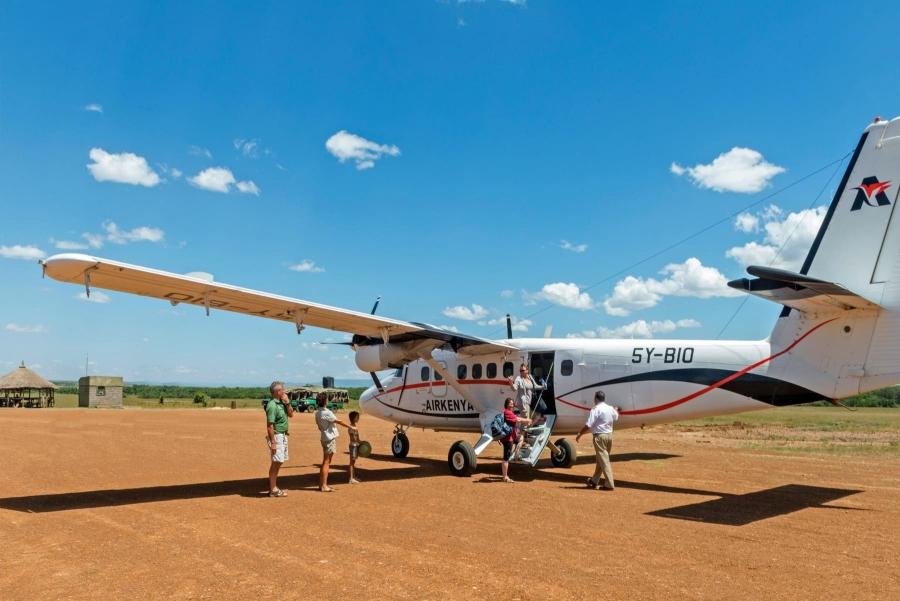
– Where you are visiting and in what means, you have the option to choose between fly-in Kenya safaris or by road, using a comfy 4 X 4 Land Cruiser jeep with open rooftop. The cost for the two greatly differ.
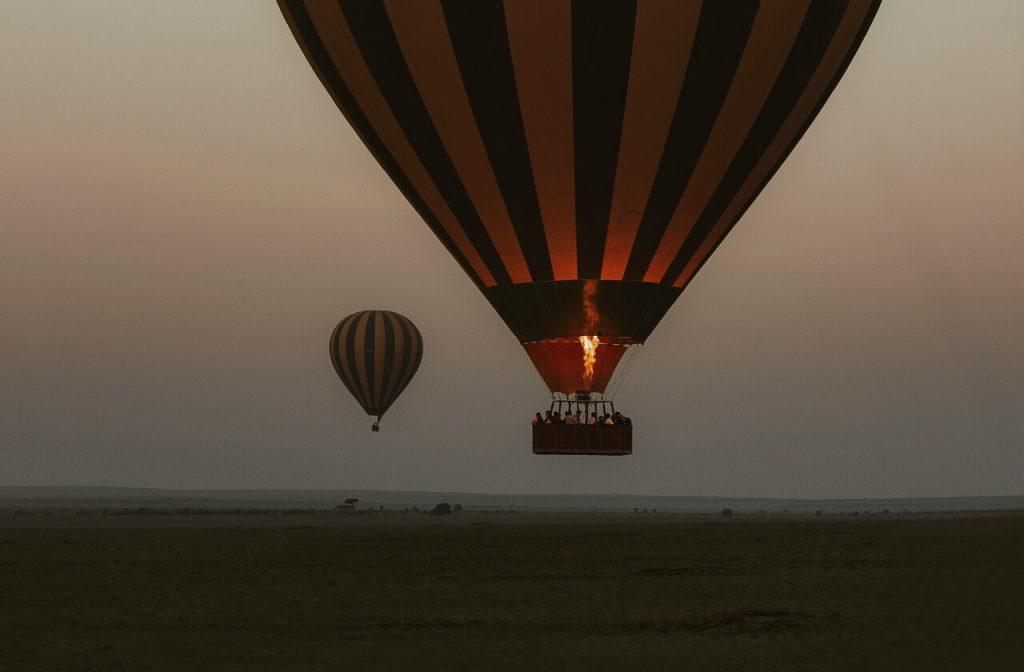
– Your choice of additional safari activities which range from inclusive wildlife activities to optional activities like hot air balloon rides and visits to the Masai villages for cultural interactions.
Q. What animals can I see in Aberdare National Park?
About medicine on your trip to Kenya, we recommend anti-malarial medication no matter what time of year you plan on visiting Kenya for safari. Kindly consult with your doctor at home for advice on the right choice of prophylaxis for your body well in advance of your departure date. Additionally, if you live in a yellow fever region or plan to travel through a region where it is endemic during your stay, you will need a yellow fever vaccination and certificate.
Q. When is Aberdare National Park open?
With hundreds of excellent luxury safari lodges and tented safari camps, you will be spoilt with lots of choices to pick from during your stay. But worry not, we will help you select the best lodges to stay in during your trip.
Additionally, when we talk about safari standards, the service level is high, with the ability to deliver the best luxury African safaris, suitable accommodations from lavish safari lodges to modern day boutique hotels and classic tented safari camps.
We shall share our list of top luxury accommodation options in Kenya – from eco-friendly architecture to the best luxury tented camps with a front-row seat to experience African wildlife mostly near game viewing hot spots like the Mara River where the Wildebeest Migration safari takes place. Our list of the best Kenya safari lodges also covers mid-range camps which can come in handy If you are travelling on budget.
Q. What’s the best way to see Aberdare National Park?
When you think of Africa, Kenya is most likely the image you have in mind. Therefore, some of the top 10 best places to visit in Kenya, include the following destinations;
- Masai Mara: Catch the Wildebeest Migration & all year-round excellent game-viewing.
- Lamu Archipelago: Experience a classic barefoot luxury beach experience.
- Nairobi City: Feed the giraffes and visit the baby elephant’s shelter.
- Mombasa & Kenya Beaches: Explore coastal family resorts & luxury lodges, good with family trips to Kenya.
- Amboseli National Park: Photography safari destination, watch the big tusked elephants and the best views of Mt Kilimanjaro.
- Ol Pejeta Conservancy in Laikipia: Kenya’s hidden gem; visit the chimpanzee sanctuary, feed and touch the blind rhino and spend your nights in some of the top luxury lodges.
- Mount Kenya: for the mountain trekking enthusiasts, go on a 5 days trekking tour at Mount Kenya (the second tallest mountain in Africa after Mount Kilimanjaro in Tanzania)
- Lake Nakuru: Excellent game viewing, from rhino’s, leopards, tree climbing lions, endangered giraffes to birdlife, Lake Nakuru has it all.
- Shaba and Samburu: Kenya’s hidden gem, more than a wilderness where the special 5 wildlife roam; additionally, all the big 5 are here.
- Kenya South-Coast beaches.
Q. What attractions are near Aberdare National Park?
When you think of Africa, Kenya is most likely the image you have in mind. Therefore, some of the top 10 best places to visit in Kenya, include the following destinations;
- Masai Mara: Catch the Wildebeest Migration & all year-round excellent game-viewing.
- Lamu Archipelago: Experience a classic barefoot luxury beach experience.
- Nairobi City: Feed the giraffes and visit the baby elephant’s shelter.
- Mombasa & Kenya Beaches: Explore coastal family resorts & luxury lodges, good with family trips to Kenya.
- Amboseli National Park: Photography safari destination, watch the big tusked elephants and the best views of Mt Kilimanjaro.
- Ol Pejeta Conservancy in Laikipia: Kenya’s hidden gem; visit the chimpanzee sanctuary, feed and touch the blind rhino and spend your nights in some of the top luxury lodges.
- Mount Kenya: for the mountain trekking enthusiasts, go on a 5 days trekking tour at Mount Kenya (the second tallest mountain in Africa after Mount Kilimanjaro in Tanzania)
- Lake Nakuru: Excellent game viewing, from rhino’s, leopards, tree climbing lions, endangered giraffes to birdlife, Lake Nakuru has it all.
- Shaba and Samburu: Kenya’s hidden gem, more than a wilderness where the special 5 wildlife roam; additionally, all the big 5 are here.
- Kenya South-Coast beaches.
Kenya Safari Reservations
Q. What type of clothes do I wear on Kenya safari?
Pack lightweight, comfortable, and casual clothing for a Kenyan safari, including long sleeves, pants, comfortable closed-toe shoes, a wide-brimmed hat, and layers for cooler mornings and evenings on game drives. For more details, we suggest you do your own safari packing essentials and find out what fits your interests.
Browse our safari clothing packing advice on what to pack for your African tour:
- Lightweight trousers /shorts and t-shirts remain ideal for the daytime drives.
- Lightweight jacket / fleece for the early mornings and evenings.
- Remember to also pack some warm socks and a woolly hat would be suggested for early morning and evening game drives.
- Hiking shoes
Other items we would suggest you bring along with you include:
- Sunscreen glasses & hat/cap
- Comfy Shoes / Sandals
- Flip Flops to wear during the day
- A Torch / Lamp
- Binoculars
- Phone/laptop charger
- Pack your medication, and a spare set of spectacles or contact lenses if you wear these.
Q. What is the best time to see the Masai Mara wildebeest migration in Kenya?
The best time to witness the dramatic Masai Mara wildebeest migration in Kenya is typically between mid-July through mid-September where your chances of witnessing a river crossing are generally much higher. In early October marks the end of the herd crossing the river from Kenya down into Tanzania, as thunderstorms begin in the north the herds will embark on their return journey back to the Serengeti.
Checkout our Migration safari offers.
Q. Kenya Vs Tanzania: Which Is Better for an African Safari?
Choosing between Kenya and Tanzania for an African safari depends on personal preferences, BUT Kenya is the most chosen being cost & budget friendly during both high and low seasons. Secondly, when it comes to the best places to stay in Kenya and Tanzania, both destinations offer fantastic accommodations. Thirdly in terms of Big 5 sightings, the wildebeest migration & general game viewing, both destinations are safari heavyweights. In terms of privacy and extending your safari beyond game drives, there are more private conservancies in Kenya than Tanzania which offer you plenty of activities inside the park.
Lastly, Kenya safari is the most sought-after destination for the world’s best safari experiences, evident from the large number of celebrities visiting year in year out.
Q. Will I have a private vehicle or shared game drives with other people?
We tend to enforce a maximum person per vehicle policy of 6. Meaning, although you’ll be sharing with other guests, everyone will get a side-view seat with unhindered views.
Some trips are designed in such a way that a private vehicle and guide are included for a portion of the trip, but the use of a private vehicle throughout your safari comes at an additional cost.
Kenya Flying Safaris
Q. How many days do you need for an Africa safari?
The ideal duration for an East Africa safari package often ranges from 5 to 14 days, this allows you to enjoy a comfortable and a well-rounded rewarding safari experience during this African tour package. It also depends on the destinations you will visit, wildlife interests, and personal preferences.
Q. What do I do in case of an emergency?
We have a 24 hour emergency line. If anything goes south, we’re ready to assist you regardless of time or date.
Q. Are there malaria mosquito nets in Africa safari tented camps?
Many tented camps in Africa provide fitted mosquito nets in all rooms which are also insect proofed to protect you against malaria mosquito bites and other insect bites, ensuring a comfortable and safe stay.
It’s also advisable to carry insect repellent to further protect yourself especially in the outdoors during evenings.
Q. Is there Wi-Fi at the safari lodges & tented camps on safari?
Almost all Africa safari lodges and tented camp accommodations during your safari provide free Wi-Fi. You’ll find this available in all three accommodation levels – comfort or luxury accommodations.
Wi-Fi is provided in the public areas of the safari lodges/tented camps including the reception, dining areas, and lounge. It is not provided in the individual rooms/tents.
Moreover, because you will be inside a wilderness park, we still request that you come prepared with your own network data to avoid any inconveniences.
Kenya Safari Payment Methods
Q. Do you provide drinking water on safari?
East Africa is within the tropics and near the Equator, separating the northern and southern hemispheres. The tropical temperatures are relatively high on the safari route and even within the national parks/game reserves.
Because you’ll need to frequently hydrate during your safari, we ensure unlimited supplies of drinking water.
All Vulture Africa Safari vehicles are fitted with a cooler box or mini fridge with a constant supply of cool, bottled water.
We replenish our supplies of drinking water during stops along the safari route.
Here’s everything you need to know about packing for your Africa safari trip.
Q. Are mosquito nets provided in safari lodge rooms/tents?
We carefully research and choose our selection of top safari lodges and tented camps to offer the best in terms of comfort, relaxation, amenities, and atmosphere during your safari.
We fully understand the need for your protection against mosquitos and other insects.
All rooms/tents during your safari are fitted with mosquito nets or are insect-proofed to protect you against bites.
Tented camp showing bedroom with mosquito nets
You are also advised to use insect repellent to further protect yourself especially outdoors in the evenings.
Q. Is it possible to store excess luggage while on safari?
Vulture African Safaris understands that your holiday travel may be lengthy and could involve different activities during your trip. You may find the need to store some of your luggage at various times.
You can safely store your extra luggage at our Nairobi office for safekeeping until you have completed your safari.
This is a free service extended to all our safari guests.
Packing luggage for an East African safari holiday tour
Additionally, our 4×4 safari Jeeps accommodate generous luggage space in its rear luggage compartment.
Q. Do you handle requests for special dietary needs?
Kenya and Tanzania welcomes visitors from all over the world and their diverse diet preferences. These preferences may be due to religious beliefs, lifestyles, or health concerns.
The menus in all safari lodges & tented camps are continental cuisine however, vegetarian, kosher, halal, gluten-free, etc. meals are also provided.
We request you indicate your special diet needs during safari booking/confirmation.
Why Book Your Safari in Advance?
Q. Do you provide airport hotel airport transfers when we arrive and depart Nairobi?
As part of our safari tour services, Vulture African Safaris provides free pickup and return to the airport/hotel for any guests who are booked for a 3-day or more safari tour with us.
The transfers are provided even if you arrive or depart several days before or after your safari start/end.
Please let us know your arrival & departure flight details including airline codes and arrival/departure times. We will provide you with the name of your driver and telephone contact in advance of your arrival/departure.
Q. Do you book or can you recommend a Nairobi hotel for our pre or post-safari stay?
If you are arriving in Nairobi earlier than your safari starting date or are intending to stay a few days more after your safari finish, you will require a Nairobi hotel.
Our listed safari tours and advertised prices do not include your Nairobi hotel.
Nairobi has a wide range of hotels in the economy, comfort, and luxury categories suitable for your 1 night or extended stay.
As part of your safari tour, Vulture Africa Safaris will pick you up at the airport and bring you to your respective Nairobi hotel or residence. This includes most areas around Nairobi.
We suggest that you look up and book online your preferred Nairobi hotel. If you should require advice, suggestions, or booking assistance for your Nairobi hotel, we will be happy to assist.
We can make suggestions depending on your budget and what area of the city you are interested in staying.
Q. Can we purchase a local Sim card for use while in Kenya?
A Kenyan Sim card will greatly reduce your telephone roaming bills during your visit and while on safari in Kenya
1 GB of data costs an average of $5.
Safaricom, a telco provider in Kenya is the market leader with the best national coverage and better deals.
Sim cards can be purchased from official stores or approved resellers. You can purchase them at the Nairobi airport upon arrival. Cost is approximately $1 or Ksh.100
To purchase local sim cards, you are required to have a Sim-unlocked GSM-compatible phone.
Q. What are your recommended safari tipping guidelines?
Tipping in guidelines for Kenya and Tanzania safaris – although not mandatory, is expected in return for good service.
All hotels, lodges, and porterage gratuities are included in the cost of your safari – these are collectively referred to as the service charge.
You may also decide to tip individual waiters, porters, and other hotel service employees who provide exemplary service. Usually, $1 – $5 per meal or move is appropriate and appreciated.
It is, however, customary to tip your safari driver/guide at the end of the safari tour. The amount is dependent on your evaluation of the quality of the service rendered. An average of $10 per guest per day or 5-10% of your safari-only cost is suggested. However, the amount is at your discretion – you are welcome to provide additional compensation to any staffer who has provided special services. A bar gratuity of $1 is acceptable.
You may tip in Kenya shillings, USD, or in Euro at the end of your safari and preferably in an envelope.