Required Vaccinations for African Safaris
So, you’ve just finished all the planning for an African safari trip then you come across the question what vaccinations do I need for an African safari? For most travelers especially on a first time African trip, this sounds confusing.
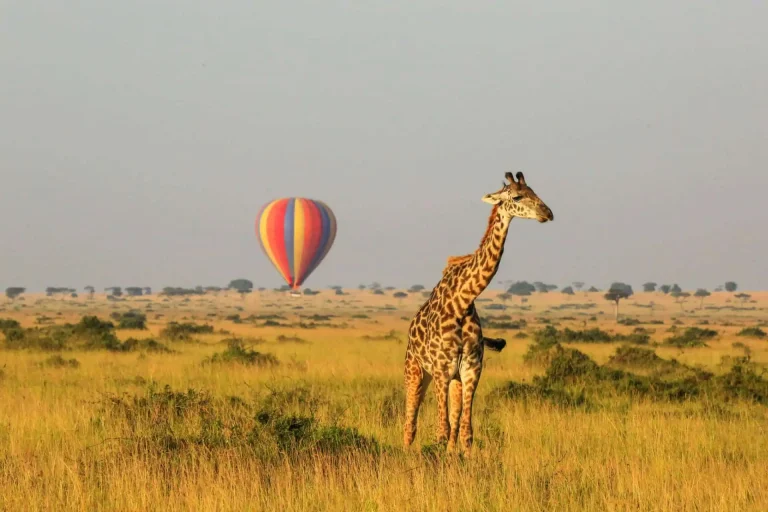
There is no doubt that an African safari tour is the experience of a lifetime. All safari-goers have options to view wildlife using different means: From land-based safaris (traditional guided safaris, open air-conditioned safari jeeps), On the water (in a dugout canoes, boats) from the air (private aircraft, hot air balloon or helicopters), and mountain trekking tours with expert licensed guides in well-scouted settings offers another opportunity to see wildlife up close but what about your health during all these adventures?
Lucky for you, we’ve done all the work to ensure that you have a smooth African holiday, one without second guesses and hesitation.
Infectious Disease Risks & Travel Vaccinations
Below we openly discuss the health, safety, and comfort issues that safari-travellers are most likely to encounter and the best way to avoid such cases by taking the required vaccinations for travel to Africa. First and foremost, a pre-travel consultation with your home doctor or a travel medication specialist is important.
Another important thing to consider when it comes to Africa travel vaccines, they take time to become effective in your body, therefore we advise travelers to seek vaccinations as early as possible prior to planned African holidays.
These are the multiple African travel vaccinations required for healthy safari tour.
Kids On Safari
Intestinal Infections and Diseases
Gastrointestinal infections can cause symptoms such as diarrhea and vomiting. They can be bacterial, viral, or parasitic. Treatment may include rest, hydration, and medication, depending on the type of infection.
Travelers should carry any medications with them on safari because access to authentic drugs is not guaranteed in remote locations. Travelers should consult a physician or home doctors before travelling always.
Cholera
Cholera is an acute diarrheal infection caused by eating food or drinking water contaminated with the bacterium Vibrio cholerae. Access to safe water, basic sanitation and hygiene is essential to prevent cholera and other waterborne diseases.
Cholera causes sudden and continuous passing of watery stool and sometimes vomiting. This leads to rapid loss of water and salts from the body, making the person generally weak.
Cholera Prevention on Safari
If any traveler develops signs and symptoms of cholera during the safari, we immediately advise them to start taking oral rehydration solution or other fluids at the earliest opportunity. Always wash your hands and make sure that you don’t drink tap water while on an African holiday, and make sure that your surrounding is clean.
Cholera vaccine is not needed for safari-goers unless they are planning a side trip to work in a refugee camp or do humanitarian aid work in an affected country.
Bring Medicine
Hepatitis A
Hepatitis A virus is transmitted through ingestion of contaminated food or water or through direct contact with an infectious person. Hepatitis A is among the most common vaccine-preventable infections acquired during travel.
Hepatitis A Prevention on Safari
The disease is closely associated with unsafe water or food, inadequate sanitation, poor personal hygiene and oral-anal sex.
Vaccination is recommended for travelers to Sub-Saharan Africa, including safari-goers.
Travelers' Diarrhea
Travelers’ diarrhea is the most common travel-related illness and is common on safaris. Travelers’ Diarrhea is caused by eating contaminated food or drinking contaminated water. Luckily, traveler’s diarrhea usually isn’t serious in most people — it’s just unpleasant while on a safari.
It is believed that when you visit a place where the climate or sanitary practices are different from yours at home, you have an increased risk of developing traveler’s diarrhea.
Travelers’ Diarrhea Prevention on Safari
To reduce the risk of traveler’s diarrhea, be careful about what you eat and drink while traveling. It’s a good idea to have doctor-approved medicines with you when you travel to high-risk areas. Travelers are advised to carry antimotility medicine for symptomatic relief of mild Travelers’ Diarrhea. In case of moderate to severe Travelers’ Diarrhea consider the prescription of antibiotic therapy provided with clear written guidance about the prevention and step-by-step instructions about how and when to use medications.
No vaccines are available for most pathogens that cause Travelers’ Diarrhea. If you do develop traveler’s diarrhea, chances are it will go away without treatment.
Typhoid Fever
Typhoid fever is a bacterial disease caused by Salmonella typhi. Typhoid fever vaccine generally is recommended for safari-goers. Because vaccination does not confer 100% protection, even vaccinated travelers should avoid consumption of potentially contaminated food and water. Typhoid fever is a life-threatening infection that affects millions of people each year.
Typhoid fever is rare in places that treat water to kill germs and manage human waste well.
Typhoid Fever Prevention on Safari
Antibiotics can treat typhoid fever, but some antibiotics no longer work against the typhoid fever bacteria. Especially if your body is used to taking antibiotic, this is called antibiotic resistance.
Carry
Respiratory Infections and Diseases
Respiratory illnesses (e.g., COVID-19, influenza, tuberculosis [TB]) can spread between people and from people to the wildlife they encounter.
Coronavirus Disease (COVID-19)
According to Centers for Disease Control and Prevention (CDC) – In zoos and animal sanctuaries, big cats (e.g., cougars, lions, pumas, tigers, snow leopards) and mountain gorillas have tested positive for SARS-CoV-2, the virus that causes COVID-19. Travelers should check with tour operators and park websites ahead of travel for up-to-date requirements and follow park requirements to help keep both wildlife and people safe and healthy.
COVID-19 Prevention on Safari
Getting a COVID-19 vaccine is a safer, more reliable way to build protection than getting sick with COVID-19.
Influenza And Tuberculosis (TB)
From the CDC reports and statements, while on safari, when trekking, or when visiting local communities, travelers can potentially encounter livestock species susceptible to influenza (e.g., chickens, pigs, waterfowl) and TB (e.g., cows). Chimpanzees, gorillas, and other wildlife are also susceptible to influenza and TB.
All persons with respiratory illness must refrain from wildlife trekking or other activities that involve close contact with wildlife. The influenza season is from April–September in the Southern Hemisphere and year-round in countries near the equator. Therefore, it is recommended that travelers are up to date with the influenza vaccine.
Influenza And Tuberculosis (TB) Prevention on Safari
Bacille Calmette-Guérin (BCG) is the vaccine for tuberculosis (TB) disease. This vaccine is not generally used in the United States. The vaccine can cause a false-positive TB skin test reaction.
A strong recommendation from a health care professional can be a critical factor in whether their patients get an influenza vaccine.
Take Measures
Soil- And Waterborne Infections
Schistosomiasis
Freshwater lakes, ponds, and rivers all pose a risk for exposure to Schistosoma species, a parasite found in freshwater snails.
Schistosomiasis Prevention on Safari
At the time of writing, there is currently no approved vaccine available for treatment of schistosomiasis. Schistosomiasis disease is instead managed using chemotherapy drugs such as praziquantel, though reinfection frequently occurs. Please consult your doctor first.
Vector-Borne Diseases
Travelers should take steps to avoid arthropod bites to reduce their risk for vector-borne infections.
Mosquitoes, ticks, and fleas that spread germs (pathogens) are called vectors. A person who gets bitten by a vector and gets sick could have a vector-borne disease (VBD).
Vector-Borne Diseases Prevention on Safari
Everyone is at risk of getting sick from germs spread by infected ticks, mosquitoes, fleas, and other vectors. The vaccines are available for travelers, few vaccines are available for vector-borne diseases. However, travelers can protect themselves. People traveling to areas with risk for the following viruses can discuss vaccination with their healthcare provider.
Chikungunya, Dengue, Zika
Chikungunya, dengue, and Zika are arboviruses transmitted by Aedes species mosquitoes in game parks throughout Africa. Aedes mosquitoes predominantly bite during the day.
Chikungunya, Dengue, Zika Prevention on Safari
Travelers should consider carrying insect repellants, and avoid wearing bright clothes that attract all kind of flies. Travelers should also consider wearing long sleeved outfits while out trekking, and also consider wearing protective boots while on game drives.
Malaria
According to the Centers for Disease Control and Prevention (CDC), Malaria is endemic to Sub-Saharan Africa, and transmission occurs in most game parks. Most infections are caused by Plasmodium falciparum. All P. falciparum in Sub-Saharan Africa is considered chloroquine-resistant. Safari activities often include sleeping in tents and observing animals at dusk or after dark, sometimes near water holes, all of which increase the risk for exposure to malaria-carrying Anopheles mosquitoes.
Malaria Prevention on Safari
Travelers should consider the following appropriate malaria chemoprophylaxis and personal protection—wearing long-sleeved shirts and long pants, using insect repellents, and sleeping under permethrin-impregnated mosquito netting—are essential.
Drugs to prevent malaria differ by country of travel.
Consider the timing of when to start and stop chemoprophylaxis. Some medications require patients take them weeks in advance of travel and continued after leaving the malaria-endemic area.
Rickettsial Diseases
The African tick bite fever is endemic to much of Sub-Saharan Africa; among returning travelers, it is the most commonly diagnosed rickettsial disease. Travel-associated cases of African tick bite fever often occur in groups of people exposed while participating in common activities (e.g., bush hiking, safari tours).
Rickettsial Diseases Prevention on Safari
Travelers can protect themselves from infection by taking precautions to prevent tick bites. We recommend bug bite prevention strategies to international travelers like the use of insect repellents and sunscreen. Use just enough repellent to cover exposed skin or clothing. Heavy application and saturation are generally unnecessary for effectiveness.
Trypanosomiasis (Tsetse Flies)
Day-biting tsetse flies transmit African trypanosomiasis (sleeping sickness), a disease only rarely seen in travelers. Several reports from CDC document trypanosomiasis in travelers returning from visits to national parks or game reserves.
Trypanosomiasis (Tsetse Flies) Prevention on Safari
We recommend bug bite prevention strategies to international travelers like the use of insect repellents and sunscreen. Use just enough repellent to cover exposed skin or clothing. Heavy application and saturation are generally unnecessary for effectiveness. Travelers should avoid bright clothes, and consider wearing neutral-colored clothing to prevent bites from the flies.
Check Your Country
Yellow Fever
According to WHO, travelers going on an African safari should consult a travel medicine specialist for the very latest information regarding yellow fever at their destination. Currently, the Centers for Disease Control and Prevention (CDC) and World Health Organization recommend yellow fever vaccination for much of Sub-Saharan Africa.
Some countries require proof of yellow fever vaccination in the form of a valid International Certificate of Vaccination or Prophylaxis, also known as the “Yellow Card,” as a condition of entry/ visiting that particular country. Travelers should ask or checking the requirements for each country on their itinerary, including countries they only transit through on the way to their destination.
Yellow Fever Prevention On Safari
A Yellow Fever Vaccine is recommended depending on where you are travelling from and where you are visiting.
Yellow Fever Vaccine Recommendations
Yellow fever vaccine is recommended for people who are 9 months old or older and who are traveling to or living in areas at risk for yellow fever virus in Africa and South America.
The vaccine is a live, weakened form of the virus. For most people, a single dose of yellow fever vaccine provides long-lasting protection, and a booster dose of the vaccine is not needed. However, travelers going to areas with ongoing outbreaks may consider getting a booster dose of yellow fever vaccine if it has been 10 years or more since they were last vaccinated. Certain countries might require you to get the vaccine.
Talk to your healthcare provider to determine if you need a yellow fever vaccination or a booster shot before your trip to an area at risk for yellow fever.
Mountain Sickness
Environmental Hazards and Risks
Altitude Illness and Acute Mountain Sickness (Mountain Trekking)
Travelers who wish to go mountain trekking in Kenya and Tanzania or the larger mountain ranges within the East Africa Region should adequately prepare for temperature variations on their trek to the summit.
The most common risk that mountain climbers face is altitude illness. Travelers climbing with a guide service should check that guides are trained to recognize and are equipped to treat altitude sickness.
Altitude illness occurs when the body fails to adjust to elevated height levels, usually at 3,048 m (10,000 ft) or higher. Symptoms may include shortness of breath, fatigue, vomiting, rapid heart rate, dizziness, nausea, or headache.
Altitude Mountain Sickness Prevention on Safari
There is no vaccine for mountain trekking expeditions.
People using the carbonic anhydrase inhibitor acetazolamide are much less likely to develop Altitude Mountain Sickness, while some people taking this same medication will still report AMS symptoms.
For any traveler planning to ascend to elevations greater than 8,000 ft, be sure to discuss the signs and symptoms of altitude illness and provide guidance on its prevention and treatment.
We advise the following best ways to prevent Mountain Sickness;
Acclimatization tips for climbing Mt. Kenya and Mt. Kilimanjaro
Before attempting to climb Mt. Kilimanjaro (5,895 m; 19,340 ft), travelers can acclimatize by first hiking the following:
Ngorongoro Crater (2,286 m; 7,500 ft); try to spend the last few nights here prior to climbing Mt. Kilimanjaro.
Point Lenana (4,895 m; 16,059 ft) on Mt. Kenya; combined Mt. Kenya and Mt. Kilimanjaro climbing trips are available.
Add an extra 1–2 days to the planned ascent of Mt. Kilimanjaro:
Taking additional time facilitates acclimatization, regardless of the route taken to the top.
Extra time for acclimatization is beneficial for travelers taking routes normally promoted as 4- to 8-day trips.
Animal Bites and Wildlife-Related Injuries
It Is good to always stay alert during wildlife safaris in Africa, wild animals are unpredictable. Travelers should follow verbal and written instructions provided by safari operators and guides and should take extra precautions if camping or traveling without a guide in a national park.
Wildlife-related injuries usually occur when travelers disregard rules (e.g., when they approach animals too closely to feed or photograph them). People should never try to feed, handle, or pet unfamiliar animals, whether domestic or wild. If bitten or scratched by a monkey/chimpanzee, travelers should be evaluated for B virus post-exposure prophylaxis.
Rabies still exists throughout Africa; dogs and bats are the primary animal carriers. Travelers not to enter caves where bats roost and shelter. All travelers should properly clean the wound and consult a physician for rabies post-exposure prophylaxis in case of animal bites or scratches or suspected bat exposures (e.g., sleeping in a cabin or tent where bats are found).
Animal Bites and Wildlife- Injuries Prevention on Safari
Do not just go out exploring places and caves which you know nothing about, get a guide to escort you on outdoor adventures which involve moving in risk areas.
Consider pre-exposure prophylaxis for people whose planned activities will increase their chances of direct animal encounters (e.g., gorilla trekking, in Uganda and Rwanda, Chimpanzee trekking in Uganda, Rwanda, Tanzania and Kenya, adventure travelers, animal sanctuary visitors, campers, cave explorers [spelunkers], participants in veterinary care or wildlife management programs). Additional considerations for pre-exposure prophylaxis might include whether rabies immunoglobulin and rabies vaccination are available in the visited country in case of exposure.
Conclusion About African Safari Vaccinations
Travelers should work with their healthcare doctors & advisors to ensure that any underlying illnesses are managed before traveling to African safari countries.
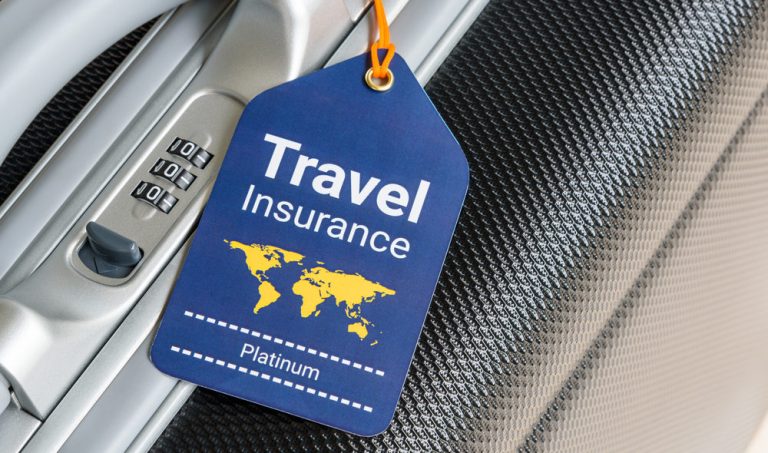
Before leaving your country, each traveler also should be certain they have international health insurance coverage. Because surgical support or other advanced health care might not be available in the destination country, as such, travelers need to purchase an additional medical evacuation insurance policy.
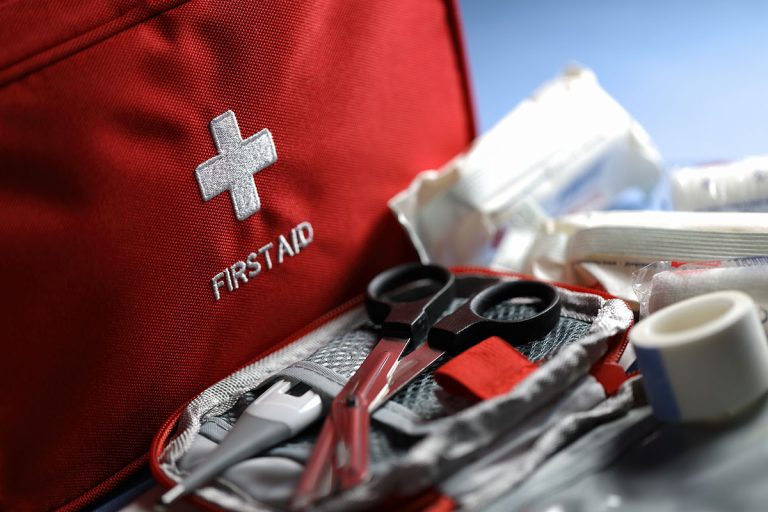
All travelers are encouraged to carry a personal medical kit with just sufficient medication to treat allergies, chronic conditions, routine health needs, and emergencies.
Travelers with food allergies – some food labels might not clearly indicate potential allergens and that lack of emergency services and language barriers can compound the risk for any severe allergic reaction that requires emergency medical care. For allergies, World Health Organization prescribes an epinephrine auto-injector for severely allergic travelers.
Best Kenya Safari & Beach Tours
Browse our favorite Kenyan beach holiday packages or simply get in touch with one of our Africa safari experts to help custom-make a Kenyan beach holiday that matches your travel wishes. You can enjoy safaris in Kenya national parks on the mainland, then follow it up with a relaxed beach holiday at Malindi or Diani. Get to know the coastal Kenya, and what’s possible on your trip to these Indian Ocean beaches, discover some of the best-loved experiences and safari routes that we’ve found working particularly well with our travelers.