
African Horseback Safaris
Remember, all our itineraries are totally flexible and can be changed to suit you.
Africa Horseback Safaris
One of the most adrenaline-charged activities; experience our exciting horse riding safaris in Africa as you explore the raw wilderness of Masai Mara on a horseback.
Horseback safaris in Africa are yet another fantastic way to see the land and wildlife; these rides take you into the most wildlife rich areas of Kenya and Tanzania. Kenya horse riding safaris boasts the best chances to ride alongside the celebrated Wildebeest Migration Safaris. Picture yourself riding alongside the massive herds of wildebeests and zebras as they migrate from Serengeti National Park into the Masai Mara.
With flexible scheduling, morning and afternoon rides – choose the ideal ride duration and time of day to fit your preferences for your Horse safari in the Masai Mara. Riders need to be confident to ride from camp to camp across mixed terrains where they can meet the unexpected at any turn, spending 1 -hour to 7-hours.
However, keep in mind – Horseback tours in Masai Mara are not permitted right inside the main Reserve and are therefore only offered in surrounding areas of the larger Maasai Mara regions which includes private conservancies and game ranches.
Masai Mara on horseback involves accommodations often in the form of mobile safari camps which move along with the planned horse ride. These mobile camps are top-notch above any basic camping and include comfortable bedding inside tents which may vary from deluxe type camps more primarily 2 or 3 man tents but with various facilities included such as freshly cooked meals and help with pitching camp.
The other locations in Kenya where horseback riding tours are done include Laikipia, Amboseli, Mount Kenya and Lake Naivasha area.
Riding Wild, Safari On Horseback
Horse Riding Safaris in Kenya
Discover exciting horse riding holidays in Africa which promise incomparable game viewing encounters.
If you’re someone who craves wilderness adventure and wants to explore the African wilderness from a different viewpoint, horse safari in Kenya can provide that exhilarating off-the-beaten-path adventure; ride right up to animals such as giraffe, zebra, impala, waterbuck, eland, ostrich, baboons and many more.
Kenya without doubt boasts the best horse safaris; riders, non-riders, families, couples, groups and solo adventurers alike there is something for everyone whether you’re a beginner; the safari is designed in such a way that it enables even first time riders to enjoy this unique experience. As for advanced riders, you can join a night out under the stars with the horses fly-camping as you sleep in the wilderness with your horse tied nearby.
However, horse riding in Kenya goes beyond Masai Mara – the other best horse riding locations in Kenya include; Laikipia safari areas of Borana Lodge, Lewa Wilderness, Sosian Lodge & Chyulu Hills’s Ol Donyo Lodge.
The price rates for horse riding safari: The rates start from USD 200 per person for two hours to USD 1000 per person and this includes breakfast/sundowner out on the plains of the Masai Mara or Laikipia safari areas respectively; a totally private experience.

What To Expect On An African Horse-Riding Safari
Discover top horseback safari destinations and experiences with expert guides.
1. Up-Close Big Five Wildlife Sightings
Explore Kenya’s landscape and the thrill of being close to magnificent animals. Ride alongside elephants, buffalos, marvel at diverse birdlife, giraffes and often big cats like lions and cheetahs on horseback, and when the migration arrives, it gives you the once-in-a-lifetime experience riding alongside herds of wildebeest and zebras.
2. Expert Horse Guides
When planning a horse riding safari in Kenya, expect professional horse guides, face to face wildlife encounters that will take your breath away and an authentic bush life experience. Horse riding adventures in Kenya’s Masai Mara delivers some of the best game viewing opportunities at the backdrop of one of Africa’s most iconic park; an experience that will only leave you wanting more.
3. Watch Wildebeest River Crossings on Horseback
Experience river crossings at the Mara River while on horseback rides, a thrilling experience. Let’s follow the footsteps of the herds of wildebeest and under the watchful eye of pods of hippos and crocodiles is an experience you’ll never forget
Big Five Safari on Horseback
4. Stay In Luxury Safari Lodges
You can choose horseback lodge to lodge rides for those who desire a more luxurious accommodation, rather than a mobile tented safari camp. However, keep in mind there is a strict weight limit of 15 stone/210 lbs/95 kg.



Top 5 Best African Horseback Safari Destinations
Discover top horseback safari destinations and experiences with expert guides.
A wide variety of horseback safaris are available across the continent, but these mentioned areas stand out as the best. Here are our top six African horseback safaris, and among the unforgettable Horse-Riding Safari Destinations in Africa.
Home to Big Five Wildlife
1. Safari Horse Riding In Masai Mara
This is Africa’s most popular safari destination, the Masai Mara Park, which offers an excellent atmosphere for horseback riding. Immersion in the vast plains is possible with horse riding safaris in the Masai Mara, where you can ride alongside zebras, giraffes, elephants, and even the renowned Big Five. The experience of travelling during the Great Migration River crossings is simply unparalleled; you might be able to canter with gazelles and wildebeest as they move through the savannah in their millions. Horseback riding is a highlight of any African safari in Kenya because it provides a 360-degree view and the freedom to explore areas that are inaccessible by car, unlike being confined to a vehicle.
2. Horseback Safari In Amboseli
Another Kenya’s excellent destination for a horseback safari is Amboseli, which is situated against the famous Mount Kilimanjaro. Riding here offers visitors the opportunity to see wildlife encounters from a different angle and is well-known for its vast vistas and large herds of elephants. A memorable Kenyan vacation is made possible by the striking contrast between the open plains and Kilimanjaro’s towering peak.
3. Horse Riding In Laikipia
For those looking for a more exclusive and private riding safaris, Laikipia, which is north of Nairobi, is a hidden gem. The region is home to a variety of wildlife, including endangered species like wild dogs and Grevy’s zebra. Riders can experience a wide range of terrain and abundant biodiversity as they travel through vast ranchlands, forests, and river valleys. Laikipia’s isolation makes it the perfect destination for tourists seeking a more individualised Kenyan experience and a way to escape the crowds.
4. Horseback Safaris In Chyulu Hills
Sandwiched in between Amboseli Park and Tsavo, the Chyulu Hills provide a distinctive horseback riding experience through open grasslands, rolling green hills, and volcanic landscapes. This area, sometimes referred to as the “Green Hills of Africa,” is home to a variety of wildlife and provides amazing riding conditions. For those seeking a blend of adventure and peace, the scenery here is particularly alluring.
Recommended Horse Riding Safari In Africa
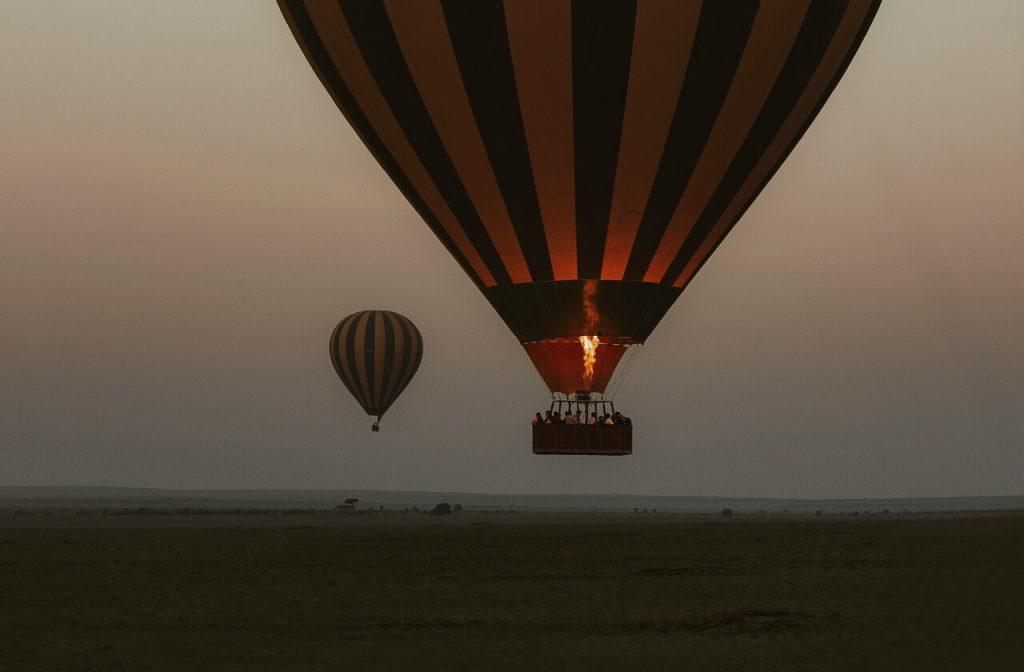
With plenty of exciting safari activities. The following is what travellers most enjoyed about tours to Kenya. Going on a game drive, great birdlife photography safaris, experience the Great Wildebeest Migration, float over the Masai Mara in a hot air balloon, guided walking safari through the wilderness plains to scenic Helicopter flights just to mention a few, Kenya has no shortage of experiences.
Horse Safaris In Africa
1. Okavango Delta, Botswana
A horseback safari in the Okavango Delta offers a serene and exclusive horse-riding experience. Remember these are areas you’d never normally be able to reach, as areas of these plains experience flooding, making them inaccessible to vehicles. Explore the delta’s channels and islands on horseback, spotting giraffes, elephants, and more. This means you get to experience a safari with miles of uninterrupted, fast-paced riding, through an untouched African utopia. Along the way, you’ll see the Okavango Delta’s remarkable wildlife, including zebra, giraffe, elephant and buffalo, to name just a few.
2. Laikipia & Masai Mara, Kenya
Experience the magic of the Masai Mara on horseback, with its vast plains teeming with wildlife. Witness the Great Migration and enjoy thrilling rides across the savannah.
Additionally, Laikipia Plateau is the perfect setting for a horseback safari, boasting typically idyllic African landscapes featuring a host of natural beauty. The region is rich in rare species, giving you the chance to spot uncommon animals while on your African safari adventure.
Located in the heart of Laikipia Plateau, Sosian Lodge offers guests a full range of horseback safari options to choose from, including overnight safaris, where they can enjoy a magical night camping under the stars.
3. South Africa – Waterberg & Tswalu Kalahari
The Waterberg region provides a fantastic setting for horse-riding safaris, with its rolling hills and diverse wildlife. It’s ideal for riders of all levels, offering both scenic trails and exciting game viewing opportunities.
Tswalu Kalahari is a privately owned game reserve in the Northern Cape and South Africa’s largest private game reserve. A tranquil and inspiring horseback safari is a great way to enjoy the park, they typically are short, easy going and slow paced, making them perfect for those who are embarking on their first horseback adventure.
4. Namibia – Damaraland
Namibia offers breathtaking desert landscapes and untouched wilderness areas, perfect for adventurous riders. Explore the Namib Desert and Damaraland for a unique and exhilarating experience.
5. Uganda – Lake Mburo National Park
For a less crowded experience, Uganda’s Lake Mburo National Park offers scenic horseback rides amidst a variety of wildlife, including zebras and impalas.
6. Zambia – Zambezi River
Chundukwa River Lodge in Zambia offers short to multi-day horseback rides along the Zambezi River, providing a unique blend of riverine landscapes and wildlife viewing.
Best Horse Riding Safari Packages
Browse some of our favorite places which promise a more intimate adventure especially for travelers longing for a more private safari experience far away from the crowds with plenty of flexible safari activities. Maybe you’re planning your honeymoon safari in Africa or rather you just desire a more private family safari experience just know that you have plenty of options to choose from.
9 Days | 8 Nights
Top Kenya Air Safaris
FAQ’s About Horse Riding Holidays Africa
Q. Why go on a horseback safari in Kenya?
Get closer to wildlife
A Kenya horseback safari is a non-intrusive way of seeing wildlife up close. Animals tend to be less disturbed by the presence of horses compared to vehicles or people on foot, enabling you to have more natural wildlife encounters.
Explore hard-to-reach areas
While on a horse, you’re able to get to areas that are otherwise off-limits on a game drive. This enhances your safari experience as you’re able to see more environments and the animals that call them home.
Ride alongside wildlife
A horseback safari in Kenya gives you the incredible experience of riding alongside zebras, giraffes, and antelope in stunning landscapes. This is a whole different experience compared to game drives, as you’re able to get closer to these incredible animals.
Be immersed in nature
Traversing Kenya’s plains on horseback allows you to develop a more intimate connection with nature. As you move quietly across the land, you’re able to notice more things and pick up the finer details.
For all experience levels
Guided horseback safari tours are perfect for both experienced and beginner riders. Most safari operators cater to families with beginner riders as well as seasoned riders who are able to gallop across the Masai Mara.
Perfect addition to a traditional safari
Make the most of your safari in Kenya by combining a horseback tour with traditional game drives. This variety will give you the opportunity to see more wildlife.
For adventure seekers and seasoned safari goers
A horseback safari in Kenya is an active experience that adventurous safari goers will love! If you’re a seasoned safari goer looking for a way to take your next holiday in Africa to another level, consider a horseback safari.
Q. Will I see the wildebeest migration on horseback in the Masai Mara?
The wildebeest river crossing migration is a movement of millions of animals following the rhythms of nature – so it is impossible to predict where they might be. The riding route is in the paths of the wildebeest migration, so you may get to experience the magic of riding amongst the herds, a surreal feeling that you will never forget! If you have your heart set on witnessing the death-defying wildebeest river crossings, we suggest adding a few days on a vehicle safari where you can dedicate more time to this and travel further afield.
Q. Do I need a yellow fever vaccination for Kenya?
Yes, you need yellow fever vaccination for Kenya. Kenya is considered a Yellow Fever risk country and you may be asked for a vaccination certificate on arrival, or when travelling to other African countries. The Yellow Fever vaccination is given as a single injection at least ten days before travelling and offers lifelong protection. We highly recommend consulting with your doctor or visiting a travel clinic before you travel.
Q. When is the best time to visit Kenya?
As for the documentations you need for your holiday in Kenya, keep in mind entry requirements can change, so please contact your local Kenyan embassy or high commission to verify that the following information below is up to date.
-A passport is required for all foreign visitors and must be valid for at least six months.
-No visa is required. Instead, all visitors must apply for an Electronic Travel Authorisation (eTA).
-Visitors must apply in advance for the eTA on www.etakenya.go.ke.
-The standard processing time is three days, but you can apply up to three months prior to travel and early application is recommended.
-When arriving from a yellow-fever-infected country in Africa or the Americas, a yellow-fever vaccination certificate is required.
-For more information we strongly direct checking the website of your local Kenyan embassy/high commission or the government travel advisories below:
Australia – www.smartraveller.gov.au
Canada – travel.gc.ca
EU Member States – ec.europa.eu
Ireland – www.ireland.ie
New Zealand – www.safetravel.govt.nz
United Kingdom – www.gov.uk
United States – travel.state.gov
Q. How much does a safari in Kenya cost?
The cost for a Kenya safari starts from USD $250 to USD $2,500 per person per day depending on your level of safari; either travelling on a mid-range comfort safari or a luxury Kenya safari. Talk to one of our African travel experts to ensure the best Kenya safari experience in line with your time and budget. Your final Kenya safari cost depends on the following factors:
Time of year you’re travelling; low and high season prices.
Your choice of luxury safari lodges and tented safari camps.
Duration of your stay in Kenya.
Where you are visiting and in what means, you have the option to choose between fly-in Kenya safaris or by road, using a comfy 4 X 4 Land Cruiser jeep with open rooftop. The cost for the two greatly differ.
Your choice of additional safari activities which range from inclusive wildlife activities to optional activities like hot air balloon rides and visits to the Masai villages for cultural interactions.
Q. What medication do I need for Kenya safari?
About medicine on your trip to Kenya, we recommend anti-malarial medication no matter what time of year you plan on visiting Kenya for safari. Kindly consult with your doctor at home for advice on the right choice of prophylaxis for your body well in advance of your departure date. Additionally, if you live in a yellow fever region or plan to travel through a region where it is endemic during your stay, you will need a yellow fever vaccination and certificate.
Q. Where to stay on safari in Kenya
With hundreds of excellent luxury safari lodges and tented safari camps, you will be spoilt with lots of choices to pick from during your stay. But worry not, we will help you select the best lodges to stay in during your trip.
Additionally, when we talk about safari standards, the service level is high, with the ability to deliver the best luxury African safaris, suitable accommodations from lavish safari lodges to modern day boutique hotels and classic tented safari camps.
We shall share our list of top luxury accommodation options in Kenya – from eco-friendly architecture to the best luxury tented camps with a front-row seat to experience African wildlife mostly near game viewing hot spots like the Mara River where the Wildebeest Migration safari takes place. Our list of the best Kenya safari lodges also covers mid-range camps which can come in handy If you are travelling on budget.
Q. Where are the places to visit in Kenya?
When you think of Africa, Kenya is most likely the image you have in mind. Therefore, some of the top 10 best places to visit in Kenya, include the following destinations;
- Masai Mara: Catch the Wildebeest Migration & all year-round excellent game-viewing.
- Lamu Archipelago: Experience a classic barefoot luxury beach experience.
- Nairobi City: Feed the giraffes and visit the baby elephant’s shelter.
- Mombasa & Kenya Beaches: Explore coastal family resorts & luxury lodges, good with family trips to Kenya.
- Amboseli National Park: Photography safari destination, watch the big tusked elephants and the best views of Mt Kilimanjaro.
- Ol Pejeta Conservancy in Laikipia: Kenya’s hidden gem; visit the chimpanzee sanctuary, feed and touch the blind rhino and spend your nights in some of the top luxury lodges.
- Mount Kenya: for the mountain trekking enthusiasts, go on a 5 days trekking tour at Mount Kenya (the second tallest mountain in Africa after Mount Kilimanjaro in Tanzania)
- Lake Nakuru: Excellent game viewing, from rhino’s, leopards, tree climbing lions, endangered giraffes to birdlife, Lake Nakuru has it all.
- Shaba and Samburu: Kenya’s hidden gem, more than a wilderness where the special 5 wildlife roam; additionally, all the big 5 are here.
- Kenya South-Coast beaches.
Kenya Safari Reservations
Q. What type of clothes do I wear on Kenya safari?
Pack lightweight, comfortable, and casual clothing for a Kenyan safari, including long sleeves, pants, comfortable closed-toe shoes, a wide-brimmed hat, and layers for cooler mornings and evenings on game drives. For more details, we suggest you do your own safari packing essentials and find out what fits your interests.
Browse our safari clothing packing advice on what to pack for your African tour:
- Lightweight trousers /shorts and t-shirts remain ideal for the daytime drives.
- Lightweight jacket / fleece for the early mornings and evenings.
- Remember to also pack some warm socks and a woolly hat would be suggested for early morning and evening game drives.
- Hiking shoes
Other items we would suggest you bring along with you include:
- Sunscreen glasses & hat/cap
- Comfy Shoes / Sandals
- Flip Flops to wear during the day
- A Torch / Lamp
- Binoculars
- Phone/laptop charger
- Pack your medication, and a spare set of spectacles or contact lenses if you wear these.
Q. What is the best time to see the Masai Mara wildebeest migration in Kenya?
The best time to witness the dramatic Masai Mara wildebeest migration in Kenya is typically between mid-July through mid-September where your chances of witnessing a river crossing are generally much higher. In early October marks the end of the herd crossing the river from Kenya down into Tanzania, as thunderstorms begin in the north the herds will embark on their return journey back to the Serengeti.
Checkout our Migration safari offers.
Q. Kenya Vs Tanzania: Which Is Better for an African Safari?
Choosing between Kenya and Tanzania for an African safari depends on personal preferences, BUT Kenya is the most chosen being cost & budget friendly during both high and low seasons. Secondly, when it comes to the best places to stay in Kenya and Tanzania, both destinations offer fantastic accommodations. Thirdly in terms of Big 5 sightings, the wildebeest migration & general game viewing, both destinations are safari heavyweights. In terms of privacy and extending your safari beyond game drives, there are more private conservancies in Kenya than Tanzania which offer you plenty of activities inside the park.
Lastly, Kenya safari is the most sought-after destination for the world’s best safari experiences, evident from the large number of celebrities visiting year in year out.
Q. Will I have a private vehicle or shared game drives with other people?
We tend to enforce a maximum person per vehicle policy of 6. Meaning, although you’ll be sharing with other guests, everyone will get a side-view seat with unhindered views.
Some trips are designed in such a way that a private vehicle and guide are included for a portion of the trip, but the use of a private vehicle throughout your safari comes at an additional cost.
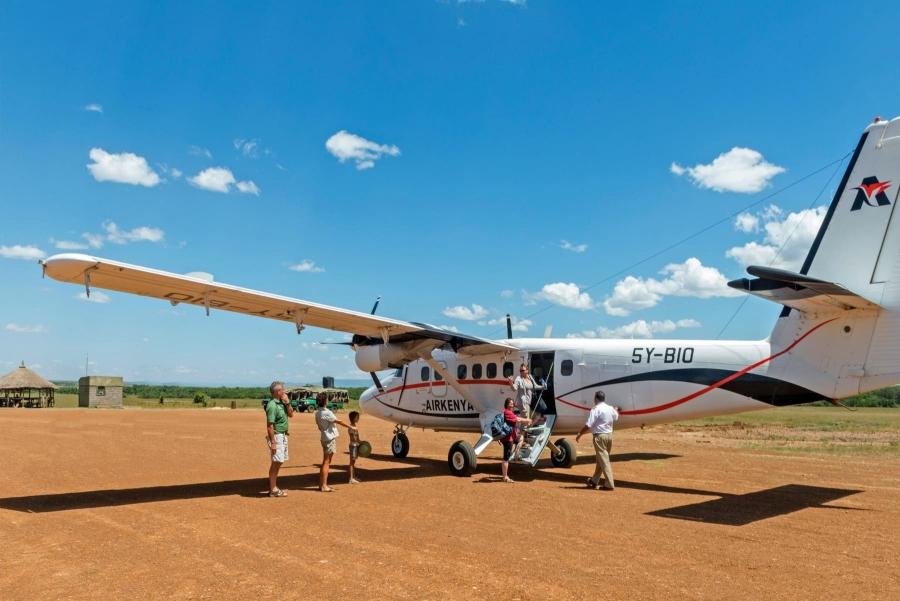
Kenya Flying Safaris
Q. How many days do you need for an Africa safari?
The ideal duration for an East Africa safari package often ranges from 5 to 14 days, this allows you to enjoy a comfortable and a well-rounded rewarding safari experience during this African tour package. It also depends on the destinations you will visit, wildlife interests, and personal preferences.
Q. What do I do in case of an emergency?
We have a 24 hour emergency line. If anything goes south, we’re ready to assist you regardless of time or date.
Q. Are there malaria mosquito nets in Africa safari tented camps?
Many tented camps in Africa provide fitted mosquito nets in all rooms which are also insect proofed to protect you against malaria mosquito bites and other insect bites, ensuring a comfortable and safe stay.
It’s also advisable to carry insect repellent to further protect yourself especially in the outdoors during evenings.
Q. Is there Wi-Fi at the safari lodges & tented camps on safari?
Almost all Africa safari lodges and tented camp accommodations during your safari provide free Wi-Fi. You’ll find this available in all three accommodation levels – comfort or luxury accommodations.
Wi-Fi is provided in the public areas of the safari lodges/tented camps including the reception, dining areas, and lounge. It is not provided in the individual rooms/tents.
Moreover, because you will be inside a wilderness park, we still request that you come prepared with your own network data to avoid any inconveniences.
Kenya Safari Payment Methods
Q. Do you provide drinking water on safari?
East Africa is within the tropics and near the Equator, separating the northern and southern hemispheres. The tropical temperatures are relatively high on the safari route and even within the national parks/game reserves.
Because you’ll need to frequently hydrate during your safari, we ensure unlimited supplies of drinking water.
All Vulture Africa Safari vehicles are fitted with a cooler box or mini fridge with a constant supply of cool, bottled water.
We replenish our supplies of drinking water during stops along the safari route.
Here’s everything you need to know about packing for your Africa safari trip.
Q. Are mosquito nets provided in safari lodge rooms/tents?
We carefully research and choose our selection of top safari lodges and tented camps to offer the best in terms of comfort, relaxation, amenities, and atmosphere during your safari.
We fully understand the need for your protection against mosquitos and other insects.
All rooms/tents during your safari are fitted with mosquito nets or are insect-proofed to protect you against bites.
Tented camp showing bedroom with mosquito nets
You are also advised to use insect repellent to further protect yourself especially outdoors in the evenings.
Q. Is it possible to store excess luggage while on safari?
Vulture African Safaris understands that your holiday travel may be lengthy and could involve different activities during your trip. You may find the need to store some of your luggage at various times.
You can safely store your extra luggage at our Nairobi office for safekeeping until you have completed your safari.
This is a free service extended to all our safari guests.
Packing luggage for an East African safari holiday tour
Additionally, our 4×4 safari Jeeps accommodate generous luggage space in its rear luggage compartment.
Q. Do you handle requests for special dietary needs?
Kenya and Tanzania welcomes visitors from all over the world and their diverse diet preferences. These preferences may be due to religious beliefs, lifestyles, or health concerns.
The menus in all safari lodges & tented camps are continental cuisine however, vegetarian, kosher, halal, gluten-free, etc. meals are also provided.
We request you indicate your special diet needs during safari booking/confirmation.
Why Book Your Safari in Advance?
Q. Do you provide airport hotel airport transfers when we arrive and depart Nairobi?
As part of our safari tour services, Vulture African Safaris provides free pickup and return to the airport/hotel for any guests who are booked for a 3-day or more safari tour with us.
The transfers are provided even if you arrive or depart several days before or after your safari start/end.
Please let us know your arrival & departure flight details including airline codes and arrival/departure times. We will provide you with the name of your driver and telephone contact in advance of your arrival/departure.
Q. Do you book or can you recommend a Nairobi hotel for our pre or post-safari stay?
If you are arriving in Nairobi earlier than your safari starting date or are intending to stay a few days more after your safari finish, you will require a Nairobi hotel.
Our listed safari tours and advertised prices do not include your Nairobi hotel.
Nairobi has a wide range of hotels in the economy, comfort, and luxury categories suitable for your 1 night or extended stay.
As part of your safari tour, Vulture Africa Safaris will pick you up at the airport and bring you to your respective Nairobi hotel or residence. This includes most areas around Nairobi.
We suggest that you look up and book online your preferred Nairobi hotel. If you should require advice, suggestions, or booking assistance for your Nairobi hotel, we will be happy to assist.
We can make suggestions depending on your budget and what area of the city you are interested in staying.
Q. Can we purchase a local Sim card for use while in Kenya?
A Kenyan Sim card will greatly reduce your telephone roaming bills during your visit and while on safari in Kenya
1 GB of data costs an average of $5.
Safaricom, a telco provider in Kenya is the market leader with the best national coverage and better deals.
Sim cards can be purchased from official stores or approved resellers. You can purchase them at the Nairobi airport upon arrival. Cost is approximately $1 or Ksh.100
To purchase local sim cards, you are required to have a Sim-unlocked GSM-compatible phone.
Q. What are your recommended safari tipping guidelines?
Tipping in guidelines for Kenya and Tanzania safaris – although not mandatory, is expected in return for good service.
All hotels, lodges, and porterage gratuities are included in the cost of your safari – these are collectively referred to as the service charge.
You may also decide to tip individual waiters, porters, and other hotel service employees who provide exemplary service. Usually, $1 – $5 per meal or move is appropriate and appreciated.
It is, however, customary to tip your safari driver/guide at the end of the safari tour. The amount is dependent on your evaluation of the quality of the service rendered. An average of $10 per guest per day or 5-10% of your safari-only cost is suggested. However, the amount is at your discretion – you are welcome to provide additional compensation to any staffer who has provided special services. A bar gratuity of $1 is acceptable.
You may tip in Kenya shillings, USD, or in Euro at the end of your safari and preferably in an envelope.