
Where to Go on Your First African Safari
Remember, all our itineraries are totally flexible and can be changed to suit you.
Where to Go on Your First Safari In Africa
For many, a safari represents the ideal escape and lifelong travel dream. With plenty of African safari packages, you only want to choose the best of the best, and now comes the tricky part: choosing where to go on your first safari.
If this sounds like the kind of African bucket-list trip that you’ve been longing for, you may start asking yourself; which countries offer the best safaris for first-time travelers? Or which countries are best for wildlife game viewing?
We have put together a beginner’s guide to planning your first safari to Africa and help you narrow down your ultimate safari – without feeling overwhelmed.
African safaris are highly expert trips designed for clients with very different expectations, safari tastes, and demands. Planning is everything and we want to ensure that we set you on the right path of your much awaited African trip. “Discover more using our handy information and insights for planning that first safari…including first-time safari tips”
What to Expect on an African Safari
A Beginner's Guide To Planning Your First African Safari
Finally, this is the year you’re going to go on that wildlife safari in Africa that you’ve been dreaming about. Next, you need to work out where to go and how to plan your first African safari. We understand how difficult it can be to decide on a destination for your first safari, especially when there are so many safari countries to consider and so much information on the internet. Firstly, to help sort through all of that information and to avoid any confusion, we recommend giving one of our experts a call! Or chat with one of us. By far the best way to start researching your African vacation is to talk to one of our safari planners. Within a few minutes we can identify the right safari destination for you and offer their advice and top tips – totally suited to your first African trip.
How To Choose The Right African Safari Destination
Where should I go on safari? Africa is a massive continent with plentiful safari experiences that differ greatly by country, region and season. Here’s our guide to the best safari destinations in Africa for first-timers;
Where you choose depends very much on your interests and preferences; whether you are interested in wildlife game viewing, culture, historical heritage sites, luxury tours in Africa, African beach safaris, Mount Kenya climbing family-friendly experiences, horse riding, cycling, conservation…the list goes on.
The most interesting safaris should offer a mixed programme of private guided experiences, ask yourself what you’d like to see (and do) while on safari, and how you want to feel?
Is it a classic East African Big Five safari you’re seeking? (‘Big five’ refers to lion, leopard, rhinoceros, elephant and buffalo) Or are you dreaming of those classic African safari lodges or just a luxury African safari with as much as wildlife? Will the tour be a combined African safari and beach-time, or do you crave the drama of the Great Migration Safari that passes through the Masai Mara and Serengeti ecosystems every July and August to September? Or is the answer flight safaris?
But, with a world of countries, top national parks, reserves and conservancies to choose from, where should you choose to travel on your first safari to Africa? Below is a list of recommended safari destinations for you.
Top 10 Best Africa Safari Destinations For First-Timers
“For a first safari, choose a region that will offer a strong chance of seeing the Big Five (lion, leopard, rhinos, elephant and buffalo) and an area with plenty of parks.
To help you in your decision, popular safari heavyweights like Kenya’s Masai Mara National Reserve, Tanzania’s Serengeti National Park, and South Africa’s Kruger National Park are renowned for world-class safaris and probably your best bets.
1. Kenya – Africa In A Nutshell
Our guide to planning a safari in Kenya, and why to go to Kenya for your first safari?
Being the birthplace of African safaris, Kenya is one of Africa’s most popular choices for safari-goers and it isn’t hard to see why.
Kenya’s wildlife offering is magical, with the Great Migration in particular at the top of many travelers bucket lists – huge concentrations of game viewing, excellent safari parks, some of the best wildlife conservancies and timeless safari stories in Africa…
Frequently, Kenya is viewed as a better choice for family safaris, those longing for luxury African tours, group safaris, and those on a tight timeline. Kenya is on top of the list of Africa’s recommended top destination for first-time safari goers.
It’s very safe, easy to travel and has the longest safari history and well-developed infrastructure. Kenya is a success story for safaris – before you even leave Nairobi (the capital city) you have the opportunity to see wildlife up close and personal at the incredible Nairobi National Park and the Giraffe Centre located inside the capital city.
Kenya also has a history of many famous Africa safari movies, the likes of Lion King, and if you’re dreaming of “Out of Africa” safaris, this is the right choice for you. On top you can easily combine a safari with a Kenyan beach vacation as the coastline of Kenya offers some of the most unspoiled beaches.
Top attractions & places to visit in Kenya for safari are as follows:
1. Iconic Masai Mara National Reserve
2. Amboseli National Park
3. Lake Nakuru National Park
4. Samburu National Reserve
5. Ol Pejeta Conservancy
6. Tsavo East National Park
7. Tsavo West National Park
8. Diani Beach
The Masai Mara National Reserve is, without question, one of the finest places in Africa for a safari. If you want to avoid the crowds we recommend to pick the Mara Triangle, Tsavo and the North of Kenya like Laikipia and Lewa.
There’s the bird-watchers Great Rift Valley lakes (Lake Nakuru & Lake Naivasha) and the arid Samburu plains where the Special Five live: the Somali ostrich, Grevy’s zebra, reticulated giraffe, Beisa oryx and gerenuk. Our Taste of Kenya itinerary allows you to sample Kenya’s top destinations which works really well for a safari and beach holiday with the ability to add a beach break on the white sands of Diani and Watamu beaches.

2. Tanzania
Our guide to planning a safari in Tanzania, and why to go to Tanzania for your first safari?
Tanzania is another superb destination for a first trip to Africa. Famous for its immense game concentrations, endless open skies, plus excellent safari-and-beach breaks, it is home to a number of Africa’s finest parks.
You will never see as much wildlife as you do in the Serengeti ecosystem! Tanzania and Kenya share similarities, both having abundant wildlife parks and excellent safari combinations.
A Tanzanian classic safari circuit covers the following areas – Arusha, Tarangire, Ngorongoro and the Serengeti, for epic wildlife-watching. You should consider adding a few days and combining a safari with a slice of beach relaxation at the island of Zanzibar. This collection of Spice Islands is a jewel in the Indian Ocean that boasts secluded honeymoon-worthy resorts, superb diving and tours of historic Stone Town. Tanzania’s safari-and-beach vacations are easily combined, authentic, and affordable, the perfect end to your first ever safari.
Top attractions & places to visit in Tanzania are as follows:
1. The legendary Serengeti National Park.
2. The Ngorongoro Crater is a UNESCO World Heritage Site that was formed 3 million years ago.
3. Lake Manyara National Park.
4. Mt Kilimanjaro.
5. Zanzibar Island
3. South Africa
Our guide to planning a safari in South Africa
Why to go to South Africa for your first safari?
Known for its diversity of experiences, South Africa is a stunning destination for a great all-round vacation, yet another rewarding safari destination for first-timers – being a suitable safari destination weather-wise, it also remains a gateway to a host safari experiences to suit safari-seeking families.
From Kruger National Park to the picturesque private reserves like Sabi Sands, taking a trip to South Africa offers a one of a kind safari experience that accommodates all levels of travelers.
In addition to Big 5 safaris, it’s also a fabulous place for any style of holiday, especially in summer, and can be combined with a beach break or take it to the South Africa Winelands, shark diving, whale watching, Zulu battlefields, rock art, fishing, the famous Garden Route… These collection of experiences puts South Africa firmly on the map for a first-timer’s trip to Africa.
If you’re short on time, South Africa is the ideal place to see exactly what you dreamed of seeing on a short safari, the country also boasts malaria-free safari areas bragging to offer the best malaria-free safaris in Africa.
Negative points – travelers say that the country does not offer a truly authentic safari and that feeling of ‘real’ Africa found elsewhere.
Top attractions & places to visit in South Africa are:
1. Cape Town and surrounds, including the Winelands and the Garden Route.
2. The private game reserves included in the Greater Kruger National Park, in particular, Timbavati, Klaserie and Sabi Sands.
3. The Kalahari and private game reserves in the region, notably Tswalu and Madikwe.
Home to Big Five Wildlife
4. Botswana
Our guide to planning a safari in Botswana
Why to go to Botswana for your first safari?
Botswana is a real standout option, the experience here is much more rugged and real, with the landscape here completely different – with a mix of dense vegetation, open floodplains and waterways that connect the whole ecosystem of the Delta together.
Botswana is probably the most famous for being Africa’s most expensive safari destination offering unbeatable level of exclusivity and privacy, high-quality sightings, and you’ll be able to stay in some of the most amazing lodges in Africa – these top of the class camps are in attractive areas, the Chobe River, the Okavango Delta and the salt pans of Makgadikgadi.
Botswana being one of Africa’s premier wildlife-watching destinations, these private reserves offer safari activities such as game drives, boating, walking safaris, night drives, mokoro (traditional canoe) rides, bush walks, fishing, fantastic birding and even more.
If you are a high-end luxury traveler longing for an extremely high quality safari area, regardless of cost, then the Okavango Delta in Botswana is a real standout option for you.
Top attractions & places to visit in Botswana include:
1. The Okavango Delta, Moremi Game Reserve and Chobe National Park.
2. The Central Kalahari Game Reserve and Makgadikgadi Salt Pans.
3. The Linyanti and Chobe Rivers.


5. Rwanda & Uganda – Best For Gorilla Trekking Tours
Our guide to planning a safari in Rwanda and Uganda
Why to go to Rwanda for your first safari?
Rwanda is unquestionably one of the best places on the planet to experience wild gorilla trekking experiences.
Uganda and Rwanda are the true definition of mountain gorilla safaris! Viewing these Great Apes up-close is a truly impressive experience. For first time visitors you can check off your list of Big 5 wildlife during a safari in Akagera National Park.
And when you’re ready for more of an adventure you can then visit Nyungwe National Park to go chimpanzee trekking and Volcanoes National Park to trek with gorillas, both experiences delivering a lifetime experience.
We often design itineraries featuring the Uganda mountain gorillas, most often as an add-on to a Kenya or Tanzania safaris meaning you can combine Gorilla trekking in Uganda or Gorilla trekking in Rwanda with a big 5 safari destination like Kenya.
Rwanda & Uganda are perfectly positioned if you wish to combine a visit with Kenya and Tanzania it forms one of the best East African safari circuit.
Top attractions & places to visit in Uganda are as follows:
1. Gorilla trekking in the Bwindi Impenetrable National Park
2. The Mountains of the Moon is Uganda’s legendary source of the River Nile
3. Lake Victoria and the exquisite sun drenched Ssese Islands
4. The Murchison Falls National Park is Uganda’s largest national park and home to the spectacular 40 metre high Murchison waterfall.
Top attractions & places to visit in Rwanda are as follows:
1. Volcanoes National Park
2. Akagera National Park, the only place in Rwanda where you can see the Big 5
3. Nyungwe Forest National Park is one of Africa’s oldest rainforests and home to dazzling selection of wildlife, including 13 different species of primate.
6. Namibia – Safaris, Sand Dunes & Incredible Landscapes
Our guide to planning a safari in Namibia
Why to go to Namibia for your first safari?
Dramatic desert scenery, desert-adapted wildlife and jaw-dropping scenery – Namibia needs no introduction.
Namibia has a lot to offer the nomadic traveler, and it’s more than just safari experiences – you can climb sand dunes and get a bird’s-eye view over the desert beneath you, visit flamingo colonies or fly a hot air balloon over the world famous Sossusvlei Desert which is by far Namibia’s top attractions. Namibia has become a top spot for photography enthusiasts.
It’s very safe & easy to travel, with many tourists independently driving around in cars, but there are private reserves on its borders, where you can stay away from the crowds and enjoy a more exclusive experience. Namibia prides itself as one of the affordable safari destinations for your first introduction tour to Africa.
Positive points: The desert and the country’s scenery. Desert rhino and desert elephant!
Negative points: Debatable lack of authenticity, lack of quality safari parks. This is not a safari destination.
Top attractions & places to visit in Namibia are as follows:
1. The Namib Desert and the NamibRand Nature Reserve.
2. Sossusvlei Desert is home to the highest free-standing dunes in the world as well as Namibia’s only natural UNESCO World Heritage Site.
3. The Fish River Canyon, second biggest canyon in the world.
4. Damaraland and Twyfelfontein.
5. Etosha National Park is another great destination in Namibia for wildlife lovers.


Where Should I Stay On Safari: How To Choose The Right African Safari Lodge
Here’s our guide on choosing Africa’s best safari accommodation.
Choosing the best accommodations for your first safari depends on the length of your stay and the level of comfort that you’re after. There are plenty of safari lodges and camps to choose from, with options ranging from Economy lodges, Midrange lodges and Luxury lodge accommodations, take note that standard of facilities, style and location are all different.
Before we talk about the details of how to choose a safari accommodation, let’s talk about the difference between a tented safari camp and a safari lodge.
Difference Between Tented Safari Camp Vs Safari Lodge
A safari lodge usually have complete facilities and will offer spacious suites, an on-suite pool and a restaurant-style dining area, Wi-Fi throughout the property, and various other amenities while on the other side, a safari camp is typically tented accommodation, often running on solar power, with fewer on-site amenities, but provides a more traditional exposure, best for a true bush safari experience.
We are not saying that a safari lodge is much better than a safari camp – because there are some top luxury tented safari camps!
Here’s what to look for before choosing the best safari lodge;
1. Is the safari lodge inside national park? You can opt to stay inside stay at accommodations inside of the national parks for a better wildlife game viewing experiences and much more comfort.
2. Is the safari lodge outside national parks? Another option would be to stay at accommodations outside of the national parks for lower pricing for budget safaris.
3. “Travelers should consider the exclusiveness and remoteness of safari lodge. How many other lodges are located nearby? Do they offer unique wildlife experience?
4. Is the safari lodge good for kids? If you are planning an African safari with kids, you want to make sure a safari is both fun and educational for kids, find lodges with kids programs. It’s important to find the right setup, especially a safari with small children. A good example is a Mini Maasai Adventure program, where Maasai Warriors at the Kids’ Club guide children. Make sure the lodge accepts children if you have kids.
5. What kind of amenities does the lodge offer? Consider the level of comfort & lodge amenities – not all camps and lodges offer the same level of luxury or the same facilities and amenities, some offer no amenities and others offer very luxurious options.
6. Age limits of safari lodges and camps – this is a standard set by the camps to ensure the safety of all guests and capabilities of the team handling the children. Many lodges and camps have children age limit restrictions and activities for young children.
7. Choose sustainable safari lodges & camps; is the safari lodge reliable and reputable?
7. Safari lodge food & culture experience; is the food being served as buffet-style or a la carte style?
8. What is the cost of the safari lodge? Your safari budget will always determine your lodge, and understanding the cost of a safari lodge is important and it’s important especially for first time visitors. The price of a safari lodge can start from $300USD per person per night up to $2000 USD per person per night, it’s better to ask an expert who can recommend places to stay based on experience, organise the logistics, and ensure safe travel from the moment you land to the moment you leave.
Home to Big Five Wildlife
African Safari Lodge Types And Luxury Levels
Safari accommodation types & comfort levels differ from the level of service to the amenities offered, and the type of African safari accommodation that you will choose is also determined by your budget; how much are you willing to spend?
Here’s our guide to the different types of safari accommodation.
1. Luxury safari Lodges and Tented Camps
In almost all instances, luxury lodges & Tented camps are located at strategic viewpoint locations within the national parks and game reserves. They are unique in architecture and design. They also provide easy access to the game viewing areas. The facilities and comfort levels are of higher standard. Rooms/, tents are private and en -suite. There shall most likely be a swimming pool in most of the luxury facilities.
2. Midrange safari Lodges and Tented Camps
Midrange tented lodges and camps may be located inside or just at the boundaries of the national parks and game reserves. Others may be slightly further. In all instances, they are less than 30 minutes from the park entry gate. The facilities’ comfort levels are sufficiently adequate although slightly lower than for luxury accommodation level. The rooms and tents in this comfort level category are also private and en suite. Most comfort lodges / tented camps shall have a swimming pool.
3. Economy safari Lodges and Tented Camps
Almost all economy lodges and tented camps (except a few) are located outside of the National park boundaries and just next to the park. They are easy, comfortable and sufficiently adequate for relaxation, overnight and meals although relatively basic compared to the luxury and comfort options. Rooms and tents are private and have en -suite bathroom facilities. Most of the economy options may also have a swimming pool.
Stay at a Treehouse
Best First Time Safari Packages
Discover our Africa safari tour packages, book your Nairobi city excursion, 4×4 wildlife safari, family safari holiday, honeymoon safari, photographic safari, water sports safaris, air safari, Uganda-Rwanda primate safari, beach holidays, or mountain climbing adventure in Kenya & Tanzania with Vulture African Safaris. Witness the big 5, big cats, wildebeest migration, indigenous cultures, beautiful beaches, and so much more.
9 Days | 8 Nights
Top Kenya Air Safaris
Where Should I Go For My First Trip?
Below is a list of best destinations recommended to first-time safari goers.
1. Masai Mara Game Reserve, Kenya – Great Migration, Luxury, Big 5
2. The Serengeti, Tanzania – for the Big 5 & migration
3. Laikipia, Kenya – for an insight into conservation
4. Akagera National Park, Rwanda – meet mountain gorillas in Rwanda
5. Lower Zambezi National Park, Zambia – for walking safaris
6. South Luangwa National Park, Zambia – for leopard sightings
7. Chobe National Park, Botswana – for river-based safaris
8. Hwange National Park, Zimbabwe – for elephant enthusiasts
9. Eastern Cape, South Africa – for the best of both worlds
10. Sabi Sands, South Africa – for the ‘Big 5’
What to Expect on Your First Luxury African Safari
On your first trip to Africa, you might be asking yourself what happens on a safari day? Well, a typical day on safari in Africa usually involves the following;
On a normal safari days in Africa, expect a predictable schedule.
Depending on what time the sun rises, the camp staff will wake you up in time for the morning game drive, expect the wake up call to be followed with a cup of coffee, before heading into the bush with a guide in an open-rooftop 4 X 4 game vehicle.
Breakfast or lunch can be served out in the bush, or by mid-morning when you return to the lodge for full breakfast or brunch, depending on how late it is and whether you had a bush breakfast.
Before afternoon hours, you can use this time for relaxation, read something, have a nap, enjoy swimming, walking safari excursions or enjoy massages at the SPA before heading out again for your second game drive.
In the late afternoon hours, we head back again to the bush and this time it’s our second afternoon game drive. During these hours, we extend our chances of spotting some wildlife game actions before calling it a day in the evening hours.
During the evening hours before we head back to our camp for dinner, there’s usually a bush sundowner.
A sundowner is a well-known tradition during your safari and it means a nice refreshing champagne drink during sunset. This is the time many people take to reflect on their safari day. It usually happens in the evening hours before you return to the camp/ lodge around 5.00-6.00 PM.
Keep in mind, sundowners will only happen if you are doing your safari on a private reserve/ private conservancy (it cannot happen in national parks).
We will end our safari day with a sumptuous dinner of which – depending on your accommodation, dinner may be a buffet, plated or á la carte.
If the night is clear, it may be served in an open-air area around a warm campfire as you watch the stars. Afterwards, its bedtime.
Popular African Bucket-List Safaris
For a first-timer deciding on where to go for a holiday in Africa, prepare for something special on your first trip. We have identified the best of Africa’s most iconic journeys that should be added to your bucket list tours in Africa, and whatever you have in mind, we can make it a reality.
Things to Know on a First-time Safari In Africa
You’ve seen the safari photos and videos, so you know that an African safari is guaranteed to involve incredible wildlife sightings and bush sundowners overlooking a glorious savannah landscape. But have you stopped to think about the practicalities? Where you’ll sleep, what you’ll eat, and how you’ll get around?
Safaris are run like a well-oiled machine, but some of the tricks they use to manage life in the middle of absolutely nowhere might surprise you. Here are some frequently asked safari facts and practical things you might like to know before you go on your first African safari.
FAQ’s - Beginner’s Guide To Planning Your First Safari In Africa
Q. When are some of the requirements for a safari in Africa?
As for the documentations you need for your holiday in Kenya, keep in mind entry requirements can change, so please contact your local Kenyan embassy or high commission to verify that the following information below is up to date.
-A passport is required for all foreign visitors and must be valid for at least six months.
-No visa is required. Instead, all visitors must apply for an Electronic Travel Authorisation (eTA).
-Visitors must apply in advance for the eTA on www.etakenya.go.ke.
-The standard processing time is three days, but you can apply up to three months prior to travel and early application is recommended.
-When arriving from a yellow-fever-infected country in Africa or the Americas, a yellow-fever vaccination certificate is required.
-For more information we strongly direct checking the website of your local Kenyan embassy/high commission or the government travel advisories below:
Australia – www.smartraveller.gov.au
Canada – travel.gc.ca
EU Member States – ec.europa.eu
Ireland – www.ireland.ie
New Zealand – www.safetravel.govt.nz
United Kingdom – www.gov.uk
United States – travel.state.gov
Q. When Is The Best Time To Travel To Africa?
The best time to visit an African country depends on your plans. Some people want to explore the wilderness, while others want to go on cultural and historical adventures. Then there are adrenaline junkies who want to scale Africa’s tallest mountains or white water raft on thrilling rivers
- Botswana – From May to October and November to April
- Kenya – From January to February, June to October, October to February, June and July.
- Madagascar – April to October and September to December
- Namibia – From July to October and November to April
- South Africa – May to September and September to March
- Tanzania- From July to October, October-December and March-May
- Uganda – December to February, June to August and May to September
- Zambia -June to November and October to April
- Zimbabwe -July and October and October to March
Q. What medication do I need for Kenya safari?
About medicine on your trip to Kenya, we recommend anti-malarial medication no matter what time of year you plan on visiting Kenya for safari. Kindly consult with your doctor at home for advice on the right choice of prophylaxis for your body well in advance of your departure date. Additionally, if you live in a yellow fever region or plan to travel through a region where it is endemic during your stay, you will need a yellow fever vaccination and certificate.
Q. Where to stay on safari in Kenya
With hundreds of excellent luxury safari lodges and tented safari camps, you will be spoilt with lots of choices to pick from during your stay. But worry not, we will help you select the best lodges to stay in during your trip.
Additionally, when we talk about safari standards, the service level is high, with the ability to deliver the best luxury African safaris, suitable accommodations from lavish safari lodges to modern day boutique hotels and classic tented safari camps.
We shall share our list of top luxury accommodation options in Kenya – from eco-friendly architecture to the best luxury tented camps with a front-row seat to experience African wildlife mostly near game viewing hot spots like the Mara River where the Wildebeest Migration safari takes place. Our list of the best Kenya safari lodges also covers mid-range camps which can come in handy If you are travelling on budget.
Q. Where are the places to visit in Kenya?
When you think of Africa, Kenya is most likely the image you have in mind. Therefore, some of the top 10 best places to visit in Kenya, include the following destinations;
- Masai Mara: Catch the Wildebeest Migration & all year-round excellent game-viewing.
- Lamu Archipelago: Experience a classic barefoot luxury beach experience.
- Nairobi City: Feed the giraffes and visit the baby elephant’s shelter.
- Mombasa & Kenya Beaches: Explore coastal family resorts & luxury lodges, good with family trips to Kenya.
- Amboseli National Park: Photography safari destination, watch the big tusked elephants and the best views of Mt Kilimanjaro.
- Ol Pejeta Conservancy in Laikipia: Kenya’s hidden gem; visit the chimpanzee sanctuary, feed and touch the blind rhino and spend your nights in some of the top luxury lodges.
- Mount Kenya: for the mountain trekking enthusiasts, go on a 5 days trekking tour at Mount Kenya (the second tallest mountain in Africa after Mount Kilimanjaro in Tanzania)
- Lake Nakuru: Excellent game viewing, from rhino’s, leopards, tree climbing lions, endangered giraffes to birdlife, Lake Nakuru has it all.
- Shaba and Samburu: Kenya’s hidden gem, more than a wilderness where the special 5 wildlife roam; additionally, all the big 5 are here.
- Kenya South-Coast beaches.
Q. How Safe Is It To Travel In Africa?
Just like any other country/ countries, Africa is a safe place to visit on a wildlife safari arranged by a reliable safari agency chosen by you.
Here are some guidelines that will keep you safe in Africa:
- Avoid travelling alone at night
- Avoid visiting isolated roads and places
- Keep your valuables locked in a hotel safe
- On game drives, always follow your guide’s advice
Q. What Should I Wear And Take On Safari In Africa?
Safari visitors need to pack light, there isn’t any need for fancy clothes in the bush, and laundry is often available so things can be washed regularly. You can pack 2-3 sets of neutral coloured clothes and some layers for the cool night and early morning temperatures. Also, pack some gloves, scarf, and hat for the colder months. Don’t pack camouflage clothing. Refer to our detailed guide of African safari essentials for further information on what to pack.
During an African safari, you can carry items such as:
- Sunscreen, sunglasses, safari hat, lip balm
- Camera, lenses, spare batteries, binoculars
- Waste bags to avoid littering
- Insect repellent, hand sanitiser, tissues
- Notebook to write down what you see
Q. What Currency Is Used For Safari In Africa?
Foreign currencies such as US Dollars, Pound Sterling and Euros are accepted at accommodations, hotels, and shops throughout your safari in Africa. They also accept credit cards, but it isn’t accepted everywhere. If you want to convert your currency to local currency, use banks, Forex at the airport or ATMs.
Make sure you use Google exchange rate to convert the currency during your safari payments.
- Botswana Currency – Botswana pula
- Kenya Currency – Kenyan shilling
- Madagascar Currency – Malagasy ariary
- Namibia Currency – Namibian dollar
- South Africa Currency – South African rand
- Tanzania Currency -Tanzanian shilling
- Uganda Currency – Ugandan shilling
- Zambia Currency – Zambian kwacha
- Zimbabwe Currency – Zimbabwe dollar
Q. How Much Money Should I Carry On My Africa Safari?
Since African safari packages often include vehicle transfers, accommodations and safari activities. Some of them also include domestic flights. On an African safari, you will need some cash at hand to tip the driver guide.
You may also need some extra cash on your safari to pay for the optional activities, the price for optional activities is separate. Additionally, you might also want to purchase souvenirs, snacks, or drinks at the local shops. Some of these shops may not accept credit cards, so it’s advisable to have cash for such additional expenses.
Q. How Much Does An African Safari Cost?
What does a safari cost is a question that comes to your mind first when you think about travelling to Africa.
An African safari will cost you anywhere between $300 (USD) and $1,500 (USD) per person. A budget safari averages $300 per person, mid-range $550 and luxury $850. The extreme top-end safaris can easily go up to $2,000 per person, or more! There is actually a safari to suit every budget.
Q. What Visas Are Needed For An African Safari?
A valid passport is required for all international travel. Passports must be valid for at least 6 months after returning from your trip. In certain cases foreign passport holders require entry, re-entry or departure permits and/or visas to enter a country. You should also have two blank pages in your passport for every country you visit.
Please contact the relevant authorities and embassies in good time to check and arrange the necessary permits and visas at least three weeks prior to your departure.
1. KENYA SAFARI VISA:
Visas for Kenya need to be obtained before you travel. You can apply for a Kenyan visa here https://etakenya.go.ke/ – A single-entry e-visa for Kenya allows you to enter, exit and re-enter the country after visiting either Tanzania, Uganda or Rwanda, without having to purchase a multiple-entry visa.
If you plan on visiting Uganda and Kenya, you can apply for an East Africa Visa and use it multiple times. The issuing country should be your first entry port.
2. TANZANIA VISA APPLICATION:
Visas for Tanzania. You can apply online for a visa here: https://eservices.immigration.go.tz/visa/guidelines
3. UGANDA VISA APPLICATION:
Visas for Uganda need to be obtained before you travel. You can do this on their government website: https://visas.immigration.go.ug/ and if you’re visiting Kenya too, opt for the East Africa Visa.
4. SOUTH AFRICA VISA APPLICATION:
Visas for South Africa http://www.dha.gov.za/index.php/immigration-services/exempt-countries
5. NAMIBIA VISA APPLICATION:
Visas for Namibia https://visitnamibia.com.na/visa-information/
6. BOTSWANA VISA APPLICATION:
Visas for Botswana https://www.handyvisa.com/visa-policy/botswana/
7. ZAMBIA VISA APPLICATION:
Visas for Zambia https://www.zambiaimmigration.gov.zm/for-visitors/
Q. What Are The Best Countries For Safari In Africa?
The best countries for safari in Africa include;
- Kenya
- Tanzania
- South Africa
- Botswana
- Rwanda & Uganda
- Namibia
Q. Where Do You Pee On Safari?
Usually while on safari, the park entrances, picnic spots and lodges usually have bathrooms but on game drives you’ll be ‘going’ to pee in the bush (number 1 and 2), so carry tissues and a small bag. Hand sanitiser is a good idea, too. There are normally stops on safari drives. If you have an emergency, then inform your guide for safari questions and answers.
Q. Do Wild Animals Ever Attack Safari Vehicles?
No, lions (and other wild animals) do not attack safari vehicles. In fact, animals rarely even approach the trucks, unless they want shade or are in the process of stalking prey. If an animal does approach, then your driver will let you know what to do. Is going on safari dangerous? Again, no, it is quite safe.
Q. Is The Water Safe To Drink On Safari?
Drinking water on safari depends on where you’re going. Some places in Africa have treated water that is safe to drink from a tap. However, if you’re not a local with immunity to the local bacteria strains, then you could experience diarrhoea. The good news is that most safari lodges and camps stock bottled mineral water.
Q. Will We Have Electricity At The Safari Camp?
What happens is that the Safari lodges and camps generally run power from generators and solar installations. Lodges in towns, cities and developed rural areas operate on mains or utility electricity with the expectation of offering 24-hour electricity. But then, the power is not very reliable in many areas, so they still use generators.
Q. What About Malaria on Safari?
Do I Need To Worry About Malaria On Safari? A good question, and the answer is that most of the national parks and reserves are malaria-free.
The best and preventive action you can take to prevent malaria while on safari;
Take malaria prophylactics for both adults and children that can be prescribed by your home doctor or travel clinic, use insect repellants and cover your arms and legs in the evening.
Q. What Are Africa's Big Five Wildlife?
Africa’s famous Big Five consist of the lion, buffalo, elephant, rhino and leopard.
Q. Can Kids Go On Africa Safari?
Not all safari camps and lodges in Africa allow children, particularly children under the age of six, but many others will allow them. Same goes for the safari lodges and safari camps in game parks and reserves in Africa.
Some of them not only permit little ones but cater specifically to children and families, offering lots of fun activities for kids on safari.
1. What is the best age for children to go on an African Safari tour?
There is no ‘perfect’ age, and it will mostly depend on the individual child. However, we recommend that children be at least six years old to fully appreciate and participate in an African Safari tour.
2. Is it safe for children to go on an African Safari tour?
Yes, it is generally safe for children to go on an African Safari tour, as long as you take the necessary precautions and follow the guidelines set by your Safari guides.
3. Will the Safari be too challenging for my children?
Most African Safari tours are designed to accommodate families, and there are many child-friendly activities and setups available, which are specifically tailored to children’s interests, needs, and abilities.
4. Are there any vaccinations or medications required for children before going on an African Safari tour?
Yes, your family doctor will recommend that certain vaccinations be up-to-date before going to Africa. Additionally, parents should ensure that their children are taking anti-malaria medication, especially if the Safari is taking place during the rainy season African Safari Questions.
In conclusion, taking your children on an African Safari tour could be an incredibly enriching it is worth it doing some research and considering some of these answers to African Safari Questions.
Q. What About Trip Changes On An Africa Safari?
Always Consider A Flexible Approach To Planning.
At times we tend to think that we know what we want to do or where to go but in real sense our ideas may not work in practice. Perhaps due to a number of things, e.g the date of travel, activities offered among others.
Q. What African Safari Activities Can I Do?
So what are the types of available activities while on safari? The top 8 activities while on safari include;
Game Viewing Drives and Guided Safari Walks
This is how most of you will experience your safari. It will be either from the back of a game drive vehicle or, where available, on a walk with a qualified guide.
Boat Safaris (Including Houseboats)
Wherever you find water you will find motor boats and boating activities on offer. It offers a whole new perspective and will often allow you to get a lot closer to the wildlife than in a vehicle or on foot.
Hot Air Balloon Safaris
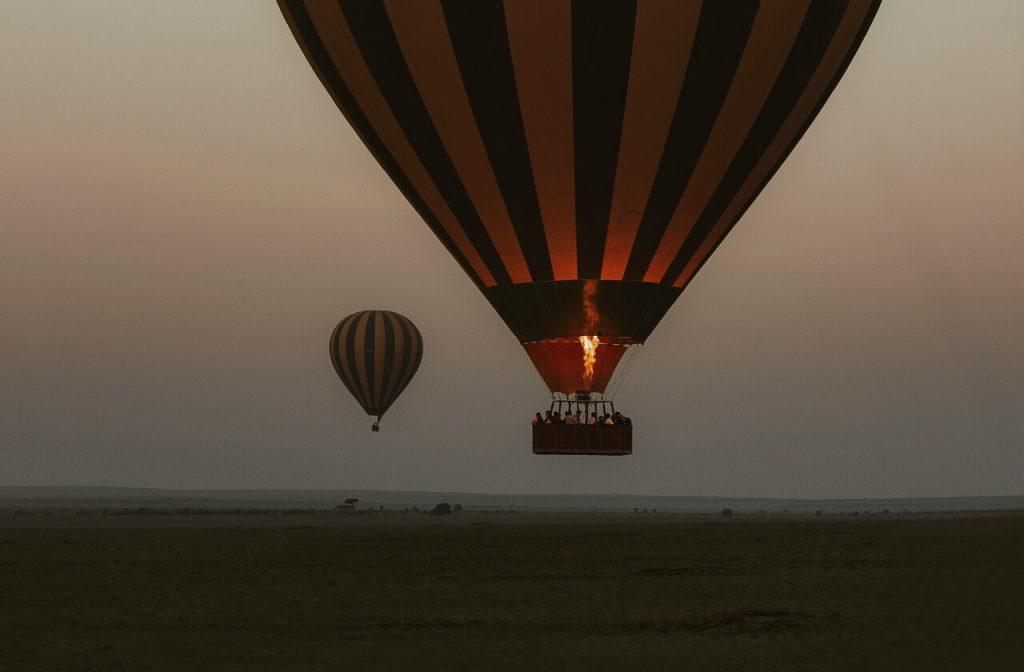
Some of the very best locations to enjoy a balloon ride are on safari. It’s one of the best activities while on safari. Hot Air Balloon rides over the open grass plains of the Masai Mara or Serengeti, or above the stunning sand dunes of the Namib Desert in Namibia are a one of a kind experience.
Horseback Riding
If you are a passionate horseback rider, or even able to ride a horse, horseback safaris will be able to get you up close to some of Africa’s big 5 wildlife – an ultimate thrill.
Good locations for horseback safaris in Africa include the Masai Mara in Kenya, Okavango Delta in Botswana, Kwa-Zulu Natal, Kruger and the Cape region in South Africa.
Helicopter Flights
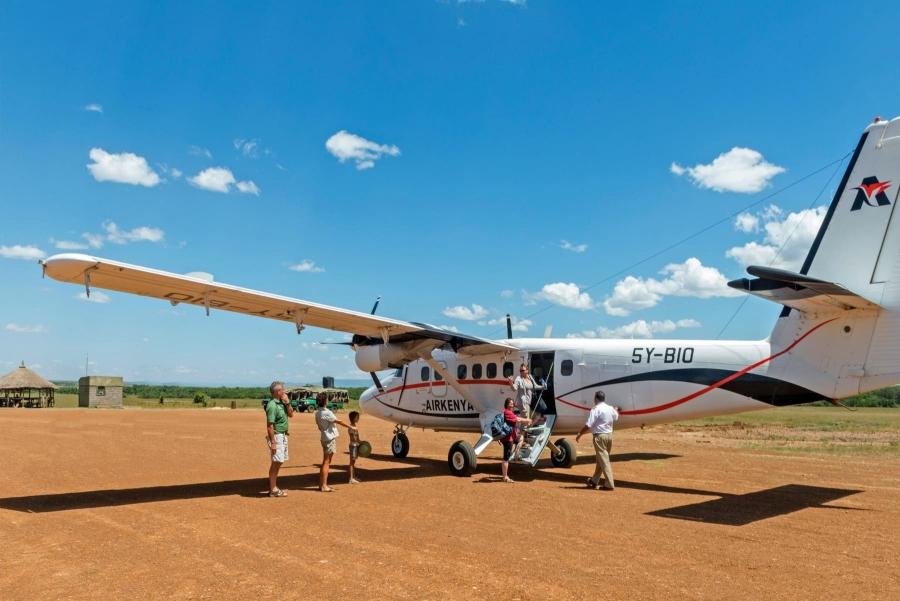
While on your safari you may transfer between camps by small charter planes (e.g. Okavango Delta) or between game reserves (e.g. Samburu to Masai Mara in Kenya).
These flight safaris offer a wonderful view of these regions from the air, delivering some truly striking photographic opportunities.
If you are able and if the opportunity arises, we recommend you to take a scenic helicopter flight in the area that you are visiting. These helicopter safaris can be arranged in the following countries (available along the Great Rift Valley in Kenya), another option is to arrange a complete helicopter itinerary by prior arrangement throughout the Okavango Delta in Botswana.
Quad Bikes and Mountain Biking
Photo Safaris Workshops
If you are a photographer, getting better wildlife photos on safari is something you want to focus on, then a photo workshop is the answer.
The photo workshops usually range from 4 days to 2 weeks (photographic tours) and are accompanied by a professional photographer. These workshops offer practical photographic advice and an opportunity to review and improve your skills, whilst enjoying all the attractions of being on safari.
Canoeing, Kayaking, Rafting and Mokoros
Q. Which African country offers the best safari?
Kenya and Tanzania rank top as one of Africa’s best safari destinations, thanks to their overwhelming variety of wildlife, and beaches. They also have good safari infrastructure, connecting all national parks and plenty of marine-parks which all together offer an unrivalled safari experience.
Q. Where is the best safari in Africa for families?
The best safari in Africa for families is Kenya. When it comes to planning the perfect family safari with kids, Kenya safaris hold a special place in the hearts of many first-time travelers. You’ll love Kenya’s private conservancy options, which can personalize the conventional bush experience to your family’s needs. Unlike national parks, conservancies and privately-run camps and lodges don’t operate with set itineraries. Some family members can go horseback riding one morning while the rest sleep in, with everyone reuniting at lunch. Or maybe you’d prefer a game drive—but only after grumpy pants takes their nap. Your schedule, your call. Activities run the gamut, from bush walks and safari drives to local village visits and scenic helicopter flights.
Kenya Safari Reservations
Q. What type of clothes do I wear on Kenya safari?
Pack lightweight, comfortable, and casual clothing for a Kenyan safari, including long sleeves, pants, comfortable closed-toe shoes, a wide-brimmed hat, and layers for cooler mornings and evenings on game drives. For more details, we suggest you do your own safari packing essentials and find out what fits your interests.
Browse our safari clothing packing advice on what to pack for your African tour:
- Lightweight trousers /shorts and t-shirts remain ideal for the daytime drives.
- Lightweight jacket / fleece for the early mornings and evenings.
- Remember to also pack some warm socks and a woolly hat would be suggested for early morning and evening game drives.
- Hiking shoes
Other items we would suggest you bring along with you include:
- Sunscreen glasses & hat/cap
- Comfy Shoes / Sandals
- Flip Flops to wear during the day
- A Torch / Lamp
- Binoculars
- Phone/laptop charger
- Pack your medication, and a spare set of spectacles or contact lenses if you wear these.
Q. What is the best time to see the Masai Mara wildebeest migration in Kenya?
The best time to witness the dramatic Masai Mara wildebeest migration in Kenya is typically between mid-July through mid-September where your chances of witnessing a river crossing are generally much higher. In early October marks the end of the herd crossing the river from Kenya down into Tanzania, as thunderstorms begin in the north the herds will embark on their return journey back to the Serengeti.
Checkout our Migration safari offers.
Q. Kenya Vs Tanzania: Which Is Better for an African Safari?
Choosing between Kenya and Tanzania for an African safari depends on personal preferences, BUT Kenya is the most chosen being cost & budget friendly during both high and low seasons. Secondly, when it comes to the best places to stay in Kenya and Tanzania, both destinations offer fantastic accommodations. Thirdly in terms of Big 5 sightings, the wildebeest migration & general game viewing, both destinations are safari heavyweights. In terms of privacy and extending your safari beyond game drives, there are more private conservancies in Kenya than Tanzania which offer you plenty of activities inside the park.
Lastly, Kenya safari is the most sought-after destination for the world’s best safari experiences, evident from the large number of celebrities visiting year in year out.
Q. Will I have a private vehicle or shared game drives with other people?
We tend to enforce a maximum person per vehicle policy of 6. Meaning, although you’ll be sharing with other guests, everyone will get a side-view seat with unhindered views.
Some trips are designed in such a way that a private vehicle and guide are included for a portion of the trip, but the use of a private vehicle throughout your safari comes at an additional cost.
Kenya Flying Safaris
Q. How many days do you need for an Africa safari?
The ideal duration for an East Africa safari package often ranges from 5 to 14 days, this allows you to enjoy a comfortable and a well-rounded rewarding safari experience during this African tour package. It also depends on the destinations you will visit, wildlife interests, and personal preferences.
Q. What do I do in case of an emergency?
We have a 24 hour emergency line. If anything goes south, we’re ready to assist you regardless of time or date.
Q. Are there malaria mosquito nets in Africa safari tented camps?
Many tented camps in Africa provide fitted mosquito nets in all rooms which are also insect proofed to protect you against malaria mosquito bites and other insect bites, ensuring a comfortable and safe stay.
It’s also advisable to carry insect repellent to further protect yourself especially in the outdoors during evenings.
Q. Is there Wi-Fi at the safari lodges & tented camps on safari?
Almost all Africa safari lodges and tented camp accommodations during your safari provide free Wi-Fi. You’ll find this available in all three accommodation levels – comfort or luxury accommodations.
Wi-Fi is provided in the public areas of the safari lodges/tented camps including the reception, dining areas, and lounge. It is not provided in the individual rooms/tents.
Moreover, because you will be inside a wilderness park, we still request that you come prepared with your own network data to avoid any inconveniences.
Kenya Safari Payment Methods
Q. Do you provide drinking water on safari?
East Africa is within the tropics and near the Equator, separating the northern and southern hemispheres. The tropical temperatures are relatively high on the safari route and even within the national parks/game reserves.
Because you’ll need to frequently hydrate during your safari, we ensure unlimited supplies of drinking water.
All Vulture Africa Safari vehicles are fitted with a cooler box or mini fridge with a constant supply of cool, bottled water.
We replenish our supplies of drinking water during stops along the safari route.
Here’s everything you need to know about packing for your Africa safari trip.
Q. Are mosquito nets provided in safari lodge rooms/tents?
We carefully research and choose our selection of top safari lodges and tented camps to offer the best in terms of comfort, relaxation, amenities, and atmosphere during your safari.
We fully understand the need for your protection against mosquitos and other insects.
All rooms/tents during your safari are fitted with mosquito nets or are insect-proofed to protect you against bites.
Tented camp showing bedroom with mosquito nets
You are also advised to use insect repellent to further protect yourself especially outdoors in the evenings.
Q. Is it possible to store excess luggage while on safari?
Vulture African Safaris understands that your holiday travel may be lengthy and could involve different activities during your trip. You may find the need to store some of your luggage at various times.
You can safely store your extra luggage at our Nairobi office for safekeeping until you have completed your safari.
This is a free service extended to all our safari guests.
Packing luggage for an East African safari holiday tour
Additionally, our 4×4 safari Jeeps accommodate generous luggage space in its rear luggage compartment.
Q. Do you handle requests for special dietary needs?
Kenya and Tanzania welcomes visitors from all over the world and their diverse diet preferences. These preferences may be due to religious beliefs, lifestyles, or health concerns.
The menus in all safari lodges & tented camps are continental cuisine however, vegetarian, kosher, halal, gluten-free, etc. meals are also provided.
We request you indicate your special diet needs during safari booking/confirmation.
Why Book Your Safari in Advance?
Q. Do you provide airport hotel airport transfers when we arrive and depart Nairobi?
As part of our safari tour services, Vulture African Safaris provides free pickup and return to the airport/hotel for any guests who are booked for a 3-day or more safari tour with us.
The transfers are provided even if you arrive or depart several days before or after your safari start/end.
Please let us know your arrival & departure flight details including airline codes and arrival/departure times. We will provide you with the name of your driver and telephone contact in advance of your arrival/departure.
Q. Do you book or can you recommend a Nairobi hotel for our pre or post-safari stay?
If you are arriving in Nairobi earlier than your safari starting date or are intending to stay a few days more after your safari finish, you will require a Nairobi hotel.
Our listed safari tours and advertised prices do not include your Nairobi hotel.
Nairobi has a wide range of hotels in the economy, comfort, and luxury categories suitable for your 1 night or extended stay.
As part of your safari tour, Vulture Africa Safaris will pick you up at the airport and bring you to your respective Nairobi hotel or residence. This includes most areas around Nairobi.
We suggest that you look up and book online your preferred Nairobi hotel. If you should require advice, suggestions, or booking assistance for your Nairobi hotel, we will be happy to assist.
We can make suggestions depending on your budget and what area of the city you are interested in staying.
Q. Can we purchase a local Sim card for use while in Kenya?
A Kenyan Sim card will greatly reduce your telephone roaming bills during your visit and while on safari in Kenya
1 GB of data costs an average of $5.
Safaricom, a telco provider in Kenya is the market leader with the best national coverage and better deals.
Sim cards can be purchased from official stores or approved resellers. You can purchase them at the Nairobi airport upon arrival. Cost is approximately $1 or Ksh.100
To purchase local sim cards, you are required to have a Sim-unlocked GSM-compatible phone.
Q. What are your recommended safari tipping guidelines?
Tipping in guidelines for Kenya and Tanzania safaris – although not mandatory, is expected in return for good service.
All hotels, lodges, and porterage gratuities are included in the cost of your safari – these are collectively referred to as the service charge.
You may also decide to tip individual waiters, porters, and other hotel service employees who provide exemplary service. Usually, $1 – $5 per meal or move is appropriate and appreciated.
It is, however, customary to tip your safari driver/guide at the end of the safari tour. The amount is dependent on your evaluation of the quality of the service rendered. An average of $10 per guest per day or 5-10% of your safari-only cost is suggested. However, the amount is at your discretion – you are welcome to provide additional compensation to any staffer who has provided special services. A bar gratuity of $1 is acceptable.
You may tip in Kenya shillings, USD, or in Euro at the end of your safari and preferably in an envelope.