
Visit Lemek Conservancy
Remember, all our itineraries are totally flexible and can be changed to suit you.
About Lemek Conservancy
Lemek Conservancy which is located within the northwest corner of Masai Mara ecosystem remains one of the smallest wildlife conservancies; Lemek extents over 7,600 hectares of pristine wilderness, and it is likely you will see plenty of game during off-road driving, walking safaris, bush meals and night safaris.
There are 500 members in Lemek and it is managed totally by local people comprising a group of Maasai landowners. The area now identified as Lemek Conservancy was eventually taken over by the Koyaiki Group Ranch with most parts of Lemek-Koiyaki now merged with the adjoining Mara North thus reducing Lemek’s size; however, no official information of its size has been released since it downsize even though some of the members privately own a ranch within the area.
Since its establishment on the 1st of January 2009 as a community-run wildlife conservancy this private conservancy plays a vital role in the Mara ecosystem, serving as a crucial wildlife corridor and sanctuary for these wildlife species like elephants, lions, and the endangered Maasai giraffe.
“A Big 5 Paradise”
Lemek Conservancy Safari Tour Packages
Then customise yours with an expert.
Our listed Masai Mara travel packages are chosen to inspire and enlighten you – they show how top safari destinations can work together in an itinerary. When it comes to planning a Kenya vacation, we’re the tailor-made travel specialists. A Kenya Safari Expert will customize your vacation, shaping it around your individual wants and preferences.
Masai Mara Safaris By Road
Discover on our 4x4s safari vehicles that ensure complete comfort while exploring the Mara and getting close to impressive wildlife sightings.
Best Masai Mara Fly-In Safari Tours
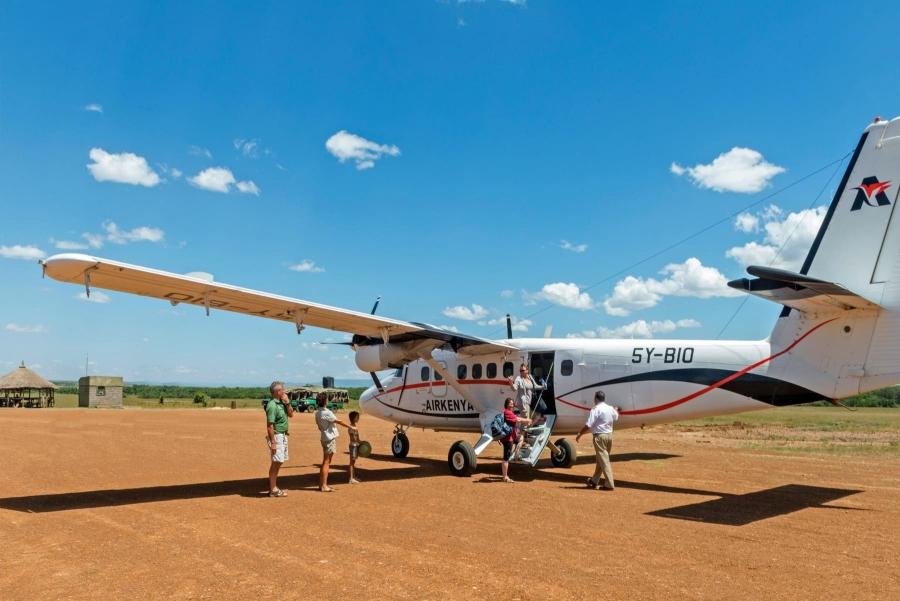
Discover Masai Mara safari by air, which delivers you directly into this world-class wilderness with some of the most exquisite luxury safaris in Africa. Fly non-stop, an added layer of thrill and excitement to seeing and doing more in less time.
What Makes a Masai Mara Trip So Special
The Masai Mara National Reserve and its neighboring wildlife conservancies enlists Kenya among the top safari destinations in Africa. Wide-open plains, an abundance of wildlife like elephant, buffalo, zebra, giraffe, hyena and the Mara’s famous big cats: lion, leopard and cheetah.
Moreover, come between July – August and November every year, the Mara welcomes the drama of the Great Wildebeest Migration, the thrill of spotting a cheetah or lions on a hunt, or the grace of a leopard lazily lying on a branch, with an unending masses of wildebeest march through the Mara River filled with deadly Nile crocodiles. Discover on your first Masai Mara safari.
“Masai Mara Photographic Tour”
Lemek Conservancy Landscape & Scenery
Open grasslands make up most of the terrain in the Lemek Conservancy, with trees scattered along the famed Mara River. Rolling hills make game drives exciting, secret hiding spots naturally created by the lay of the land where the wildlife species can be seen and they include big cats such as lions, sometimes leopards, and cheetahs. Other wildlife species that can be spotted in the Lemek conservancy include large herds of elephants, wildebeest, zebras, and gazelles.
Top 5 Best Things To Do In Lemek Conservancy
With only a few safari lodges and camps allowed here, Lemek offers an exclusive and intimate safari experience. There exists plenty of things to do in Lemek Conservancy. The conservancy not only preserves wildlife but also promotes eco-friendly tourism and cultural heritage. Visitors can enjoy guided game drives, walking safaris, and authentic cultural experiences that celebrate Maasai traditional values.
1. Safari Game Drives In Lemek Conservancy
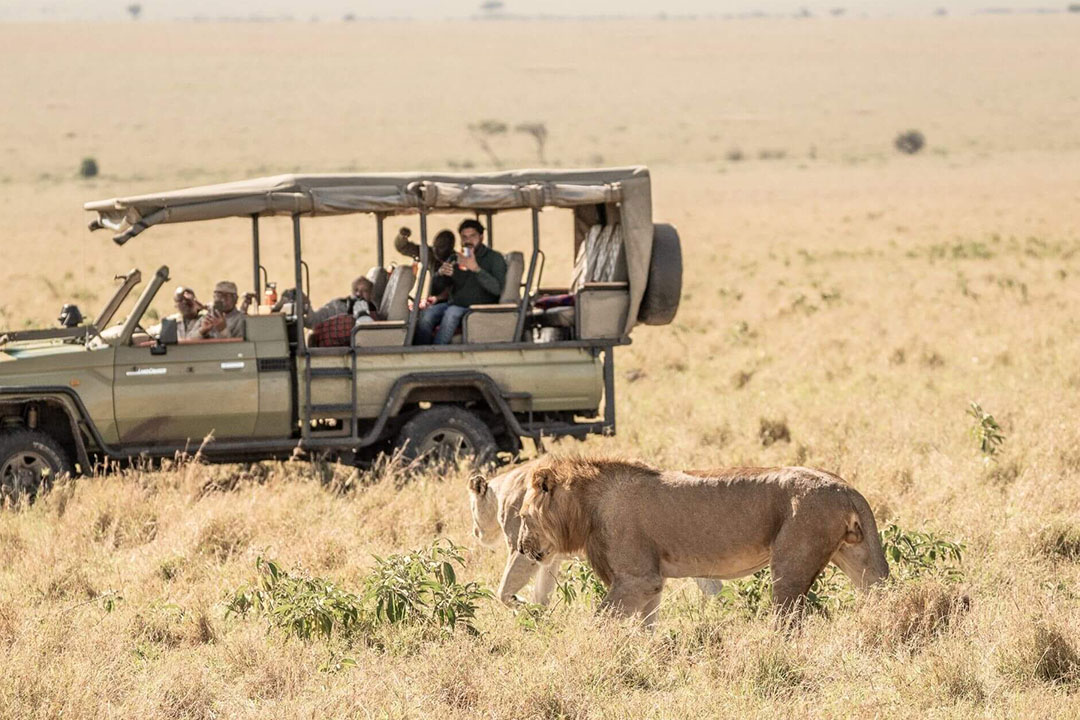
Game drives take place early in the morning and late afternoons, an incredible experience traversing the landscape in search of giraffes, zebra, lions, elusive leopards and so many more. In the neighboring Masai Mara National Reserve, guides must stick to the park’s roads. Here in the conservancy, your game-drive car can make its own tracks, on the lookout for lions, leopards, cheetah, and elephants.

2. Bush Dinners & Sundowners In Lemek Conservancy
At Lemek – start off the day with a set up breakfast overlooking the plains or take a break from game driving with a picnic under the shade of an acacia.
During your game drive your guide will find a scenic place to take a break to watch the sun sink behind the hills from a scenic rocky escarpment, ice-cold drink in hand – sip on your favourite fine wine while enjoying the sights and sounds of the wild.
3. Cultural Village Visit In Lemek Conservancy
The local Maasai communities here are not heavily touristed making for a more authentic visit. Visit a homestead and get to see the Maasai culture up close. View their bomas and learn about their ancient herding lifestyle.
Home to Big Five Wildlife
4. Bush Walks & Walking Safaris In Lemek Conservancy
The guided walking safaris in Lemek Conservancy are arranged by a qualified guide who will share the secrets of the bush with guests. Leave the comfort of your custom African safari vehicle and get close to the land, the flora, and even the smaller wildlife admire the wonderful terrain spread out in front of you as you keep an eye out for elephants in the distance, a roaming lion or a dazzle of grazing zebra.

5. Night Safari Game Drives In Lemek Conservancy
An exclusive of the conservancies, extend your safari adventure when the sun begins to set. You’ll follow the land’s transition to the night-time when a whole new cast of wildlife emerges. Experience the sounds and glowing eyes of nocturnal predators all about.
Best Safari Things To Do At Lemek Conservancy
With only a few safari lodges and camps allowed here, Lemek offers an exclusive and intimate safari experience. There exists plenty of things to do in Lemek Conservancy. The conservancy not only preserves wildlife but also promotes eco-friendly tourism and cultural heritage. Visitors can enjoy guided game drives, walking safaris, and authentic cultural experiences that celebrate Maasai traditional values.
The Animals & Wildlife In Lemek Conservancy
When it comes to wildlife sightings in Lemek Conservancy, some of the big five are known to frequent this area, so sightings of lion, leopard and elephant are high. Other wildlife species that can be seen in the Lemek conservancy include large herds of elephants, wildebeest, zebras, and gazelles.
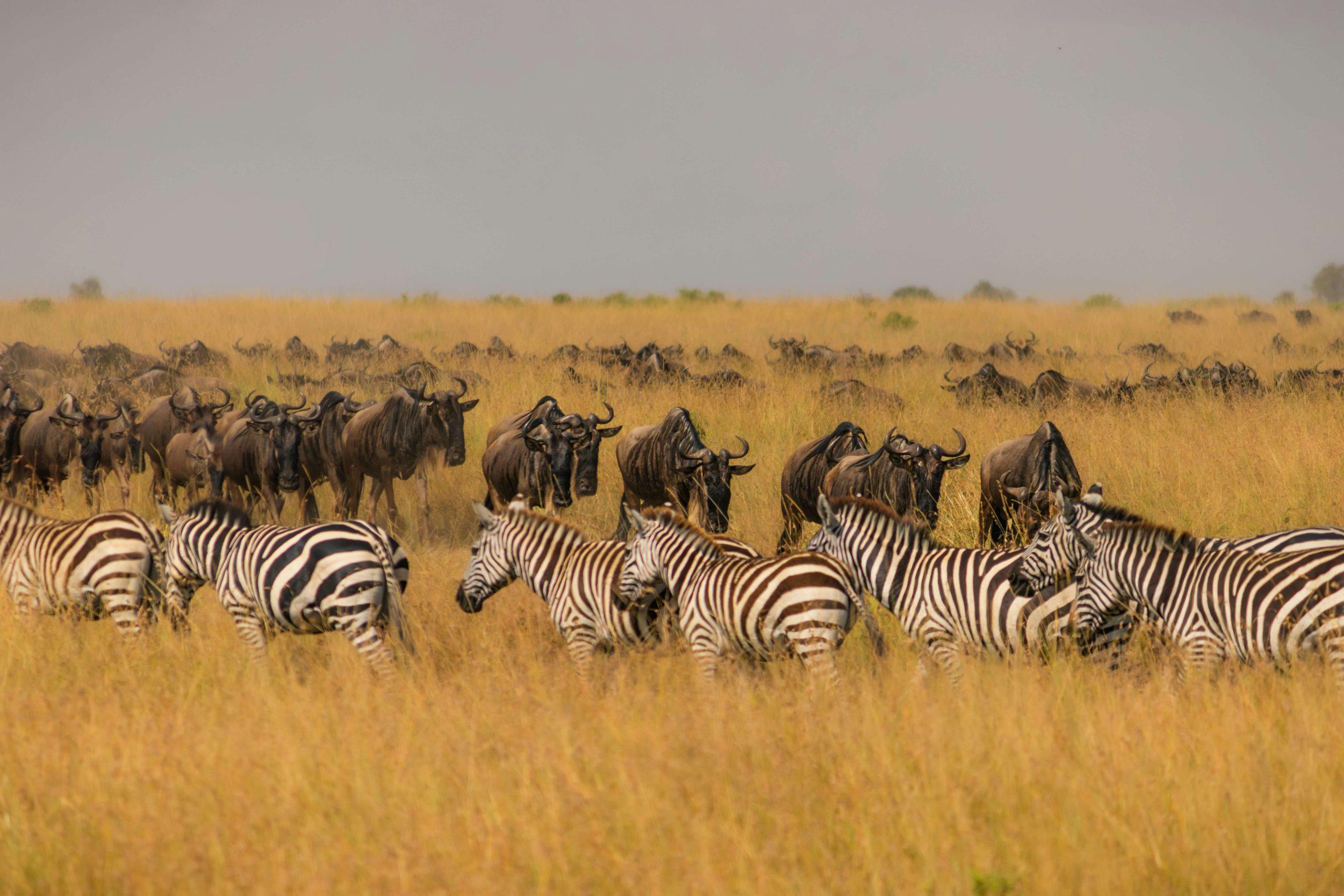
If lucky enough to be in this region during the annual great wildebeest migration season, sightings of thousands of wildebeest crossing between Kenya and Tanzania are an absolute highlight of any visit to this area. The conservancy serves as a safe haven for migrating animals and the predators that follow them, offering an up-close view of one of nature’s most awe-inspiring events.
Home to Big Five Wildlife
The Chances To See Wildlife In Masai Mara
That said, it’s somewhat possible to spot not just the ‘Big Five’ as often mentioned widely, but rather the ‘Big Nine’ which includes; Lions, Leopards, Elephants, Rhinos, Buffalos, Giraffes, Zebras, Cheetahs and Hippos. This is made possible by the nature and richness of the reserves landscape, one can see all of the above animals not just in a single game drive, but also with a little more luck, within your 3 days Masai Mara safari drive in the reserve.
Best Time To See Wildlife In Masai Mara
While planning your safari to Masai Mara, wildlife viewing in Masai Mara is good throughout the year, with the safari months from June to October relatively dry therefore offer the best general wildlife watching. If you wish to catch the wildebeest’s crossing, the best months for the wildebeest migration are August to October year to year as the animals move with the rain in search of greener pastures.
Stay at a Luxury Lodge
Best Time To Visit Lemek Conservancy
The Dry season months from June to October, when animals draw near to water, are ideal for visiting Lemek Conservancy. The short rains usually fall in November and December, with longer rains likely in March and April (sometimes continuing into May). The dry spell between the rains in January and February offer excellent wildlife sightings and great conditions for safari but it can be busy then. Migratory birds are present from November until April.
Temperatures are consistent year-round, and rainfall is all that differentiates the seasons.
Weather & Climate At Lemek Conservancy
The weather and climate of Lemek Conservancy is identical to that of the Masai Mara National Reserve.
Due to the altitude, the climate in Lemek Conservancy is slightly colder and wetter than might be expected this close to the equator. Daytime is pleasant with temperatures in the mid to high twenties Celsius (mid-seventies to low eighties Fahrenheit), while it cools off significantly at night.
Lemek Conservancy Weather
Dry Season In Lemek Conservancy – June to October
Consider this the perfect time for going on a Kenya safari; the days are sunny and it’s rarely very hot. Nevertheless pack some warm clothes for the morning game drives which can be very chilly.
June, July & August
June, July & August – During this time, consider Masai Mara generally sunny and dry with afternoon temperatures averaging at around 25°C/ (77 degrees Fahrenheit), and during the night you will experience cold evenings and early mornings when temperatures are at around 12°C/54° Fahrenheit.
September & October
September & October – At this time of year, it’s mostly dry although you can expect occasional rain showers. Daytime temperatures in October are slightly at an average of 27 degrees Celsius (81 degrees Fahrenheit). On your early morning game drives expect it to be chilly at around (around 12°C/54°F).
Wet Season In Lemek Conservancy – November to May
It’s that time of the season when we experience rainfall in the Masai Mara. Talking about abrupt short afternoon showers. We recommend that on your list of what to pack for your Kenya safari bring with you warm clothing.
November & December
November & December – marks the start of the ‘Short rains’ – expect short rain showers during these two months with afternoon temperatures at an average of around 27°C/81 degrees Fahrenheit).
January & February
January & February – Rainfall slows down, although incidental rain shower do still occur.
March, April & May
March, April & May – this is the long rainy season with April being the wettest month. However – you don’t have to worry about it raining all day long but it does rain regularly, typically in the form of afternoon showers. Early morning game drives can be slightly warmer with average temperatures in Masai Mara around 13°C/55°F.
The Best Masai Mara Private Conservancies
As you head over to the legendary Mara River to spot any one of seven species of kingfishers, from the Giant Kingfisher to the tiny Pygmy Kingfisher. The forests lining the river are home to the colourful Ross’s Turaco and the Schalow’s Turaco. The most impressive birds of the Mara are the birds of prey, from the mighty Martial Eagle to the tiny Pygmy Falcon. The Martial Eagle is so strong it is known to feast on young impala and dikdik. However, the most iconic of the birds of prey is the Bateleur. Looking up and watching a Bateleur glide across the clear blue African skies is quite a memorable sight to see.
Luxury Masai Mara Safari Tours
Want To Visit Masai Mara National Reserve? The Mara is a rewarding African safari destination which offers many unique experiences, depending on your travel style from Mid-Range Masai Mara safaris to Luxury Masai Mara safaris.
Additionally, for those who wish to explore Kenya in more intimate ways, our Masai Mara Honeymoon Safaris are your best bet; whilst those who would desire to connect with loved ones, our Masai Mara Family Safaris offer you that opportunity; nonetheless the list doesn’t end there, if spending time alone is your way of travel, explore our Masai Mara Private Safaris.
Best Kenya Safari Packages
Want to visit Masai Mara National Park? This is one of the most rewarding safari destinations in southern Kenya that you can easily add on a safari package to Kenya top destinations. Being close to Nairobi, you can easily start off with short Nairobi daytrip tours then proceed to Masai Mara making it easy to visit in a short time frame, and combine it with other parks as well.
You have plenty of choices to pick from, Masai Mara midrange safaris to Masai Mara luxury safaris depending on your travel style.
9 Days | 8 Nights
Best Kenya Air Safaris
Masai Mara Safari Costs
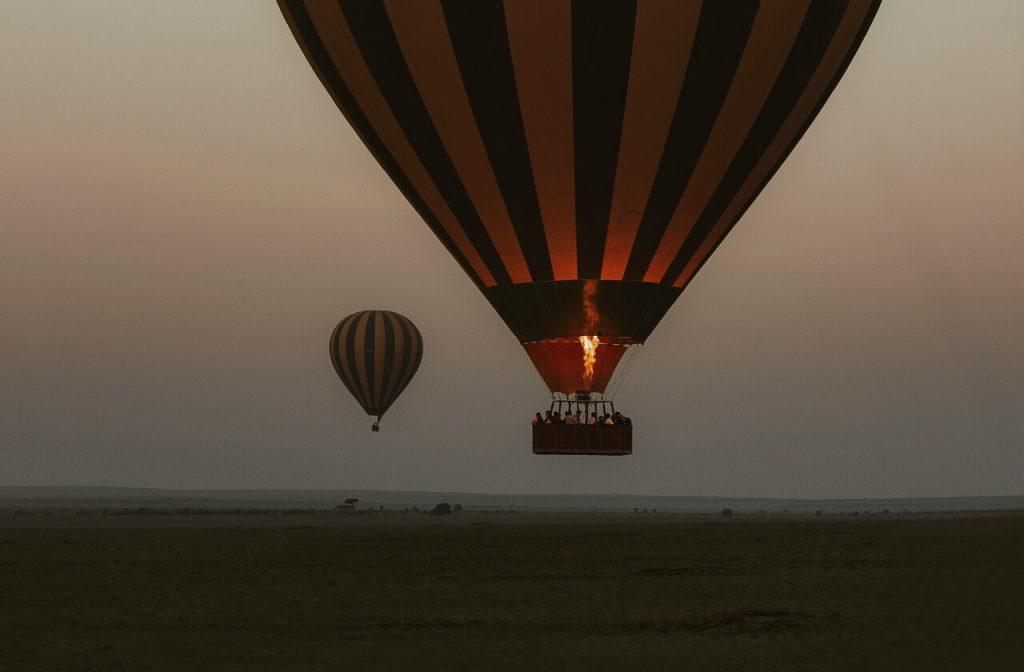
It’s not easy to give exact costs for a Masai Mara safari. There are many budget-influencing factors like the time of year you travel, how luxurious you’d like your stay to be, whether you fly or drive between camps and lodges, whether or not you go private and exclusive, and which extra activities you want to add to your itinerary, like spa treatments, hot-air ballooning and cultural visits. We can, however, provide estimated costs for a safari in the Masai Mara.
Ready To Plan A Private Masai Mara Safari?
Browse some of our favorite Lemek safaris & tours which promise a more intimate adventure especially for travelers longing for a more private safari experience far away from the crowds with plenty of flexible safari activities, this is your one chance to do one of Kenya conservancy safaris & tours. Maybe you’re planning your honeymoon safari in Africa or rather you just desire a more private family safari experience just know that you have plenty of options to choose from.
Frequently Asked Masai Mara Park Questions
Q. What are the documents I need to visit Masai Mara?
As for the documentations you need for your holiday in Kenya, keep in mind entry requirements can change, so please contact your local Kenyan embassy or high commission to verify that the following information below is up to date.
-A passport is required for all foreign visitors and must be valid for at least six months.
-No visa is required. Instead, all visitors must apply for an Electronic Travel Authorisation (eTA).
-Visitors must apply in advance for the eTA on www.etakenya.go.ke.
-The standard processing time is three days, but you can apply up to three months prior to travel and early application is recommended.
-When arriving from a yellow-fever-infected country in Africa or the Americas, a yellow-fever vaccination certificate is required.
-For more information we strongly direct checking the website of your local Kenyan embassy/high commission or the government travel advisories below:
Australia – www.smartraveller.gov.au
Canada – travel.gc.ca
EU Member States – ec.europa.eu
Ireland – www.ireland.ie
New Zealand – www.safetravel.govt.nz
United Kingdom – www.gov.uk
United States – travel.state.gov
Masai Mara Safari Reservations
Q. What type of clothes do I wear on a Masai Mara safari?
Pack lightweight, comfortable, and casual clothing for a Kenyan safari, including long sleeves, pants, comfortable closed-toe shoes, a wide-brimmed hat, and layers for cooler mornings and evenings on game drives. For more details, we suggest you do your own safari packing essentials and find out what fits your interests.
Browse our safari clothing packing advice on what to pack for your African tour:
- Lightweight trousers /shorts and t-shirts remain ideal for the daytime drives.
- Lightweight jacket / fleece for the early mornings and evenings.
- Remember to also pack some warm socks and a woolly hat would be suggested for early morning and evening game drives.
- Hiking shoes
Other items we would suggest you bring along with you include:
- Sunscreen glasses & hat/cap
- Comfy Shoes / Sandals
- Flip Flops to wear during the day
- A Torch / Lamp
- Binoculars
- Phone/laptop charger
- Pack your medication, and a spare set of spectacles or contact lenses if you wear these.
Q. What is the best time to see the Masai Mara wildebeest migration in Kenya?
The best time to witness the dramatic Masai Mara wildebeest migration in Kenya is typically between mid-July through mid-September where your chances of witnessing a river crossing are generally much higher. In early October marks the end of the herd crossing the river from Kenya down into Tanzania, as thunderstorms begin in the north the herds will embark on their return journey back to the Serengeti.
Checkout our Migration safari offers.
Q. Kenya Vs Tanzania: Which Is Better for an African Safari?
Choosing between Kenya and Tanzania for an African safari depends on personal preferences, BUT Kenya is the most chosen being cost & budget friendly during both high and low seasons. Secondly, when it comes to the best places to stay in Kenya and Tanzania, both destinations offer fantastic accommodations. Thirdly in terms of Big 5 sightings, the wildebeest migration & general game viewing, both destinations are safari heavyweights. In terms of privacy and extending your safari beyond game drives, there are more private conservancies in Kenya than Tanzania which offer you plenty of activities inside the park.
Lastly, Kenya safari is the most sought-after destination for the world’s best safari experiences, evident from the large number of celebrities visiting year in year out.
Q. Will I have a private vehicle or shared game drives with other people?
We tend to enforce a maximum person per vehicle policy of 6. Meaning, although you’ll be sharing with other guests, everyone will get a side-view seat with unhindered views.
Some trips are designed in such a way that a private vehicle and guide are included for a portion of the trip, but the use of a private vehicle throughout your safari comes at an additional cost.
Masai Mara Flying Safaris
Q. How many days do you need for an Africa safari?
The ideal duration for an East Africa safari package often ranges from 5 to 14 days, this allows you to enjoy a comfortable and a well-rounded rewarding safari experience during this African tour package. It also depends on the destinations you will visit, wildlife interests, and personal preferences.
Q. What do I do in case of an emergency?
We have a 24 hour emergency line. If anything goes south, we’re ready to assist you regardless of time or date.
Q. Are there malaria mosquito nets in Africa safari tented camps?
Many tented camps in Africa provide fitted mosquito nets in all rooms which are also insect proofed to protect you against malaria mosquito bites and other insect bites, ensuring a comfortable and safe stay.
It’s also advisable to carry insect repellent to further protect yourself especially in the outdoors during evenings.
Q. Is there Wi-Fi at the safari lodges & tented camps on safari?
Almost all Africa safari lodges and tented camp accommodations during your safari provide free Wi-Fi. You’ll find this available in all three accommodation levels – comfort or luxury accommodations.
Wi-Fi is provided in the public areas of the safari lodges/tented camps including the reception, dining areas, and lounge. It is not provided in the individual rooms/tents.
Moreover, because you will be inside a wilderness park, we still request that you come prepared with your own network data to avoid any inconveniences.
Kenya Safari Payment Methods
Q. Do you provide drinking water on safari?
East Africa is within the tropics and near the Equator, separating the northern and southern hemispheres. The tropical temperatures are relatively high on the safari route and even within the national parks/game reserves.
Because you’ll need to frequently hydrate during your safari, we ensure unlimited supplies of drinking water.
All Vulture Africa Safari vehicles are fitted with a cooler box or mini fridge with a constant supply of cool, bottled water.
We replenish our supplies of drinking water during stops along the safari route.
Here’s everything you need to know about packing for your Africa safari trip.
Q. Are mosquito nets provided in safari lodge rooms/tents?
We carefully research and choose our selection of top safari lodges and tented camps to offer the best in terms of comfort, relaxation, amenities, and atmosphere during your safari.
We fully understand the need for your protection against mosquitos and other insects.
All rooms/tents during your safari are fitted with mosquito nets or are insect-proofed to protect you against bites.
Tented camp showing bedroom with mosquito nets
You are also advised to use insect repellent to further protect yourself especially outdoors in the evenings.
Q. Is it possible to store excess luggage while on safari?
Vulture African Safaris understands that your holiday travel may be lengthy and could involve different activities during your trip. You may find the need to store some of your luggage at various times.
You can safely store your extra luggage at our Nairobi office for safekeeping until you have completed your safari.
This is a free service extended to all our safari guests.
Packing luggage for an East African safari holiday tour
Additionally, our 4×4 safari Jeeps accommodate generous luggage space in its rear luggage compartment.
Q. Do you handle requests for special dietary needs?
Kenya and Tanzania welcomes visitors from all over the world and their diverse diet preferences. These preferences may be due to religious beliefs, lifestyles, or health concerns.
The menus in all safari lodges & tented camps are continental cuisine however, vegetarian, kosher, halal, gluten-free, etc. meals are also provided.
We request you indicate your special diet needs during safari booking/confirmation.
Why Book Your Safari in Advance?
Q. Do you provide airport hotel airport transfers when we arrive and depart Nairobi?
As part of our safari tour services, Vulture African Safaris provides free pickup and return to the airport/hotel for any guests who are booked for a 3-day or more safari tour with us.
The transfers are provided even if you arrive or depart several days before or after your safari start/end.
Please let us know your arrival & departure flight details including airline codes and arrival/departure times. We will provide you with the name of your driver and telephone contact in advance of your arrival/departure.
Q. Do you book or can you recommend a Nairobi hotel for our pre or post-safari stay?
If you are arriving in Nairobi earlier than your safari starting date or are intending to stay a few days more after your safari finish, you will require a Nairobi hotel.
Our listed safari tours and advertised prices do not include your Nairobi hotel.
Nairobi has a wide range of hotels in the economy, comfort, and luxury categories suitable for your 1 night or extended stay.
As part of your safari tour, Vulture Africa Safaris will pick you up at the airport and bring you to your respective Nairobi hotel or residence. This includes most areas around Nairobi.
We suggest that you look up and book online your preferred Nairobi hotel. If you should require advice, suggestions, or booking assistance for your Nairobi hotel, we will be happy to assist.
We can make suggestions depending on your budget and what area of the city you are interested in staying.
Q. Can we purchase a local Sim card for use while in Kenya?
A Kenyan Sim card will greatly reduce your telephone roaming bills during your visit and while on safari in Kenya
1 GB of data costs an average of $5.
Safaricom, a telco provider in Kenya is the market leader with the best national coverage and better deals.
Sim cards can be purchased from official stores or approved resellers. You can purchase them at the Nairobi airport upon arrival. Cost is approximately $1 or Ksh.100
To purchase local sim cards, you are required to have a Sim-unlocked GSM-compatible phone.
Q. What are your recommended safari tipping guidelines?
Tipping in guidelines for Kenya and Tanzania safaris – although not mandatory, is expected in return for good service.
All hotels, lodges, and porterage gratuities are included in the cost of your safari – these are collectively referred to as the service charge.
You may also decide to tip individual waiters, porters, and other hotel service employees who provide exemplary service. Usually, $1 – $5 per meal or move is appropriate and appreciated.
It is, however, customary to tip your safari driver/guide at the end of the safari tour. The amount is dependent on your evaluation of the quality of the service rendered. An average of $10 per guest per day or 5-10% of your safari-only cost is suggested. However, the amount is at your discretion – you are welcome to provide additional compensation to any staffer who has provided special services. A bar gratuity of $1 is acceptable.
You may tip in Kenya shillings, USD, or in Euro at the end of your safari and preferably in an envelope.