
Serengeti National Park Safari
Remember, all our itineraries are totally flexible and can be changed to suit you.
About Serengeti National Park: The Ultimate Safari Guide
This is a complete guide to a Serengeti safari in Tanzania. Parts of the present Park were made into a National park in 1952. The boundaries were then changed and enlarged in 1959 to 14,763 sq. km. It is part of a coherent ecosystem some 35,000 sq. km in size.
The Serengeti is now both a World Biosphere Reserve and a World Heritage Site.
The Serengeti is world famous and with good reason. Not only is the migration of over 1.5 million wildebeest and other plains game through its plains and woodlands the most spectacular wildlife event on earth, but it abounds with other wildlife superlatives. The Serengeti is home to the world’s largest populations of wildebeest, zebra, Cape eland, lion, cheetah, hyena, gazelle (both Thompson’s and Grant’s), and no doubt much more. And on top of this it is scenically beautiful and has a wonderful sunny climate of cool nights and warm days.
So… if you are the kind of person that feels uncomfortable with humankind’s restless desire to subjugate nature and to dominate everything, you will enjoy the Serengeti! It is a natural world at its very best. Human beings take second place here. You come only to witness.
The towering granite monoliths of the southern plains, the 18 – 20 foot crocodiles of the rivers, shoulderto-shoulder masses of wildebeest on the move, and the chilling openness of the Gol Mountains are safari experiences that instill humility,
You get very close to the core of things in the Serengeti – beauty innocence, cruelty violence, and tranquility. When you leave and your thoughts float back to the savannas and the woodlands, they bring with them an ache – a longing to be part of this natural world again.
The park is world-renown, World Heritage Site and a Biosphere Reserve has arguably many unique attractions than any other National Park in Africa. The Great Migration of 1.5 million Wildebeests, the Big Five, highest concentration of carnivores and herbivores, rare and endangered Species, unique bird collections, Scenic and spectacular landscapes are some of the attractions one will encounter!
It is only when you get into the Serengeti on the ground that the vastness of the place becomes real. Many people think of it as only one destination to be seen in two days before rushing somewhere else. How wrong! There are very different places here with a range of habitats from treeless plains to mountains to closed canopy riverine forests and springs. On top of all this is the question of seasons. The wildlife and the character of places varies dramatically from one season to another.
“A Serengeti Safari Guide”
Safari Packages To Serengeti National Park
Here’s some of our most popular Serengeti safari holidays. If you don’t see what you’re looking for, send us a message below so that we may give you more range of holidays and tours in the destination. Book the best Serengeti safaris today.
6 Days | Kenya - Tanzania Photographic Safaris
7 Days | Kenya - Tanzania Photo Tour
8 Days | Kenya - Tanzania Photography Safaris
10 Days | Kenya - Tanzania Safaris
10 Days | Kenya - Tanzania Safaris
10 Days | Kenya - Tanzania Safaris
Tourist Attractions In Serengeti National Park
A Serengeti safari holiday delivers safari at its most elemental. It rewards both first-time travellers seeking the classic African safari and seasoned enthusiasts drawn back by its sheer, uncrowded scale. Away from the well-known Mara River crossing points, vast tracts of the park see remarkably few vehicles, leaving room for genuine solitude even during the busiest months.
1. The Great Migration Safari In Serengeti Park
The great wildebeest migration of more than 1.5 million accompanied by hundreds of thousands of zebras and half a million Gazelles as well as Elands with annual pattern seeking fresh grazing and water. Having a chance of encountering this phenomenon gives you a life experience from nature.

2. Wildlife In Serengeti Safari Park
All the classic big game animals of Africa are found in the Serengeti. Of recent importance are re-introduction programs for black rhino and Cape hunting dogs. The black rhino is being introduced in the north and south of the Park while hunting dogs are beginning to spread throughout.
3. Birding In Serengeti National Park
With more than 540 species recorded one quarter being those migrating from other parts of the world, part from an ecological important bird area and ideal place for bird lovers! Some of the species commonly seen are european and abdim’s storks, eurasian roller, barn swallows etc
3. Scenic And Spectacular Landscapes In Serengeti Park
The vast scenic and unspoiled landscapes among others made this area recognized as a World Heritage Site by UNESCO. With its vast plains, rolling hills and island of Kopjes contribute to the beauty of the park.
Serengeti Migrtion Safaris
Things To Do In Serengeti National Park
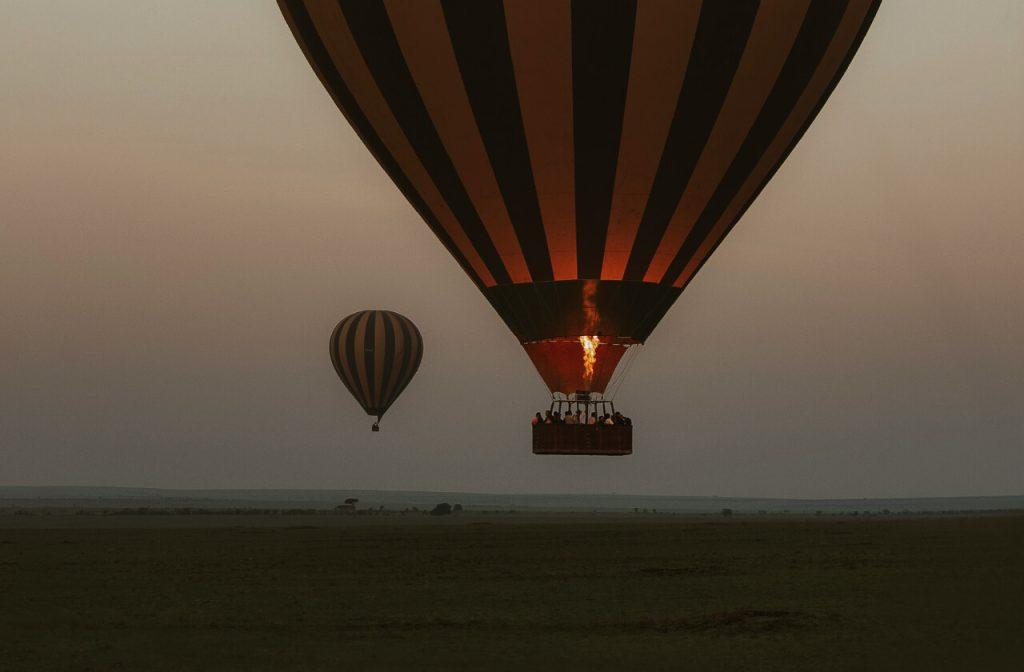
There are bucket list things to do in the Serengeti, which range from luxury experiences such as Hot Air Balloon flights over the plains where you can see wildlife down below, to less costly bush meals and nature walks or wildlife treks. Some of the most popular activities are brief visits to a traditional Maasai tribal village during which travelers get a fascinating glimpse into the unique way of life of these nomadic peoples. Tourists visiting Serengeti may book these activities below in advance of their visit to Tanzania.
1. Game Drives In Serengeti Park
Explore with expert guides at dawn and dusk, tracking lion, leopard and cheetah across open savannah and rocky kopjes.
2. Hot Air Balloon Safari In Serengeti National Park
Drift over the plains at sunrise for roughly an hour, followed by a champagne bush breakfast on landing.
3. Walking Safaris In Serengeti Park
Cover remote ground on foot with an armed guide, exploring wilderness far beyond the usual vehicle tracks.
4. Witness The Great Migration In Serengeti Park
Watch chaotic Mara River crossings or the southern calving season, depending on when you travel.
5. Maasai Cultural Visits In Serengeti Safari Park
Meet local communities for an authentic look at their traditions, daily life and enduring connection to this land.
6. Birdwatching In Serengeti Park
Track down regional endemics such as Jackson’s widowbird, Usambiro barbet and the rufous-tailed weaver.
When To Visit Serengeti National Park In Tanzania For A Safari
When is the best time to visit Serengeti? The Serengeti is a year-round destination with access to all parts throughout the year though the best time to visit the Serengeti for most people is when the Great Wildebeest Migration is in full flow, but actually you can see evidence of movement for many months, not just when the dramatic River Mara crossings are happening, which is June to September. During these months it is also extremely hot, pushing over the 30°C mark. Many people avoid the rainy season, March to early May, with another short one November to December. Although there is still great wildlife to be seen, at a fraction of the cost. However, January to February is green and gorgeous with young wildlife being introduced to the world.
Home to Big Five Wildlife
Animals & Wildlife In Serengeti Park
The Serengeti National Park offers a year-round wildlife spectacle. Wildlife viewing safaris in Serengeti National Park include:
Great Migration herds: Nearly two million wildebeest and zebra move in an endless circuit, culminating in dramatic Mara River crossings.
The Big Five: Lion, leopard, elephant, buffalo and black rhino all inhabit the park, though rhino sightings remain genuinely rare.
High big cat safari numbers: Significant lion, cheetah, leopard and hyena populations, alongside less common serval, bat-eared fox and caracal.
Resident herbivores: Giraffe, buffalo and elephant families roam year-round, dwarfed by the sheer openness of the plains around them.
An impressive bird tally of about 550 species can be found, including regional endemics such as Jackson’s widowbird, grey-crested helmetshrike, Usambiro barbet and rufous-tailed weaver.
Best Time For Wildlife Viewing In Serengeti Park
The Serengeti Park offers amazing wildlife viewing throughout the year. June and July are best months for seeing the migration and a possible crossing of the Grumeti River. The more famous river crossings of the Mara River can be witnessed around August and September in the north of the park. January to February is the best time for the wildebeest calving.
Serengeti Wildlife Safaris
Where To Stay In Serengeti Park
Among the factors that determine some of the best places to stay on safari in the Serengeti include the safari season and weather. Choosing the right place to stay in Serengeti is key to experiencing this natural wonder. Whether you prefer permanent lodges or mobile camps that follow the migration, the Serengeti offers a number of accommodations to suit every traveler’s needs. Here’s our best guide to the best accommodations in the Serengeti, tailor-made to follow the Serengeti wildebeest migration season.
January – March: Staying In Ndutu Region
Overlapping both the Serengeti National Park and Ngorongoro Conservation Areas, the Ndutu region lies in the southern Serengeti and is home to the Wildebeest Migration’s calving season.
While the calving season does not offer up the thrills of river crossings, it does present a remarkable opportunity to see the Wildebeest Migration in its entirety.
Tens of thousands of young Wildebeest are born during this period, and predators look to pick off an easy meal in the green and verdant expanses of this gorgeous corner of the park.
Safari lodges in the Ndutu region tend to be seasonal, closing their doors from April until October of each year.
Camping is not possible in the Ndutu region.
April – May: Staying In Serengeti Grumeti or Western Corridor
April and May are traditionally the rainy season in Tanzania, which presents a unique opportunity for visitors to experience the best Serengeti luxury lodges at almost half of the price.
While the Wildebeest Migration begins making its way north towards Kenya in earnest, the best game-viewing can be found in the Grumeti region of the Serengeti National Park.
Sometimes called the ‘Western Corridor’, this corner of the park is home to the Grumeti River. This is the first major obstacle in the path of the Wildebeest Migration and visitors can hope to see a river crossing as the herd attempts to cross the river.
For those not wishing to spend a fortune on their safari, April and May also see luxury lodges across Tanzania lower their prices substantially.
While tented camps are not ideal in the wet conditions, luxury lodges such as Serena, Sopa, and even the Four Seasons reduce their prices considerably at this time of year.
Camping is definitely not recommended in the wet and muddy conditions.
June: Staying In Central Serengeti
June marks the beginning of peak safari in the Serengeti, and the Seronera region at the heart of the park is where you’ll find the best game viewing at this time of year.
Due to the large number of lions, leopards, and cheetahs who call Seronera home, the Central Serengeti is worth visiting no matter what time of year your safari is.
In June, however, the area comes alive as the Wildebeest Migration continues on its way north.
For those wishing to camp, Seronera Campsite offers budget-friendly accommodation.
July – September: Staying In Northern Serengeti
The most popular time of year to visit the Serengeti is definitely during the months of July, August, and September.
With the Wildebeest Migration approaching the Mara River and the Kenyan border, the high drama of a river crossing becomes increasingly likely.
A number of seasonal camps and lodges open their doors for these months, catering to those who want to be as close to the action as possible.
Combined with sometime in the Central Serengeti, a visit to the Northern Serengeti should be the ultimate goal of any adventurer looking to witness the Wildebeest Migration.
October – November: Staying In Central Serengeti
With the Wildebeest Migration mostly taking place in the Maasai Mara region of Kenya during these months, the Serengeti experiences a little bit of a downturn in terms of visitors.
This shouldn’t put you off, however, as the Serengeti is worth a visit at any time of year.
Large herds of elephants, giraffes, antelopes, and zebra call the park home throughout the year, and big cats remain regardless of where the Wildebeest Migration is.
As the Wildebeest Migration begins its movement back into the south during these months, there’s every chance you’ll catch the herd without the usual crowds.
The Seronera/Central Serengeti region of the park is worth a visit at this time of year, and boasts some of the park’s most luxurious and unique lodge and tented camp experiences.
December: Staying In Serengeti Ndutu Region
The Wildebeest Migration comes full circle as it returns to the Ndutu region in December.
While Christmas and New Year’s are typically busier and more expensive than other times of year, it’s a fantastic time of year to visit Tanzania and end/begin your year on a unique note.
A Safari In Serengeti
Wildebeest Migration Safari In Serengeti
Witness the Wildebeest Migration, the roughly two million wildebeest, starts in the south of the Serengeti, with the birth of half a million calves between January and March. A favourite season for many of the seasoned Serengeti guides: the air during these months is full of new life and action.
The journey starts in Southern Serengeti when wildebeest calves are being born. Predators like lions and hyenas are constantly hunting for babies, and thousands and thousands of calves are born within a couple weeks of each other – a feast for the eyes of true wildlife enthusiasts.
When the drought comes in May, the herd moves north, towards the Masai Mara in Kenya, chomping down the high green grass, quickly followed by the gazelles and zebras. The migration is not without risk: crossing rivers means facing about 3,000 crocodiles, patiently waiting for a kill. Not to mention the famous Serengeti lion population: by far the largest in Africa. Despite the abundance of hoofed meat in this area, life is not easy for these big cats in this unforgiving landscape. But seeing a group of lions collaborating to hunt down a wildebeest is an unforgettable sight.
Then, with the beginning of the short rains in late October, the migration makes its way back into the Serengeti. By December, the herds trek past Seronera – a small settlement in central Serengeti where the official Serengeti Visitors’ Centre is located – to return to their calving grounds again, and the circle is complete.
Serengeti Safari Destinations
The following are the best Serengeti safari areas. These are places you will visit while on your Serengeti safari tour, therefore it is advisable to add more days in Serengeti so that you can better enjoy the wildlife experience during your Tanzania safari holiday. The Serengeti safari places include:
1. Seronera & Southcentral Serengeti Plains
Central Serengeti safari area – A stay or visit to the Seronera area, in the very heart of Serengeti National Park, involves a bit of compromise. The area southeast of Seronera becomes the center of wildlife viewing during the December-April rain season as vast herds of wildebeest congregate here in this period. Seronera is also known as predator centre of the Serengeti, sightings of leopard, cheetah and lion is (almost) guaranteed. The peak of wildlife and visitor activity is between March and May, the period in which the wildebeest and their entourage are found in the area. It also is a pleasant area to be as it offers a variety of different habitats and water is available year-round. The upsides, abundant wildlife, great accessibility and many facilities, come with a price. It is important to realize that parts of this area experience very high visitor traffic. The area may attract a serious bunch of safari vehicles, especially when it concerns big cat sightings. In unfortunate circumstances you may see a single lion, whilst being joined by a pack of 20 safari vehicles. However, it is still very well possible to enjoy the Seronera area (and you should!): why not try to avoid the crowds or select more remotely located accommodation.
2. Southeastern Plains & Ndutu
South-eastern Serengeti safari area – The southeastern portion of Serengeti is teeming with wildlife year-round, but the peak in terms of wildlife density is between December and April. Giant herds of wildebeest and zebra are attracted by the seasonal rains pouring down. In this period the best area to see wildlife is around Lake Ndutu, in the heart of the wildebeest gathering. This is where female wildebeest give birth to countless calves and therefore makes up one of the highlights of the Great Migration. All these young herbivores serve as a magnet to predators with the result of southeastern Serengeti becoming the dramatic scene of new life, and death. The Vachellia woodlands surrounding the lakes provide shelter to a range of birds not to be found elsewhere in the Serengeti. Stay alert and you may spot a fantastically coloured Fischer’s lovebird. With all the action concentrating in this area it is important to point out that the phenomenon attracts, besides predators, a lot of visitors, resulting in high vehicle traffic. The December to March period also implies that it may rain significantly.
3. Western Corridor In Serengeti
The Western Corridor, or Serengeti west, ìs a stretch of land following the course of the Grumeti River from Serengeti Central for about 100 kilometers out towards Lake Victoria. Both the Grumeti and Mbalageti rivers support extensive chunks of riverine forests before emptying into Lake Victoria. Also, a few minor mountain ranges are found in the area. The Western Corridor is an aesthetically pleasing portion of the park and supports a sizeable spectrum of resident wildlife throughout the year. The busiest period in terms of visitors is the May-July period which coincides with the Great Migration passing through the Western Corridor on their trek to the north. While the crossing of the Grumeti River may be lesser known compared to its northern counterpart, the crossing of the Mara River, but offers sightings just as exhilarating with the added benefit of fewer fellow visitors at the crossings. The Grumeti River is the first enormous obstacle for the herds to tackle. The narrow stretch of land comprising the Western Corridor is flatter than the more northerly parts of Serengeti National Park. It is moister and more densely vegetated than the southern plains. The characteristic vegetation of the Western Corridor is park like woodland, dotted with areas of open grassland and dense stands of the whistling thorn (Vachellia drepanolobium).
4. Grumeti Game Reserve In Serengeti
Grumeti Game Reserve is next to Serengeti National Park, and is a key part of the greater Serengeti ecosystem. In the remote western reaches of the Serengeti, there are only a few lodges here, and one not often sees other safari vehicles. As Grumeti is in a remote and beautiful corner of Serengeti National Park, it perhaps is one of its best-kept secrets. Because of its remoteness, it makes for an exceptional game viewing experience with the feeling of the exclusivity. The number of visitors in Grumeti is limited to around sixty guests in only a few small Serengeti luxury camps, this is a prime quality area devoid of tourist crowds. Looking for a private experience without the crowds? Grumeti allows you to experience a private Serengeti. Grumeti is known for its large lion prides comprising between 20 and up to 60 individuals. The opportunities for seeing lions in Grumeti are outstanding; this is also the place where you can enjoy a sighting alone.
5. Northern Serengeti, Lobo & Loliondo
Northern Serengeti safari area – Serengeti North serves as an essential corridor for the Great Migration connecting the southern green season short-grass plains in the south with the dry season areas up north. The northern Serengeti is unspoiled and beautiful and quiet in comparison to the southern Serengeti plains. The area stretches from the Lobo Hills southwards to Seronera and is typified by green rolling hills, which is a pleasant diversion from the much flatter southern plains. As the area is much denser in terms of vegetation, wildlife viewing is more difficult and does not match up to the plains south of Seronera. However, as the northern Serengeti is much quieter in terms of tourist visitors, it may be worth considering this slight drawback as it means that you may go on a game drive without seeing a single other vehicle. Just imagine crossing this landscape of open grasslands with sprinkles of dense woodlands in complete privacy.
6. Serengeti-Mara Destination
Serengeti North safari area – In terms of general game viewing this one part of the northern Serengeti National Park is the only section that can match the southern plains. This expansion of the world famous Masai Mara National Reserve is home to significant numbers of lion and cheetah. But also elephant herds, topi, zebra, buffalo and wildebeest can be found here throughout the year. The icing on the cake is a small population of rare black rhino.
Serengeti Migration
Best Time For Wildebeest River Crossings In Serengeti
When the annual Great Migration arrives in the area (July–September) wildlife viewing along the course of the Mara River is nothing short of breathtaking. Perhaps images come to mind of great herds of crossing a river whilst being awaited by crocodiles? Serengeti Mara is the best location in the national park to see these dry season wildebeest river crossings. To make your Serengeti safari extra special we suggest considering a balloon safari which are being operated in this season. During the Great Migration period, enormous herds of wildebeest and their entourage congregate on one side of the Mara River. It may take a while (sometimes up to a few days) before one brave individual dares crossing the river, the rest will then follow suit. Peculiarly enough, these herds sometime move back and forth from one side of the river to the other, for no apparent reason.
Best Months to Visit Serengeti National Park
The Serengeti doesn’t have an off-season — it has phases. Rainfall, not temperature, is the variable that shapes a safari here, and each month brings the migrating herds to a different part of the ecosystem. The best Serengeti safari months include:
Visiting Serengeti From June To October: Dry Season
Rainfall is minimal, so tracks remain accessible. Grass is short and thinning, which means animals are visible rather than concealed. Most importantly, seasonal water dries up and wildlife concentrates around the rivers and permanent waterholes, so predators and prey are drawn into predictable, findable areas. For a first safari, when you want a reasonable guarantee of seeing a great deal in a short time, these conditions are hard to beat.
The weather is comfortable. Morning game drives are genuinely cold, cold enough that a fleece and a blanket are welcome, while midday sits warm and dry. Evenings cool quickly after sunset.
This is also when the herds are in the northern Serengeti and the Mara River crossings take place, roughly July through October. If it’s the Wildebeest River crossing the event you are on holiday for – being based in the north rather than driving up to it for the day. If you are considering this window, book far sooner than feels necessary.
Serengeti Safari In January To March: Calving Season On The Southern Area
A short dry spell falls between the short and long rains, and the herds settle onto the mineral-rich short grass plains of the southern Serengeti and Ndutu to give birth. Roughly half a million calves arrive within two to three weeks, usually peaking in February, with thousands born on a single morning at the height of it.
Predators gather in response. Lions, cheetahs, spotted hyenas, and jackals all converge on the plains, and because the ground is flat and open, you can watch a hunt develop from the first crouch to the outcome instead of losing it in scrub.
It is quieter than July to September, generally cheaper, and the landscape is green with the Ngorongoro highlands standing on the horizon. The only real requirement is being based in the south, because the herds will not be anywhere near the north or the central circuit.
Visiting Serengeti In April And May: The Long Rains, The Green Season
A Serengeti safari in May is green in a way it simply never is in August. Skies build enormous and dramatic in the afternoons. Birdlife peaks, with resident species in breeding plumage and migrants present. You can drive for long stretches without meeting another vehicle, and a good sighting is often yours alone for as long as you want it.
The rain frightens more people than it should. It usually arrives as an intense downpour that clears within an hour or two, not the all-day rainfall that people usually think. Mornings are frequently clear. Drives run as normal.
During this time, you can get cheap Serengeti safari tours as rates are at their lowest of the year. If your budget is fixed, April and May buy you either a considerably better camp or several additional nights for the same money as August, and extra nights almost always improve what you see. The right area is the central Serengeti, because resident wildlife does not migrate. The lion prides, leopards, cheetahs, elephants, and buffalo of the central plains are there in May exactly as they are in peak season. The downside to this period is that the grass is longer, which makes smaller animals harder to spot and puts more weight on your guide’s ability.
A Serengeti Safari In November And Early December
The short rains arrive, the herds turn south through the eastern Serengeti, and the park greens up again. Visitor numbers drop sharply, rates sit well below peak, and the landscape is active rather than settled. November is one of the most underrated months on the calendar. You get much of the green season’s quiet and value, with herds visibly on the move. From mid-December onward, demand and pricing begin climbing again toward the festive period.
Kenya & Tanzania Safari Packages
Then customise yours with an expert.
Our listed Kenya and Tanzania safari packages are chosen to inspire and enlighten you – they show how top attraction destinations can work together in an itinerary. From the best 10-Day Kenya and Tanzania safari itinerary, when it comes to planning African vacations, we’re the tailor-made travel specialists. An African Safari Expert will customize your vacation, shaping it around your individual wants and preferences.
9 Days | 8 Nights
Best Air Safaris
Climate & Weather In Serengeti National Park
The weather in Serengeti National Park is generally moderate and pleasant. The Serengeti never gets very hot, but it is consistently cool to cold at night and in the early mornings. When packing for a Serengeti safari, don’t forget to take warm clothing especially for the morning game drives. We have two climatic seasons in Serengeti, the Serengeti dry season starts from June to October whilst the Wet season consists of two rainy periods – the short rains in November to December and the long rains as from March to May, with a dry spell in between both periods. During the wet safari season, it hardly rains all day, but afternoon rain showers should be expected.
The Serengeti Dry Season from June to October
During this period in Serengeti Park, the afternoon temperatures are usually around 25°C/78°F. Also, the sky is clear most days, and it gets cold at night with minimum temperatures around 15°C/55°F.
Serengeti in June, July, August & September – Occasional cold fronts are possible, with temperatures close to freezing. It’s generally chilly early in the mornings, so wear warm clothing’s during this time.
Serengeti in October – During this time, the short rains might start at the end of October if they are early.
The Serengeti Wet Season from November to May
During the dry season months in Serengeti National Park, temperatures are moderate. Serengeti afternoon temperatures are usually around 26°C/80°F, and nighttime temperatures are around 18°C/60°F.
Serengeti Park in November & December – the arrival of ‘short rains’ – This is an unpredictable period of about a month of rains occurs sometime between November and December. The rains will not likely interfere with your safari, everything will go on as usual.
Serengeti safari in January & February – During this time, there is usually a dry spell between the short and long rains. The exact timing is unpredictable.
Visiting Serengeti in March, April & May – the arrival of ‘long rains’ – These are Serengeti wettest months. It tends to rain most days, although seldom for the whole day. It is often cloudy.
Birds & Birding In Serengeti National Park
More than 500 bird species have been recorded in Serengeti National Park. The park is a significant part of the Serengeti-Mara ecosystem, which is one of Africa’s Endemic Bird Areas and hosts five bird species found nowhere else. Of these, grey-breasted spurfowl is common around Seronera, while Fischer’s lovebird and rufous-tailed weaver (a fascinating bird placed in its own genus) are conspicuous in woodland, but Usambiro barbet and grey-crested helmet-shrike are less easily seen. Migratory birds are present from November to April.
Some of the popular birds in Serengeti include; Black-headed gonolek, Fischer’s lovebird, Green-backed woodpecker, Grey-backed fiscal, Grey-breasted spurfowl, Grey-crested helmet-shrike, Hildebrandt’s starling, Red-capped robin-chat, Rufous-tailed weaver, Rüppell’s vulture, Schalow’s turaco, Silverbird, Southern ground hornbill, Usambiro barbet, Verreaux’s eagle, and Yellow-throated sandgrouse amongst others.
The Best Time For Bird Watching In Serengeti National Park
Bird watching in the Serengeti is good year-round but at its very best from November to April when Palearctic and intra-African migratory birds are present. This is also nesting time for resident species and some birds can be spotted in their breeding plumage. The best time for Serengeti wildlife safaris is January to February and June to October, depending on the area you are visiting inside the park.
Landscape Scenery In Serengeti Park
Serengeti’s immense landscape is simply stunning. Serengeti National Park is well known for its open savannahs and endless grasslands. In reality, the Serengeti ecosystem is much more varied than that. This wide & untamed wilderness is renowned for its grassland plains punctuated with rocky outcrops (koppies) in the southeast. The Western Corridor follows the Grumeti and Mbalageti Rivers with associated riverine forests toward Lake Victoria, while the Lobo Hills area is characterized by big granite boulders reaching up in the sky. Farther north the Mara River sets the scene for the infamous river crossings, the ultimate highlight of the wildebeest migration.
Serengeti Safety Tips
A trip to Serengeti National Park is very safe in our opinion. Crime within Tanzania’s parks and reserves is rare, and your guide will help to keep you safe. During your Serengeti safari, your safari guide will look after your safety. Always listen carefully to their instructions and follow the park rules. Serengeti wildlife viewing is generally very safe. Our professional guide will ensure your safety on a guided safari. Below are some general safety tips for Serengeti Park safaris:
Always keep your voice down when close to animals
Stay in the car during game drives except at designated areas where you are allowed to get out
Don’t stand up in the car, hang out of the window or sit on the roof
Stay together as a group close to your guide on a walking safari and always walk in single file
Never run or jog in a wildlife area as it entices predators to attack
Never walk between a hippo and water; it may panic and charge because its safety route to the water is blocked
Never leave food in your tent; it will attract wildlife
Cover your arms and legs in the evening and use insect repellent to protect against mosquitoes
Wear a hat, use sunscreen and drink plenty of water
Don’t wear bright and colorful clothes or too much perfume, especially on walking safaris
In tsetse-fly areas it is recommended not to wear dark-colored clothing, such as black or dark blue, since it attracts these stinging flies
Bring warm clothes for morning game drives in open vehicles
Serengeti Safari Ideas
The Serengeti is on almost everyone’s wish list for a safari to Tanzania, but one can only absorb the full extent of Tanzania’s extraordinary depth and character as a safari destination by including other places in one’s travels. The rugged wilderness of the southern and north western Parks, and the joys of Lakes Victoria and Tanganyika are a wonderful contrast. Indeed, one quickly reaches the conclusion that one safari is not enough. Welcome back one day!
When in Serengeti you may visit Fort Ikoma a German fort that was set up at the end of the 1890’s to spread the German influence in the Northern part of German East Africa. The Fort is situated on top of the most easterly of a series of low hills about one mile north of the Grumeti River.
The first European to set foot in the area was the German explorer and naturalist Dr. Oscar Baumann, who passed by as an agent of the German Anti-Slavery Committee on his way to Burundi in 1892. Baumann was in fact the first European to visit both Ngorongoro and the Serengeti together with his compatriots who built the Fort. The Fort was used as an administrative centre and a military outpost until it fell to the British in 1917 as the Germans were forced to retreat from what is now Tanzania during the World War I.
Questions About Best Serengeti Safaris
Q. Which Is The Best Area For Seeing Animals In The Serengeti?
At certain times of the year, some parts of the Serengeti are better than others because of the great migration. With that in mind, every location of the Serengeti is great for seeing animals year-round.
The most popular area of the park, especially for those on safaris is Central Serengeti, which is known as Seronera. Close to the airstrip and with lots of accommodations to choose from, this is the Serengeti at its finest, and is known for its big cat sightings and classic savannah landscapes. The western Serengeti is similar but much quieter, while out on the plains in the east you have a good chance of having any wildlife sightings to yourself. Even when the migration is elsewhere, the north of the park still has great wildlife. It feels appreciatingly remote, with some stirring scenery and very few travelers.
Q. How Many Days Should I Spend In Serengeti Safari?
If you have the time, we strongly recommend that you plan to spend 2 or 3 days in one area of the park, and then move on to another. Basing yourself in three different areas is the version of the best Serengeti safari, and it’s how to best plan your Serengeti trips. The Serengeti is very large and using a number of different locations is the only way to cover so much territory and see the park well. Although the time of year and the location of the great migration may influence your plans, you should at least spend 3 days in and around Seronera, a couple of days up in the north, and 2 further days in the east, west or south. If I had more than a week, I would very happily stay in each area longer.
Q. What Kind Of Serengeti Accommodations Can I Choose From?
The Serengeti Park has plenty of accommodations, including camping, safari lodges and tented camps. The only place where you can camp in a traditional sense is in the Seronera region in the Central Serengeti. For safari lodges and tented camps, however, you’ll find excellent choices in all areas of the park, even if Seronera has the widest choice. A safari holiday to Serengeti doesn’t come cheaply. Quite apart from the entrance and other park fees, most Serengeti accommodations fall within the luxury or high-end price category. All of these offer all-inclusive Serengeti packages that include not just accommodations but also all meals, game drives and other activities. A more affordable Serengeti safari option is to stay at one of the park’s mobile camps that occupy two or three different locations every year, usually to follow the migration. Choose the Serengeti tented camps over Serengeti lodges – there is no better feeling on safari than to be lying in bed at night and hear lions roaring right outside your tent.
Q. How Much Is The Cost Of A Serengeti Safari?
There are many choices to be made about your safari before the total cost of a Serengeti safari can be known, but most Serengeti safaris costs US$200 to US$300 per person per day for a mid-range safari and go up to US$700 per person per day for a luxury Serengeti tour.
The cost of your Serengeti accommodations will play a big role in deciding how much you pay. Mid-range Serengeti lodge safaris will cost significantly less than those that include a luxury lodge or tented camp. The same applies to when you travel to Serengeti during the high-season period of July to March will always be more expensive than other safari months and the type of safari you choose.
Q. Is The Serengeti Suitable For Families With Children?
Yes! Family-friendly Serengeti safaris accommodate children aged six and above with child-friendly safari activities, flexible schedules and safe accommodation. Cultural visits to Maasai communities also provide enriching, age-appropriate experiences for younger travellers.
Q. Do I Need Vaccinations For My Serengeti Safari?
Serengeti National Park is notably a malaria area, and bringing prophylaxis is strongly recommended for your safari in Serengeti – but consult your home doctor or home travel clinic before departure.
Yellow Fever for Serengeti Safari
Tanzania is not a yellow fever country, so a yellow fever vaccine is not mandatory. However, if you are entering Tanzania from a yellow fever country (such as Rwanda), you will need to present your vaccination certificate upon entry.
Malaria On Serengeti Safari
Malaria is prevalent across Tanzania, and we advise you to consult your home doctor before you depart about taking prophylaxis. It’s also essential to cover up in the evenings when the malaria-carrying Anopheles mosquito usually feeds. The malaria incubation period is 1–3 weeks, so if you experience any flu-like symptoms, headaches, aching joints and back or nausea and diarrhoea, it is recommended that you get tested at the earliest opportunity and let the medical people know you’ve recently travelled to Africa.
Q. What Should I Pack For A Serengeti Safari?
When it comes to what to pack for a safari to Serengeti National Park, consider packing the following:
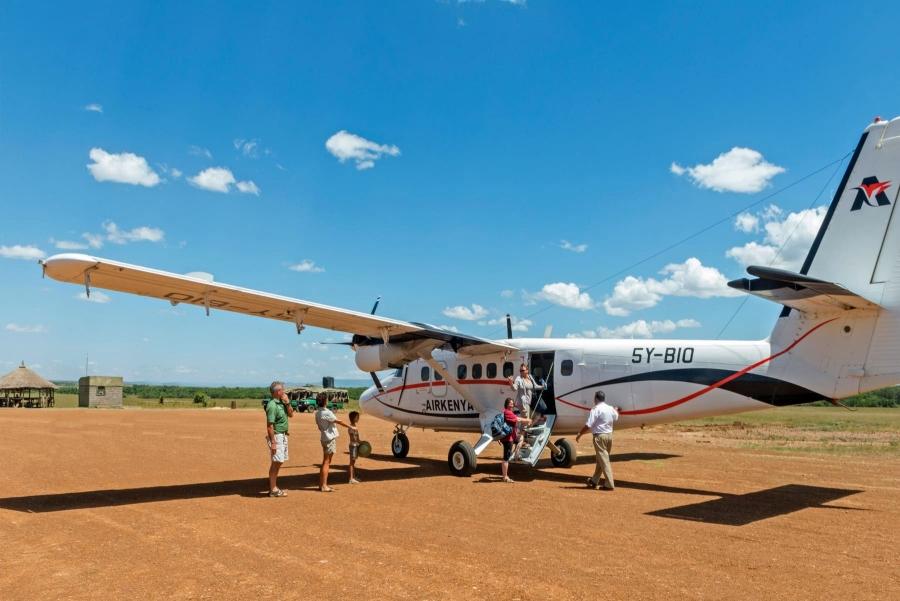
Pack Light for Safari: If your travels include transfers by light aircraft or mobile safari adventures, you’ll need to pack light. Restrictions aside, lightweight, technical safari clothes in neutral colours such as khaki and olive green are the best choice for a safari.
Pack a Warm Layer: Altitude, early morning starts, and cool evenings are some of the main reasons to pack a warm layer like a safari jacket or fleece. East Africa’s open-topped game-viewers and wind chill add to the cold factor, so make sure you are prepared for all conditions. Add a packable waterproof jacket in case of rain – or as an added windproof barrier.
Anti-Insect Clothing: Don’t let insects irritate your enjoyment of the bush. While the malaria risk in the Serengeti is low in some areas (with higher prevalence during the rains), it is not zero – and public health also recommends taking malaria precautions on a Serengeti safari.
Sun Protection: Lightweight, UPF50+ clothing is a must all year round in the Serengeti, where high altitude intensifies the effects of the sun. To protect yourself from painful, red sunburn – and the long-term effects of the sun – covering up is the best prevention. A wide-brimmed safari hat and accessories like the Vintage Print Head&Neck Scarf provide added protection (and look stylish too).
Wicking Clothing: Moisture wicking relates to the ability of safari clothing to draw moisture away from the skin. In doing this effectively and drying fast, this clothing helps to keep you cool and comfortable when the day heats up. Our wicking clothing has been designed and tested to provide insect defence that doesn’t compromise on the wicking performance of the fabric.
Boots, Shoes, and Socks: Whether you are going on an arranged walking safari or a short bush walk, the right footwear ensures nothing detracts from the magic of the experience. Our safari shoes and boots are made in Africa for Africa. They have also been tested by anti-poaching teams and recreational walkers in different locations to be sturdy, reliable shoes for walking on trails and in the wilderness. The Ultimate Anti-Blister Safari Socks are made from smart, wicking yarns in a double-layered design that prevents blisters. Walking through grass? Ankle gaiters keep your shoes debris-free and dew and ticks away from your ankles. Closed shoes are also a must to protect your feet from insects.
Take a Torch: A torch is an essential for safety and convenience after sunset on safari. If you are visiting an unfenced camp or campsite, this is especially important – and it will come in handy to scan for wildlife, snakes, and insects in low light conditions.
Serengeti Safari Reservations
Q. What type of clothes do I wear on Serengeti safari?
Pack lightweight, comfortable, and casual clothing for a Serengeti safari, including long sleeves, pants, comfortable closed-toe shoes, a wide-brimmed hat, and layers for cooler mornings and evenings on game drives. For more details, we suggest you do your own safari packing essentials and find out what fits your interests.
Browse our safari clothing packing advice on what to pack for your African tour:
- Lightweight trousers /shorts and t-shirts remain ideal for the daytime drives.
- Lightweight jacket / fleece for the early mornings and evenings.
- Remember to also pack some warm socks and a woolly hat would be suggested for early morning and evening game drives.
- Hiking shoes
Other items we would suggest you bring along with you include:
- Sunscreen glasses & hat/cap
- Comfy Shoes / Sandals
- Flip Flops to wear during the day
- A Torch / Lamp
- Binoculars
- Phone/laptop charger
- Pack your medication, and a spare set of spectacles or contact lenses if you wear these.
Q. What is the best time to see the Masai Mara wildebeest migration in Kenya?
The best time to witness the dramatic Masai Mara wildebeest migration in Kenya is typically between mid-July through mid-September where your chances of witnessing a river crossing are generally much higher. In early October marks the end of the herd crossing the river from Kenya down into Tanzania, as thunderstorms begin in the north the herds will embark on their return journey back to the Serengeti.
Checkout our Migration safari offers.
Q. Kenya Vs Tanzania: Which Is Better for an African Safari?
Choosing between Kenya and Tanzania for an African safari depends on personal preferences, BUT Kenya is the most chosen being cost & budget friendly during both high and low seasons. Secondly, when it comes to the best places to stay in Kenya and Tanzania, both destinations offer fantastic accommodations. Thirdly in terms of Big 5 sightings, the wildebeest migration & general game viewing, both destinations are safari heavyweights. In terms of privacy and extending your safari beyond game drives, there are more private conservancies in Kenya than Tanzania which offer you plenty of activities inside the park.
Lastly, Kenya safari is the most sought-after destination for the world’s best safari experiences, evident from the large number of celebrities visiting year in year out.
Q. Will I have a private vehicle or shared game drives with other people?
We tend to enforce a maximum person per vehicle policy of 6. Meaning, although you’ll be sharing with other guests, everyone will get a side-view seat with unhindered views.
Some trips are designed in such a way that a private vehicle and guide are included for a portion of the trip, but the use of a private vehicle throughout your safari comes at an additional cost.
Q. How many days do you need for an Africa safari?
The ideal duration for an East Africa safari package often ranges from 5 to 14 days, this allows you to enjoy a comfortable and a well-rounded rewarding safari experience during this African tour package. It also depends on the destinations you will visit, wildlife interests, and personal preferences.
Q. What do I do in case of an emergency?
We have a 24 hour emergency line. If anything goes south, we’re ready to assist you regardless of time or date.
Q. Are there malaria mosquito nets in Africa safari tented camps?
Many tented camps in Africa provide fitted mosquito nets in all rooms which are also insect proofed to protect you against malaria mosquito bites and other insect bites, ensuring a comfortable and safe stay.
It’s also advisable to carry insect repellent to further protect yourself especially in the outdoors during evenings.
Q. Is there Wi-Fi at the safari lodges & tented camps on safari?
Almost all Africa safari lodges and tented camp accommodations during your safari provide free Wi-Fi. You’ll find this available in all three accommodation levels – comfort or luxury accommodations.
Wi-Fi is provided in the public areas of the safari lodges/tented camps including the reception, dining areas, and lounge. It is not provided in the individual rooms/tents.
Moreover, because you will be inside a wilderness park, we still request that you come prepared with your own network data to avoid any inconveniences.
Serengeti Safari Payment Methods
Q. Do you provide drinking water on safari?
East Africa is within the tropics and near the Equator, separating the northern and southern hemispheres. The tropical temperatures are relatively high on the safari route and even within the national parks/game reserves.
Because you’ll need to frequently hydrate during your safari, we ensure unlimited supplies of drinking water.
All Vulture Africa Safari vehicles are fitted with a cooler box or mini fridge with a constant supply of cool, bottled water.
We replenish our supplies of drinking water during stops along the safari route.
Here’s everything you need to know about packing for your Africa safari trip.
Q. Are mosquito nets provided in safari lodge rooms/tents?
We carefully research and choose our selection of top safari lodges and tented camps to offer the best in terms of comfort, relaxation, amenities, and atmosphere during your safari.
We fully understand the need for your protection against mosquitos and other insects.
All rooms/tents during your safari are fitted with mosquito nets or are insect-proofed to protect you against bites.
Tented camp showing bedroom with mosquito nets
You are also advised to use insect repellent to further protect yourself especially outdoors in the evenings.
Q. Is it possible to store excess luggage while on safari?
Vulture African Safaris understands that your holiday travel may be lengthy and could involve different activities during your trip. You may find the need to store some of your luggage at various times.
You can safely store your extra luggage at our Nairobi office for safekeeping until you have completed your safari.
This is a free service extended to all our safari guests.
Packing luggage for an East African safari holiday tour
Additionally, our 4×4 safari Jeeps accommodate generous luggage space in its rear luggage compartment.
Q. Do you handle requests for special dietary needs?
Kenya and Tanzania welcomes visitors from all over the world and their diverse diet preferences. These preferences may be due to religious beliefs, lifestyles, or health concerns.
The menus in all safari lodges & tented camps are continental cuisine however, vegetarian, kosher, halal, gluten-free, etc. meals are also provided.
We request you indicate your special diet needs during safari booking/confirmation.