
Tarangire National Park Safari
Remember, all our itineraries are totally flexible and can be changed to suit you.
About Tarangire National Park: The Ultimate Safari Guide
The National Park is 2,850 square kilometers in area and was gazetted in 1970. It is only a small part of a much larger ecosystem of some 30,000 sq. km that comprises most of what is called the Maasai Steppe or southern Maasai land.
Amongst safari connoisseurs; those who really enjoy the African safari travel experience – the vast open spaces, the Acacia savannas, the dramatic wildlife, the sandy river beds, the sausage trees, the changing seasons, the cool fresh mornings, the heat of mid-day, the day-long birdsong, the sound of crickets at night, the whooping call of hyena, the far distant roar of lion – Tarangire is a place to put on your itinerary.
From the wide-open plains in the north, south along the Acacia and baobab studded ridges and valleys of the Tarangire River, and across vast seasonal swamps, wildlife gathers in large numbers. This is the dry season refuge for an enormous swathe of southern Maasailand, and between July and November the wildlife here is extraordinary by any standards Africa-wide.
“A Tarangire Safari Guide”
Safari Packages To Tarangire National Park
Here’s some of our most popular Tarangire safari holidays. If you don’t see what you’re looking for, send us a message below so that we may give you more range of holidays and tours in the destination. Book the best Tarangire safaris today.
6 Days | Kenya - Tanzania Photographic Safaris
7 Days | Kenya - Tanzania Photo Tour
8 Days | Kenya - Tanzania Photography Safaris
10 Days | Kenya - Tanzania Safaris
10 Days | Kenya - Tanzania Safaris
10 Days | Kenya - Tanzania Safaris
Tourist Attractions In Tarangire National Park
The best attractions in Tarangire National Park are its dry-season elephant herds, the life-giving Tarangire River, the ancient baobab trees that shape the landscape, and the Silale Swamp that pulls in wildlife when the surrounding land dries out. Tarangire is the third-largest park on the northern Tanzania safari circuit.
1. The Baobab Trees In Tarangire
The huge baobab tree is characteristic of these savannas and have been described by naturalists as a complete ecosystem unto themselves; their nooks and crannies provide places for bee hives or are occupied by small mammals such as genet and civet cats, and their enormous flowers are pollinated by fruit bats. Many baobabs are hollow and have provided shelter for wandering bands of hunter-gatherers in the past. No sighting is impressive in Tarangire like its baobabs. Locals sometimes call them upside-down trees, since the bare branches look like roots reaching for the sky.
Baobabs are more than scenery. Elephants strip and gouge their soft bark for moisture, leaving deep scars you will notice up close, and the hollows and cavities shelter birds, bats, and small mammals. Photographers time the golden light of early morning or late afternoon around these trees, using them as anchors for the wide plains behind. If you only remember one image of the park, it will probably be a baobab with an elephant in its shade.

2. Tarangire Birdlife Sightings
It is also a birder’s paradise with more resident breeding species than anywhere else in Tanzania. Raptors are everywhere; from the masters of predation and soaring – the martial and bateleur eagles – down to the tiny but vicious pygmy falcon. When it comes to birdlife across Tarangire park, with more than 550 recorded bird species, Tarangire is one of the finest birding parks in Tanzania, and this is an attraction in its own right rather than a side note. The dry-country specialists are a highlight, including the yellow-collared lovebird and the ashy starling, both of which are closely tied to this part of the country. Ground hornbills, bustards, and hammerkops are regular sights, and the swamps hold herons, storks, and plovers.
3. Tarangire River and Elephant Herds
The Tarangire river is fed by seasonal sand rivers originating to the East and South-eastern parts of the park. It flows northward along the park and empties into Lake Burunge. Within the park, the river is linked to/with Silale, Gurusi and Larmakau swamps. It is undoubtedly that Tarangire River with its associated. Through the long dry months, when seasonal water sources across the wider ecosystem shrink to dust, this river keeps flowing beneath the surface, and animals walk for miles to reach it. Elephants are the headline. During peak dry season you can see herds numbering in the hundreds gathered along the riverbanks, digging for water in the sandy bed and moving between the pools in loose family groups.
This is one of the few places in Tanzania where large elephant concentrations are a reliable draw rather than a lucky sighting, though numbers thin out once the rains return and the herds disperse. Buffalo, zebra, wildebeest, and giraffe follow the same pull toward water, so the river corridor tends to be the busiest and most rewarding drive in the park during June through October.
4. Silale Swamp and the Southern Plains
Deeper south, the Silale Swamp is a broad, black-cotton wetland that stays green long after the surrounding grassland has turned gold. This permanent water keeps the swamp fringes productive year-round, and the short grass around its edge is prime grazing. Big herds gather here, and where the herds go, predators follow. The southern sector around Silale has a reputation for lion sightings, including the park’s well-known tree-climbing lions that sometimes rest in the branches of acacias and sausage trees. Cheetah and leopard are present too, though both are harder to find and sightings are not something to bank on. Because this area sits further from the main gate, it sees fewer vehicles, which is part of its appeal for anyone wanting a quieter drive.
5. Lemiyon Plains and the Northern Gateway
The Lemiyon Plains near the northern entrance are usually the first part of the park visitors see, and they set the tone well. Open grassland scattered with baobabs and acacia gives long sightlines, which makes for easy game viewing soon after you pass through the gate. Giraffe browse the treetops, warthog trot through the grass with tails up, and elephant move across the flats toward the river. This is also a strong area for birds. The mix of open ground, standing trees, and proximity to water supports a wide spread of species, from ground hornbills striding through the grass to raptors perched and scanning. For a first drive, or a final one before you leave, Lemiyon delivers a lot without asking you to travel far.
6. Kitibong Hill
Toward the park’s western and eastern edges, Kitibong Hill and Boundary Hill offer higher ground and a change of pace. Kitibong, in the west, is buffalo country, with wooded slopes and open valleys that reward a slower, more patient drive. Boundary Hill in the east marks the meeting point of the park and community land, and the views from up here across the wider ecosystem help you understand how animals move well beyond the official boundary. These outer areas take effort to reach and are best paired with a longer stay, but they trade crowds for space. You are far more likely to have a sighting to yourself out here, which for many people is worth the extra hours in the vehicle.
Tarangire Safaris
Things To Do In Tarangire National Park
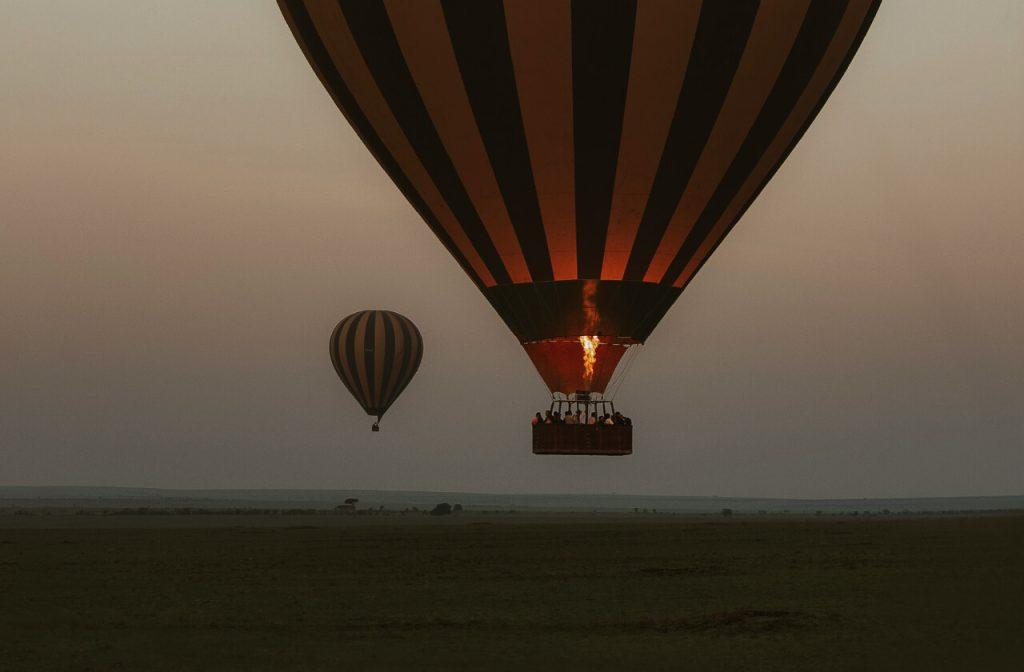
There are bucket list things to do in the Tarangire, which range from luxury experiences such as Hot Air Balloon flights over the plains where you can see wildlife down below, to less costly bush meals and nature walks or wildlife treks. Some of the most popular activities are brief visits to a traditional Maasai tribal village during which travelers get a fascinating glimpse into the unique way of life of these nomadic peoples. Tourists visiting Tarangire may book these activities below in advance of their visit to Tanzania.
1. Morning and Afternoon Game Drives In Tarangire
Watch elephants dig for groundwater, crocodiles lie low in pools, and lions hang out in trees.
2. Night Safari Drives In Tarangire Park
Search the dark for serval, genet, African wild cat, and leopard, which are active once the sun goes down. Again, not available in the main national park.
3. Hot Air Balloon Safari Drives In Tarangire Park
0615 – 0645hrs Your pilot takes you through the important safety briefing ahead of your flight as the sky begins to lighten and the crew inflates the balloon – an envelope of savannah gold and acacia green billowing into the cool morning, lit by the flames of the burners. You climb into the basket and prepare to lift into the dawn. Every flight is a different journey dictated by the direction of the wind, where the sights and sounds rise from the ground below to meet you. We’ll be climbing, through the layers of air until you’re high enough to see Tarangire from East to West, painted gold and pink by the early sun. Around an hour or so after you lift into the sky, you will return to the Mother Earth of Tarangire.
4. Elephant And Baobab Viewing
Follow herds of up to 300 as they move through baobab country, especially rewarding from June to October.
5. Birdwatching In Tarangire National Park
Track yellow-collared lovebirds, kori bustards and Von der Decken’s hornbills among 500-plus species.
6. Walking Safaris In Tarangire Safari Park
Walking in the bushveld with an experienced guide is a great way to learn about the details of nature – the tell-tale signs that animals leave when they pass by, and evidence of violent encounters between predators and prey. Be alert to the sounds and smells we miss on game drive – a thrilling experience.
When To Visit Tarangire National Park For A Safari
When is the best time to visit Tarangire Park? Tarangire is a seasonal park with lots of wildlife between July and November. At this time animals are attracted to the Tarangire River, the main source of drinking water. Pack plenty of warm clothes for early morning game drives at this time of year, as it’s cold when the sun is low in the sky. July to November is the best time for wildlife safari in Tarangire National Park. This coincides more or less with the middle and end of the Dry season. Many animals migrate out of the park during the Wet season as from November to May, when wildlife viewing is considerably less productive.
Home to Big Five Wildlife
Animals & Wildlife In Tarangire National Park
Elephants Sightings: Tarangire holds some of Tanzania’s largest herds, with congregations of up to 300 gathering near the river.
Big Cats Sightings: Lions are common throughout, including the tree-climbing Silale Swamp pride; leopards, cheetahs and hyenas also occur.
Plains Wildlife Sightings: Wildebeest, zebra, giraffe, buffalo, impala and eland assemble near water in large numbers during the dry season.
Arid Animal Specialists: Gerenuk and fringe-eared oryx, rarely seen elsewhere in Tanzania, favour the park’s drier woodland margins.
Nocturnal Species: Serval, genet and African wild cat appear on night drives available in concessions bordering the park.
Birdlife Sightings: Over 500 species recorded, including endemic ashy starlings, rufous-tailed weavers and yellow-collared lovebirds.
Best Time For Wildlife Viewing In Tarangire National Park
July to November, when most of the water in the bush has dried up, is the best time for wildlife viewing. Large herds of animals migrate to the park from the surrounding areas. Animals are easier to spot because vegetation is thinner and wildlife gathers around the Tarangire River. From about December, many animals migrate out of the park again, and wildlife viewing is not as good.
Tarangire Wildlife Safaris
Where To Stay In Tarangire National Park
Accommodations in Tarangire National Park spans three tiers: public campsites and budget lodges near the main gate, comfortable mid-range tented camps in and around the park, and high-end lodges and private-concession camps deeper in the wild south. Tarangire sits in Tanzania’s Manyara Region, about two to two and a half hours from Arusha on the northern safari circuit, so many people base here a night or two between Lake Manyara, Ngorongoro and the Serengeti. Staying inside or on the boundary lets you reach first-light game drives before the day-trippers arrive.
Best Places To Stay Around Tarangire Park
The first decision is whether to sleep inside the park, on its boundary, or in the nearby village of Mto wa Mbu and the Lake Manyara area. Staying inside or right on the edge of Tarangire means you can be on a game drive at first light, when animals are most active and the tracks are quiet. This is the single biggest advantage of a park-side camp, and for keen wildlife viewers it usually justifies the higher price. Basing yourself in Mto wa Mbu or along the Manyara road costs less and puts you within reach of two parks at once, which suits a tighter budget or a multi-park loop.
Tarangire Mid-Range Camps and Lodges
The mid-range tier is where most independent and small-group travellers land, and it offers the best balance of comfort and value. These are permanent or semi-permanent tented camps and small lodges, either just outside the park boundary or within it, with proper beds, en-suite bathrooms, running water, and cooked meals included. Many have a pool, a shaded deck, and views over a valley or waterhole.
Tarangire Luxury Lodges and Private Concessions
At the top end, luxury camps and lodges deliver space, service, and location. Some sit on private concessions and community land bordering the park, which allows activities you cannot do inside the national park itself, including guided walking safaris and night drives. Rooms are large, often raised tents or stone-and-thatch suites with private decks, and the guiding and food are a clear step up.
A Safari In Tarangire
Safari Activities In Tarangire Park
Game drives in Tarangire are highly rewarding throughout the day in the Dry season. Early morning and late afternoon are best for spotting predators, but during the midday heat you’ll see big elephant herds drinking. You’ll get a very different experience on a night drive when you’ll look for nocturnal animals by spotlight. The best way to get a true connection to the wilderness, though, is on foot on a walking safari. An armed ranger will keep you safe on this exciting activity.
Tarangire Holiday
Best Months to Visit Tarangire Park
July to November is the best time for wildlife viewing in Tarangire National Park. This coincides more or less with the middle and end of the Dry season. Many animals migrate out of the park during the Wet season as from the month of November to May, when wildlife viewing is considerably less productive.
Visiting Tarangire From June To September
A Tarangire safari in early June, the park is green and lush after the long rains, with an abundance of water and thick vegetation. The rain has stopped and, from here on in, water will become an increasingly scarce commodity as the dry season wears on. By the end of June, Tarangire park is already beginning to transform as the vegetation thins and it becomes easier to spot wildlife. Late June is an excellent time to travel to avoid both high season prices and increased tourist numbers. July in Tarangire marks the start of high season as the park enters its prime game viewing months. The Silale Swamp offers a permanent water source, attracting wildlife from a vast area surrounding the park and creating a wildlife spectacle. Days are sunny and warm, offering excellent walking safari and game drive conditions. By September, Tarangire park is approaching its peak, as vegetation is very thin, grass is short, and wildlife is plentiful.
Tarangire Safari In October To January
Tarangire safari holidays during the first two weeks of October often deliver the very best wildlife experience as the park is at its driest, large herds of elephant and buffalo are seen daily in the Silale Swamp, and predators capitalise on the staggering quantity of available prey clustered around watering holes. By late October in Tarangire park, the weather is beginning to change, seeing afternoon storm clouds starting to gather until eventually they burst, usually in early November. This marks the start of the short rains, a period that typically delivers afternoon showers lasting an hour or so. The showers refresh the landscape and the wildlife, creating excellent game viewing conditions in the late afternoon as the dust has been dampened and wildlife has been invigorated. The afternoon showers continue through to late December but do not affect the safari experience. By January in Tarangire, the short rains have come to an end, introducing a warm and clear couple of months. Migratory birds from Europe and Asia have begun to arrive, wildflowers are blooming, and the sense of renewal is strong after the rigours of the dry season.
Tarangire Tours In February To May
Tarangire in February continues in a similar style to January, offering excellent birding safari conditions against a beautiful backdrop of the refreshed national park. During these months in Tarangire, days are sunny and warm, but the humidity begins to climb as March progresses and the long rains approach. Early March, Tarangire is usually still dry, but rainfall should be expected from mid-March onwards. April through to mid-May is typically the wettest period, severely hampering road logistics and limiting game drive opportunities. Many camps and lodges in Tarangire close as a result of this, but there is accommodation to be found for those looking for an adventure at very affordable prices. Wildlife can be very dispersed over this period, as there is an abundance of water and good grazing throughout the park and its surrounding areas. By mid-May, the rains have usually subsided, leaving the park green and lush. The air is clear and free of dust after the rains, creating perfect lighting conditions for photography. Temperatures increase, and the annual cycle begins again.
Kenya & Tanzania Safari Packages
Then customise yours with an expert.
Our listed Kenya and Tanzania safari packages are chosen to inspire and enlighten you – they show how top attraction destinations can work together in an itinerary. From the best 10-Day Kenya and Tanzania safari itinerary, when it comes to planning African vacations, we’re the tailor-made travel specialists. An African Safari Expert will customize your vacation, shaping it around your individual wants and preferences.
9 Days | 8 Nights
Best Air Safaris
Climate & Weather In Tarangire Park
The weather in Tarangire National Park is generally moderate and pleasant. Tarangire’s Wet season runs from November to May. November to December is usually the time of the short rains, while the long rains see heavier rainfall from March to May. In between, in January and February, is a brief period of drier weather. June to October is the Dry season.
Tarangire Dry Season From June To October
It is sunny and it hardly ever rains. It gets dustier and the sky gets more hazy as the season progresses.
A safari in Tarangire as from June, July & August – Afternoon temperatures are close to 24°C/75°F. Days are clear with blue skies. It cools down at night with temperatures dropping to about 14°C/57°F.
Tarangire safaris tours in September & October – It is very dry and daytime temperatures rise to about 28°C/82°F. The first showers at the end of October come as a relief.
Tarangire Wet Season From November to May
Visiting Tarangire park in November & December – ‘Short rains arrival’ – October through December brings about four weeks of rain, the start of which is unpredictable. It will rarely have a negative effect on your trip, as it would be unusual for it to rain all day.
A trip to Tarangire in January & February – A dry spell occurs after the short rains. The exact timing is difficult to predict.
Tours to Tarangire in March, April & May – ‘Long rains arrival’ – There is rain most days, although it rarely rains the entire day. Cloudy skies are common. Cold fronts usually roll in during April and May causing temperatures to get much colder.
Birds & Birding In Tarangire National Park
Tarangire National Park is a great bird-watching site, recording more than 500 bird species. The park is home to several dry-country species at the extremity of their range, such as the northern pied babbler and vulturine guineafowl. Serious bird-lovers should also keep an eye open for flocks of the dazzlingly colorful yellow-collared lovebird and the somewhat drabber rufous-tailed weaver and ashy starling. These three are all restricted to the dry savannah of north-central Tanzania. Migratory birds are present from November to April.
Popular birds in Tarangire park include the following: African grey flycatcher, Ashy starling, Bare-faced go-away-bird, Common ostrich, Donaldson Smith’s nightjar, Great white pelican, Mouse-coloured penduline tit, Northern pied babbler, Northern white-crowned shrike, Pink-breasted lark, Rufous-tailed weaver, Slate-coloured boubou, Von der Decken’s hornbill, Vulturine guineafowl, and Yellow-collared lovebird among others.
Best Time For Bird Watching In Tarangire National Park
Tarangire birdlife sightings is plentiful all year round, but bird watching is at its best when the Palearctic and intra-African migratory birds are present (November to April). Many resident birds are nesting during this same time, so it is easy to spot birds in their breeding plumage. Wildlife viewing is best from July to November.
Tarangire Scenery & Landscape
The park’s main feature is the Tarangire River. Although it gets very dry, the landscape is thickly vegetated with acacia shrubs and mixed woodland. Most memorable are the huge baobab trees dotted around in big numbers. The south of Tarangire is dominated by a vast seasonal swamp network.
Tarangire Safety Tips
A trip to Tarangire National Park is very safe in our opinion. Crime within Tanzania’s parks and reserves is rare, and your guide will help to keep you safe. During your Tarangire safari, your safari guide will look after your safety. Always listen carefully to their instructions and follow the park rules. Tarangire wildlife viewing is generally very safe. Our professional guide will ensure your safety on a guided safari. Below are some general safety tips for Tarangire Park safaris:
Always keep your voice down when close to animals
Stay in the car during game drives except at designated areas where you are allowed to get out
Don’t stand up in the car, hang out of the window or sit on the roof
Stay together as a group close to your guide on a walking safari and always walk in single file
Never run or jog in a wildlife area as it entices predators to attack
Never walk between a hippo and water; it may panic and charge because its safety route to the water is blocked
Never leave food in your tent; it will attract wildlife
Cover your arms and legs in the evening and use insect repellent to protect against mosquitoes
Wear a hat, use sunscreen and drink plenty of water
Don’t wear bright and colorful clothes or too much perfume, especially on walking safaris
In tsetse-fly areas it is recommended not to wear dark-colored clothing, such as black or dark blue, since it attracts these stinging flies
Bring warm clothes for morning game drives in open vehicles
Tarangire Safari Ideas
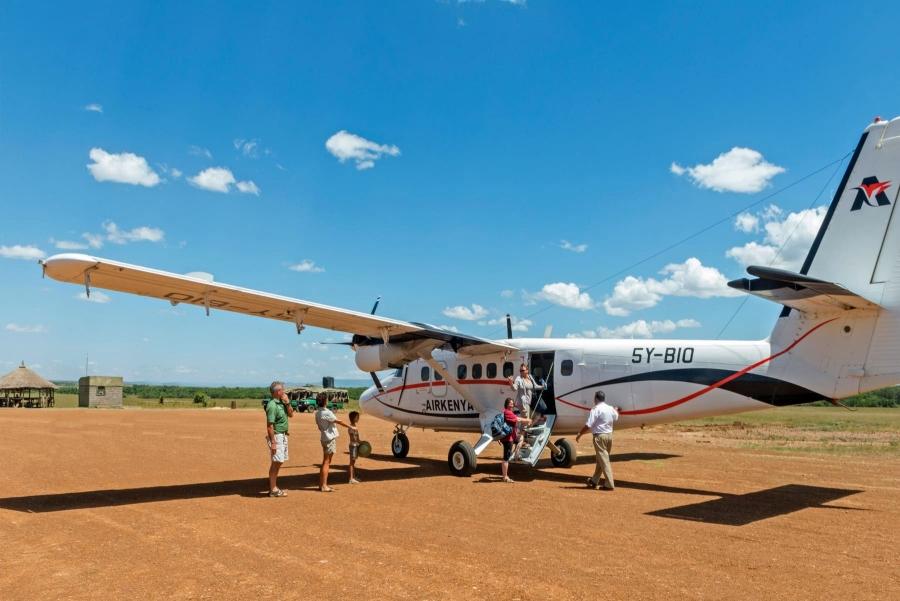
Tarangire fits well into Tanzania northern circuit safari itineraries. As a variation from more traditional itineraries the western Gate at Sangaiwe gives easy access to the southern entry to Lake Manyara from where a traverse of the Park leads to the village of Mto wa Mbu and from there on up through Karatu to Ngorongoro and the Serengeti.
Questions About Best Tarangire Safaris
Q. What Is Tarangire National Park Best Known For?
Tarangire is best known for its dry-season elephant herds, which gather along the Tarangire River in large numbers, and for its dense baobab trees. It also holds strong lion populations around Silale Swamp and over 550 bird species, making it a rounded wildlife park rather than a single-attraction stop.
Q. Are The Tree-Climbing Lions Easy To See In Tarangire?
Not reliably. Lions are present and reasonably common in the southern sector around Silale Swamp, and some do rest in trees, but seeing one up a tree on any given day comes down to luck. A knowledgeable guide and time in the right area improve your odds, though no sighting can be promised.
Q. How Much Does A Tarangire Safari Cost?
Tarangire park entry fees are charged USD59 per adult per day and are typically lower than the Serengeti or Ngorongoro. Rates differ for foreign non-residents, East African residents, and citizens, and they can change, so confirm the current figure before you travel. Fees are paid by card or mobile money at the gate, not in cash.
Q. How Many Days Do You Need To Spend In Tarangire Park?
A 2-days safari is enough time in Tarangire National Park. Two days lets you cover the river corridor, the baobab plains, and part of the southern swamp area at a comfortable pace. One day works as a taster if you are short on time, while three or more days opens up the quieter far reaches like Kitibong and Boundary Hill.
Q. Is Tarangire Worth Visiting Compared To The Serengeti?
Yes, for different reasons. Tarangire does not match the Serengeti for sheer plains game or the migration, but its elephant concentrations, baobab scenery, and lighter crowds give it a distinct character. Most people visit it as part of a wider northern circuit rather than choosing one over the other.
Q. How Long Is A Tarangire Game Drive?
Half-day drives run three to five hours, while full-day drives with a packed lunch last eight to ten hours. The length you choose depends on how much time you have in the park and whether you want to reach the Silale Swamp in the south.
Q. What Is The Best Time For A Game Drive In Tarangire Park?
Early morning is generally best, with cooler air, softer light and the most animal activity. Late afternoon is a strong second. For season, the dry months of June to October offer the most reliable viewing as animals gather along the river.
Q. How Much Does A Tarangire Game Drive Cost?
Park entry for international visitors is roughly $50 to $60 per adult per day plus taxes, charged on top of vehicle and guide costs. A guided day trip from Arusha that includes the drive typically runs from about $250 to $500 per person, with multi-day lodge safaris costing more depending on accommodation.
Q. Are You Guaranteed To See Elephants On A Tarangire Game Drive?
Nothing in the wild is guaranteed, but Tarangire has one of the highest dry-season elephant densities in Tanzania, so sightings are very likely between June and October. In the wet season the herds disperse and elephants can be harder to find.
Q. How Much Does A Tarangire Night Game Drive Cost?
It depends entirely on the camp. At higher-end concession camps a night drive is often built into the all-inclusive nightly rate alongside walking safaris. Where it is charged separately, it is commonly an added activity fee per person, typically in the region of a few tens of US dollars up to around one hundred, on top of your accommodation. Always confirm with the specific camp, as inclusions vary widely.
Q. What Animals Will I See On A Night Safari Drive?
Common night safari drive sightings include genet, civet, bushbaby and white-tailed mongoose. With luck you may see leopard, which are more active after dark, and much more rarely aardvark, porcupine, bat-eared fox or springhare. Nothing is guaranteed, and some nights are quieter than others, but the spotlight regularly reveals nocturnal animals you never meet by day.
Q. How Long Does A Night Game Drive Last?
Most night safari drives last for around two hours (2hrs), usually starting after dinner somewhere between 8pm and 11pm. Camps keep them short partly because animals should not be spotlit for too long, and partly because the cold sets in.
Q. Is A Night Safari Drive Safe?
Yes, when run by a licensed camp. You stay in the vehicle throughout, an experienced guide reads the bush, and a spotter manages the light. The main discomfort is the cold, so bring a fleece, a hat and something to cover your legs even in the dry season.
Q. Is A Tanzania Walking Safari Safe?
Yes, when guided properly. Every walk is led by a qualified guide and an armed ranger, groups are small, and you follow a safety briefing throughout. The rifle is a precaution that is very rarely needed. Stay behind your guide, keep quiet, and follow instructions, and the risk stays low. Reasonable general fitness is enough. Walks are usually two to three hours over mostly flat ground at a slow, stopping pace, covering only a few kilometers. It is about observation, not distance or speed. Sturdy closed shoes, a hat, sunscreen and water are the main things to bring.
Q. Will I See Big Animals On Walking Safaris?
Often, yes, though guides keep a careful distance from anything large. Elephant, giraffe, zebra and antelope are common sightings, and encountering them on foot feels very different from a vehicle. The real focus, though, is the smaller detail of tracks, plants, insects and birds that a game drive passes by.
Q. How Much Does A Tarangire Balloon Safari Cost?
Expect roughly 500 to 600 US dollars per person for a standard sunrise flight with the bush breakfast included. Prices vary by operator and season, and the park entry fee, currently around 45 to 60 US dollars per adult per day for non-residents, is charged separately on top. Tips for the crew are extra and appreciated. The balloon is aloft for about an hour, though the full morning runs three to four hours once you count the early pick-up, inflation, flight, landing and breakfast. Plan for a slow return to camp afterwards rather than rushing to another commitment.
Tarangire Safari Planniing
Q. What type of clothes do I wear on Tarangire safari?
Pack lightweight, comfortable, and casual clothing for a Tarangire safari, including long sleeves, pants, comfortable closed-toe shoes, a wide-brimmed hat, and layers for cooler mornings and evenings on game drives. For more details, we suggest you do your own safari packing essentials and find out what fits your interests.
Browse our safari clothing packing advice on what to pack for your African tour:
- Lightweight trousers /shorts and t-shirts remain ideal for the daytime drives.
- Lightweight jacket / fleece for the early mornings and evenings.
- Remember to also pack some warm socks and a woolly hat would be suggested for early morning and evening game drives.
- Hiking shoes
Other items we would suggest you bring along with you include:
- Sunscreen glasses & hat/cap
- Comfy Shoes / Sandals
- Flip Flops to wear during the day
- A Torch / Lamp
- Binoculars
- Phone/laptop charger
- Pack your medication, and a spare set of spectacles or contact lenses if you wear these.
Q. What is the best time to see the Masai Mara wildebeest migration in Kenya?
The best time to witness the dramatic Masai Mara wildebeest migration in Kenya is typically between mid-July through mid-September where your chances of witnessing a river crossing are generally much higher. In early October marks the end of the herd crossing the river from Kenya down into Tanzania, as thunderstorms begin in the north the herds will embark on their return journey back to the Serengeti.
Checkout our Migration safari offers.
Q. Kenya Vs Tanzania: Which Is Better for an African Safari?
Choosing between Kenya and Tanzania for an African safari depends on personal preferences, BUT Kenya is the most chosen being cost & budget friendly during both high and low seasons. Secondly, when it comes to the best places to stay in Kenya and Tanzania, both destinations offer fantastic accommodations. Thirdly in terms of Big 5 sightings, the wildebeest migration & general game viewing, both destinations are safari heavyweights. In terms of privacy and extending your safari beyond game drives, there are more private conservancies in Kenya than Tanzania which offer you plenty of activities inside the park.
Lastly, Kenya safari is the most sought-after destination for the world’s best safari experiences, evident from the large number of celebrities visiting year in year out.
Q. Will I have a private vehicle or shared game drives with other people?
We tend to enforce a maximum person per vehicle policy of 6. Meaning, although you’ll be sharing with other guests, everyone will get a side-view seat with unhindered views.
Some trips are designed in such a way that a private vehicle and guide are included for a portion of the trip, but the use of a private vehicle throughout your safari comes at an additional cost.
Q. How many days do you need for an Africa safari?
The ideal duration for an East Africa safari package often ranges from 5 to 14 days, this allows you to enjoy a comfortable and a well-rounded rewarding safari experience during this African tour package. It also depends on the destinations you will visit, wildlife interests, and personal preferences.
Q. What do I do in case of an emergency?
We have a 24 hour emergency line. If anything goes south, we’re ready to assist you regardless of time or date.
Q. Are there malaria mosquito nets in Africa safari tented camps?
Many tented camps in Africa provide fitted mosquito nets in all rooms which are also insect proofed to protect you against malaria mosquito bites and other insect bites, ensuring a comfortable and safe stay.
It’s also advisable to carry insect repellent to further protect yourself especially in the outdoors during evenings.
Q. Is there Wi-Fi at the safari lodges & tented camps on safari?
Almost all Africa safari lodges and tented camp accommodations during your safari provide free Wi-Fi. You’ll find this available in all three accommodation levels – comfort or luxury accommodations.
Wi-Fi is provided in the public areas of the safari lodges/tented camps including the reception, dining areas, and lounge. It is not provided in the individual rooms/tents.
Moreover, because you will be inside a wilderness park, we still request that you come prepared with your own network data to avoid any inconveniences.
Tarangire Safari Payment Methods
Q. Do you provide drinking water on safari?
East Africa is within the tropics and near the Equator, separating the northern and southern hemispheres. The tropical temperatures are relatively high on the safari route and even within the national parks/game reserves.
Because you’ll need to frequently hydrate during your safari, we ensure unlimited supplies of drinking water.
All Vulture Africa Safari vehicles are fitted with a cooler box or mini fridge with a constant supply of cool, bottled water.
We replenish our supplies of drinking water during stops along the safari route.
Here’s everything you need to know about packing for your Africa safari trip.
Q. Are mosquito nets provided in safari lodge rooms/tents?
We carefully research and choose our selection of top safari lodges and tented camps to offer the best in terms of comfort, relaxation, amenities, and atmosphere during your safari.
We fully understand the need for your protection against mosquitos and other insects.
All rooms/tents during your safari are fitted with mosquito nets or are insect-proofed to protect you against bites.
Tented camp showing bedroom with mosquito nets
You are also advised to use insect repellent to further protect yourself especially outdoors in the evenings.
Q. Is it possible to store excess luggage while on safari?
Vulture African Safaris understands that your holiday travel may be lengthy and could involve different activities during your trip. You may find the need to store some of your luggage at various times.
You can safely store your extra luggage at our Nairobi office for safekeeping until you have completed your safari.
This is a free service extended to all our safari guests.
Packing luggage for an East African safari holiday tour
Additionally, our 4×4 safari Jeeps accommodate generous luggage space in its rear luggage compartment.
Q. Do you handle requests for special dietary needs?
Kenya and Tanzania welcomes visitors from all over the world and their diverse diet preferences. These preferences may be due to religious beliefs, lifestyles, or health concerns.
The menus in all safari lodges & tented camps are continental cuisine however, vegetarian, kosher, halal, gluten-free, etc. meals are also provided.
We request you indicate your special diet needs during safari booking/confirmation.