Ol Pejeta Conservancy

Remember, all our itineraries are totally flexible and can be changed to suit you.

About Ol Pejeta Conservancy

Established to protect wildlife and support local communities, Ol Pejeta is an incredible Kenya safari destination. Ol Pejeta is home to the Big Five safaris, and remains the only place in East Africa where you can see both black and white rhinos, worldwide famous as the home of the last two northern white rhinos left on earth, and one of Africa’s largest chimpanzee sanctuaries.

Ol Pejeta is the most accessible of all the Laikipia conservancies and combines good wildlife viewing with exciting scenery, not forgetting the extensive range of luxury safari lodges and some active safari activities including game drives, mountain biking, horse riding, lion tracking, running with rangers, cycling and community visits. Ol Pejeta is also the best place to see rhinos in Kenya, and with fewer visitors, you can experience an intimate private safari in Kenya

“A Rhino Paradise”

What Makes a Masai Mara Trip So Special

The Masai Mara National Reserve and its neighboring wildlife conservancies enlists Kenya among the top safari destinations in Africa. Wide-open plains, an abundance of wildlife like elephant, buffalo, zebra, giraffe, hyena and the Mara’s famous big cats: lion, leopard and cheetah.

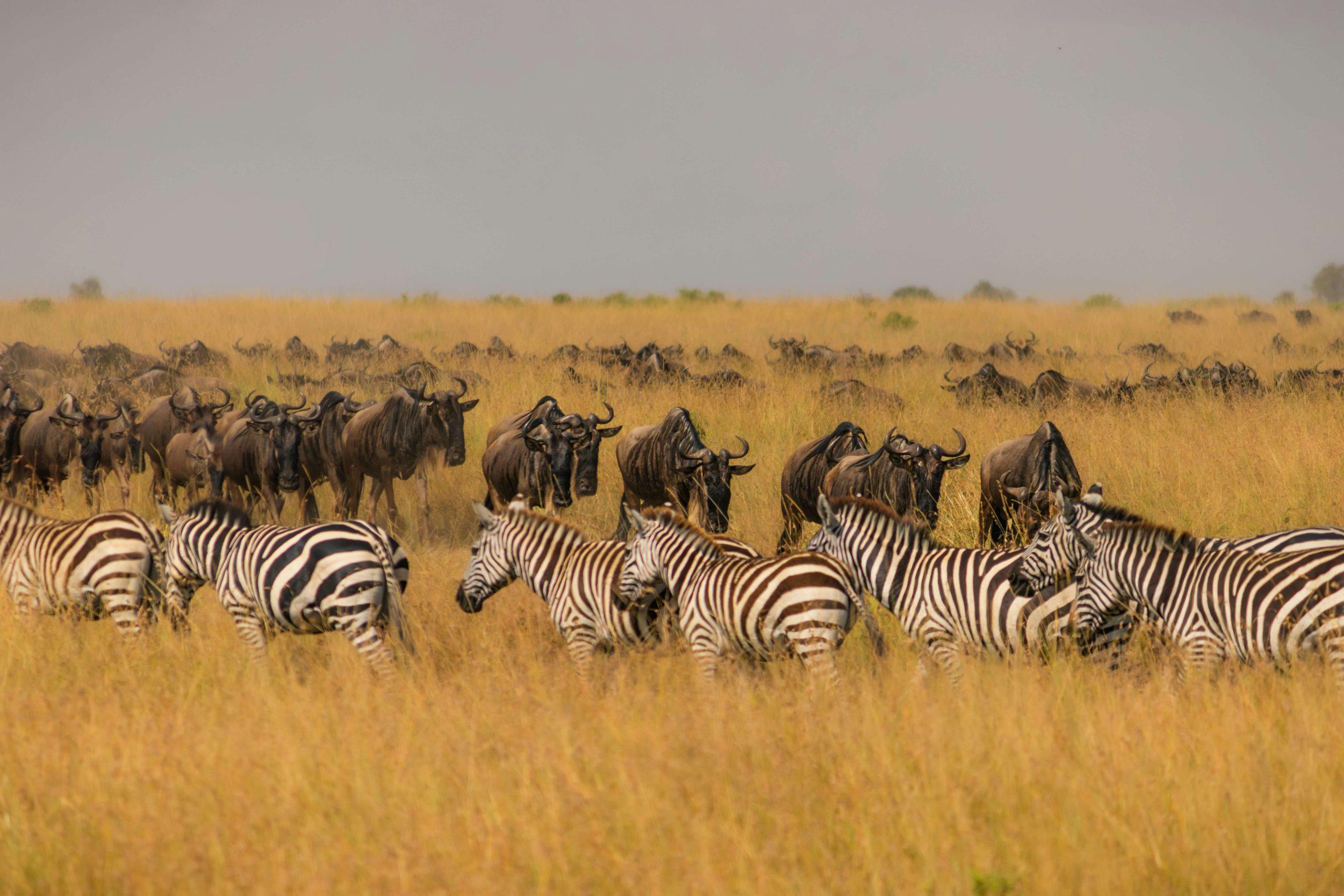
Moreover, come between July – August and November every year, the Mara welcomes the drama of the Great Wildebeest Migration, the thrill of spotting a cheetah or lions on a hunt, or the grace of a leopard lazily lying on a branch, with an unending masses of wildebeest march through the Mara River filled with deadly Nile crocodiles.

“Ol Pejeta Photographic Tour”

7 Best Things To Do In Ol Pejeta Park

When planning on taking a safari trip to Ol Pejeta Conservancy, travelers who stay inside the conservancies are able to take part in a number of wildlife safari activities that are not allowed inside National Parks in Kenya, including night game drives and private bush walks.

Discover Ol Pejeta on exciting game drives, journey out into the wilderness on night safaris and photographic safaris, witness the remarkable efforts of the canine anti-poaching unit, and even join a run with the wildlife rangers. You can tailor your safari experience to your liking and create unforgettable memories in this incredible wildlife conservation haven.

1. Game Drive Safari In Masai Mara

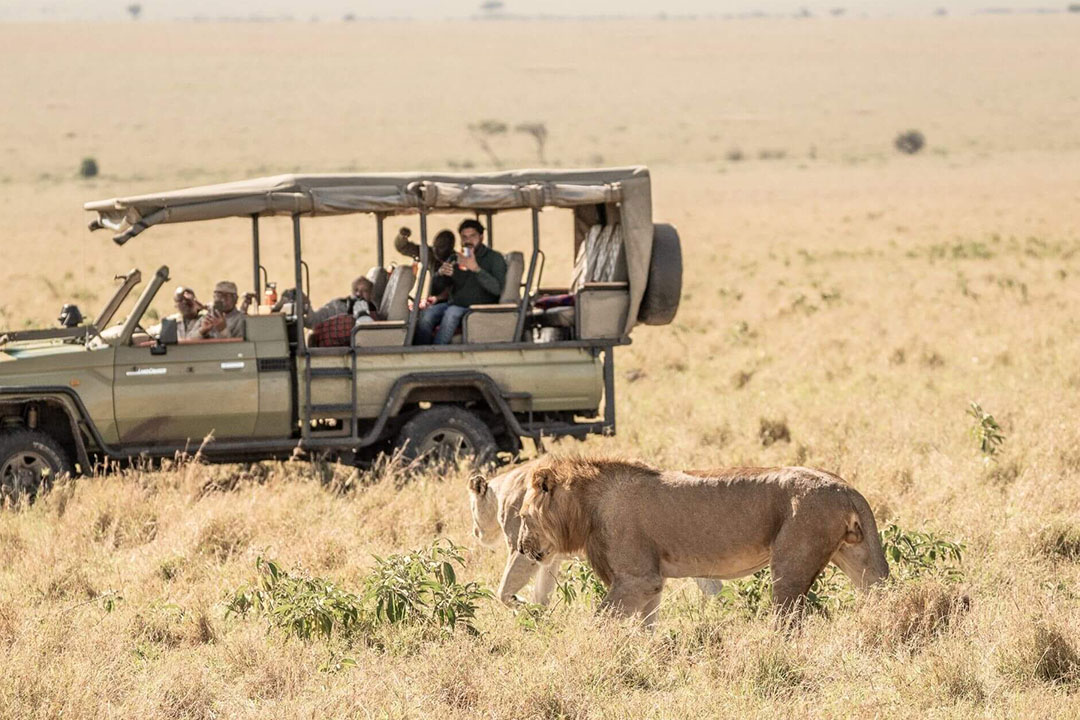
”Game Drives” in Masai Mara is the main activity when you book your safari in Kenya you will have seen game drives indicated throughout the itinerary.

These game drives involve the use of a 4X4 Land Cruiser Jeep with an open roof-top and you will be making drives in search of the resident wildlife in their natural habitat.

The drives are usually divided into two (2), the morning and afternoon hours, with morning timings usually scheduled from 6.30am to 9am and afternoon timings being 3.30pm to 6.00pm, however travelers may sometimes go for a full day game drive generally from 6am to 6pm, in which case the drive will include a packed picnic lunch to be enjoyed inside the Masai Mara Reserve at a chosen picnic spot, during lunch hours anytime from 12.30pm to 2.30pm.

However take note that the above depends on the safari package that you have chosen, is it a Private Kenya safari, Group joining safari, or is it a Flight tour package to Masai Mara. Time planning is important because you will find that tourists with special interests such as Photography safaris or Bird Watching tours are advised to opt for private drives.

If you decide to stay at a lodge in one of the conservancies, the lodge offers a variety of safari options. One of those could be day safari into the Masai Mara National Reserve proper. Please keep in mind that if you plan on staying at a lodge within the actual National Reserve, it will not be possible to do a safari into a neighboring conservancy. Safaris within the conservancies are only possible for those staying at lodges within their boundaries.

Private African Safaris
Kenya Flight Safari

2. Hot Air Balloon Safari In Masai Mara

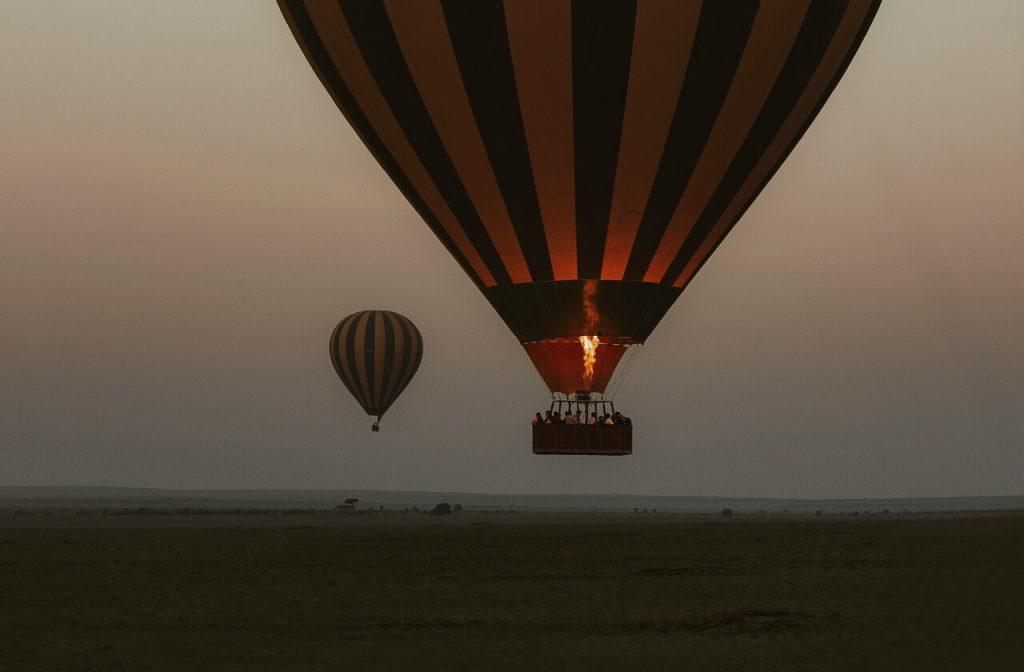
Fly high up in the skies above the Masai Mara, a truly ‘once in a lifetime’ experience like no other.

Flying in a Hot Air Balloon over the Masai Mara plains is an exciting experience where you have the chance to watch from above this iconic park, a never-ending exciting mixture of forests, endless savannah grassland plains, towering escarpments and rugged rivers. All this with the rising sun as your background.

Generally, the Hot-Air Balloon flights in the Masai Mara takes offs at the break of dawn, around 6am, floating silently during the ride over the savannah grasslands below where you may spot a variety of wildlife. The flight lasts an hour and completes with a ”Champagne Bush Breakfast” at the balloon landing site in the wilderness. Understand more on planning a Masai Mara balloon safari.

3. Bush Meals & Dinners In Masai Mara

Experience the Masai Mara on a different level, enjoying your meal in the raw African wilderness specifically inside the Masai Mara where you are surrounded by nothing but scenic views framed by stunning landscapes and magnificent wildlife. You are free to choose from the following options;

Picnic Lunch: Usually arranged during a full day game drive in the reserve so that one does not have to go back to the lodge or camp for lunch, the meal itself is in the form of packed lunch boxes which are provided by your camp or lodge by prior arrangement the night before to allow them adequate time to prepare the meal boxes. The meal itself is often enjoyed on a scenic setting inside the wild park making it a truly memorable experience.

Bush Breakfast & Dinners: At the end of the day, a campfire dinner awaits. The glow of lantern-lit trees and the star-studded sky above only add to the feel and make these dinners something to look back upon with a smile for a very long time to come, this could also be your Honeymoon in Masai Mara, or Family safari event around a bonfire with entertainment such as light music or tribal dance performances. Bush meals are arranged at special selected sites within the Masai Mara and these are generally located outside of but very near the respective Lodges or Camps. Menus can range from multi-course fine cuisine to more casual bush barbeque meals, prices for these special meals differ widely starting from USD 40 per person all the way to USD 100 per person for more luxurious bush meals.

Sundowners: As the sun begins to set, it’s the perfect time for a sundowner in the company of friends or loved ones while you sip on your favorite drink or cocktail, and bite on some tasty snacks, you can watch the sun disappear beneath the horizon in a gorgeous display of fiery golds and reds right before your eyes is a very special experience indeed and recognizing this, many superior hotel properties in Masai Mara now offer sundowners either pre-included into your stay or as optional add-on activities.

Home to Big Five Wildlife

4. Cultural Tours In Masai Mara

For sure your tour to Masai Mara would be incomplete without a visit to the most iconic tribal group in all of Africa, the Maasai tribe, who occupy huge areas of Southern areas of Kenya are the dominant ethnic group surrounding the Masai Mara.

This nomadic tribe still retain many of their traditions as they live largely untouched by modern day civilization, in areas surrounding Masai Mara.

So why visit a Maasai village and what do you get to see? This one hour visit to a Maasai village is a chance to interact with the Maasai people and get a preview into their culture, see first-hand some of their customs and practices.

The Maasai cultural experience usually happens to be on the borders of the main Mara game reserve boundaries. The price for a Masai village visit which includes a contribution towards the village in form of a fee, as well as return road transfers from your lodge or camp in Masai Mara to the village, varies between USD 20 to 50 per person. The fee of USD 50 per person applies when you have flown in on a package safari and it is then the Camp which will charge you the fee for the village visit and the price in this case can vary again from USD 30 to USD 50 per person based on which camp you are staying at and which village they take you to visit. This is something you can do even when you have booked Masai Mara group safaris

However, take note that once at the village, you may be expected to buy some curio or souvenir from the villagers, although this is not mandatory since you have already paid a village entry fee. Even so, be prepared for determined efforts from some of the Maasai villagers to try and sell you what are inexpensive handmade craft items. For some this can be an unfriendly part of the tour nevertheless, it is up to you to say yes or no to their products.

While at the Maasai village discover more about their traditional homes known as ‘Manyattas’, which are low height dwellings, the huts are mostly circular, and made of a mixture of mud, grass, cow dung and ash, with a single entrance and minimal side windows – take a look into the darkened inside, and you will see In this small space, where the family cooke, ate, slept, socialised and stored food, fuel and possessions.

A collection of these manyatta huts form a homestead or village commonly known as a Maasai ”Boma”. Additionally, several Bomas can also join together to make a larger village. The huts have no piped water, electricity or Gas.

How high can you jump? You will also have your chance to dress like a local Masai and dance to their traditional songs during this village visit. Discover more about their rites of passage which are given much importance.

5. Walking Safaris In Masai Mara

A bush walking safari is one of Kenya’s best safari experiences, a Masai Mara walking safari is a walk like no other, a chance to explore on foot this iconic Kenyan wilderness park. The objective is seeing wild animals in a more natural way without using a 4 x 4 safari vehicle with sights of anything from great herds of buffalo to a gentle elephant in the forest.

What to Expect During Walking Safaris In Masai Mara

–Your Maasai guide will show you how his people interprets and makes use of the animals, birds, plants and the glorious landscape through which you are walking at.

–Learning; get to know a few of the plants on the escarpment and their various uses by the Maasai for medicinal and hygiene purposes.

–Socializing and fun moments; during your guided walks, your guide may share stories of his childhood with you, how he grew up to become a warrior, and how he learnt about the world around you

– You will be on an expert guided walk with a well-equipped Maasai spotter keeping an eye for predators and providing an interesting explanations to your surroundings. Expect a guide, dressed in their beautiful Maasai warrior clothing complete with headdress and ‘empere’ (spear), ‘engudi’ (peace stick), and ‘orinka’ (talking stick).

Understand, there are two types of safari nature walks offered while at Masai Mara. Nature walks within the camp and one walks outside the main reserve. The duration for this walks within the camp is approximately 45 minutes to 1 hour and the rate ranges from USD 50 to USD 75 per person. The duration for walks outside the main reserve is approximately 2.5 to 3 hours covering a distance of 9 – 15 km and includes a packed breakfast/lunch depending on the timings and game drives en route to and from the walking safari location and the rate ranges from USD 90 to USD 150 per person. These nature walks are preferrably done early mornings or late in the afternoon when the sun is not too hot.

Where walking safaris takes place; keep in mind that the main Masai Mara National reserve, both on the Narok county side and the Mara Conservancy side prohibit walking inside national parks.

However, private conservancies surrounding the main reserve allow for a well-planned and supervised walking safaris, while camps and lodges even inside the main reserve offer shorter nature walks within the camp, often just an hour long, within the surrounding area of the safari property.

6. Horseback Safaris In Masai Mara

One of the most adrenaline-charged activities, experience our exciting horse riding safaris in Africa as you explore the raw wilderness of Masai Mara on a horseback.

Explore Masai Mara’s wildlife and the thrill of being close to magnificent animals. Race alongside elephants, buffalos, marvel at diverse birdlife, giraffes and often big cats like lions and cheetahs on horseback, and when the migration arrives, it gives you the once-in-a-lifetime experience of cantering alongside herds of wildebeest and zebras.

With flexible scheduling, morning and afternoon rides – choose the ideal ride duration and time of day to fit your preferences for your Horse safari in the Masai Mara. Riders need to be confident to ride from camp to camp across mixed terrain where they can meet the unexpected at any turn, spending up to1-hour to 7-hours.

However, keep in mind – Horseback tours in Masai Mara are not permitted right inside the main Reserve and are therefore only offered in surrounding areas of the larger Maasai Mara regions which includes private conservancies and game ranches.

What to expect when planning a horse riding safari in Kenya – exciting riding, professional horse guides, face to face wildlife encounters that will take your breath away and an authentic bush life experience. This horse-riding adventure in Kenya’s Masai Mara delivers some of the best game viewing opportunities, with the backdrop of one of Africa’s most iconic parks – an endless and beautiful savannah grasslands filled with magical sunsets that will only leave you wanting more.

Masai Mara on horseback involves accommodations often in the form of mobile safari camps which move along with the planned horse ride. These mobile camps are top-notch above any basic camping and include comfortable bedding inside tents which may vary from deluxe type camps more primarily 2 or 3 man tents but with various facilities included such as freshly cooked meals and help with pitching camp.

The other locations in Kenya where horseback tours are done include Laikipia, Amboseli, Mount Kenya and Lake Naivasha area.

7. Night Safari Drives In Masai Mara

Night safari drives is another excellent way to explore the Masai Mara. Expect the drive timings to range from 7pm to 9pm with a typical duration of 2 hours, the 9 pm night safari would therefore occur after dinner while the 7 pm one takes place before dinner depending on which camp or lodge you will be sleeping at.

Spotting the shy nocturnal creatures who scuttle, feed and fight their way through the Bush at night can be every bit as exotic and exciting as sighting larger mammals during the day.

When the sun sets across, we travel into the darkness – for travelers wishing to book a night safari while in Masai Mara, it provides a wonderful opportunity to spot the shy nocturnal creatures who walk, feed and fight their way through the Mara bush at night; they’re more active at night than during the day. Some of these shy night-time wildlife that you are likely to see include: Aardvark, Leopards, Hippos, Bat Eared Fox, Silver backed jackal, Honeybadger, Striped Hyena, Banded Mongoose as well as Bush Baby, Bush Pig, Caracal, Genet Cat, Cape Hares, Porcupines, Civet cats, Aardwolf and Owl.

Please Note: Night drives are not permitted inside the main Masai Mara National Reserve and only happen on private or group conservancies which border the main Reserve such as Mara North Conservancy, Mara Naboisho, Siana, Trans Mara and Olare Motorogi conservancy (located just outside the Masai Mara National Reserve).

The night safari game drive fees and price varies depending on the conservancy concerned and is exclusive of park / conservancy entry fees. Generally prices range from US$ 100 to US$ 200 per adult per night game drive. Child rates are applicable.

These night game drives are led by our experienced local guides in 4×4 Land Cruiser vehicles fitted with powerful lights for proper vision at night (these lights are fitted with animal-friendly red filters). Before your game drives, your driver guide or local guide will always brief you on the activities depending on the location of your accommodation. It is mandatory to have an authorised guide and driver to accompany guests and provide the night safari in line with the local conservancy rules.

Wildlife & Animals In Masai Mara

Masai Mara National Reserve is one of the best places on earth to spot most of the African ‘Big Five’ wildlife while out on safari. In addition to the popular sightings, Mara is home to some very remarkable creatures that you may not have heard of.

The reserve has an excellent collection of wildlife and three (3) of the Big Five (Lion, Leopard, Rhino, Buffalo, and Elephant) are commonly seen, however leopard sightings and black rhino are more occasional (they can sometimes be spotted in the northern section of the Mara Triangle).

Additionally to the Big 5 wildlife, the reserve is one of the best in East Africa for Big Cats. Other sightings include Cheetahs, Giraffes, Hippos and Zebra, not forgetting the smaller predators such as bat-eared fox, black-backed jackal and spotted hyena which are also present. The antelope families include impala, reedbuck, Thomson’s gazelle, eland and topi, while buffalos, elephants and giraffes are easily spotted.

Home to Big Five Wildlife

The Chances To See Wildlife In Masai Mara

That said, it’s somewhat possible to spot not just the ‘Big Five’ as often mentioned widely, but rather the ‘Big Nine’ which includes; Lions, Leopards, Elephants, Rhinos, Buffalos, Giraffes, Zebras, Cheetahs and Hippos. This is made possible by the nature and richness of the reserves landscape, one can see all of the above animals not just in a single game drive, but also with a little more luck, within your 3 days Masai Mara safari drive in the reserve.

Best Time To See Wildlife In Masai Mara

While planning your safari to Masai Mara, wildlife viewing in Masai Mara is good throughout the year, with the safari months from June to October relatively dry therefore offer the best general wildlife watching. If you wish to catch the wildebeest’s crossing, the best months for the wildebeest migration are August to October year to year as the animals move with the rain in search of greener pastures.

Stay at a Luxury Lodge

The Birdlife In Masai Mara Reserve

Simply put, the wildlife in Masai Mara is considered one of the finest collection of wild animals anywhere in the world. With more than 500 bird species recorded in the park, Masai Mara National Reserve tops as one of the best birdwatching destinations in Kenya and Africa.

Many of these birds are migrants, with almost 60 species being raptors. The most common include: vultures, marabou storks, secretary birds, hornbills, crowned cranes, ostriches, long-crested eagles, African pygmy-falcons and the lilac-breasted roller, which is the national bird of Kenya. Planning a birding safari in Masai Mara? This is the best choice that you can make – take note that the Migratory birds are present from November to April.

Famous Birds In Masai Mara National Reserve

Kori Bustard, Rufous-Bellied Heron, Secretary bird, Sooty chat & Usambiro Barbet.

Abdim’s stork, African finfoot, African wood owl, Ayres’s hawk-eagle, Bateleur, Cinnamon-breasted bunting, Denham’s bustard, Giant kingfisher, Grey penduline tit, Grey-crested helmet-shrike (NE), Hildebrandt’s starling, Jackson’s widowbird, Lazy cisticola, Ostrich, Purple grenadier, Red-throated tit, Ross’s turaco, Rosy-throated longclaw, Rufous-bellied heron, Rufous-necked wryneck, Saddle-billed stork, Schalow’s turaco, Secretary bird, Silverbird, Southern ground hornbill, Swahili sparrow, Tabora cisticola, Temminck’s courser, Trilling cisticola, Usambiro barbet (NE), White-bellied go-away bird, Woolly-necked stork, Yellow-mantled widowbird and Yellow-throated sandgrouse.

Best Time For Bird Watching In Masai Mara

No matter what time of year you visit the Masai Mara, you’re sure to have a good bird watching during any month of the year, but then again the best time of year for birdwatching in Mara is from November through to April when migratory birds from Europe and North Africa arrive, this matches with the rainy season (wet season – November to May), a time of year when many birds can be seen in their ‘breeding’ plumage. Taking a 4 days Masai Mara safari can really work for you if you wish to explore both birdlife and the rest of the wildlife.

Birds On The Masai Mara Grasslands

The grasslands are home to turkey-sized Ground Hornbills, Secretary Birds, Kori Bustards, Jaunty Crowned-Plovers and flocks of White Storks. Spectacular flocks of Crowned Cranes, Saddle-Billed Storks, groups of Yellow-Billed Storks and Sacred Ibis can be spotted in the swamplands. This is also a great place to spot the Goliath Heron, Grey Heron, Black-headed Heron and Great White Egret. Masai Mara’s Musiara Marsh is an excellent spot to do some birdwatching. It’s the only place in Kenya where the Rufous-bellied Heron breeds and where you can spot the endangered Madagascar Squacco Heron between October and May.

River Birds At Masai Mara

As you head over to the legendary Mara River to spot any one of seven species of kingfishers, from the Giant Kingfisher to the tiny Pygmy Kingfisher. The forests lining the river are home to the colourful Ross’s Turaco and the Schalow’s Turaco. The most impressive birds of the Mara are the birds of prey, from the mighty Martial Eagle to the tiny Pygmy Falcon. The Martial Eagle is so strong it is known to feast on young impala and dikdik. However, the most iconic of the birds of prey is the Bateleur. Looking up and watching a Bateleur glide across the clear blue African skies is quite a memorable sight to see.

The Best Masai Mara Private Conservancies

As you head over to the legendary Mara River to spot any one of seven species of kingfishers, from the Giant Kingfisher to the tiny Pygmy Kingfisher. The forests lining the river are home to the colourful Ross’s Turaco and the Schalow’s Turaco. The most impressive birds of the Mara are the birds of prey, from the mighty Martial Eagle to the tiny Pygmy Falcon. The Martial Eagle is so strong it is known to feast on young impala and dikdik. However, the most iconic of the birds of prey is the Bateleur. Looking up and watching a Bateleur glide across the clear blue African skies is quite a memorable sight to see.

Private Conservancy

Mara Triangle Conservancy

Private Conservancy

Mara North Conservancy

Private Conservancy

Mara Naboisho Conservancy

Private Conservancy

Olare Motorogi Conservancy

Private Conservancy

Ol Kinyei Conservancy

Private Conservancy

Lemek Conservancy

The Best Time To Visit Masai Mara Park

The best time to visit Masai Mara National Reserve is during the Dry season from June to October. At this time, animals draw near to rivers and waterholes and vegetation is thinner, making wildlife easier to find and to see. During the short rains (March, April, November and December), brings out even more adventure atmosphere to the safari. That said, your best chance to witness the Great Migration drama is between August and October.

Nevertheless, thanks to its abundant resident wildlife and favorable temperate climate, the Masai Mara is widely considered as a fantastic all year-round safari destination in Africa. Its endless wide and open plains mean there is always something to see – no matter what time of year you visit.

For some travelers, the Great Migration safari plays a big part in their choosing on when to visit the Masai Mara. However, if you can’t (or don’t want to) visit Kenya during migration season the Masai Mara has plenty to offer visitors aside from the Great Migration.

To travelers debating on when to visit Masai Mara: Listed below is a guide on some of the best month to plan a visit.

Visiting Masai Mara In January - February

These three months are pretty hot and dry. Since water is more scarce during this time of year, therefore we shall be visiting the waterholes for excellent wildlife viewing. As for birdwatching lovers, don’t forget to look towards the blue skies as well, it’s also bird migration season and your chance to do some bird spotting in Masai Mara the migratory species from North Africa and Europe can be spotted frequently in the area.

Avoid the crowds In February, this is when to go to Masai Mara for a safari and witness Africa’s big cats as they trail the endless savannah plains. As for Big 5 wildlife safari photographers this is your time particularly in the Mara’s private conservancies.

Visiting Masai Mara In March - April - May

This period marks what is considered as the ‘long rains’ or rather the wetter period in Masai Mara’s. Don’t mistake, it’s still hot during these months, but it’s exclusively rainy during the month of April. The park is very beautiful during these periods bringing about shades of green. March is a short rainy month in the Masai Mara where most of the days will have afternoon thundershowers whereas April is also still low season safari month in Kenya and has more rainfall than any other time of the year.

Additionally, there is slightly less rainfall during May but it’s still one of the wettest times of the year in the Masai Mara. Muddy roads, and sometimes drizzles. Therefore if you wish to visit the Mara during this time, we recommend flight safaris to Masai Mara.

Visiting Masai Mara In June - July - August - September - October

Come during this period and you’ll find pleasant temperatures, warm and dry weather, and mostly clear blue skies above. During this time, animals usually draw near to the surrounding rivers and available waterholes to quench their thirst, additionally the vegetation is thinner, making wildlife easier to spot. It’s just the perfect weather for wildlife safaris and a popular time for safari travel to the Masai Mara.

The month of June marks the end of the ‘long rains’ and welcomes the beginning of the busy safari season. It’s a much drier month, the days are far cooler than any other time of the year.

Come July, expect the wildebeest herds to start marching into Masai Mara after their journey from the Serengeti National Park. Daytime conditions are very satisfying with warm weather. It’s the driest month making the wildlife gather near the water holes, it’s also one of the busiest months of the year – prices go up and wildlife sightings can become crowded in the reserve.

August is still a dry month in the Masai Mara with cooler temperatures as July, especially at night. This is a popular safari month to witness the Great Migration drama, the celebrated Masai Mara River crossings.

Masai Mara in September is slightly warmer than August. It’s still the dry season, which delivers an exceptional game viewing and it’s still a great month with luck to catch the Wildebeest Migration. October is one of the hottest months in Masai Mara

Visiting Masai Mara In November - December

These last two months of the year welcomes the ‘short rains’. Still an excellent period for safaris, just expect grey, cloudy skies and short rain showers in the afternoons which don’t last long. Even though the temperatures are still high, the mornings can be rather chilly.

Big Cat Safaris

The Weather & Climate In Masai Mara

Sunshine or Rainfall, a visit to the Masai Mara will never disappoint; therefore before packing up for your safari to Masai Mara, have a look at what you can expect as far as weather and climate in the Masai Mara.

Masai Mara has a generally mild climate chillier than you might expect when in an area that’s this close to the equator. The reserve sits at an altitude varying from 1500 to 1900 meters, and you can expect average daytime temperatures which are comfortable, and evening temperatures can become quite chilly. The region’s Dry seasons starts from (June to October) whilst the Wet season (November to May) consist of a shorter and a longer rainy period that are accompanied by a brief dry spell.

Dry Season In Masai Mara – June through to October

Consider this the perfect time for going on a Kenya safari; the days are sunny and it’s rarely very hot. Nevertheless pack some warm clothes for the morning game drives which can be very chilly.

June, July & August – During this time, consider Masai Mara generally sunny and dry with afternoon temperatures averaging at around 25°C/ (77 degrees Fahrenheit), and during the night you will experience cold evenings and early mornings when temperatures are at around 12°C/54° Fahrenheit.

September & October – At this time of year, it’s mostly dry although you can expect occasional rain showers. Daytime temperatures in October are slightly at an average of 27 degrees Celsius (81 degrees Fahrenheit). On your early morning game drives expect it to be chilly at around (around 12°C/54°F).

Wet Season In Masai Mara –November through to May

It’s that time of the season when we experience rainfall in the Masai Mara. Talking about abrupt short afternoon showers. We recommend that on your list of what to pack for your Kenya safari bring with you warm clothing.

November & December – marks the start of the ‘Short rains’ – expect short rain showers during these two months with afternoon temperatures at an average of around 27°C/81 degrees Fahrenheit).

January & February – Rainfall slows down, although incidental rain shower do still occur.

March, April & May – this is the long rainy season with April being the wettest month. However – you don’t have to worry about it raining all day long but it does rain regularly, typically in the form of afternoon showers. Early morning game drives can be slightly warmer with average temperatures in Masai Mara around 13°C/55°F.

Luxury Masai Mara Safari Tours

Want To Visit Masai Mara National Reserve? The Mara is a rewarding African safari destination which offers many unique experiences, depending on your travel style from Mid-Range Masai Mara safaris to Luxury Masai Mara safaris.

Additionally, for those who wish to explore Kenya in more intimate ways, our Masai Mara Honeymoon Safaris are your best bet; whilst those who would desire to connect with loved ones, our Masai Mara Family Safaris offer you that opportunity; nonetheless the list doesn’t end there, if spending time alone is your way of travel, explore our Masai Mara Private Safaris.

Top 6 Masai Mara Conservancies

Masai Mara features a collection of 15 separate conservancies that surround the Main Park. The conservancies in Masai Mara are privately managed and as such, they have very strict control on visitor numbers creating exclusivity, while retaining the freedom to offer a wider range of safari activities that are not available in the main park. Below is a list of the 6 best Masai Mara Conservancies.

1. Mara Triangle Conservancy

Tucked away between the Serengeti National Park in Tanzania, the Mara River and the Olooloo Escarpment lies Masai Mara National Reserve’s wildlife sweet spot: The Mara Triangle. Arguably the location of the reserve’s most dramatic scenery, the volcanic hills and riverine forests of the Mara Triangle are home to the highest concentration of lions, cheetah and a host of other wildlife species. Learn all about the Mara Triangle.

2. Mara North Conservancy

Exclusive and private, the Mara North Conservancy only allows a limited number of visitors into the area at any one time. Its varied landscape, from secret patches of woodlands to vast wide-open plains, is home to the Big Five and many more. From the big cat maternity ward at Leopard Gorge to the lesser-known wildebeest migration at Loita Hills, the Mara North Conservancy has something for everyone. Learn all about Mara North Conservancy.

3. Mara Naboisho Conservancy

Aptly named, the Mara Naboisho (‘come together’ in Maasai or Maa language) Conservancy, is a shining example of what good can come out of teamwork. The conservancy stems from the collaboration of over 500 Maasai families working together to conserve their land and wildlife. The result: the Mara Naboisho Conservancy has only seven camps, but countless big cats, herds of wildebeest, giraffes and elephants. Learn all about Mara Naboisho Conservancy.

4. Olare Motorogi Conservancy

The Olare Motorogi Conservancy boasts the highest concentration of lions per square kilometer, yet the lowest density of tourists. Scan the skies for the over 50 different species of raptors or keep on the lookout in the acacia woodland and Olare Orok and Ntiakitak river valleys for predators and prey. A success story among all conservancies, Olare Motorogi Conservancy is a safari dream come to life. Oh, and did we mention that Sir Richard Branson has a safari lodge here? Learn all about Olare Motorogi Conservancy.

5. Ol Kinyei Conservancy

This conservancy’s grassy plains and rolling hills are home to only two small camps (and two mobile camps). It is the perfect spot for bush walks and a local Maasai culture immersion. With over 300 bird species, the conservancy is every bird-watcher’s dream. Rather spot larger land-living animals? The Mara Ol Kinyei Conservancy has its own lion pride, leopards, elephant, buffalo and giraffe as well. Learn all about Ol Kinyei Conservancy.

6. Lemek Conservancy

One of the smallest and most modest wildlife conservancies lies in the northwest corner of the Mara, the Lemek Conservancy. Although you’re less likely to see migrating herds in this area, it is likely to see plenty of game during off-road driving, walking safaris, bush meals and night safaris.

Kenya Safari Packages

Want to visit Masai Mara National Park? This is one of the most rewarding safari destinations in southern Kenya that you can easily add on a safari package to Kenya top destinations. Being close to Nairobi, you can easily start off with short Nairobi daytrip tours then proceed to Masai Mara making it easy to visit in a short time frame, and combine it with other parks as well.

You have plenty of choices to pick from, Masai Mara midrange safaris to Masai Mara luxury safaris depending on your travel style.

3 Days | 2 Nights

Amboseli Express Safari

3 Days | 2 Nights

Ol Pejeta Conservancy Safari

3 Days | 2 Nights

Tsavo East & Tsavo West Safaris

3 Days | 2 Nights

Samburu Game Park Safari

3 Days | 2 Nights

Masai Mara Private Safari

3 Days | 2 Nights

Tsavo West & Amboseli Safari

3 Days | 2 Nights

Birdwatching Safari In Kenya

3 Days | 2 Nights

Tsavo East & Amboseli Safari

4 Days | 3 Nights

Maasai Mara & Lake Nakuru

4 Days | 3 Nights

Iconic Masai Mara Safari

4 Days | 3 Nights

Tsavo East, Tsavo West & Amboseli Park

4 Days | 3 Nights

Amboseli, Tsavo West & Taita Hills Safari

4 Days | 3 Nights

Lakes Nakuru, Lake Naivasha & Masai Mara

4 Days | 3 Nights

Ol Pejeta & Samburu Wildlife Safari

4 Days | 3 Nights

Amboseli, Tsavo West & Taita Hills Safari

5 Days | 4 Nights

Ol Pejeta, Lake Naivasha & Masai Mara

5 Days | 4 Nights

Aberdare, Lake Nakuru & Masai Mara Safari

5 Days | 4 Nights

Tsavo East, Tsavo West & Amboseli Safari

5 Days | 4 Nights

Amboseli, Lake Naivasha & Masai Mara Safari

5 Days | 4 Nights

Masai Mara, Lake Nakuru & Lake Naivasha Safari – Hell’s Gate

5 Days | 4 Nights

Masai Mara & Amboseli Safari

6 Days | 5 Nights

Samburu, Lake Nakuru & Masai Mara Safari

6 Days | 5 Nights

Tsavo West, Amboseli, Lake Naivasha & Masai Mara Safari

6 Days | 5 Nights

Masai Mara, Lake Nakuru & Amboseli Safari

6 Days | 5 Nights

Tsavo East, Amboseli, Lake Naivasha & Masai Mara Safari

6 Days | 5 Nights

Lake Nakuru, Bogoria, Naivasha & Masai Mara

6 Days | 5 Nights

Best of Amboseli, Lake Naivasha & Maasai Mara

7 Days | 6 Nights

Chimpanzees & Big 5 Safaris

7 Days | 6 Nights

Amboseli, Lakes Naivasha & Nakuru, Masai Mara Safari

7 Days | 6 Nights

Samburu, Lake Nakuru, Lake Naivasha & Masai Mara

7 Days | 6 Nights

Masai Mara, Lake Nakuru, Lake Naivasha & Amboseli to Kenyan Beaches

7 Days | 6 Nights

Samburu, Aberdare, Lake Nakuru, Lake Naivasha & Masai Mara

8 Days | 7 Nights

Ol Pejeta, Samburu, Lake Nakuru, Lake Naivasha & Masai Mara Safari

8 Days | 7 Nights

Masai Mara, Lake Naivasha, Amboseli Safari & Diani Beach

8 Days | 7 Nights

Amboseli, Lake Naivasha, Lake Nakuru & Masai Mara Safari

9 Days | 8 Nights

Tsavo East, Tsavo West, Amboseli Park, Lake Naivasha, Lake Nakuru & Masai Mara

9 Days | 8 Nights

Samburu, Ol Pejeta Conservancy, Aberdares, Lake Nakuru, Lake Bogoria, Lake Naivasha & Masai Mara Safari

10 Days | 9 Nights

Amboseli, Aberdares, Ol Pejeta Conservancy, Lake Naivasha & Masai Mara

10 Days | 9 Nights

Ol Pejeta, Samburu, Lake Bogoria, Lake Naivasha & Masai Mara Tour

Best Kenya Air Safaris

Masai Mara Safari Costs

It’s not easy to give exact costs for a Masai Mara safari. There are many budget-influencing factors like the time of year you travel, how luxurious you’d like your stay to be, whether you fly or drive between camps and lodges, whether or not you go private and exclusive, and which extra activities you want to add to your itinerary, like spa treatments, hot-air ballooning and cultural visits. We can, however, provide estimated costs for a safari in the Masai Mara.

Ready To Plan A Private Masai Mara Safari?

Browse our selection of private Masai Mara tour packages in Kenya above, or get in touch with one of our African safari experts to help tailor-make the best itinerary for you.

Frequently Asked Masai Mara Park Questions

We've taken our time to answer everything you may need to know about visiting Kenya for safari.

As for the documentations you need for your holiday in Kenya, keep in mind entry requirements can change, so please contact your local Kenyan embassy or high commission to verify that the following information below is up to date.

-A passport is required for all foreign visitors and must be valid for at least six months.

-No visa is required. Instead, all visitors must apply for an Electronic Travel Authorisation (eTA).

-Visitors must apply in advance for the eTA on www.etakenya.go.ke.

-The standard processing time is three days, but you can apply up to three months prior to travel and early application is recommended.

-When arriving from a yellow-fever-infected country in Africa or the Americas, a yellow-fever vaccination certificate is required.

-For more information we strongly direct checking the website of your local Kenyan embassy/high commission or the government travel advisories below:

Australia     –   www.smartraveller.gov.au

Canada     –   travel.gc.ca

EU Member States     –   ec.europa.eu

Ireland     –   www.ireland.ie

New Zealand     –   www.safetravel.govt.nz

United Kingdom     –   www.gov.uk

United States     –   travel.state.gov

Masai Mara Safari Reservations

Africa luxury safaris, especially those featuring experiences like witnessing the Great Migration in Kenya and Tanzania, trekking to see gorillas in Uganda, demand planning. For these safari adventures, booking 6 to 7 months in advance is recommended, especially if you want to travel during peak seasons.

Pack lightweight, comfortable, and casual clothing for a Kenyan safari, including long sleeves, pants, comfortable closed-toe shoes, a wide-brimmed hat, and layers for cooler mornings and evenings on game drives. For more details, we suggest you do your own safari packing essentials and find out what fits your interests.

Browse our safari clothing packing advice on what to pack for your African tour:

  • Lightweight trousers /shorts and t-shirts remain ideal for the daytime drives.
  • Lightweight jacket / fleece for the early mornings and evenings.
  • Remember to also pack some warm socks and a woolly hat would be suggested for early morning and evening game drives.
  • Hiking shoes

Other items we would suggest you bring along with you include:

  • Sunscreen glasses & hat/cap
  • Comfy Shoes / Sandals
  • Flip Flops to wear during the day
  • A Torch / Lamp
  • Binoculars
  • Phone/laptop charger
  • Pack your medication, and a spare set of spectacles or contact lenses if you wear these.

The best time to witness the dramatic Masai Mara wildebeest migration in Kenya is typically between mid-July through mid-September where your chances of witnessing a river crossing are generally much higher. In early October marks the end of the herd crossing the river from Kenya down into Tanzania, as thunderstorms begin in the north the herds will embark on their return journey back to the Serengeti.

Checkout our Migration safari offers.

Choosing between Kenya and Tanzania for an African safari depends on personal preferences, BUT Kenya is the most chosen being cost & budget friendly during both high and low seasons. Secondly, when it comes to the best places to stay in Kenya and Tanzania, both destinations offer fantastic accommodations. Thirdly in terms of Big 5 sightings, the wildebeest migration & general game viewing, both destinations are safari heavyweights. In terms of privacy and extending your safari beyond game drives, there are more private conservancies in Kenya than Tanzania which offer you plenty of activities inside the park.

Lastly, Kenya safari is the most sought-after destination for the world’s best safari experiences, evident from the large number of celebrities visiting year in year out.

We tend to enforce a maximum person per vehicle policy of 6. Meaning, although you’ll be sharing with other guests, everyone will get a side-view seat with unhindered views.

Some trips are designed in such a way that a private vehicle and guide are included for a portion of the trip, but the use of a private vehicle throughout your safari comes at an additional cost.

Masai Mara Flying Safaris

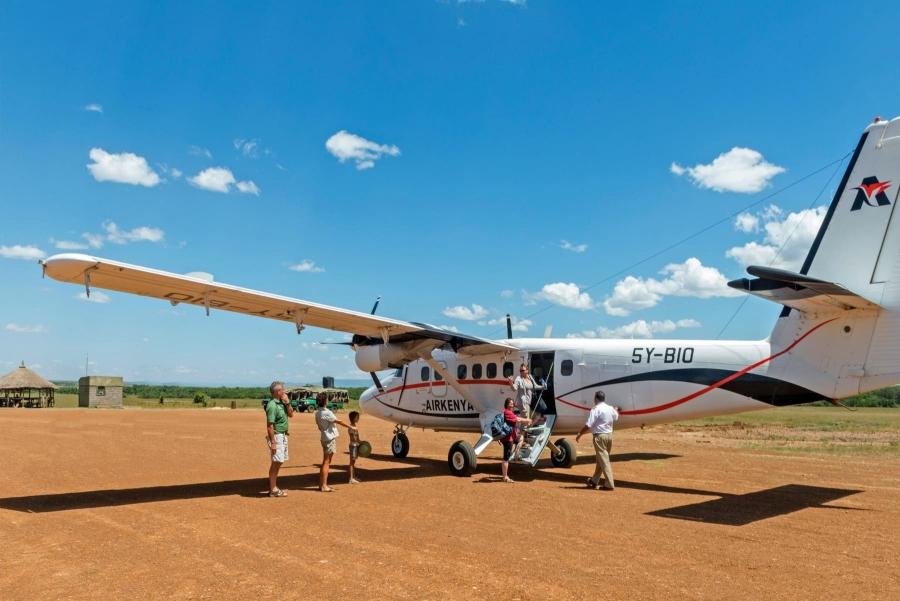
Discover our top air safaris, from the best in safari aviation to private 4×4 off-road Land Cruiser Jeeps, you’ll enjoy the finest transport in which to enjoy your adventure.

The ideal duration for an East Africa safari package often ranges from 5 to 14 days, this allows you to enjoy a comfortable and a well-rounded rewarding safari experience during this African tour package. It also depends on the destinations you will visit, wildlife interests, and personal preferences.

We have a 24 hour emergency line. If anything goes south, we’re ready to assist you regardless of time or date.

Many tented camps in Africa provide fitted mosquito nets in all rooms which are also insect proofed to protect you against malaria mosquito bites and other insect bites, ensuring a comfortable and safe stay.

It’s also advisable to carry insect repellent to further protect yourself especially in the outdoors during evenings.

Almost all Africa safari lodges and tented camp accommodations during your safari provide free Wi-Fi. You’ll find this available in all three accommodation levels – comfort or luxury accommodations.

Wi-Fi is provided in the public areas of the safari lodges/tented camps including the reception, dining areas, and lounge. It is not provided in the individual rooms/tents.

Moreover, because you will be inside a wilderness park, we still request that you come prepared with your own network data to avoid any inconveniences.

Kenya Safari Payment Methods

We recognize that security and safety are of utmost significance to you. Consequently, we collaborate with one of the world’s top payment providers, PesaPal, enabling us to effortlessly take Visa and Mastercard credit card transactions. With an additional 3.5% transaction fees. Upon accepting this, we will share with you the online payment link or directly pay on our website.

East Africa is within the tropics and near the Equator, separating the northern and southern hemispheres. The tropical temperatures are relatively high on the safari route and even within the national parks/game reserves.

Because you’ll need to frequently hydrate during your safari, we ensure unlimited supplies of drinking water.

All Vulture Africa Safari vehicles are fitted with a cooler box or mini fridge with a constant supply of cool, bottled water.

We replenish our supplies of drinking water during stops along the safari route.

Here’s everything you need to know about packing for your Africa safari trip.

We carefully research and choose our selection of top safari lodges and tented camps to offer the best in terms of comfort, relaxation, amenities, and atmosphere during your safari.

We fully understand the need for your protection against mosquitos and other insects.

All rooms/tents during your safari are fitted with mosquito nets or are insect-proofed to protect you against bites.

Tented camp showing bedroom with mosquito nets

You are also advised to use insect repellent to further protect yourself especially outdoors in the evenings.

Vulture African Safaris understands that your holiday travel may be lengthy and could involve different activities during your trip. You may find the need to store some of your luggage at various times.

You can safely store your extra luggage at our Nairobi office for safekeeping until you have completed your safari.

This is a free service extended to all our safari guests.

Packing luggage for an East African safari holiday tour

Additionally, our 4×4 safari Jeeps accommodate generous luggage space in its rear luggage compartment.

Kenya and Tanzania welcomes visitors from all over the world and their diverse diet preferences. These preferences may be due to religious beliefs, lifestyles, or health concerns.

The menus in all safari lodges & tented camps are continental cuisine however, vegetarian, kosher, halal, gluten-free, etc. meals are also provided.

We request you indicate your special diet needs during safari booking/confirmation.

Why Book Your Safari in Advance?

Advance booking not only guarantees availability at the most sought-after accommodations but also allows you to curate your dream itinerary, every detail reflecting your personal vision. While last-minute plannings can affect your whole East African trip.

As part of our safari tour services, Vulture African Safaris provides free pickup and return to the airport/hotel for any guests who are booked for a 3-day or more safari tour with us.

The transfers are provided even if you arrive or depart several days before or after your safari start/end.

Please let us know your arrival & departure flight details including airline codes and arrival/departure times. We will provide you with the name of your driver and telephone contact in advance of your arrival/departure.

If you are arriving in Nairobi earlier than your safari starting date or are intending to stay a few days more after your safari finish, you will require a Nairobi hotel.

Our listed safari tours and advertised prices do not include your Nairobi hotel.

Nairobi has a wide range of hotels in the economy, comfort, and luxury categories suitable for your 1 night or extended stay.

As part of your safari tour, Vulture Africa Safaris will pick you up at the airport and bring you to your respective Nairobi hotel or residence. This includes most areas around Nairobi.

We suggest that you look up and book online your preferred Nairobi hotel. If you should require advice, suggestions, or booking assistance for your Nairobi hotel, we will be happy to assist.

We can make suggestions depending on your budget and what area of the city you are interested in staying.

A Kenyan Sim card will greatly reduce your telephone roaming bills during your visit and while on safari in Kenya

1 GB of data costs an average of $5.

Safaricom, a telco provider in Kenya is the market leader with the best national coverage and better deals.

Sim cards can be purchased from official stores or approved resellers. You can purchase them at the Nairobi airport upon arrival. Cost is approximately $1 or Ksh.100

To purchase local sim cards, you are required to have a Sim-unlocked GSM-compatible phone.

Tipping in guidelines for Kenya and Tanzania safaris – although not mandatory, is expected in return for good service.

All hotels, lodges, and porterage gratuities are included in the cost of your safari – these are collectively referred to as the service charge.

You may also decide to tip individual waiters, porters, and other hotel service employees who provide exemplary service. Usually, $1 – $5 per meal or move is appropriate and appreciated.

It is, however, customary to tip your safari driver/guide at the end of the safari tour. The amount is dependent on your evaluation of the quality of the service rendered. An average of $10 per guest per day or 5-10% of your safari-only cost is suggested. However, the amount is at your discretion – you are welcome to provide additional compensation to any staffer who has provided special services. A bar gratuity of $1 is acceptable.

You may tip in Kenya shillings, USD, or in Euro at the end of your safari and preferably in an envelope.