
Ruaha National Park Safari
Remember, all our itineraries are totally flexible and can be changed to suit you.
About Ruaha National Park: The Ultimate Safari Guide
Ruaha National Park is vast, and was upgraded to a National Park in 1964 and was further enlarged in 2008 to its current size of 20,226 sq. km making it Tanzania’s second largest National Park. This makes it about the size of New Jersey in the United States, or of the whole country of Wales in the UK!. In fact Ruaha is part of a much larger ecosystem of about 45,000 sq. km. Nature reigns supreme across this enormous area.
And what an area! Rivers, mountains, plains, rock kopjes, swamps, dense woodlands, open savannas spread out across an immense landscape that has barely been touched by man. Wooded hillsides, many with rounded granite outcrops and scatterings of huge baobabs, are dissected by sandy, rock-strewn seasonal rivers and streams running down to meet flood plains and seasonal swamps, many of which end up in the Great Ruaha River.
Seasonal rivers are lined by scattered groves of palms, thorn trees, fig trees and sausage trees providing midday shade for all sorts of wild animals. They are key features to enjoy during game drives, especially during the dry season when only pools remain or the elephants have to dig in the sand for water. This is Africa of a bygone era – the world as it was before modern man.
The only perennial river is the Great Ruaha River, which flows along the southeast boundary, but even this becomes only a trickle in places at the end of the dry season in October.
Ruaha’s dry season is between June and October and its wet season is November to May. Temperatures range between 16 – 27 °C.
“Ruaha National Park Safari Guide”
Safari Packages To Ruaha National Park
Here’s some of our most popular Ruaha safari holidays. If you don’t see what you’re looking for, send us a message below so that we may give you more range of holidays and tours in the destination. Book the best Ruaha safaris today.
6 Days | Kenya - Tanzania Photographic Safaris
7 Days | Kenya - Tanzania Photo Tour
8 Days | Kenya - Tanzania Photography Safaris
10 Days | Kenya - Tanzania Safaris
10 Days | Kenya - Tanzania Safaris
10 Days | Kenya - Tanzania Safaris
Tourist Attractions In Ruaha National Park
The tourist attractions in Ruaha National Park are excitingly diverse and remarkably on a wide range because of the national park’s thrilling atmosphere emanating from its unrestricted wilderness which has a great combination of untouched vegetation and fascinating landscapes characterized by different species from the East and the South that supports the animal’s reliability. Ruaha National Park though it is among the least visited National Parks due to its relative inaccessibility, unique Tourist Attractions in Ruaha National Park feature numerous plants of over 1,650 plant species, prolific birdlife and mammal species from both Southern and Eastern Africa inhabiting the National Park simultaneously.
1. Great Ruaha River
The lifeblood of the park—permanent pools and sand-river seeps draw elephants, predators and abundant birdlife, especially in the dry season.

2. Baobab Plains
Iconic, ancient baobabs dot vast savannas—classic Ruaha scenery and perfect silhouettes for golden-hour photography.
3. Predator Safaris
Large lion prides, leopard and cheetah thrive in Ruaha’s mosaic of woodland and riverine habitats—best viewed at dawn and dusk.
4. Miombo & Special Antelopes
Miombo woodlands hide secretive roan, sable and greater kudu—prime sightings for seasoned safari-goers.
5. Elephant Herds
Dry-season congregations of elephants along river lines and springs create some of East Africa’s most dramatic gatherings.
6. Raptors & Rich Birdlife
570+ species: rollers, bee-eaters, kingfishers and powerful raptors. The river cliffs and woodlands are top birding hotspots.
7. Kopjes & Viewpoints
Granite inselbergs and rocky ridges provide sweeping views across the Ruaha basin—great for sundowners and landscape shots.
8. Remote Wilderness Feel
Immense, lightly trafficked tracts keep Ruaha wild and authentic—true frontier safari atmosphere.
Ruaha National Park Tours
Things To Do In Ruaha National Park
There are bucket list things to do in Ruaha Park, and the best way to see and photograph wildlife in Ruaha is on early morning and late afternoon game drives. It’s also worth doing a night drive to see nocturnal animals and to marvel at the night sky. A different way to experience the wilderness is on a walking safari with an armed ranger. You’ll mostly discover tiny creatures that are not often seen from a vehicle, but you might have some thrilling encounters with big animals too.
1. Morning and Afternoon Game Drives In Ruaha National Park
Game drives along the Mwagusi and Great Ruaha rivers: Follow predator and elephant movements between the park’s key waterways in an open 4WD vehicle. In the dry season, lion and leopard encounters are near-certain.
2. Walking Safaris In Ruaha Park
Select camps lead guided walks through the baobab-scattered terrain at dawn, bringing you to ground level with tracking, plant identification, and the sensory overload of moving through this remote landscape.
3. Night Safari Drives In Ruaha National Park
At camps where available, after-dark drives reveal Ruaha’s nocturnal community: aardvarks, bush babies, civets, genets and occasionally a leopard returning to a cached kill.
4. Fly Camping In Ruaha National Park
Sleep out beneath an open sky in purpose-designed bush tents in the wilderness. Laba Jongomero Camp offers this experience in the park’s remote south.
5. Balloon Safaris In Ruaha Safari Park
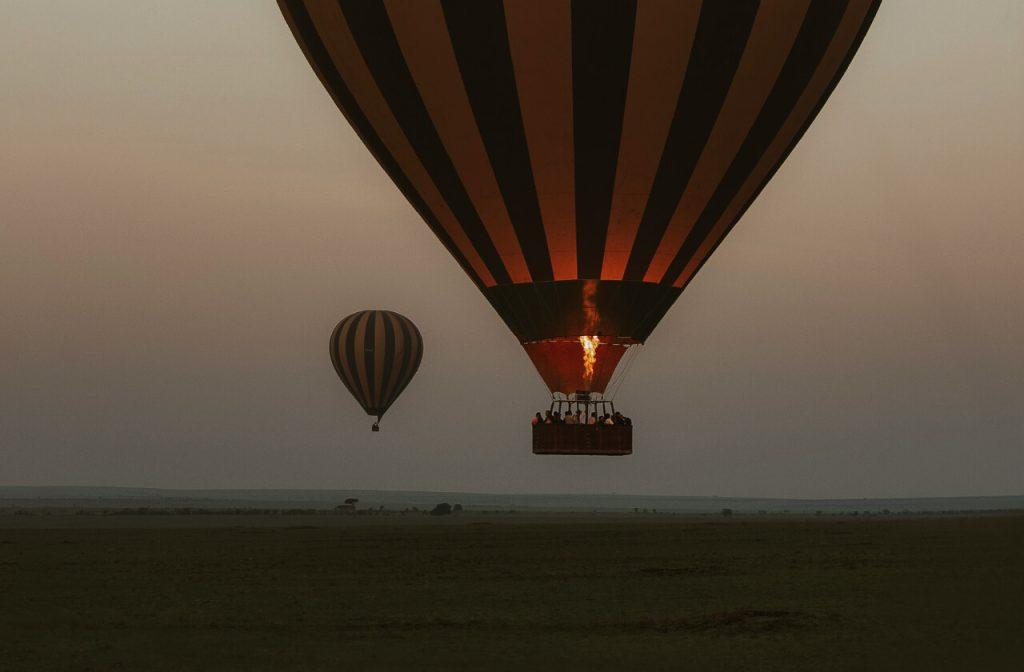
Available seasonally from July to October, dawn balloon flights rise silently above the plains, baobab groves and the sinuous Ruaha and Mwagusi rivers, revealing the park’s full scale from above.
6. Birdwatching In Ruaha Park
Over 570 recorded species inhabit the arid but biodiverse ecosystem, making Ruaha one of Tanzania’s finest birding destinations.
7. Photographic Safaris In Ruaha Park
Join us on a photo safari using our equipped photographic game vehicle that will set you up to get that one-in-a-million shot. These vehicles feature 360° rotating seats, sandbags and foam camera rests, perfect for photography buffs.
8. Go On A Boating Safari
Enjoy a safari experience from a different perspective out on the water. Ruaha is a great stop on a southern Tanzania safari, where there are plenty of opportunities to explore the area from a new perspective – on the water. Best enjoyed from Usangu Expedition Camp, a boating safari, you’ll see crocodile, hippo and waterbirds in their natural habitat, and catch sight of many other animals making their way down to the water to drink.
When To Visit Ruaha National Park For A Safari
When is the best time to visit Ruaha National Park? The heat is less intense in the Dry season as from May to October. This is also when animals are attracted to the Great Ruaha River and are therefore easier to see. It can be uncomfortably hot in the wetter months, and some roads may be inaccessible at this time.
Home to Big Five Wildlife
Animals & Wildlife In Ruaha National Park
Lions In Ruaha Park: One of Africa’s most significant lion strongholds and a designated Tanzania Lion Conservation Unit, Ruaha supports unusually large prides, often numbering 20 or more individuals, that are well habituated to safari vehicles.
Elephants, buffalo and the river system: Tanzania’s largest elephant population converges on the Great Ruaha River in the dry season alongside vast buffalo herds, hippopotamus and Nile crocodiles, concentrated by the simple geometry of a permanent river in a drying land.
Leopard, cheetah and African wild dog: Three of Africa’s most sought-after predators occur here in healthy numbers. Ruaha is one of East Africa’s most important remaining strongholds for the African wild dog (painted wolf), with over 100 individuals documented in the park.
Hyenas – rare and common: Ruaha is one of the few places in Africa where the striped hyena can be found, giving the park exceptional carnivore diversity. Spotted hyenas are common throughout.
The biogeographic crossover species: Greater and lesser kudu share territory in Ruaha. This is one of the very few places on the continent where this occurs. Sable antelope, roan antelope, eland and Lichtenstein’s hartebeest share the landscape alongside Masai giraffe and Grant’s gazelle.
Birds: Over 570 species recorded, including yellow-collared lovebird, ashy starling, Tanzanian red-billed hornbill, Ruaha chat, Eleonora’s falcon, racket-tailed roller, pale-billed hornbill, Dickinson’s kestrel, Pel’s fishing owl, Böhm’s bee-eater, sooty falcon, violet-crested turaco and collared palm-thrush.
Best Time For Wildlife Viewing In Ruaha Park
June to October the middle and end of the dry season is the best time for wildlife viewing in Ruaha National Park. Wildlife is easier to spot at this time because vegetation is thinner and animals gather around the Great Ruaha River and its tributaries. The male greater kudu is most visible in June, the breeding season. The best time to see wild dogs is during their denning season, from June to August.
Ruaha Wildlife Safaris
Where To Stay In Ruaha Park
The best places to stay in Ruaha National Park are a small set of tented camps inside the park, such as Jongomero, Jabali Ridge, Kwihala, Kigelia and Mwagusi, plus more affordable safari lodges just outside the gate like Ruaha Hilltop and Tandala. Staying inside puts you in the wildlife at dawn and dusk. Ruaha is one of Tanzania’s largest national parks, in the south-central Iringa Region, and the anchor of the country’s quieter southern safari circuit.
A Safari In Ruaha Park
Why Visit Ruaha National Park
Great Wildlife Safaris: Lion, leopard, cheetah, African wild dog (painted wolf), spotted hyena and the elusive striped hyena share the same landscape: a concentration of apex predators exceptional anywhere in Africa.
Baobabs with a thousand years of history: Ancient, elephant-sculpted and ecologically irreplaceable, Ruaha’s iconic trees carry honey-harvesting pegs dating back centuries and define a safari landscape unlike any other.
Two regions’ worth of wildlife: Ruaha’s biogeographic crossover brings southern and East African species together. Greater and lesser kudu share territory here, one of the very few places on the continent where this occurs.
Solitude as standard: Only around 1% of Tanzania’s visitors reach Ruaha. Even at peak season, the park’s vast scale means wildlife encounters that feel entirely unshared.
The Great Ruaha River orchestrates everything: As the dry season deepens, this permanent river draws elephants, buffalo, hippos, crocodiles and lions into dramatic, concentrated gatherings along its banks.
Ruaha Holidays
Best Months To Visit Visit Ruaha National Park
The middle and end of the Dry season, from June to October, is the best time for watching wildlife in Ruaha National Park. Animals are easier to spot because the bush thins out and wildlife concentrates around the Great Ruaha River and its tributaries.
Visiting Ruaha National Park From June To September
June sees Ruaha National Park green and lush as it emerges from the period of long rains and transitions into the dry season. The first half of the month may still be slightly cooler, but the temperature will be steadily increasing as the park becomes drier and dustier over the coming months. Late June is an excellent time for a safari in Ruaha, offering dry conditions without the high season pricing. July in Ruaha Park marks the start of the high season, as the park is now entering its best months for game viewing. Water sources lessen, forcing elephant, buffalo, and a variety of plains game to collect in the area of the remaining watering holes. Predator action is fruitful. The thinning vegetation makes for excellent game drive conditions, while walking safaris at this time of the year are amongst the best in Africa. Days are warm and sunny, while nights are cool and clear, perfect for night game drives.
Ruaha Safaris From October To January
By October Ruaha National Park is at its driest, with the best possible conditions for walking safaris and game drives. The movements of wildlife are more predictable at this time, as a regular daily cycle for access to water is followed, with predators in close pursuit. Ruaha National Park in November, the humidity starts to climb as storm clouds begin to gather in the afternoons, eventually bursting and heralding the start of the short rains. This period usually lasts from around mid-November through to mid-December, bringing daily afternoon showers and much needed relief to the region. The landscape and wildlife are both refreshed, the dust is pulled from the air, and some of the best possible photographic conditions can be enjoyed. The days are still warm, and the afternoon shower does not greatly impact daily activities. By late December, the short rains have usually ceased, leaving the park green and fresh, but with vegetation not yet as dense as after the long rains. January is dry and hot, excellent for birding as migratory species from Asia and Europe arrive, while game viewing is slightly more challenging than during the height of dry season, but still rewarding.
Ruaha Tours In February To May
In February, Ruaha National Park continues in a similar style to January, offering excellent birding against a beautiful backdrop of the refreshed national park. The days are sunny and warm, but the humidity begins to climb as March approaches and the long rains draw near. From mid-March to mid-May, the rains are usually frequent and can be relentless for days at a time, preventing planes from landing and severely impact the safari experience. Our camps, and most in the area, are all closed during this period, creating time for maintenance and refurbishment ahead of the new season in June. Towards the end of May in Ruaha, the rains have usually stopped, leaving the park green and lush, with an abundance of water and thick vegetation.
Kenya & Tanzania Safari Packages
Then customise yours with an expert.
Our listed Kenya and Tanzania safari packages are chosen to inspire and enlighten you – they show how top attraction destinations can work together in an itinerary. From the best 10-Day Kenya and Tanzania safari itinerary, when it comes to planning African vacations, we’re the tailor-made travel specialists. An African Safari Expert will customize your vacation, shaping it around your individual wants and preferences.
9 Days | 8 Nights
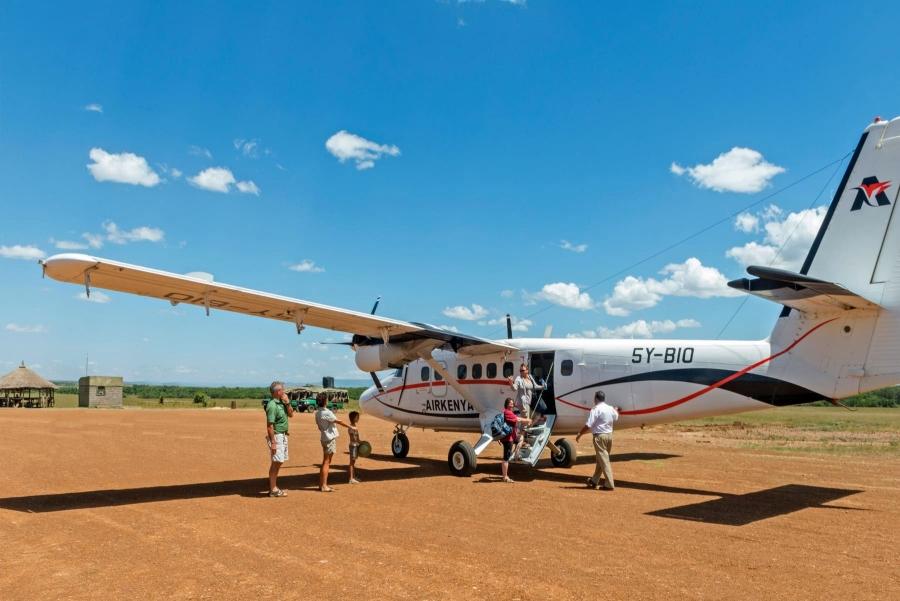
Best Air Safaris
Climate & Weather In Ruaha National Park
The weather in Ruaha National Park is hot and dry. Temperatures don’t vary much throughout the year. The warmest months are October to March, and the coolest are June to August. The Dry season occurs from May to October. Ruaha has one extended Wet season from November to April. Afternoon thunderstorms are common in the Wet season, but it is unusual for rainfall to last throughout the day.
Ruaha National Park Dry Season From May To October
During these months in Ruaha park, the sky is blue and it hardly ever rains. It gets very dry and dusty toward the end of the season.
Ruaha Park in May, June, July, August & September – It is dry and sunny and temperatures range between 28°C/85°F daytime and 18°C/60°F nighttime.
Visiting Ruaha Park in October – It is the end of the Dry season. The average daily temperature increases to 32°C/88°F.
Ruaha National Park Wet Season From November To April
During these safari months in Ruaha National Park is hot and humid. Average temperatures range from 33°C/88°F daytime to 20°C/68°F nighttime.
Ruaha Park in November & December – The rains usually start in November. It doesn’t often rain all day; showers are mostly in the afternoon. The temperature increases just before the rain starts, and peaks of over not unusual.
Ruaha safaris in January, February & March – Like previous months, it is highly unlikely for rains to last the whole day, but they will be more plentiful and usually occur in the afternoon. Daytime temperatures average 35°C/88°F, while night and early morning average 20°C/66°F.
Ruaha National Park in April – The rains will slow down, as this is the end of the Wet season. Temperatures average between 35°C/85°F daytime and 20°C/66°F nighttime.
Birds & Birding In Ruaha National Park
Ruaha National Park has an impressive checklist of over 450 birds. This great diversity of species is a function of Ruaha’s location, which is transitional to the acacia savannah of East Africa and the miombo woodland belt of southern Africa. Crested barbet, whose persistent trilling is a characteristic sound of the southern bush, occurs in Ruaha, alongside central Tanzanian endemics such as yellow-collared lovebird and ashy starling. Migratory birds are present from November to April.
Popular birds in Ruaha National Park includes; African fish eagle, Ashy starling, Black-bellied bustard, Buff-crested bustard, Collared palm-thrush, Crested barbet, Eleonora’s falcon, Emerald-spotted wood dove, Goliath heron, Long-crested eagle, Meyer’s parrot, Namaqua dove, Sooty falcon, Southern ground hornbill, Tanzanian red-billed hornbill, White-bellied go-away-bird, and Yellow-collared lovebird among others.
Best Time For Bird Watching In Ruaha National Park
The birdlife in Ruaha is good year-round but at its best from November to April when Palearctic and intra-African migrants are present. At this time, many resident bird species are nesting and are in breeding plumage. For wildlife viewing, June to October the middle and end of the Dry season, is best for visiting the park.
The Landscape & Scenery In Ruaha National Park
The main geographical feature of Ruaha’s untamed wilderness is the Great Ruaha River with its sandy tributaries. Away from the river, miombo woodland is interspersed with savannah grassland dotted with ancient baobab trees and rocky outcrops.
Ruaha National Park Safety Tips
A trip to Ruaha National Park is very safe in our opinion. Crime within Tanzania’s parks and reserves is rare, and your guide will help to keep you safe. During your Ruaha safari tours, your safari guide will look after your safety. Always listen carefully to their instructions and follow the park rules. Ruaha wildlife viewing is generally very safe. Our professional guide will ensure your safety on a guided safari. Below are some general safety tips for Ruaha holiday safaris:
Always keep your voice down when close to animals
Stay in the car during game drives except at designated areas where you are allowed to get out
Don’t stand up in the car, hang out of the window or sit on the roof
Stay together as a group close to your guide on a walking safari and always walk in single file
Never run or jog in a wildlife area as it entices predators to attack
Never walk between a hippo and water; it may panic and charge because its safety route to the water is blocked
Never leave food in your tent; it will attract wildlife
Cover your arms and legs in the evening and use insect repellent to protect against mosquitoes
Wear a hat, use sunscreen and drink plenty of water
Don’t wear bright and colorful clothes or too much perfume, especially on walking safaris
In tsetse-fly areas it is recommended not to wear dark-colored clothing, such as black or dark blue, since it attracts these stinging flies
Bring warm clothes for morning game drives in open vehicles
Ruaha Safari Itinerary Ideas
Ruaha lies almost directly on a route between Nyerere, Katavi and Mahale Mountains National Parks. The end point would be Dar es Salaam. This safari would combine the chimps of Lake Tanganyika, the vast flood plains of Katavi, the big game wonders of Ruaha, ending with the lakes and rivers of Nyerere National Park.
A longer safari would start in Dar es Salaam and proceed via Julius Nyerere, Ruaha, Katavi and Mahale to Burigi Chato and then via boat to Rubondo Island in Lake Victoria and on east to the Serengeti National Park, ending in Arusha. What an odyssey!
While visiting Ruaha National Park you may pass through the Isimila Stone Age and Mtwa Mkwawa Museum.
Questions About Best Ruaha Safaris
Q. How Big Is Ruaha National Park?
Ruaha covers over 20,000 km², making it Tanzania’s largest national park and larger than the Serengeti by approximately 6,000 km². The greater Ruaha ecosystem, including adjoining game reserves and Wildlife Management Areas, extends the protected landscape to around 45,000 km².
Q. Is Ruaha National Park Good For Walking Safaris?
Walking safaris are available at select camps including Kigelia Ruaha and Laba Jongomero Camp, with guiding standards among the best in Tanzania. Not every camp offers walks, as some decline given the park’s high elephant density. Confirm availability when planning your trip.
Q. Is Ruaha Suitable For First-Time Safari Visitors?
Ruaha is entirely appropriate for first-time visitors. The guiding standards across the park are among the best in Tanzania, wildlife encounters are exceptional and uncrowded, and the absence of the northern circuit’s tourist infrastructure is not a limitation but the very thing that makes a Ruaha safari memorable.
Q. What Does A Ruaha Safari Cost?
Safaris at Ruaha costs from US$800 per person, per night, depending on the accommodation comfort level, time of year and activities. This price usually includes accommodation, all meals, game drives, experienced guides, and 24/7 support from our team.
Q. Which Animals Can I See In Ruaha National Park?
There is so much to see in Ruaha National Park, starting with the park’s famous elephant population. Predator viewing in Ruaha is exceptional. The park is known for its big prides of lion and healthy wild dog population. While lions are very territorial, wild dogs, with their big home ranges, are a lot more elusive. The best time to see them is when they are denning. Elephants and a wide variety of antelope are another big draw to the park.
Q. How Many Days Are Recommended For Ruaha Safari?
We recommend staying at Ruaha Park for at least 2 or 3 full days in the park, although as a general rule, the longer you have to enjoy a Ruaha safari the better. Staying for around a week would be my ideal amount of time here. Ruaha is a vast protected area, and the more time you have here, the better your chances of seeing all that the park has to offer. This is especially the case when it comes to wildlife, but it also applies to the landscapes. With each extra game drive, each extra day, you’ll get to know this remarkable place just that little bit better.
Q. What Is The Best Time To Visit Ruaha National Park?
When it comes to the weather, the best time to visit Ruaha is from June to October. This is when the weather is at its best, with clear skies, mild daytime temperatures, and cooler nights and evenings. Because these months comprise most of the Dry season, they’re also the best time for seeing Ruaha’s wildlife. This is because the animals are drawn to the few remaining water sources in the park, making them easier to find. The main downside of traveling at this time is that it coincides with high season, when safari trails are busier though they’re never crowded in Ruaha and prices are at their highest. November to April is the Wet season. Rain can disrupt your safari and turn some trails to mud during this period. On the plus side, millions of migratory birds -ones that undertake a seasonal migration every year arrive in Ruaha and across southern Tanzania around November. They usually stay until April, making the Wet season the best time for birding.
Ruaha Safari Planning
Q. What type of clothes do I wear on Ruaha safari?
Pack lightweight, comfortable, and casual clothing for a Ruaha National Park safari, including long sleeves, pants, comfortable closed-toe shoes, a wide-brimmed hat, and layers for cooler mornings and evenings on game drives. For more details, we suggest you do your own safari packing essentials and find out what fits your interests.
Browse our safari clothing packing advice on what to pack for your African tour:
- Lightweight trousers /shorts and t-shirts remain ideal for the daytime drives.
- Lightweight jacket / fleece for the early mornings and evenings.
- Remember to also pack some warm socks and a woolly hat would be suggested for early morning and evening game drives.
- Hiking shoes
Other items we would suggest you bring along with you include:
- Sunscreen glasses & hat/cap
- Comfy Shoes / Sandals
- Flip Flops to wear during the day
- A Torch / Lamp
- Binoculars
- Phone/laptop charger
- Pack your medication, and a spare set of spectacles or contact lenses if you wear these.
Q. What is the best time to see the Masai Mara wildebeest migration in Kenya?
The best time to witness the dramatic Masai Mara wildebeest migration in Kenya is typically between mid-July through mid-September where your chances of witnessing a river crossing are generally much higher. In early October marks the end of the herd crossing the river from Kenya down into Tanzania, as thunderstorms begin in the north the herds will embark on their return journey back to the Serengeti.
Checkout our Migration safari offers.
Q. Kenya Vs Tanzania: Which Is Better for an African Safari?
Choosing between Kenya and Tanzania for an African safari depends on personal preferences, BUT Kenya is the most chosen being cost & budget friendly during both high and low seasons. Secondly, when it comes to the best places to stay in Kenya and Tanzania, both destinations offer fantastic accommodations. Thirdly in terms of Big 5 sightings, the wildebeest migration & general game viewing, both destinations are safari heavyweights. In terms of privacy and extending your safari beyond game drives, there are more private conservancies in Kenya than Tanzania which offer you plenty of activities inside the park.
Lastly, Kenya safari is the most sought-after destination for the world’s best safari experiences, evident from the large number of celebrities visiting year in year out.
Q. Will I have a private vehicle or shared game drives with other people?
We tend to enforce a maximum person per vehicle policy of 6. Meaning, although you’ll be sharing with other guests, everyone will get a side-view seat with unhindered views.
Some trips are designed in such a way that a private vehicle and guide are included for a portion of the trip, but the use of a private vehicle throughout your safari comes at an additional cost.
Q. How many days do you need for an Africa safari?
The ideal duration for an East Africa safari package often ranges from 5 to 14 days, this allows you to enjoy a comfortable and a well-rounded rewarding safari experience during this African tour package. It also depends on the destinations you will visit, wildlife interests, and personal preferences.
Q. What do I do in case of an emergency?
We have a 24 hour emergency line. If anything goes south, we’re ready to assist you regardless of time or date.
Q. Are there malaria mosquito nets in Africa safari tented camps?
Many tented camps in Africa provide fitted mosquito nets in all rooms which are also insect proofed to protect you against malaria mosquito bites and other insect bites, ensuring a comfortable and safe stay.
It’s also advisable to carry insect repellent to further protect yourself especially in the outdoors during evenings.
Q. Is there Wi-Fi at the safari lodges & tented camps on safari?
Almost all Africa safari lodges and tented camp accommodations during your safari provide free Wi-Fi. You’ll find this available in all three accommodation levels – comfort or luxury accommodations.
Wi-Fi is provided in the public areas of the safari lodges/tented camps including the reception, dining areas, and lounge. It is not provided in the individual rooms/tents.
Moreover, because you will be inside a wilderness park, we still request that you come prepared with your own network data to avoid any inconveniences.
Ruaha Safari Payment Methods
Q. Do you provide drinking water on safari?
East Africa is within the tropics and near the Equator, separating the northern and southern hemispheres. The tropical temperatures are relatively high on the safari route and even within the national parks/game reserves.
Because you’ll need to frequently hydrate during your safari, we ensure unlimited supplies of drinking water.
All Vulture Africa Safari vehicles are fitted with a cooler box or mini fridge with a constant supply of cool, bottled water.
We replenish our supplies of drinking water during stops along the safari route.
Here’s everything you need to know about packing for your Africa safari trip.
Q. Are mosquito nets provided in safari lodge rooms/tents?
We carefully research and choose our selection of top safari lodges and tented camps to offer the best in terms of comfort, relaxation, amenities, and atmosphere during your safari.
We fully understand the need for your protection against mosquitos and other insects.
All rooms/tents during your safari are fitted with mosquito nets or are insect-proofed to protect you against bites.
Tented camp showing bedroom with mosquito nets
You are also advised to use insect repellent to further protect yourself especially outdoors in the evenings.
Q. Is it possible to store excess luggage while on safari?
Vulture African Safaris understands that your holiday travel may be lengthy and could involve different activities during your trip. You may find the need to store some of your luggage at various times.
You can safely store your extra luggage at our Nairobi office for safekeeping until you have completed your safari.
This is a free service extended to all our safari guests.
Packing luggage for an East African safari holiday tour
Additionally, our 4×4 safari Jeeps accommodate generous luggage space in its rear luggage compartment.
Q. Do you handle requests for special dietary needs?
Kenya and Tanzania welcomes visitors from all over the world and their diverse diet preferences. These preferences may be due to religious beliefs, lifestyles, or health concerns.
The menus in all safari lodges & tented camps are continental cuisine however, vegetarian, kosher, halal, gluten-free, etc. meals are also provided.
We request you indicate your special diet needs during safari booking/confirmation.