
Lake Manyara National Park Safari
Remember, all our itineraries are totally flexible and can be changed to suit you.
About Lake Manyara National Park: The Ultimate Safari Guide
Lake Manyara National Park lies in a very dramatic setting up against the steep western wall of the Rift Valley. Being directly en route to Ngorongoro from Arusha or Tarangire, it is a poplar place either for a day visit or for longer.
However, it is an exceptional National Park that would deserve a visit regardless of where it was located; in fact so exceptional that it was declared part of a World Biosphere Reserve in 1981.
There are at least 5 very different habitats existing side by side in an area of 325 sq km. In fact on a game drive you see more variation in the distance travelled than anywhere else in Africa. There are copious ground water springs at one end, spilling out from the base of the Rift Valley wall. These give rise to a truly jungle type of ground-water forest, which is in stark contrast to the dry bush acacia woodlands all around, and to the enormous shallow alkaline lake that lies on the valley floor. Then there is also the steep escarpment wall with its own boulder strewn habitat.
In the south of the park are found extensive hot water springs as testament to the active tectonic nature of the Rift Valley, and there is a long walkway out across the steaming rivulets and reed beds of the lake edge giving a magnificent view up and down the full length of this part of the Rift Valley. Here you can watch old bull buffaloes wallowing in the warm alkaline mud, and on occasions vast flocks of flamingos.
Enormous Baobabs are scattered throughout the drier parts. In fact one of these baobabs was visited by Disney Imagineers in 1994 and became the inspiration for the baobabs that feature in Disney Worlds famous Animal Kingdom theme park in Orlando, Florida.
“Lake Manyara Safari Guide”
Safari Packages To Lake Manyara National Park
Here’s some of our most popular Lake Manyara safari holidays. If you don’t see what you’re looking for, send us a message below so that we may give you more range of holidays and tours in the destination. Book the best Lake Manyara safaris today.
6 Days | Kenya - Tanzania Photographic Safaris
7 Days | Kenya - Tanzania Photo Tour
8 Days | Kenya - Tanzania Photography Safaris
10 Days | Kenya - Tanzania Safaris
10 Days | Kenya - Tanzania Safaris
10 Days | Kenya - Tanzania Safaris
Lake Manyara Park History
Manyara was made a National Park in 1960 having previously been a Game Reserve, and in 1981 became part of a World Biosphere.
It is the place where Dr. lain Douglas Hamilton did his pioneer studies on African elephant, and elephant are very much a part of the experience here. Douglas Hamilton’s book ‘Among the Elephants’ is an account of his time in Manyara.
Manyara is a great destination for birds and in particular water birds, including rafts of pelicans and literally millions of flamingos at some times of the year.
Tourist Attractions In Lake Manyara National Park
Lake Manyara Safari Park has remarkable attractions most notably the tree climbing lions, Marang’ forest, hot spring, ground water forest, diversity of bird species and the rift valley. Plan your trip by visiting Lake Manyara National Park were you will get exceptional experience that quenches your travel thirst.
1. Groundwater Forest
Lush, spring-fed evergreen forest greets you at the park entrance—home to blue monkeys, baboons and colorful birds.

2. Alkaline Lake & Flamingos
The soda lake hosts seasonal spectacles of lesser and greater flamingos, pelicans and other waterbirds along shimmering shores.
3. Great Rift Valley Escarpment
Towering cliffs frame the park, offering dramatic backdrops and viewpoints over the floodplain and lake.
4. Hot Springs (Maji Moto)
Thermal features bubbling through mineral-streaked flats—photogenic stops along the lakeshore drives.
5. Hippo Pools & Wetlands
Hippos wallow in reedy shallows while storks and herons stalk the margins—prime spots for relaxed viewing.
6. Acacia Woodland
Classic savanna pockets where giraffe browse and the park’s famous tree-climbing lions may be seen (with luck!).
7. Lookouts & Viewpoints
Scenic pullouts and boardwalks reveal expansive Rift Valley panoramas and bird-filled shorelines.
Lake Manyara Safaris
Things To Do In Lake Manyara National Park
In Lake Maynara, you’ll see a lot of different wildlife quickly on game drives, but there are other ways to get close to nature in the park. On a night drive you’ll have a chance to find creatures that are active at night, and on a canoe safari you might possibly see the big flocks of pink-hued flamingos for which the park is famous. Lake Manyara can also be explored on foot on a walking safari. And if your nerves can take it, the treetop walkway is a must. Some of the best things to do in Lake Manyara Park includes:
1. Morning And Afternoon Game Drives In Lake Manyara
This is the main activity along a network of roads within the park. Observe the tree climbing lions – Lions are a treat to see anywhere on safari, but tree-climbing lion are something of a rarity and are usually only found in a few locales, one of which is Lake Manyara National Park. While most lion prefer to remain land-bound, the tree-climbing lion of Tanzania and Uganda can be found lounging cosily or sleeping on branches, a skill it is believed by some scientists that all lion are capable of, but simply prefer not to exercise.
2. Hiking In Lake Manyara
Guided walking safaris are possible by prior arrangement with the Park authorities, including a hike up to the Marang’ forest via the Iyambi River in the south.
3. Night Safari Drives In Lake Manyara
Night game drives are possible in the Park. Nothing quite compares to the excitement and anticipation of embarking on a night game drive– boarding a safari vehicle in the quiet of the night as you depart into the wilderness. Night safaris encourage you to really make use of your senses, listen out for sounds of animals you cannot see and keep your eyes peeled for moving shadows against the headlights of the vehicle and the panning spotlight. Nocturnal creatures make their debut during this time, from quilled porcupines to lean civet cats. Some of the nocturnal predators you can expect to see include brown hyena loping around and prowling lion energised from their several hours of sleep in the day. If you’re lucky, you may also spot a leopard moving around in the darkness.
4. Canopy Tree Walk In Lake Manyara
Manyara has one of the longest tree canopy walkways in Africa with intermittent viewing decks positioned around the trees on the walk. Under the supervision of a guide you can enjoy a totally new experience of leafy tree tops, butterflies, birds and monkeys.
5. Canoeing In Lake Manyara
Depending on the level of water in the lake, canoeing is an activity option. During the wet season, you can enjoy a list of water activities on Lake Manyara, such as canoeing, mokoro rides, and sunset boat cruises.
6. Bush Meals In Lake Manyara
Bush meals are allowed in all national parks but they are particularly popular in this national Park.
7. Explore The Beautiful Scenery Of Lake Manyara
Even as one of the smaller wildlife reserves in Tanzania, Lake Manyara National Park boasts a diverse array of ecosystems making for breathtaking landscapes to explore and observe. From the dense forests which are home to vervet and blue monkey, to the marshes which invite wallowing hippos. Moreover, anticipate woodlands rich with acacia trees and open savannahs littered with grazing zebra. The national park lies between Tarangire and The Great Rift Valley, with the East African Rift forming a picturesque backdrop to the magnificent lake.
8. Go Bird Watching In Lake Manyara
A haven for waterbirds, Lake Manyara National Park is home to over 400 species of birds, making it an excellent destination for bird enthusiasts and one of the best places in Tanzania to go bird watching. During the wet season or green season, the birds migrate to the area for the higher water levels, making this the best time to visit Lake Manyara if you want to see large flocks of various water birds. Some of the species you can expect to see include pelicans, Egyptian geese, the Crowned Eagle and the African Spoonbill, but Lake Manyara is particularly famous for its thriving flamingo population. You will find these gorgeous pink birds along the lake’s shores, gracefully grazing in large numbers, feeding on the dead algae. The lake’s alkalinity and shallowness make it the perfect environment for its pink inhabitants.
9. Cultural Safari Activities In Lake Manyara
When you aren’t on safari, there are plenty of activities to take part in both within and outside of your camp. Cultural visits to the town of Mto wa Mbu can be organised, giving you a look into the lives of the locals, or go on a run with the Maasai tribesmen for a fun excursion. When you’re ready to slow down you can indulge in the lodge’s spa or pool or get active at the fitness centre. Take each day as it comes, whether your aim is to head out on an adventure or simply relax and take in your surroundings, rest assured you won’t run out of things to do.
10. Private Wildlife Safaris In Less Crowded Park
Even with famous heavyweights such as the Serengeti and Ngorongoro Crater nearby, Lake Manyara National Park stands out, offering unique and exciting experiences that make it a top destination to visit while in Tanzania. The icing on the cake? You get to enjoy a crowd-free experience! Lake Manyara National Park is the perfect place to go while in East Africa if you want to get off the beaten track while savouring a one-of-a-kind experience in the bush.
When To Visit Lake Manyara National Park For A Safari
When is the best time to visit Lake Manyara Park? Wildlife viewing in Lake Manyara is good throughout the year but is best in the Dry season from June to October. The exception is March and April as these months tend to be very wet. The scenery is at its most beautiful in the Wet season months from November to May. Many people visit the park en route to or from the Ngorongoro Crater and few people stay in or near the park. Early mornings are therefore perfect for an uncrowded experience.
Home to Big Five Wildlife
Animals & Wildlife In Lake Manyara National Park
Tree-climbing lions: The park’s most famous residents are most often found resting in acacia trees in the southern woodland.
Elephants In Lake Manyara: Occur in some of Tanzania’s highest densities, with herds regularly seen along the lakeshore and forest edges.
Olive baboons: Large troops, among Africa’s biggest, forage noisily through the groundwater forest and open woodland. Blue monkeys: Inhabit the shaded groundwater forest, while klipspringers and dik-diks favour the rocky escarpment slopes.
Plains Wild Animals In Lake Manyara: Buffalo, wildebeest, zebra, giraffe, waterbuck and impala move across the floodplains between lake and escarpment.
Birdlife: Over 400 species have been recorded, including lesser flamingos, pink-backed pelicans, silvery-cheeked hornbills, palm-nut vultures and crowned eagles.
Best Time For Wildlife Viewing In Lake Manyara National Park
Watching wildlife in Lake Manyara National Park is good all year, but is at its best from June to October, during the Dry season. However, this very scenic park is at its most beautiful during the Wet season, from November to May, when the vegetation is lush and waterfalls cascade down the escarpment. Be warned though that March and April tend to be very wet.
Lake Manyara Wildlife Safaris
Where To Stay In Lake Manyara National Park
Nestled between the Great Rift Valley escarpment and the shimmering alkaline waters of Lake Manyara, this park offers one of Tanzania’s most scenic and diverse landscapes — and its accommodation options reflect that same diversity. From luxury eco-lodges hidden deep in the forest to affordable tented camps on the escarpment rim, Lake Manyara National Park has places to stay for every type of traveler. The accommodations in Lake Manyara National Park, vary from camps to tented camps, lodges, and hotels, plus hostels for those in low budget. Some accommodations are mobile, especially the tented camps, they can easily be moved depending on the season and animal movement.
The safari camps and lodges in Lake Manyara feature wide windows open to the romance of leafy woodland. Built from faded, natural wood, and thatched with makuti palm ferns, each luxuriously appointed suite boasts a wide verandah with table and chairs, bamboo screened outdoor shower, en-suite bathroom with vanity basins, flush WC, and a stand-alone bathtub with forest views. Generous sitting areas of contemporary design in colors of earth and straw complement dreamy tree bedroom with cotton bed-linen, natural fabric furnishings, ceiling fans, and mosquito nets. As for the best places to stay in Lake Manyar, you can either stay inside Lake Manyara National Park during a Tanzania safari, or stay outside. Either way, you will enjoy from luxury tree lodges to eco-camps, mid-range lodges, and budget tents.
A Safari In Lake Manyara
Safari Activities In Lake Manyara Park
You’ll see a lot of different wildlife quickly on game drives, but there are other ways to get close to nature in the park. On a night drive you’ll have a chance to find creatures that are active at night, and on a canoe safari you might possibly see the big flocks of pink-hued flamingos for which the park is famous. Lake Manyara can also be explored on foot on a walking safari. And if your nerves can take it, the treetop walkway is a must.
Lake Manyara Holiday
Best Months to Visit Lake Manyara Park
Wildlife viewing in Lake Manyara is good throughout the year but is best in the Dry season from June to October. The exception is March and April as these months tend to be very wet. The scenery is at its most beautiful in the Wet season months as from November to May. Many people visit the park en route to or from the Ngorongoro Crater and few people stay in or near the park. Early mornings are therefore perfect for an uncrowded experience.
Visiting Lake Manyara From June To September
In June, Lake Manyara National Park is green and lush after the rains. There is an abundance of water throughout the park and the water level of the lake is usually high. It’s a popular month to travel, ahead of high season prices, and game viewing generally, but the thick vegetation can be challenging. Lake Manyara In July marks the start of the dry season, which leads to a decline in the availability of water and the thinning of vegetation, two factors which typically improve game viewing. The weather is sunny and mild through this season, and there is good game viewing to be enjoyed. By September, in Lake Manyara there is a shortage of fresh water in the park, forcing wildlife to resort to the high alkaline waters of the lake. Wildlife is easier to find, creating excellent game drive conditions throughout the park. This is the busiest time of the year for visitors, so expect to see plenty of vehicles given the fairly limited road network within the park.
Lake Manyara Safari In October To January
Lake Manyara tours in October remains a perfect dry month for a safari inside the park. From early November in Lake Manyara, rain clouds begin to build in the afternoons, threatening rain. With the clouds comes an increase in humidity, until the rains eventually break, and the period of short rains begins. Usually lasting from around mid-November till late December, this period sees regular afternoon showers throughout the region. The rain refreshes the landscape and rejuvenates the wildlife, bringing new greenery and creating improved access to water without adding too much density to the vegetation. Game viewing is good through this period and the showers minimally impact on safari activities. After a shower, the air is clear and dust-free, creating magical photography conditions in the late afternoon light. Migratory bird species arrive from Europe and Asia, complementing the already strong bird population residing within the park. By January in Lake Manyara, the flamingo are usually numbering in their thousands surrounding the shores of Lake Manyara, creating a dazzling display of pink. Days are warm and dry, with the occasional light afternoon shower. There are less visitors to the park and fewer vehicles.
Lake Manyara Tours In February To May
Lake Manyara visits in February continues with hot days and the occasional afternoon shower. The landscape is green but the vegetation not yet dense, allowing for good game viewing conditions and excellent bird safaris. By March in Lake Manyara, signs of the approaching rains become increasingly visible as cloud cover begins to build, with the rains usually starting in the second half of the month. Heavy showers continue through April and into early May, at which point they begin to ease. The park becomes lush and green, the thick vegetation and muddy roads creating challenging game drive conditions. Birding continues to be excellent through this season, although many camps will close due to the conditions, leaving the park very quiet. As soon as the rain begins to cease and the terrain underfoot begins to firm, game drive conditions immediately improve. By the end of May the conditions are usually vastly improved, offering visitors great value for money before prices increase in June and July in Lake Manyara Park.
Kenya & Tanzania Safari Packages
Then customise yours with an expert.
Our listed Kenya and Tanzania safari packages are chosen to inspire and enlighten you – they show how top attraction destinations can work together in an itinerary. From the best 10-Day Kenya and Tanzania safari itinerary, when it comes to planning African vacations, we’re the tailor-made travel specialists. An African Safari Expert will customize your vacation, shaping it around your individual wants and preferences.
9 Days | 8 Nights
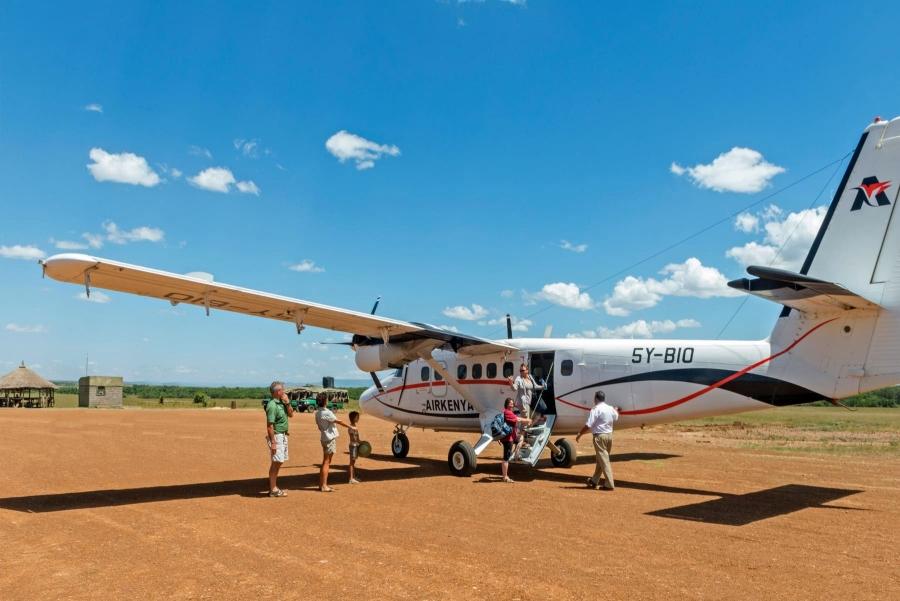
Best Air Safaris
Climate & Weather In Lake Manyara Park
What is the weather like in Lake Manyara National Park? The climate in Lake Manyara National Park is pleasantly warm and average temperatures are consistent throughout the year. It is very rarely extremely hot, but it is often chilly during the evening and early morning. Taking warm clothing along on early morning game drives is recommended. Lake Manyara’s Dry season is from June to October. The Wet season consists of two rainy periods: the short rains as from November to December and the long rains (March to May), with a dry spell in between. It rarely rains the whole day.
Lake Manyara Dry Season From June to October
During these months in Lake Manyara, it is usually sunny and bright and it hardly ever rains.
A safari in Lake Manyara from June, July, August & September – the afternoon temperatures are normally around 26°C/79°F. Nighttime temperatures get as cold as 15°C/60°F. This cold weather remains in the morning, so be sure to bring plenty of warm clothes for early game drives.
Visiting Lake Manyara in October – It is possible for the short rains to begin in October.
Lake Manyara Wet Season From November To May
During these safari months in Lake Manyara, it is warm in the wet season, with temperatures peaking in the afternoon around 30°C/88°F. Nighttime temperatures are around 15°C/60°F.
Travelling to Lake Manyara in November & December – ‘arrival of short rains’ – These rains last for about one month and can happen anytime between November and December. Afternoon showers may occur, but it is unusual for it to rain all day so this will have little impact on your trip.
Lake Manyara safari holidays in January & February – this is a period of dry weather is likely between the two rainy seasons, although the timing is hard to predict.
Trips to Lake Manyara from March, April & May – ‘arrival of long rains’ – Although it rains daily during the wettest months, it is unusual for it to last the whole day. It is mostly cloudy.
Birds & Birding In Lake Manyara Park
Lake Manyara National Park provides a great birdlife safari tour. More than 400 species have been recorded and you might be able to observe 100 in one day. The park supports a big array of waterbirds, including pelicans. When the water level is right, thousands of pink-hued flamingos flock to the lake to breed and feed. Unfortunately, access to the shore is restricted and you might not be able to see them. More than 50 species of bird of prey have been recorded, including crowned eagle and African hawk-eagle. Migratory birds are present from November to April.
Popular birding species in Lake Manyara include the following: Treats for Avid Birders, Abdim’s stork, African fish eagle, African grey hornbill, African hawk-eagle, African jacana, African spoonbill, Baglafecht weaver, Blue-billed teal, Knob-billed duck, Crowned eagle, Eastern crested guineafowl, Great white pelican, Greater flamingo, Grey crowned crane, Lesser flamingo, Little stint, Pied avocet, Pied kingfisher, Pink-backed pelican, Sacred ibis, Saddle-billed stork, Silvery-cheeked hornbill, Southern ground hornbill, Spur-winged goose and Yellow-billed stork among others.
Best Time For Bird Watching In Lake Manyara Park
Although birding in Lake Manyara is good throughout the year, the best bird watching in Lake Manyara is from November to April, when you can spot Palearctic and intra-African migratory birds. This is also the time many birds can be seen in their breeding plumage. For wildlife viewing, the dry season as from June to October is best.
Lake Manyara Park Scenery & Landscape
The park has a remarkable variety of habitats in a small area. Most notable is the dense, evergreen groundwater forest featuring ancient mahogany and fig trees. Other habitats include the grassy floodplain, rocky escarpment and acacia woodland, all of which can be covered in a half-day visit. Deeper into the park, a visit to the hot springs (Maji Moto) is recommended.
Lake Manyara Safety Tips
A trip to Lake Manyara National Park is very safe in our opinion. Crime within Tanzania’s parks and reserves is rare, and your guide will help to keep you safe. During your Lake Manyara safari, your safari guide will look after your safety. Always listen carefully to their instructions and follow the park rules. Lake Manyara wildlife viewing is generally very safe. Our professional guide will ensure your safety on a guided safari. Below are some general safety tips for Lake Manyara Park safaris:
Always keep your voice down when close to animals
Stay in the car during game drives except at designated areas where you are allowed to get out
Don’t stand up in the car, hang out of the window or sit on the roof
Stay together as a group close to your guide on a walking safari and always walk in single file
Never run or jog in a wildlife area as it entices predators to attack
Never walk between a hippo and water; it may panic and charge because its safety route to the water is blocked
Never leave food in your tent; it will attract wildlife
Cover your arms and legs in the evening and use insect repellent to protect against mosquitoes
Wear a hat, use sunscreen and drink plenty of water
Don’t wear bright and colorful clothes or too much perfume, especially on walking safaris
In tsetse-fly areas it is recommended not to wear dark-colored clothing, such as black or dark blue, since it attracts these stinging flies
Bring warm clothes for morning game drives in open vehicles
Lake Manyara Safari Itinerary Ideas
Manyara fits well into numerous Northern circuit itineraries, but of especial interest is the southern Entry Gate. This enables visitors from Tarangire to travel the full length of Manyara as they head to Ngorongoro or the Serengeti.
Questions About Best Lake Manyara Safaris
Q. How Big Is Lake Manyara National Park?
The park covers approximately 325 square kilometres, of which roughly two-thirds is occupied by the lake itself.
Q. Can I See Flamingos At Lake Manyara?
Flamingo numbers vary considerably from year to year and depend on water and algae conditions, so sightings are never guaranteed on any given visit.
Q. Is Lake Manyara Good For A Day Trip?
Yes, many visitors explore Manyara as a half-day or full-day stop en route to Ngorongoro or the Serengeti, though a longer stay reveals more of the park.
Q. What Is The Lake Manyara Treetop Canopy Walkway?
It is a suspended walkway stretching roughly 370 metres through the groundwater forest canopy, giving visitors a unique view of the forest from above.
Q. Are Night Game Drives Allowed At Lake Manyara?
Yes, Lake Manyara is one of the few Tanzanian parks that permits guided night drives, offering the chance to see nocturnal species.
Q. What Animals Will I See In Lake Manyara?
Lake Manyara National Park is known for its legendary tree-climbing lions and impressively tusked elephants. Large buffalo, wildebeest and zebra herds gather on the grassy plains. The escarpment is home to a dense leopard population, but you’ll need some luck to see one of these secretive big cats. The forest patch at the entrance of the park is home to habituated troops of olive baboons and blue monkeys. The occasional bushbuck can also be spotted here, darting off in the undergrowth. Cute little dik-diks with their Bambi eyes and wriggly noses are common, and klipspringer pairs are sometimes seen balancing on the rocks at the far south of the park.
Q. How Much Does Lake Manyara Safari Cost?
Lake Manyara safari tours cost from US$500 per person per night, depending on the accommodation comfort level, time of year and activities. Cheaper lodges are available, but we don’t recommend them. This price usually includes accommodation, all meals, game drives, experienced guides, airport transfers, and 24/7 support from our team.
Q. When Can You See The Flamingos At Lake Manyara?
This is where the sources genuinely disagree, so here is the honest version. Some report the biggest flocks in the dry months, when the lake shrinks and algae concentrates enough to feed them. Others put the peak in the wet season, when water levels rise and the migrants arrive. Both can be true in different years, because the birds shuttle between Manyara, Natron and Eyasi depending on water and food, and Natron pulls them away to breed. Flamingos are present most of the year in some number. The vast pink sheet across the shallows is a matter of timing and luck, and any operator who guarantees it is guessing.
Q. Can You See The Big Five In Lake Manyara?
Four of them, realistically. Lion, leopard, elephant and buffalo are all seen in Lake Manyara. Rhinos are not a sighting you should plan around: older material still mentions a few black rhino, but they are not part of the modern Manyara experience and you should treat the park as Big Five minus rhino. If rhino matters to you, the conventional answer on the northern circuit is the Ngorongoro Crater, which is a short drive on from here anyway.
Lake Manyara Safari Planniing
Q. What type of clothes do I wear on Lake Manyara safari?
Pack lightweight, comfortable, and casual clothing for a Lake Manyara safari, including long sleeves, pants, comfortable closed-toe shoes, a wide-brimmed hat, and layers for cooler mornings and evenings on game drives. For more details, we suggest you do your own safari packing essentials and find out what fits your interests.
Browse our safari clothing packing advice on what to pack for your African tour:
- Lightweight trousers /shorts and t-shirts remain ideal for the daytime drives.
- Lightweight jacket / fleece for the early mornings and evenings.
- Remember to also pack some warm socks and a woolly hat would be suggested for early morning and evening game drives.
- Hiking shoes
Other items we would suggest you bring along with you include:
- Sunscreen glasses & hat/cap
- Comfy Shoes / Sandals
- Flip Flops to wear during the day
- A Torch / Lamp
- Binoculars
- Phone/laptop charger
- Pack your medication, and a spare set of spectacles or contact lenses if you wear these.
Q. What is the best time to see the Masai Mara wildebeest migration in Kenya?
The best time to witness the dramatic Masai Mara wildebeest migration in Kenya is typically between mid-July through mid-September where your chances of witnessing a river crossing are generally much higher. In early October marks the end of the herd crossing the river from Kenya down into Tanzania, as thunderstorms begin in the north the herds will embark on their return journey back to the Serengeti.
Checkout our Migration safari offers.
Q. Kenya Vs Tanzania: Which Is Better for an African Safari?
Choosing between Kenya and Tanzania for an African safari depends on personal preferences, BUT Kenya is the most chosen being cost & budget friendly during both high and low seasons. Secondly, when it comes to the best places to stay in Kenya and Tanzania, both destinations offer fantastic accommodations. Thirdly in terms of Big 5 sightings, the wildebeest migration & general game viewing, both destinations are safari heavyweights. In terms of privacy and extending your safari beyond game drives, there are more private conservancies in Kenya than Tanzania which offer you plenty of activities inside the park.
Lastly, Kenya safari is the most sought-after destination for the world’s best safari experiences, evident from the large number of celebrities visiting year in year out.
Q. Will I have a private vehicle or shared game drives with other people?
We tend to enforce a maximum person per vehicle policy of 6. Meaning, although you’ll be sharing with other guests, everyone will get a side-view seat with unhindered views.
Some trips are designed in such a way that a private vehicle and guide are included for a portion of the trip, but the use of a private vehicle throughout your safari comes at an additional cost.
Q. How many days do you need for an Africa safari?
The ideal duration for an East Africa safari package often ranges from 5 to 14 days, this allows you to enjoy a comfortable and a well-rounded rewarding safari experience during this African tour package. It also depends on the destinations you will visit, wildlife interests, and personal preferences.
Q. What do I do in case of an emergency?
We have a 24 hour emergency line. If anything goes south, we’re ready to assist you regardless of time or date.
Q. Are there malaria mosquito nets in Africa safari tented camps?
Many tented camps in Africa provide fitted mosquito nets in all rooms which are also insect proofed to protect you against malaria mosquito bites and other insect bites, ensuring a comfortable and safe stay.
It’s also advisable to carry insect repellent to further protect yourself especially in the outdoors during evenings.
Q. Is there Wi-Fi at the safari lodges & tented camps on safari?
Almost all Africa safari lodges and tented camp accommodations during your safari provide free Wi-Fi. You’ll find this available in all three accommodation levels – comfort or luxury accommodations.
Wi-Fi is provided in the public areas of the safari lodges/tented camps including the reception, dining areas, and lounge. It is not provided in the individual rooms/tents.
Moreover, because you will be inside a wilderness park, we still request that you come prepared with your own network data to avoid any inconveniences.
Lake Manyara Safari Payment Methods
Q. Do you provide drinking water on safari?
East Africa is within the tropics and near the Equator, separating the northern and southern hemispheres. The tropical temperatures are relatively high on the safari route and even within the national parks/game reserves.
Because you’ll need to frequently hydrate during your safari, we ensure unlimited supplies of drinking water.
All Vulture Africa Safari vehicles are fitted with a cooler box or mini fridge with a constant supply of cool, bottled water.
We replenish our supplies of drinking water during stops along the safari route.
Here’s everything you need to know about packing for your Africa safari trip.
Q. Are mosquito nets provided in safari lodge rooms/tents?
We carefully research and choose our selection of top safari lodges and tented camps to offer the best in terms of comfort, relaxation, amenities, and atmosphere during your safari.
We fully understand the need for your protection against mosquitos and other insects.
All rooms/tents during your safari are fitted with mosquito nets or are insect-proofed to protect you against bites.
Tented camp showing bedroom with mosquito nets
You are also advised to use insect repellent to further protect yourself especially outdoors in the evenings.
Q. Is it possible to store excess luggage while on safari?
Vulture African Safaris understands that your holiday travel may be lengthy and could involve different activities during your trip. You may find the need to store some of your luggage at various times.
You can safely store your extra luggage at our Nairobi office for safekeeping until you have completed your safari.
This is a free service extended to all our safari guests.
Packing luggage for an East African safari holiday tour
Additionally, our 4×4 safari Jeeps accommodate generous luggage space in its rear luggage compartment.
Q. Do you handle requests for special dietary needs?
Kenya and Tanzania welcomes visitors from all over the world and their diverse diet preferences. These preferences may be due to religious beliefs, lifestyles, or health concerns.
The menus in all safari lodges & tented camps are continental cuisine however, vegetarian, kosher, halal, gluten-free, etc. meals are also provided.
We request you indicate your special diet needs during safari booking/confirmation.