
Gombe National Park Safari
Remember, all our itineraries are totally flexible and can be changed to suit you.
About Gombe National Park: The Ultimate Safari Guide
Gombe National Park covers an area of 52 sq. km. and was first recognized as an important wildlife and chimpanzee habitat in 1943 when it was designated a Game Reserve. It has mountainous forested terrain that slopes steeply down to its sandy shoreline on Lake Tanganyika, and is the defining attraction for the visitor: the chimpanzees living there.
The chimpanzees were originally the object of research by the renowned scientist and conservationist Dr. Jane Goodall, who was herself the protégé of the yet more celebrated anthropologist Dr. Louis Leakey. Her studies started in 1960, and she later married Derek Bryceson who was a Tanzanian MP and the second Director of National Parks after independence in 1961. Gombe was upgraded to National Park status by the Tanzania Government in 1968.
If you are looking for a truly wild place in Tanzania with such significant representation of the few magnificent remaining great apes known as chimpanzees and other endemic species in fragile strip of lush forest and steep river valleys rising towards the Rift Valley Escarpments Gombe is an ideal place to visit as one can conduct different activities like chimps trekking, lake excursions, snorkeling and hiking.
“Gombe National Park Safari Guide”
Safari Packages To Gombe National Park
Here’s some of our most popular Gombe safari holidays. If you don’t see what you’re looking for, send us a message below so that we may give you more range of holidays and tours in the destination. Book the best Gombe National Park safaris today.
6 Days | Kenya - Tanzania Photographic Safaris
7 Days | Kenya - Tanzania Photo Tour
8 Days | Kenya - Tanzania Photography Safaris
10 Days | Kenya - Tanzania Safaris
10 Days | Kenya - Tanzania Safaris
10 Days | Kenya - Tanzania Safaris
History Of Gombe National Park
The park was gazetted in 1968 with an area of 56 sq. km. Existence of chimpanzees in this area was the main course of upgrading this place into a national park. The research done by the renowned scientist and conservationist Dr. Jane Goodall also showed the importance of conserving this remaining habitat which is a home of the closely related creatures to human beings; the chimps.
Tourist Attractions In Gombe National Park
The main attraction of Gombe Stream is clearly the families of chimpanzee that live protected within the park’s boundaries. Guided walks that take visitors deep into the forest to observe and sit with the extraordinary primates for an entire morning are available — one that is the highlight of many visitors’ trips to Africa and an incredible experience. Besides chimpanzees, other primates living within Gombe Stream include beachcomber olive baboons, red-tailed monkeys, blue monkeys, red colobus, and vervet monkeys. Blue monkeys and red-tailed monkeys have also been known to hybridize in the area. There are occasional hippopotami, leopards, and 11 species of snakes. The park is also home to bush pigs and over 200 bird species.
1. Chimpanzees In Gombe National Park
Chimpanzee which shares 98% of human gene are easly seen living in social communities of several dozens. They communicate through hugging, beating and kissing as human do. These animals alluares the park thus making it an ideal place to visit especially chimp lovers.

2. Wildlife In Gombe National Park
Gombe is a true primatology marvel with 8 primate species found in the park. The species include olive baboons, blue monkey, red tailed monkey, vervet monkeys, red colobus monkeys and bush babies. It also protects 35 mammal species including the bushbuck, bush pigs, duiker, civets, white tailed mongoose and checkered elephant shrew making it a superb place to travel.
3. Lake Tanganyika
The longest and deepest lake in Africa, the second deepest lake in the world with depth of 1,447m and a width 70km from east to west. It is also the world’s longest freshwater lake with length of 675kms. Plan your visit to come and see this longest and deepest lake that provides breeding ground to more than 300 species of fish most of them being endemic including the ornamental cichlid.
4. Scenic Beauty (Mountains & Waterfalls)
The view of mountains of rift escarpments falling westwards in the lake are magnificent. The undulating terrain and valleys provide a visitor with attractive landscapes. The deluge of water created by Mkenke and Kakombe rivers leads to gushing over craggy rocks 25 feet plume that roaring into a pool of water. A visit to Kakombe and Mkenke waterfall is a truly rewarding experience.
Gombe National Park Visits
Things To Do In Gombe National Park
The main reason most people visit Gombe is to track chimpanzees in their natural habitat, and this is far and away the most popular activity in the park. Chimp tracking aside, guided walks along the forest paths offer an opportunity to see other primates and birds, and to enjoy the lovely tropical scenery.
1. Chimpanzee Trekking In Gombe National Park
Enjoy the best chimps trekking deep in the ancient African forest with outstanding sight of Great Rift Valley escarpment. Gombe has relatively large populations of the shy social African great apes in relation to area. Rising from the sandy shore of Lake Tanganyika, Gombe National Park is a popular destination for exciting moments of chimp trekking. It is possible to watch chimpanzees at close quarters during forest hikes, and it is a rare treat to be able to sit down quietly in a corner of pristine forest and have chimpanzees romp, play and interact all around you as they go about their daily activities. All activities have to be conducted under the close supervision of a park Ranger.
2. Filming In Gombe National Park
The Great Rift Valley slopes and its evergreen forests with many open and well- lit places attracts chimps to come to the ground which provide an opportunity for the best chimps footage. The varied/alternating peaks and valleys enables filmers to catch spectacular vistas with interesting sight making Gombe as iconic place for chimps filming in Africa.
3. Bird Watching In Gombe National Park
Over 200 bird species that fly in the tropical forest and skying over the lake give you an unforgettable experience. Bird species range from the fish eagle to jewel-like Peters twin spots that hop tamely around.
4. Nature Walking
In addition to the joys of walking in pristine forests and watching chimps there is lots of other wildlife to enjoy including red tailed monkeys, red colobus, blue monkeys (part of the gentle monkey family who are gentle by nature from birth), olive baboon and vervet monkeys.
5. Hiking The Forest And Mountain Climbing
Hiking is done up into the forest and even up to the peak by using natural trails managed by the Park. All hikes are guided by National Park Guides and Rangers. Enjoy the quiet beauty of forested mountain terrain, towering termite mounds, rivers lined with evergreen forest and the bounty inquisitive primate species. Over 45Kms of trails on top of majestic mountains you will find yourself wanting to return often once you discover the refreshing change of pace awaiting you in Gombe Mountain.
6. Water Sports And Sunbathing
Considered by many as the cleanest and purest water on earth, the lake waters are wonderful to swim in. But more than that, Lake Tanganyika has the greatest diversity of Cichlid fishes in the world, and the largest specimens. Cichlids are generally brilliantly colored. From water safaris one gets a joy to watch either by snorkeling above them or using scuba gear to swim down amongst them. Lake Tanganyika offers watersport activities such as kayaking, snorkeling, swimming, sunbathing, sport fishing, and sunset viewing opportunities.
7. Lake Excursion In Gombe National Park
This is an amazing experience; you can choose a luxury boat or an ordinary speedboat, depending on your budget. This activity allows you to feel Lake Tanganyika’s breeze while savoring the culture of local communities.
8. Cultural Safaris
You are invited to experience authentic hospitality, learn about traditional arts, crafts and enjoy traditional dances at Mwamgongo women group.
9. Visit Historical Centre
This site can be joined to your safari when visiting Gombe. The Dr. Livingstone historical site (1813-73) is situated nearby Ujiji and is the site where Henry Stanley’s and Dr. David Livingstone had famous encounter.
10. Boat Excursions
It is also possible by arrangement with park authorities or by private boat owners.
When To Visit Gombe National Park For A Safari
When is the best time to visit Gombe National Park? The chimps tend to stick to the lower slopes of the escarpment from July to October – the middle and end of the dry season, so this is the best time to track them. Hiking through the forest is also much easier when the tracks are firm and dry. By contrast, in the Wet season as from November to April the forest paths tend to be slippery underfoot, and it usually requires a lot more effort to find chimps.
Home to Chimpanzees
Animals & Wildlife In Gombe National Park
The main wildlife attractions in Gombe National Park is tracking chimpanzees on foot. The park actually supports two chimp communities, totaling about 100 individuals, and you will be taken to look for the same one that was habituated by Jane Goodall in the 1960s. Once you’ve found the chimps, you can observe them for one hour, whether they’re feeding, resting or walking, before you return to camp. Aside from the chimps, other primates are often encountered. A beach-loving troop of olive baboon, also under study since the 1960s, is exceptionally habituated, while red-tailed monkey sticks to the forest canopy. Gombe is one of only five protected areas worldwide inhabited by Ugandan red colobus, which is the most common monkey here but often hunted by chimps. One of the more secretive inhabitants of the forest is the bushpig.
Best Time For Wildlife Viewing In Gombe National Park
The middle and end of the dry season as from July to October is the best time for chimpanzee trekking. At this time, the chimps tend to stay close to the lakeshore and are easier to find. The park stays open throughout the year, but in heavy rain the trails might be difficult to walk.
Gombe Wildlife Safaris
Where To Stay In Gombe National Park
As for the best hotels in Gombe National Park, Gombe Stream National Park offers a small selection of exclusive safari lodges and tented camps, providing visitors with comfortable accommodation in one of Tanzania’s most unique wildlife destinations. Located along the shores of Lake Tanganyika, these properties combine forest experiences, chimpanzee trekking adventures, and spectacular lake views. Whether you are looking for luxury tented accommodation or a peaceful lodge surrounded by nature, Gombe accommodations provide an unforgettable base for exploring the park’s famous chimpanzee habitats.
A Safari In Gombe National Park
Safari Activities In Gombe National Park
The main reason most people visit Gombe is to track chimpanzees in their natural habitat, and this is far and away the most popular activity in the park. Chimp tracking aside, guided walks along the forest paths offer an opportunity to see other primates and birds, and to enjoy the lovely tropical scenery.
Gombe National Park Holiday
Best Months to Visit Gombe National Park
Chimpanzee trekking can be done in Gombe National Park throughout the year. The odds of finding chimps quickly are better toward the end of the Dry season, from July to October, when they tend to stick to the lower slopes. In the Wet season, it might take three to four hours to locate the chimps. The only private lodge in the park is closed from March to May.
Visiting Gombe National Park As From June To October
This is peak season in Gombe Park, when the forest floor is drier, and the air is cooler. With minimal rain, trails remain firm, and access by boat from Kigoma is smoother. Mosquito numbers drop, which improves overall comfort and reduces malaria risk. Wildlife gathers around the water sources along Lake Tanganyika, creating scenic photo opportunities. Chimpanzee families spend more time in accessible areas, making this the best time for trekking and photography.
Wet Season In Gombe National Park From November To April
Rainfall transforms Gombe Park into a lush, emerald-green forest. While the scenery is undeniably beautiful, the rains can create slippery, steep paths, and access from Kigoma may take longer depending on lake conditions. Heavy downpours peak between March and April in Gombe National Park, a time when some accommodations typically close for maintenance. For travelers who don’t mind rain, this season offers exceptional birdwatching. Migratory species arrive in large numbers, and the forest’s biodiversity becomes even more vibrant. The wet season is also a great time to observe vegetation changes, new plant growth, and forest animals feeding on seasonal fruits.
Visiting Gombe National Park In May And November
During these months in Gombe National Park, these transition periods come with mixed weather: some rain, some sunshine. They offer a quieter safari experience with fewer visitors and more availability in the limited accommodations. Trails may still be damp in May, but wildlife activity is steady. November brings the first rains and pockets of unpredictable weather, yet chimp sightings remain good as the forest begins to green up again.
Kenya & Tanzania Safari Packages
Then customise yours with an expert.
Our listed Kenya and Tanzania safari packages are chosen to inspire and enlighten you – they show how top attraction destinations can work together in an itinerary. From the best 10-Day Kenya and Tanzania safari itinerary, when it comes to planning African vacations, we’re the tailor-made travel specialists. An African Safari Expert will customize your vacation, shaping it around your individual wants and preferences.
9 Days | 8 Nights
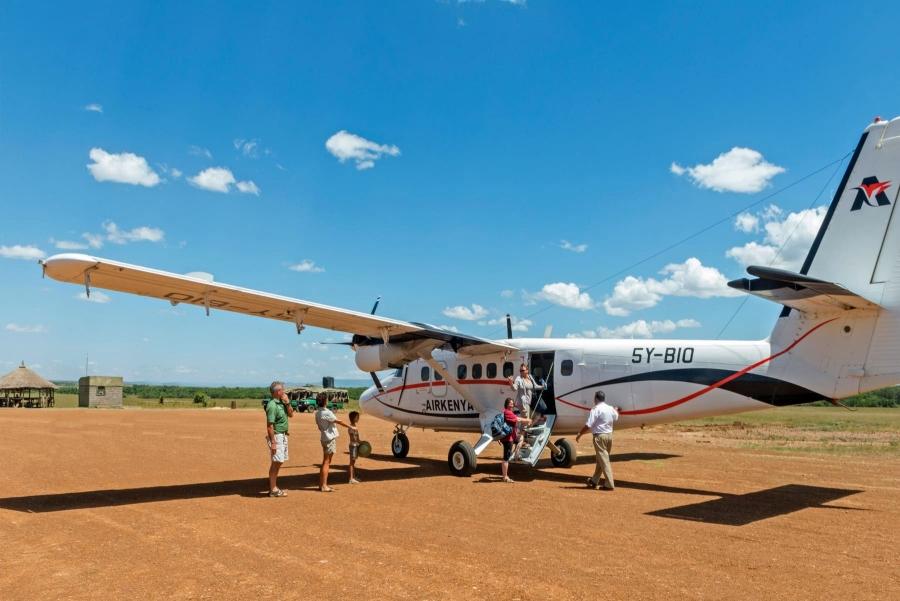
Best Air Safaris
Climate & Weather In Gombe National Park
The park experiences bi-modal rainfall pattern with short rains starting from November to December and long rains from March to May. The climate in Gombe National Park is warm to hot and humid. Daytime temperatures are around 28°C/82°F, and it cools down at night to around 20°C/66°F. The Dry season is from May to October. Unlike the coastal areas and northern parks which have a Wet season consisting of two rainy periods with a dry spell in between, Gombe has one continuous Wet season from November to April. It rarely rains all day, but afternoon thundershowers can be expected.
Birds & Birding In Gombe National Park
Gombe National Park has a recorded bird checklist of 287 species. Many of these are forest birds, which are quite difficult to spot, particularly since walking unguided is not allowed and guided walks tend to focus on chimps. The lakeshore is a good place to see African fish eagles and palm-nut vultures perched in the palm trees. Peter’s twinspot, a normally elusive forest bird, is quite tame and easily spotted in the camp. Migratory birds are present from November to April.
Popular birds in Gombe National Park include the following; African broadbill, Black saw-wing, Blue-breasted kingfisher, Crowned eagle, Double-toothed barbet, Giant kingfisher, Lühder’s bush-shrike, Mountain wagtail, Palm-nut vulture, Peter’s twinspot, Red-capped robin-chat, Ross’s turaco, Schalow’s turaco, Yellow-rumped tinkerbird among many more.
Best Time For Bird Watching In Gombe National Park
The birdlife in Gombe is good year-round, but at its best from November to April when Palearctic and intra-African migratory birds are present. At this time, many resident bird species are nesting and are in breeding plumage. From March to April the rains can make birding difficult because forest trails become slippery. In the Dry season, especially from July to October, chimps are easier to find.
Gombe National Park Scenery & Landscape
Gombe lies on the shore of Lake Tanganyika, which is the world’s second-largest freshwater lake by volume and the longest on the planet at 675km/420mi. Within the park, 13 streams run down from the forested escarpment to the sandy beach. Swim out into the lake to look back at how the forested slopes climb the steep Rift Valley escarpment.
Gombe National Park Safety Tips
A trip to Gombe National Park is very safe in our opinion. Crime within Tanzania’s parks and reserves is rare, and your guide will help to keep you safe. During your Gombe National Park safari, your safari guide will look after your safety. Always listen carefully to their instructions and follow the park rules. Gombe National Park wildlife viewing is generally very safe. Our professional guide will ensure your safety on a guided safari. Below are some general safety tips for Gombe National Park Park tours:
Always keep your voice down when close to animals
Stay in the car during game drives except at designated areas where you are allowed to get out
Don’t stand up in the car, hang out of the window or sit on the roof
Stay together as a group close to your guide on a walking safari and always walk in single file
Never run or jog in a wildlife area as it entices predators to attack
Never walk between a hippo and water; it may panic and charge because its safety route to the water is blocked
Never leave food in your tent; it will attract wildlife
Cover your arms and legs in the evening and use insect repellent to protect against mosquitoes
Wear a hat, use sunscreen and drink plenty of water
Don’t wear bright and colorful clothes or too much perfume, especially on walking safaris
In tsetse-fly areas it is recommended not to wear dark-colored clothing, such as black or dark blue, since it attracts these stinging flies
Bring warm clothes for morning game drives in open vehicles
Gombe National Park Safari Itinerary Ideas
Gombe fits easily into one’s safari plans as it is possible to fly from Kigoma to almost anywhere else in Tanzania. Being so close to Kigoma, Gombe can become an extension visit to a regular southern circuit safari. It is a lot less expensive than a visit to Mahale Mountains for those wanting chimp viewing on a budget.
Questions About Best Gombe National Park Safaris
Q. What Is The Minimum Age For Chimpanzee Trekking In Gombe?
The minimum age for chimpanzee trekking is 15 years old. This restriction exists because of the physical demands of forest hiking, the remote location, and the importance of limiting disease transmission risk between visitors and chimpanzee communities, which share close genetic similarity with humans.
Q. How Much Does A Chimpanzee Trekking Permit Cost In Gombe?
A chimpanzee-tracking permit for Gombe, costing US$100, is required in addition to general park and safari costs. Compared with permit prices at other East African chimpanzee destinations, Gombe’s permit is on the more affordable end of the scale, reflecting the park’s smaller size and shorter average trekking distances.
Q. How Long Can I See Chimpanzees Once I Find Them?
Once a guide locates a chimpanzee community, visitors typically spend up to one hour observing them at close quarters. Sightings are never guaranteed, since chimpanzees move freely through the forest, but experienced guides give visitors a good chance of a rewarding encounter.
Q. Are The Chimpanzees In Gombe Habituated To Human Visitors?
Yes. Thanks to more than six decades of continuous research beginning with Jane Goodall’s arrival in 1960, many of Gombe’s chimpanzee troops are well habituated to human presence, allowing visitors to observe them at relatively close range without causing distress to the animals.
Q. Do I Need A Permit And Guide For Chimpanzee Trekking?
Yes. Chimpanzee trekking in Gombe is permitted only with a licensed park guide and a valid trekking permit, which costs US$100. Guides lead all forest walks, since there are no roads within the park and safe, respectful chimpanzee viewing depends on experienced local knowledge of the terrain and the animals.
Q. What Should I Pack For A Chimpanzee Trekking Safari In Gombe?
A good pair of sturdy walking shoes, preferably two pairs, is essential, along with waterproofing for cameras and belongings, since rain and wet forest conditions are possible even outside the main wet season. Long sleeves and trousers are recommended for forest walking.
Gombe National Park Safari Planning
Q. What type of clothes do I wear on Gombe National Park safari?
Pack lightweight, comfortable, and casual clothing for a Gombe National Park trips, including long sleeves, pants, comfortable closed-toe shoes, a wide-brimmed hat, and layers for cooler mornings and evenings on game drives. For more details, we suggest you do your own safari packing essentials and find out what fits your interests.
Browse our safari clothing packing advice on what to pack for your African tour:
- Lightweight trousers /shorts and t-shirts remain ideal for the daytime drives.
- Lightweight jacket / fleece for the early mornings and evenings.
- Remember to also pack some warm socks and a woolly hat would be suggested for early morning and evening game drives.
- Hiking shoes
Other items we would suggest you bring along with you include:
- Sunscreen glasses & hat/cap
- Comfy Shoes / Sandals
- Flip Flops to wear during the day
- A Torch / Lamp
- Binoculars
- Phone/laptop charger
- Pack your medication, and a spare set of spectacles or contact lenses if you wear these.
Q. What is the best time to see the Masai Mara wildebeest migration in Kenya?
The best time to witness the dramatic Masai Mara wildebeest migration in Kenya is typically between mid-July through mid-September where your chances of witnessing a river crossing are generally much higher. In early October marks the end of the herd crossing the river from Kenya down into Tanzania, as thunderstorms begin in the north the herds will embark on their return journey back to the Serengeti.
Checkout our Migration safari offers.
Q. Kenya Vs Tanzania: Which Is Better for an African Safari?
Choosing between Kenya and Tanzania for an African safari depends on personal preferences, BUT Kenya is the most chosen being cost & budget friendly during both high and low seasons. Secondly, when it comes to the best places to stay in Kenya and Tanzania, both destinations offer fantastic accommodations. Thirdly in terms of Big 5 sightings, the wildebeest migration & general game viewing, both destinations are safari heavyweights. In terms of privacy and extending your safari beyond game drives, there are more private conservancies in Kenya than Tanzania which offer you plenty of activities inside the park.
Lastly, Kenya safari is the most sought-after destination for the world’s best safari experiences, evident from the large number of celebrities visiting year in year out.
Q. Will I have a private vehicle or shared game drives with other people?
We tend to enforce a maximum person per vehicle policy of 6. Meaning, although you’ll be sharing with other guests, everyone will get a side-view seat with unhindered views.
Some trips are designed in such a way that a private vehicle and guide are included for a portion of the trip, but the use of a private vehicle throughout your safari comes at an additional cost.
Q. How many days do you need for an Africa safari?
The ideal duration for an East Africa safari package often ranges from 5 to 14 days, this allows you to enjoy a comfortable and a well-rounded rewarding safari experience during this African tour package. It also depends on the destinations you will visit, wildlife interests, and personal preferences.
Q. What do I do in case of an emergency?
We have a 24 hour emergency line. If anything goes south, we’re ready to assist you regardless of time or date.
Q. Are there malaria mosquito nets in Africa safari tented camps?
Many tented camps in Africa provide fitted mosquito nets in all rooms which are also insect proofed to protect you against malaria mosquito bites and other insect bites, ensuring a comfortable and safe stay.
It’s also advisable to carry insect repellent to further protect yourself especially in the outdoors during evenings.
Q. Is there Wi-Fi at the safari lodges & tented camps on safari?
Almost all Africa safari lodges and tented camp accommodations during your safari provide free Wi-Fi. You’ll find this available in all three accommodation levels – comfort or luxury accommodations.
Wi-Fi is provided in the public areas of the safari lodges/tented camps including the reception, dining areas, and lounge. It is not provided in the individual rooms/tents.
Moreover, because you will be inside a wilderness park, we still request that you come prepared with your own network data to avoid any inconveniences.
Gombe National Park Safari Payment Methods
Q. Do you provide drinking water on safari?
East Africa is within the tropics and near the Equator, separating the northern and southern hemispheres. The tropical temperatures are relatively high on the safari route and even within the national parks/game reserves.
Because you’ll need to frequently hydrate during your safari, we ensure unlimited supplies of drinking water.
All Vulture Africa Safari vehicles are fitted with a cooler box or mini fridge with a constant supply of cool, bottled water.
We replenish our supplies of drinking water during stops along the safari route.
Here’s everything you need to know about packing for your Africa safari trip.
Q. Are mosquito nets provided in safari lodge rooms/tents?
We carefully research and choose our selection of top safari lodges and tented camps to offer the best in terms of comfort, relaxation, amenities, and atmosphere during your safari.
We fully understand the need for your protection against mosquitos and other insects.
All rooms/tents during your safari are fitted with mosquito nets or are insect-proofed to protect you against bites.
Tented camp showing bedroom with mosquito nets
You are also advised to use insect repellent to further protect yourself especially outdoors in the evenings.
Q. Is it possible to store excess luggage while on safari?
Vulture African Safaris understands that your holiday travel may be lengthy and could involve different activities during your trip. You may find the need to store some of your luggage at various times.
You can safely store your extra luggage at our Nairobi office for safekeeping until you have completed your safari.
This is a free service extended to all our safari guests.
Packing luggage for an East African safari holiday tour
Additionally, our 4×4 safari Jeeps accommodate generous luggage space in its rear luggage compartment.
Q. Do you handle requests for special dietary needs?
Kenya and Tanzania welcomes visitors from all over the world and their diverse diet preferences. These preferences may be due to religious beliefs, lifestyles, or health concerns.
The menus in all safari lodges & tented camps are continental cuisine however, vegetarian, kosher, halal, gluten-free, etc. meals are also provided.
We request you indicate your special diet needs during safari booking/confirmation.