
Mahale Mountains National Park Safari
Remember, all our itineraries are totally flexible and can be changed to suit you.
About Mahale Mountains National Park: The Ultimate Safari Guide
For those who enjoy remoteness, beautiful landscapes and wildlife Mahale Mountains National Park is surely one of the most spectacular places to visit in all of Africa. This is not idle sales talk. Some would argue that it is one of the most spectacular travel destinations in the whole world. Distance and cost notwithstanding, you owe it to yourself to somehow drum up the budget to get there at least once in a lifetime!
Lake Tanganyika is the world’s longest lake (673 km) and is about 1½ km deep and contains about 16% of the world’s fresh water! It is second only to Lake Baikal in Russia in volume. It is the purest fresh water on the planet. The lake is home to hundreds of species of fish including the brightly colored fish known as cichlids. Hippo and crocodile are common across its full extent.
Chimpanzees may be the main draw, but they are by no means the whole picture. Pristine forested mountains tower up behind intimate sandy beaches and bays and rocky promontories of the eastern shores of Lake Tanganyika.
“Mahale National Park Guide”
Safari Packages To Mahale Mountains National Park
Here’s some of our most popular Mahale Mountains safari holidays. If you don’t see what you’re looking for, send us a message below so that we may give you more range of holidays and tours in the destination. Book the best safari to Mahale Mountains National Park today.
6 Days | Kenya - Tanzania Photographic Safaris
7 Days | Kenya - Tanzania Photo Tour
8 Days | Kenya - Tanzania Photography Safaris
10 Days | Kenya - Tanzania Safaris
10 Days | Kenya - Tanzania Safaris
10 Days | Kenya - Tanzania Safaris
Tourist Attractions In Mahale Mountains National Park
In a more idyllic combination of clear blue waters and white-sand beaches on the shores of Lake Tanganyika backed by lushly forested mountain chains rising up behind the lake and clad in verdant dense tropical forest vegetation all enclosed in this park is the intriguing Tourist Attractions in Mahale Mountains National Park.
1. Wildlife
The forests at Mahale have a wealth of wildlife besides the 1,000 or so Chimpanzees. There are 6 species of monkey (yellow baboon, vervet, blue, red tailed, Angolan colobus and red colobus), duikers, bush pig, leopard, bushbuck, myriads of birds etc.

2. Birdlife
The park has unique birds’ collection including some species that are endemic to the area such as kungwe apalis and white stripped pipit. Other species include osprey, palm nut vultures and kingfishers.
3. Mahale Mountain
The mountain provides an experience of physical challenge when attempting to summit the peak. It takes about 9 hours to reach the top and during the hike one can spot different wildlife which makes your journey unforgettable.
Mahale National Park Trips
Things To Do In Mahale Mountains National Park
The main and most popular activity is chimpanzee trekking. This usually starts after breakfast but may leave later, even after lunch, depending on the chimps’ movements and location. Other activities include guided forest walks to look for monkeys and birds, a hike to a beautiful waterfall in the rainforest, and dhow cruises and snorkeling on the lake.
1. Chimpanzee Watching In Mahale Mountains
To get to the only habituated group of Chimps, the M Group, one climbs up through the mountain forests on a network of simple cleared paths to get into touch with the chimps, and when one does the experience is extraordinary to the point of being bizarre.
The chimpanzees go on with their lives – walking, sleeping, fighting, politicking, eating etc. as if you are not there. They take virtually no notice of visitors. This is perfect, because you never feel that you are intruding.
After spending the strictly controlled 1 hour with chimps you return to your accommodation facility to wash off the sweat, have a delicious lunch and spend the rest of the day at leisure; or perhaps do one of a number of other activities like kayaking, fishing, swimming and snorkeling. Also cultural visits by boat can be arranged to border communities.
2. Swim And Snorkel Lake Tanganyika
Float in crystal-clear water right off the beach to admire hundreds of colourful, endemic cichlid fish species.
3. Kayak The Lakeshore
Paddle calm mornings along the beach beneath the mountains, an easy complement to more strenuous forest treks.
4. Take A Dhow Cruise
Cross or explore the lake by traditional wooden dhow, watching for hippos, otters and abundant birdlife along the way.
5. Relax On A Private Beach
Unwind on Mahale’s unspoiled sandy shoreline between treks, with mountains rising directly behind the lodges.
When To Visit Mahale Mountains National Park For A Safari
Tracking chimpanzees is easiest from August to October, toward the tail end of the Dry season. This is when the animals favor the lower slopes close to the lakeshore, which is where all the accommodation is situated, and the forest tracks are firm underfoot. In the wetter months, the chimps forage on the higher slopes and they are harder to find. That said, brimming waterfalls and an explosion of butterflies make exploration at this time worthwhile.
Visit Mahale National Park
Animals & Wildlife In Mahale Mountains National Park
Eastern chimpanzees: Around 1,000 individuals live in Mahale, including the habituated M-group, studied continuously by researchers since 1965.
Colobus monkeys: Both red and Angolan black-and-white colobus move through the canopy, occasionally hunted by chimpanzees in dramatic displays.
Other primates: Yellow baboons, vervet and red-tailed monkeys are frequently encountered along forest trails and near the lakeshore camps.
Savanna wildlife: Beyond the mountains, rarely visited by tourists, lions, elephants, zebras, giraffes, roan and sable antelope roam open plains.
Prolific birdlife: Almost 400 recorded species include Kungwe apalis, Stuhlmann’s starling, yellow-bellied wattle-eye, Bocage’s akalat, African broadbill, palm-nut vulture and Ross’ turaco.
Lake Tanganyika’s fish: Hundreds of cichlid species, many endemic to the lake, create a vivid underwater world visible while snorkelling.
Best Time For Wildlife Viewing In Mahale Mountains National Park
The best time for chimpanzee trekking is during the dry season from May to October. Odds of a good sighting are highest from August onward, when the chimps tend to stay close to the lakeshore accommodations. The park stays open throughout the year, but in heavy rain the trails might be difficult to walk and chimps are often on the more distant higher slopes.
Mahale Mountain Wildlife Safaris
Best Reasons To Visit Mahale Mountains Park
World-class chimp trekking: Mahale is widely regarded as Africa’s top destination for tracking wild chimpanzees on foot, deep in ancient forest.
Decades of habituation: The M-group chimps have been studied via the Nishida Kyoto University chimp research programme since 1965, making sightings remarkably close and relaxed for a wild population.
A dramatic double landscape: Craggy 2,400-metre peaks meet white sand beaches, offering forest treks and lake relaxation in one destination.
Lake Tanganyika’s beauty: Snorkel, swim or kayak in crystal-clear water home to hundreds of colourful, endemic cichlid fish species.
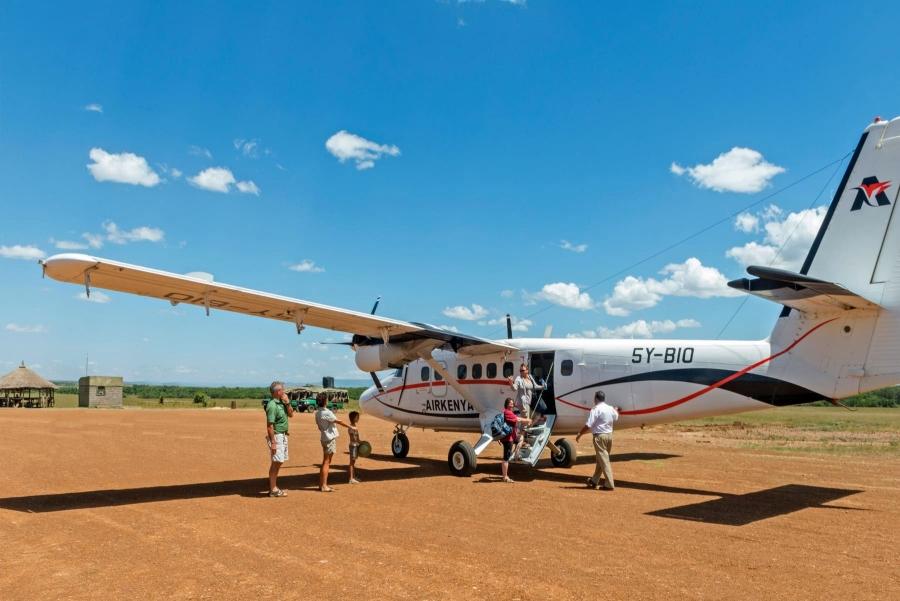
True wilderness access: With no roads and no other way in but boat and light aircraft, Mahale offers rare, unspoiled remoteness in Africa.
A Safari In Mahale National Park
Other Wildlife Highlights In Mahale Mountains National Park
Nine primate species have been recorded in the park, most notably chimpanzee and the endangered Ugandan red colobus, which is known from only four other locations in Tanzania and Uganda. Yellow baboon, blue monkey, red-tailed monkey and vervet monkey are also likely to be seen, and you might hear lesser and greater galago at night. The nocturnal bushpig is also quite often heard foraging around lakeshore accommodations at night. Mahale’s inaccessible eastern slopes support seldom-seen populations of elephant, lion, wild dog, roan antelope, buffalo and giraffe. An undescribed subspecies of Angolan colobus is endemic to the forested upper slopes of Mount Nkungwe and likely to be seen only by those who do a day hike there.
Mahale National Park Holiday
Best Months To Visit Mahale Mountains National Park
It is possible to track chimpanzees all year in Mahale Mountains National Park. However, the chances of finding chimps improve toward the end of the dry season – especially from August to October when they tend to favor the lower slopes close to the lakeshore lodges and bandas. If you have two or three days, your chance of seeing them is reasonable at any time of the year.
Visiting Mahale Mountains In Dry Season From June To October
During this time in Mahale Mountains, rainfall is low, humidity drops, trails firm up and the lake settles. Every camp in the park is operating and the scheduled charter flights run to their usual rotations.
Mahale Mountains in June works as a shoulder month. The long rains have only recently finished, camps reopen at the start of the month, and conditions are usually good even if the forest is still wet in places. Chimpanzees at this point are often still ranging higher up the mountain, so treks in June and July can be long and steep. Fit walkers do not mind; anyone less certain on their feet should aim later.
By August in Mahale Mountain, the picture shifts. Temperatures climb through September and into October, which is the hottest stretch before the rains break, but the trekking gets easier and the lake is at its clearest for swimming and snorkelling.
Mahale Mountain Chimpanzee Trekking Months From August TO October
If seeing the Chimps is the reason you are going, book from August to October.
Through these months the habituated community tends to favour the lower slopes close to the lakeshore camps, which shortens the walk in and lifts the frequency and length of sightings. Guides report more prolonged viewing, with the chimps spending longer in accessible areas rather than moving through steep canopy above you. Reduced undergrowth also helps, since visibility in the forest improves once the wet season growth dies back.
None of this makes a sighting certain. Chimpanzees are wild, unfenced and free to be anywhere across a home range covering steep forested country. What the season buys you is better odds, and with two or three trekking mornings in this window the chances are strong.
This is also high season for rates and for demand on the small number of rooms in the park, though Mahale never feels busy. Total visitor numbers here run in the low thousands a year.
Trips To Mahale Mountains From November To February
The short rains arrive around November and run into December, followed by a drier spell through January and February before the long rains.
Trekking in these months is harder. Chimps move higher as trees fruit up the mountain, trails turn slippery, and a morning that would have taken an hour in September can eat most of a day. Some operators point out that this actually suits less able visitors better than June and July in certain years, because the animals sometimes come lower over the Christmas period, though it varies and nobody should plan around it.
What you gain is emptiness, softer pricing, forest at its greenest, and the storms. Lightning over the lake at night in the green season is a genuine feature, and views across to the Congo shore are often sharper after rain has cleared the air. Birding also improves with migrants present and breeding activity underway.
Tours To Mahale Mountains From March To May
In Mahale Mountains Park, March to May is the closure period, and it is worth being blunt about it.
Most camps in Mahale shut for these months. Scheduled flights between the park and Arusha stop when the camps do, which removes the practical route in for the vast majority of visitors. Rain is heavy, trails are difficult, lake levels rise and the shoreline changes.
The park itself remains accessible in theory, and determined travellers can still reach it via Kigoma using park accommodation. In practice, this is not a period to plan a first visit around. If your travel dates are locked to April, another destination will serve you better.
Kenya & Tanzania Safari Packages
Then customise yours with an expert.
Our listed Kenya and Tanzania safari packages are chosen to inspire and enlighten you – they show how top attraction destinations can work together in an itinerary. From the best 10-Day Kenya and Tanzania safari itinerary, when it comes to planning African vacations, we’re the tailor-made travel specialists. An African Safari Expert will customize your vacation, shaping it around your individual wants and preferences.
9 Days | 8 Nights
Best Air Safaris
Climate & Weather In Mahale Mountains National Park
Due to its location close to the equator, the climate in Mahale Mountains National Park doesn’t change much throughout the year. It ranges from warm to hot and humid. Average temperatures are about 28°C/85°F during the day. Evenings cool down to about 17°C/65°F. Mahale’s Dry season is from May to October. The Wet season is from November to April. The rains come in the form of afternoon thunderstorms and seldom last the whole day.
Birds & Birding In Mahale Mountains National Park
Although 398 bird species have been recorded in Mahale Mountains National Park to date, the checklist is likely to top 400 when complete. Forest birds are very well represented but often quite difficult to spot, and the lake hosts a wide variety of waterbirds. Conspicuous birds include palm-nut vulture, giant kingfisher and western crested guineafowl. Migratory birds are present from November to April.
Best Time For Bird Watching In Mahale National Park
In general, birdlife is plentiful year-round, but the best time for birding is from November to April. During these months, you can see resident birds in their breeding plumage, as well as Palearctic and intra-African migrants. From March to April, the rains can make birding difficult because forest trails become slippery. Chimp trekking is better in the Dry season, from May to October – but especially from August onward, since the chimps are easier to find then.
Mahale Park Scenery & Landscape
The park incorporates a chain of wild, jungle-draped peaks towering to almost 2km/1mi above the shore of the azure water of Lake Tanganyika. The geography of this classic Rift Valley lake, with its steep escarpment and white, sandy beaches, is best appreciated on a cruise in a traditional dhow.
Mahale Mountains National Park Safety Tips
A trip to Mahale Mountains National Park is very safe in our opinion. Crime within Tanzania’s parks and reserves is rare, and your guide will help to keep you safe. During your Mahale safari holiday, your safari guide will look after your safety. Always listen carefully to their instructions and follow the park rules. Mahale National Park wildlife viewing is generally very safe. Our professional guide will ensure your safety on a guided safari. Below are some general safety tips for Mahale holiday safaris:
Always keep your voice down when close to animals
Stay in the car during game drives except at designated areas where you are allowed to get out
Don’t stand up in the car, hang out of the window or sit on the roof
Stay together as a group close to your guide on a walking safari and always walk in single file
Never run or jog in a wildlife area as it entices predators to attack
Never walk between a hippo and water; it may panic and charge because its safety route to the water is blocked
Never leave food in your tent; it will attract wildlife
Cover your arms and legs in the evening and use insect repellent to protect against mosquitoes
Wear a hat, use sunscreen and drink plenty of water
Don’t wear bright and colorful clothes or too much perfume, especially on walking safaris
In tsetse-fly areas it is recommended not to wear dark-colored clothing, such as black or dark blue, since it attracts these stinging flies
Bring warm clothes for morning game drives in open vehicles
Mahale Mountains Safari Itinerary Ideas
Mahale is often combined with the nearby Katavi National Park. Most of the regular scheduled flights to and from Mahale have the option of routing via Katavi. This makes it easy to combine chimp viewing with watching the big game heartland of Katavi plus the many wildlife options in Northern Tanzania.
While in Kigoma you may visit the Dr. Livingstone Monument in Ujiji the place where Richard Burton and John Speke first reached the shore of Lake Tanganyika in 1858. It is the site of the famous meeting held on 27th October 1871 when Henry Stanley met Dr. David Livingstone, and reputedly uttered the famous words “Dr. Livingstone, I presume?”. A monument known as the “Dr. Livingstone Memorial” was erected on the site to commemorate the meeting. There is also a modest museum and a former slave route near the market. In 1878, the London Missionary Society established their first missionary post on the shore of Lake Tanganyika at Ujiji.
Questions About Best Mahale National Park Safaris
Q. How Many Chimpanzees Live In Mahale, And Are They Habituated?
Around 1,000 wild chimpanzees inhabit Mahale’s forests. One community, known as the M-group or Mimikire clan, has been habituated to human presence through a research programme run continuously since 1965, making close, relaxed observation possible.
Q. How Physically Demanding Is Chimpanzee Trekking In Mahale?
Treks can involve several hours of steep, humid hiking through dense forest, sometimes off-trail and on hands and knees through vegetation. A reasonable level of fitness is essential, and the experience is best suited to travellers who enjoy an active, adventurous safari.
Q. When Is The Best Time To Visit For Chimpanzee Trekking?
The dry season from roughly June to October offers the most reliable chimpanzee trekking, with chimpanzees ranging closer to the lakeshore and clearer, more accessible forest trails. The wet season, from November to May, brings lush scenery but a much harder trek.
Q. How Many Days Should I Spend In Mahale?
Given the remote access and the unpredictable nature of chimpanzee movements, four days allow for repeat trekking attempts and time to enjoy Lake Tanganyika. Mondays and Thursdays are typically rest days for the chimpanzees, coinciding with twice-weekly flights.
Q. What Does A Mahale Mountains National Park Safari Cost?
Our Mahale Mountains National Park safaris typically cost from US$1000 per person, per night, depending on the accommodation comfort level, time of year and activities. This price usually includes accommodation, all meals, game drives, experienced guides, airport transfers, and 24/7 support from our team.
Mahale Mountains National Park Safari Planning
Q. What type of clothes do I wear on Mahale National Park safari?
Pack lightweight, comfortable, and casual clothing for Mahale National Park safari, including long sleeves, pants, comfortable closed-toe shoes, a wide-brimmed hat, and layers for cooler mornings and evenings on game drives. For more details, we suggest you do your own safari packing essentials and find out what fits your interests.
Browse our safari clothing packing advice on what to pack for your African tour:
- Lightweight trousers /shorts and t-shirts remain ideal for the daytime drives.
- Lightweight jacket / fleece for the early mornings and evenings.
- Remember to also pack some warm socks and a woolly hat would be suggested for early morning and evening game drives.
- Hiking shoes
Other items we would suggest you bring along with you include:
- Sunscreen glasses & hat/cap
- Comfy Shoes / Sandals
- Flip Flops to wear during the day
- A Torch / Lamp
- Binoculars
- Phone/laptop charger
- Pack your medication, and a spare set of spectacles or contact lenses if you wear these.
Q. What is the best time to see the Masai Mara wildebeest migration in Kenya?
The best time to witness the dramatic Masai Mara wildebeest migration in Kenya is typically between mid-July through mid-September where your chances of witnessing a river crossing are generally much higher. In early October marks the end of the herd crossing the river from Kenya down into Tanzania, as thunderstorms begin in the north the herds will embark on their return journey back to the Serengeti.
Checkout our Migration safari offers.
Q. Kenya Vs Tanzania: Which Is Better for an African Safari?
Choosing between Kenya and Tanzania for an African safari depends on personal preferences, BUT Kenya is the most chosen being cost & budget friendly during both high and low seasons. Secondly, when it comes to the best places to stay in Kenya and Tanzania, both destinations offer fantastic accommodations. Thirdly in terms of Big 5 sightings, the wildebeest migration & general game viewing, both destinations are safari heavyweights. In terms of privacy and extending your safari beyond game drives, there are more private conservancies in Kenya than Tanzania which offer you plenty of activities inside the park.
Lastly, Kenya safari is the most sought-after destination for the world’s best safari experiences, evident from the large number of celebrities visiting year in year out.
Q. Will I have a private vehicle or shared game drives with other people?
We tend to enforce a maximum person per vehicle policy of 6. Meaning, although you’ll be sharing with other guests, everyone will get a side-view seat with unhindered views.
Some trips are designed in such a way that a private vehicle and guide are included for a portion of the trip, but the use of a private vehicle throughout your safari comes at an additional cost.
Q. How many days do you need for an Africa safari?
The ideal duration for an East Africa safari package often ranges from 5 to 14 days, this allows you to enjoy a comfortable and a well-rounded rewarding safari experience during this African tour package. It also depends on the destinations you will visit, wildlife interests, and personal preferences.
Q. What do I do in case of an emergency?
We have a 24 hour emergency line. If anything goes south, we’re ready to assist you regardless of time or date.
Q. Are there malaria mosquito nets in Africa safari tented camps?
Many tented camps in Africa provide fitted mosquito nets in all rooms which are also insect proofed to protect you against malaria mosquito bites and other insect bites, ensuring a comfortable and safe stay.
It’s also advisable to carry insect repellent to further protect yourself especially in the outdoors during evenings.
Q. Is there Wi-Fi at the safari lodges & tented camps on safari?
Almost all Africa safari lodges and tented camp accommodations during your safari provide free Wi-Fi. You’ll find this available in all three accommodation levels – comfort or luxury accommodations.
Wi-Fi is provided in the public areas of the safari lodges/tented camps including the reception, dining areas, and lounge. It is not provided in the individual rooms/tents.
Moreover, because you will be inside a wilderness park, we still request that you come prepared with your own network data to avoid any inconveniences.
Arusha Safari Payment Methods
Q. Do you provide drinking water on safari?
East Africa is within the tropics and near the Equator, separating the northern and southern hemispheres. The tropical temperatures are relatively high on the safari route and even within the national parks/game reserves.
Because you’ll need to frequently hydrate during your safari, we ensure unlimited supplies of drinking water.
All Vulture Africa Safari vehicles are fitted with a cooler box or mini fridge with a constant supply of cool, bottled water.
We replenish our supplies of drinking water during stops along the safari route.
Here’s everything you need to know about packing for your Africa safari trip.
Q. Are mosquito nets provided in safari lodge rooms/tents?
We carefully research and choose our selection of top safari lodges and tented camps to offer the best in terms of comfort, relaxation, amenities, and atmosphere during your safari.
We fully understand the need for your protection against mosquitos and other insects.
All rooms/tents during your safari are fitted with mosquito nets or are insect-proofed to protect you against bites.
Tented camp showing bedroom with mosquito nets
You are also advised to use insect repellent to further protect yourself especially outdoors in the evenings.
Q. Is it possible to store excess luggage while on safari?
Vulture African Safaris understands that your holiday travel may be lengthy and could involve different activities during your trip. You may find the need to store some of your luggage at various times.
You can safely store your extra luggage at our Nairobi office for safekeeping until you have completed your safari.
This is a free service extended to all our safari guests.
Packing luggage for an East African safari holiday tour
Additionally, our 4×4 safari Jeeps accommodate generous luggage space in its rear luggage compartment.
Q. Do you handle requests for special dietary needs?
Kenya and Tanzania welcomes visitors from all over the world and their diverse diet preferences. These preferences may be due to religious beliefs, lifestyles, or health concerns.
The menus in all safari lodges & tented camps are continental cuisine however, vegetarian, kosher, halal, gluten-free, etc. meals are also provided.
We request you indicate your special diet needs during safari booking/confirmation.