
Mikumi National Park Safari
Remember, all our itineraries are totally flexible and can be changed to suit you.
About Mikumi National Park: The Ultimate Safari Guide
Mikumi was made a National Park in 1964 and is 3,230 sq. km (1,250 sq. miles) in size. This enormous area links the Julius Nyerere National Park (formerly Selous) with the forested abundance of the eastern arc mountains, and so is an important part of a huge ecosystem of rivers, flood plains, forests and woodlands.
The northern plains that surround the Mkata River are readily accessible and is the best place to go for wildlife. A good network of tracks means that a wide variety of wildlife including buffalo, cape hunting dog and lion are approachable and can be enjoyed at close quarters.
“Mikumi National Park Guide”
Safari Packages To Mikumi National Park
Here’s some of our most popular Mikumi National Park holidays. If you don’t see what you’re looking for, send us a message below so that we may give you more range of holidays and tours in the destination. Book the best safari to Mikumi National Park today.
6 Days | Kenya - Tanzania Photographic Safaris
7 Days | Kenya - Tanzania Photo Tour
8 Days | Kenya - Tanzania Photography Safaris
10 Days | Kenya - Tanzania Safaris
10 Days | Kenya - Tanzania Safaris
10 Days | Kenya - Tanzania Safaris
History Of Mikumi National Park
Mikumi National Park is lying just to the Nyerere National Park, gazetted in 1964 with 1,070 km2, later on by 1975 annexed to cover an area of 3,230 km2, the park is the nineth largest National Park in Tanzania. It is in one ecosystem with Nyerere National Park making the animals (Elephants, Buffalos, wild dog and Zebras) migrate to and from the northern part of the Nyerere N.Park into Mikumi N. Park.
The park shares the name ‘Mikumi’ with the village just beyond its western boarder of the Dar es Salaam to Iringa high way, which traverse the park for 50km. The small town in turn takes the name from the ( Borassus spp) palm, which ones grew there in profusion but no stem is visible in the village. The park lies in a horseshoe of towering mountains enclosed foot hills, which almost enclose the flood plain of the Mkata river. To the east rise the 2,743 meters massif of the Uluguru ranges while to the southwest are the craggy of the Vidunda mountains.
Tourist Attractions In Mikumi National Park
1. Wildlife
Mikumi abounds with big game, including buffalo, elephant, the big cats, hippo, crocodile, giraffe, zebra, eland as well as smaller species. Some of the more unusual species such as sable antelope, Lichtenstein’s hartebeest and greater kudu inhabit the wooded areas surrounding the Mkata plains and are more of a challenge to find. But they’re there! The world’s largest Antelope (Eland, Greater Kudu, Sable Antelope, Defassa Waterbuck and African hunting wild dogs.

2. Birdlife
The area harbours multitude of bird species (400spp), from the striking turkey-sized group hornbill to the tiny sunbirds. Bateleur eagles are often seen soaring in the intense blue skies, and the lilac-breasted rollers add brilliance to their background.
3. Vegetation
The park has a variety of vegetation types ranging from seasonally flooded grassland to woodland and riverine forest. The Afromontane Forest found on the summit of Malundwe Mountains is renowned for its unique flora and fauna. The spectacular concentration of variety of animals in Mkata flood plain including four of the big five, Elephant, Buffalos, Lion and Leopard.
Mikumi National Park Trips
Things To Do In Arusha National Park
The main activity in Mikumi is game drives along the excellent network of wildlife-viewing roads that crisscross the Mkata Floodplain northeast of the Tanzam Highway. These roads and the waterholes they pass are perfect for birding and general wildlife viewing; the waterholes in particular often reward those who park alongside them and wait patiently. Other activities include walking safaris and guided night drives.
1. Morning And Afternoon Game Drives In Mikumi Park
This is a main activity in the park for visitors’ enjoyment that will allow to view in tourist areas and circuits within the park.
2. Night Game Drives In Mikumi National Park
The bush is completely a different world at night. This is what makes a night game drive special. For those wishing to encounter nocturnal animals such as porcupines, civet, cats and aardvarks a night game drive is a fantastic option. Spot wildlife that cannot usually be seen by day. Observe the different behaviors of wild animals such as leopards and hippos displayed at night where is the time for hunting and grazing (feeding).
3. Visit The Hippo Pools
Hippos are generally nocturnal animals, they live in areas with abundant water as they spend most of their time submerged to keep their skin cool and moist during the hot days. Hippos are awake all night because this is the time they forage as they trek miles to nibble on tasty vegetation. Therefore, a night game drive will give you chance to see hippos feeding.
4. Walking Safaris In Mikumi National Park
This activity done for 3-4 hours, it conducted in the designated walking trails, where visitors enjoy a feeling of wildness. This activity is conducted only in the dry season and for adult from 16 and above age, but children’s under 12 to 15 years only.
5. Birding Safaris In Mikumi Park
The Mkata plains are also a great place for birding Mikumi boasts with a respectful 400 species of birds with the most common ones being the black bellied bustards, guinea fowls, marabou storks, bateleur eagles, ox peckers, colorful lilac breasted rollers and yellow throated long claw.
6. Cultural Tours In Mikumi National Park
This is activity that will allow you to share an experience from the villages near the park such as cooking food, dancing and sharing artist productions.
7. Conference Tourism In Mikumi
The park have a conference rooms for different events such as official meeting, workshops and seminars. There are two conferences which are VIP conference with 25 people capacity and open hall with 200 people capacity.
When To Visit Mikumi National Park For A Safari
When is the best time to visit Mikumi National Park? The dry season runs from June to October and from late June to October is the best time for viewing wildlife. This is when Mikumi’s vegetation thins out, animals are easy to spot and you can expect lots of sunshine. In September and October in particular, there’s a constant stream of animals coming to drink at the waterholes. Animals are more difficult to see in the wetter months, although the birding is good from November to February. Despite wet spells during the remaining months, the countryside is green and beautiful and a well-established network of roads and tracks ensures enjoyable visits all year round.
Visit Mikumi National Park
Animals & Wildlife In Mikumi National Park
Zebra, wildebeest, impala and buffalo inhabit the grassy plains of Mikumi National Park. Lion, which prey on these animals, are also quite often seen. Giraffe feed on the isolated acacia trees that fringe the Mkata River, where you should also see elephant. Mikumi’s famous and much-studied yellow baboons are plentiful. Rhino disappeared from the park in the 1990s, but the park authorities have announced plans to reintroduce the species. Most wildlife activity occurs around Mikumi’s waterholes, where hippos are joined by thirsty herds of elephant, buffalo, zebra and wildebeest. Mikumi’s grasslands rank among Tanzania’s best places to see eland, the world’s largest antelope. The equally impressive greater kudu and sable antelope feed in the park’s hills, which are covered in miombo woodland. The unusual Lichtenstein’s hartebeest is also present.
Best Time For Wildlife Viewing In Mikumi National Park
The dry season runs from June to October and late June to October is the best time for wildlife viewing in the park. This is when wildlife is easier to spot because vegetation is thinner and animals gather around the Mkata River, the hippo pool and other waterholes. During September and October, these waterholes are almost constantly visited by big herds of buffalo and elephant as well as other wildlife.
Mikumi Wildlife Safaris
Where To Stay In Mikumi National Park
Inside the park: Including parks tourist houses (Bandas/ Cottages, Rest house, three private tented camps and campsites (both public and special). Where public campsites have basic facilities as water and bathroom. Special campsites are just natural sites where water and bathrooms facilities are not provided. Outside the park: In Mikumi township there are accommodations services including Motels, Hotels, Lodges, Camps, Guesthouses which all of them are at affordable rates.
A Safari In Mikumi National Park
Best Reasons To Visit Mikumi National Park
The Mkata Floodplain: open savannah where you can find lions, elephants, buffalo and giraffes.
Close to Dar es Salaam: roughly 300 km away on a good tar road, Mikumi suits travellers with only a few days of bush time and those requiring an overnight en route to Nyerere, Ruaha or beyond.
Eland and rare antelope: the Mkata Floodplain is reliably good for eland, sable, and Lichtenstein’s hartebeest.
The hippo pools: two pools north of the main gate hold resident pods year-round, surrounded by an ever-changing community of waterbirds.
400-plus bird species to get your Tanzanian list off to a great start.
Mikumi National Park Holiday
Best Months To Visit Mikumi National Park
Wildlife viewing in Mikumi National Park is excellent year-round. But the best time to visit is from late June to October – the Dry season is from June to October when Mikumi’s vegetation is thinner and animals gather around waterholes; this is especially the case in September and October, when big herds of animals come to drink at the last sources of water. If you’re a birder, November to February is best.
Other Wildlife Highlights In Mikumi National Park
Lion and hyena: reliably seen on the Mkata Floodplain, where prides and clans gather.
Elephant and buffalo: large elephant herds gather along the Mkata River; buffalo move in substantial groups across the open plain.
Hippopotamus: resident pods occupy two pools north of the main gate; herons, open-billed storks and kingfishers work the water margins alongside.
Eland, greater kudu and sable: the Mkata Floodplain is among Tanzania’s most reliable eland locations; kudu and sable inhabit the miombo foothills.
Giraffe, zebra and wildebeest: all easily seen across the open grassland and acacia fringes of the Mkata Plain; impala and warthog are constant.
Leopard: present but seldom seen; scanning the miombo hillsides and forest margins of the southern sector offers the best chance of a sighting.
400-plus bird species, including yellow-throated longclaw, bateleur, African fish eagle, African openbill, black-bellied bustard, Dickinson’s kestrel, Böhm’s bee-eater, pale-billed hornbill, Verreaux’s eagle-owl, and racket-tailed roller.
Kenya & Tanzania Safari Packages
Then customise yours with an expert.
Our listed Kenya and Tanzania safari packages are chosen to inspire and enlighten you – they show how top attraction destinations can work together in an itinerary. From the best 10-Day Kenya and Tanzania safari itinerary, when it comes to planning African vacations, we’re the tailor-made travel specialists. An African Safari Expert will customize your vacation, shaping it around your individual wants and preferences.
9 Days | 8 Nights
Best Air Safaris
Climate & Weather In Mikumi National Park
The park has a bi-modal rain season, characterized by short rain in October to early November, followed by long rain lasting for five/six months and annual average rainfall is 700mm, although the rainfall pattern is very unpredictable. However, there is always a definite dry period between January and February. The wet months are associated with a hot humid weather, where temperatures reach up to 30 degrees centigrade. Dry months are always cooler with temperature between 20 and 25 degree centigrade. Annual average temperature is 25.5 degree centigrade The best period to visit the park is during the dry season, how whoever the northern part of the park is accessible through – out the year.
Birds & Birding In Mikumi National Park
More than 400 bird species have been recorded in Mikumi National Park, making it a fantastic place to go birding. Colorful residents such as yellow-throated longclaw and bateleur are joined by a host of Palearctic migratory birds from November to April. The hippo pool and Mwanambogo Dam are good places to see waterbirds such as African fish eagle, African spoonbill and hamerkop, while African openbills are often seen fishing along the Mkata River.
Best Time For Bird Watching In Mikumi National Park
Birdlife is good throughout the whole year, but best from November through to February. The migratory birds that arrive from Europe and North Africa in November stay until April, but rains make birding more difficult in March and April. Throughout the migratory period, resident birds may also be in breeding plumage. General wildlife viewing is best from late June to October.
Mikumi National Park Scenery & Landscape
The main 60km/37mi tourist road circuit on the Mkata River floodplain comprises open grassland interspersed with acacia woodland, patches of borassus palms, black hardwood trees and the odd baobab. The park sits in a basin partly encircled by mountains, which provide a pretty backdrop.
Mikumi National Park Safety Tips
A trip to Mikumi National Park is very safe in our opinion. Crime within Tanzania’s parks and reserves is rare, and your guide will help to keep you safe. During your Mikumi National Park holiday, your safari guide will look after your safety. Always listen carefully to their instructions and follow the park rules. Mikumi National Park wildlife viewing is generally very safe. Our professional guide will ensure your safety on a guided safari. Below are some general safety tips for Mikumi holiday safaris:
Always keep your voice down when close to animals
Stay in the car during game drives except at designated areas where you are allowed to get out
Don’t stand up in the car, hang out of the window or sit on the roof
Stay together as a group close to your guide on a walking safari and always walk in single file
Never run or jog in a wildlife area as it entices predators to attack
Never walk between a hippo and water; it may panic and charge because its safety route to the water is blocked
Never leave food in your tent; it will attract wildlife
Cover your arms and legs in the evening and use insect repellent to protect against mosquitoes
Wear a hat, use sunscreen and drink plenty of water
Don’t wear bright and colorful clothes or too much perfume, especially on walking safaris
In tsetse-fly areas it is recommended not to wear dark-colored clothing, such as black or dark blue, since it attracts these stinging flies
Bring warm clothes for morning game drives in open vehicles
Mikumi National Park Safari Itinerary Ideas
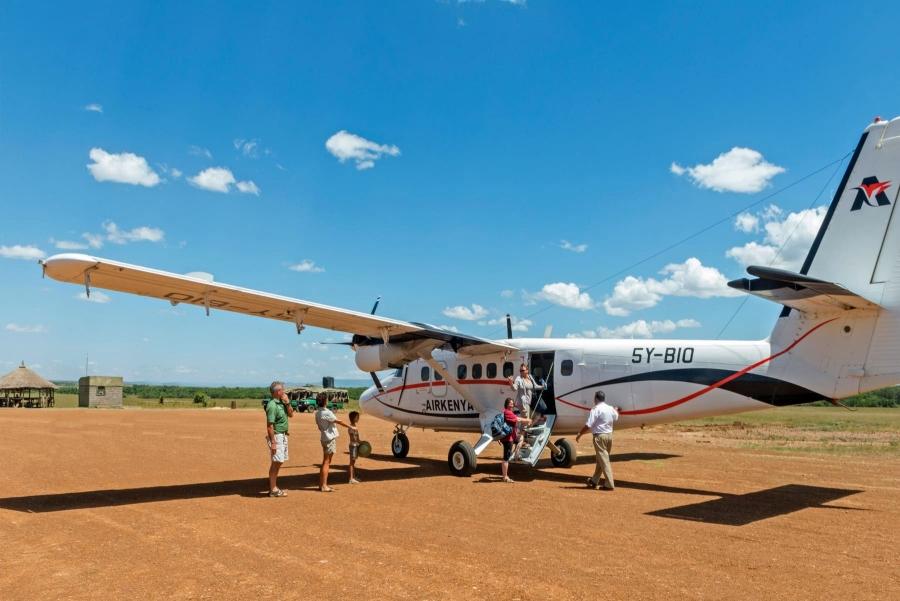
On a safari from Dar es Salaam, Mikumi is en route to Udzungwa National Park and in the dry season a gravel road links up with Nyerere National Park (formerly the Selous) from where one can fly back to Dar es Salaam.
Questions About Best Mikumi National Park Safaris
Q. How Long Should I Stay In Mikumi National Park?
Two nights is the recommended minimum, enough time for morning and evening wildlife drives, a hippo pool visit and a feel for the Mkata Floodplain. Travellers combining Mikumi with Udzungwa, Nyerere or Ruaha typically allocate two nights before continuing south.
Q. Can I See The Big Five In Mikumi National Park?
No, four of the Big Five are present – lions, leopards, elephants and buffalo – but rhinos are currently absent. Lions, buffalo and elephants are reliably seen; leopards are present but seldom encountered. Eland, sable, and greater kudu are additional, distinctive draws.
Q. Is Mikumi National Park Suitable For First-Time Safari Travellers?
Mikumi is well-suited to first-time visitors. Its straightforward road transfer from Dar es Salaam, accessible wildlife-viewing network on the Mkata Floodplain and varied activities, wildlife drives, hippo pools and guided walks, provide a rewarding introduction without the logistical complexity of more remote parks.
Q. What Does A Mikumi Safari Cost?
A safari to Mikumi Park costs from US$300 per person, per night, depending on the accommodation comfort level, time of year and activities. This price usually includes accommodation, all meals, game drives, experienced guides, and 24/7 support from our team.
Mikumi National Park Safari Planning
Q. What type of clothes do I wear on Mikumi National Park safari?
Pack lightweight, comfortable, and casual clothing for Mikumi National Park safari, including long sleeves, pants, comfortable closed-toe shoes, a wide-brimmed hat, and layers for cooler mornings and evenings on game drives. For more details, we suggest you do your own safari packing essentials and find out what fits your interests.
Browse our safari clothing packing advice on what to pack for your African tour:
- Lightweight trousers /shorts and t-shirts remain ideal for the daytime drives.
- Lightweight jacket / fleece for the early mornings and evenings.
- Remember to also pack some warm socks and a woolly hat would be suggested for early morning and evening game drives.
- Hiking shoes
Other items we would suggest you bring along with you include:
- Sunscreen glasses & hat/cap
- Comfy Shoes / Sandals
- Flip Flops to wear during the day
- A Torch / Lamp
- Binoculars
- Phone/laptop charger
- Pack your medication, and a spare set of spectacles or contact lenses if you wear these.
Q. What is the best time to see the Masai Mara wildebeest migration in Kenya?
The best time to witness the dramatic Masai Mara wildebeest migration in Kenya is typically between mid-July through mid-September where your chances of witnessing a river crossing are generally much higher. In early October marks the end of the herd crossing the river from Kenya down into Tanzania, as thunderstorms begin in the north the herds will embark on their return journey back to the Serengeti.
Checkout our Migration safari offers.
Q. Kenya Vs Tanzania: Which Is Better for an African Safari?
Choosing between Kenya and Tanzania for an African safari depends on personal preferences, BUT Kenya is the most chosen being cost & budget friendly during both high and low seasons. Secondly, when it comes to the best places to stay in Kenya and Tanzania, both destinations offer fantastic accommodations. Thirdly in terms of Big 5 sightings, the wildebeest migration & general game viewing, both destinations are safari heavyweights. In terms of privacy and extending your safari beyond game drives, there are more private conservancies in Kenya than Tanzania which offer you plenty of activities inside the park.
Lastly, Kenya safari is the most sought-after destination for the world’s best safari experiences, evident from the large number of celebrities visiting year in year out.
Q. Will I have a private vehicle or shared game drives with other people?
We tend to enforce a maximum person per vehicle policy of 6. Meaning, although you’ll be sharing with other guests, everyone will get a side-view seat with unhindered views.
Some trips are designed in such a way that a private vehicle and guide are included for a portion of the trip, but the use of a private vehicle throughout your safari comes at an additional cost.
Q. How many days do you need for an Africa safari?
The ideal duration for an East Africa safari package often ranges from 5 to 14 days, this allows you to enjoy a comfortable and a well-rounded rewarding safari experience during this African tour package. It also depends on the destinations you will visit, wildlife interests, and personal preferences.
Q. What do I do in case of an emergency?
We have a 24 hour emergency line. If anything goes south, we’re ready to assist you regardless of time or date.
Q. Are there malaria mosquito nets in Africa safari tented camps?
Many tented camps in Africa provide fitted mosquito nets in all rooms which are also insect proofed to protect you against malaria mosquito bites and other insect bites, ensuring a comfortable and safe stay.
It’s also advisable to carry insect repellent to further protect yourself especially in the outdoors during evenings.
Q. Is there Wi-Fi at the safari lodges & tented camps on safari?
Almost all Africa safari lodges and tented camp accommodations during your safari provide free Wi-Fi. You’ll find this available in all three accommodation levels – comfort or luxury accommodations.
Wi-Fi is provided in the public areas of the safari lodges/tented camps including the reception, dining areas, and lounge. It is not provided in the individual rooms/tents.
Moreover, because you will be inside a wilderness park, we still request that you come prepared with your own network data to avoid any inconveniences.
Mikumi Safari Payment Methods
Q. Do you provide drinking water on safari?
East Africa is within the tropics and near the Equator, separating the northern and southern hemispheres. The tropical temperatures are relatively high on the safari route and even within the national parks/game reserves.
Because you’ll need to frequently hydrate during your safari, we ensure unlimited supplies of drinking water.
All Vulture Africa Safari vehicles are fitted with a cooler box or mini fridge with a constant supply of cool, bottled water.
We replenish our supplies of drinking water during stops along the safari route.
Here’s everything you need to know about packing for your Africa safari trip.
Q. Are mosquito nets provided in safari lodge rooms/tents?
We carefully research and choose our selection of top safari lodges and tented camps to offer the best in terms of comfort, relaxation, amenities, and atmosphere during your safari.
We fully understand the need for your protection against mosquitos and other insects.
All rooms/tents during your safari are fitted with mosquito nets or are insect-proofed to protect you against bites.
Tented camp showing bedroom with mosquito nets
You are also advised to use insect repellent to further protect yourself especially outdoors in the evenings.
Q. Is it possible to store excess luggage while on safari?
Vulture African Safaris understands that your holiday travel may be lengthy and could involve different activities during your trip. You may find the need to store some of your luggage at various times.
You can safely store your extra luggage at our Nairobi office for safekeeping until you have completed your safari.
This is a free service extended to all our safari guests.
Packing luggage for an East African safari holiday tour
Additionally, our 4×4 safari Jeeps accommodate generous luggage space in its rear luggage compartment.
Q. Do you handle requests for special dietary needs?
Kenya and Tanzania welcomes visitors from all over the world and their diverse diet preferences. These preferences may be due to religious beliefs, lifestyles, or health concerns.
The menus in all safari lodges & tented camps are continental cuisine however, vegetarian, kosher, halal, gluten-free, etc. meals are also provided.
We request you indicate your special diet needs during safari booking/confirmation.