
Katavi National Park Safari
Remember, all our itineraries are totally flexible and can be changed to suit you.
About Katavi National Park: The Ultimate Safari Guide
Tanzania is so full of ‘don’t miss’ wildlife destinations that safari enthusiasts will just have to accept that they cannot all be done in one safari. However, Katavi Plains is a must for the enthusiast, and being far away and remote but also within 30 minutes flying time from Mahale, it can be combined well with the Mahale Mountains.
Katavi at 4,471 sq. km is large and protects only part of an even larger ecosystem. Extensive open plains alternate with broad-leafed woodlands, flat-topped acacia bush country and wide swamps and lakes.
This is a highly seasonal place only accessible in the dry months from July to October. It is extremely remote, and this very remoteness is its strength for during the long wet season from October to May (8 months) the wild animals have free domain over a huge hinterland of several thousand square kilometers both within and outside the Park, virtually untouched by man. They can move, live and multiply here. As the dry season arrives they are forced slowly back to the swamps and lakes of Katavi, where they get more and more concentrated.
Large areas of the Park are hardly ever visited such as the Miele escarpment with its waterfalls, Lake Paradise and the country in between.
Katavi is one of those places that have not changed since early European explorers first started entering Africa’s interior, and it is the kind of place that gave this continent its reputation for being impenetrable, of huge scale and swarming with big game. You will need at least three days there.
“Katavi National Park Guide”
Safari Packages To Katavi National Park
Here’s some of our most popular Katavi National Park holidays. If you don’t see what you’re looking for, send us a message below so that we may give you more range of holidays and tours in the destination. Book the best safari to Katavi National Park today.
6 Days | Kenya - Tanzania Photographic Safaris
7 Days | Kenya - Tanzania Photo Tour
8 Days | Kenya - Tanzania Photography Safaris
10 Days | Kenya - Tanzania Safaris
10 Days | Kenya - Tanzania Safaris
10 Days | Kenya - Tanzania Safaris
History Of Katavi National Park
The park is named after the Wabende spirit, katabi, who according to local legend lives in a tamarind tree near lake Katavi. Locals looking for his blessings from his spirit still leave offerings at the foot of the tree. The was gazetted in 1974 with an area of 2,253km2 followed by annexation of 2,218km2 in 1997 making a total area of 4,471km2.
Tourist Attractions In Katavi National Park
The volume of game in Katavi is outstanding . Huge herds of buffalo and vast lion prides duel daily whilst hippos and crocodiles gather in pods and nests not found anywhere else in Africa. The huge hippo pool can accommodate at its peak and nowhere else in Africa do crocodiles hibernate in dense as they do here.
Katavi’s dramatic scenery is as varied as it is pristine. Flood plains of thick reeds and dense waterways are home to a huge population of hippo and variety of birds. The forest canopies shroud herds of buffaloes and elephants. This park is also home to the rare roan and sable antelope species and it’s a must see for the visitors intending to explore the wilds of the continent. Buffalo, elephant and zebra are the most abundant. Each population boasts thousands and thousands of individuals, herds of buffalo often triple the size one would find in Serengeti.
Hippos
The big concentration of hippos in katavi that happily live together in the puddles especially during the dry season is a never miss chance. One is able to see the male fights something that is truly a hair –raising watch.

Birds
The rivers in Katavi harbor a large concentration of water birds. The most common ones herons, plovers, spoonbills, African open bills and group of stork including the yellow billed and saddle billed stork. Raptors are well represented with the fish eagle, bateleur and white backed vulture being very common. Over 400 species have been recorded and migratory birds present from November to April.
Visit The Tamarind Tree
Please visit the tamarind tree which locals believe the famous hunter Katabi whom the park is named after lives and always used to take offerings at the foot of this tree to gain favor for hunting.
Wildlife
By September, elephant can be seen daily and the numbers of buffalo are phenomenal with herd upon herd of 1000 strong grazing the dried-out flood plains. Hippo and crocs numbering in thousands get increasingly confined to shrinking pools and mud wallows, with regular fights erupting amongst the hippo bulls. Large herds of topi also concentrate into the flood plains.
Katavi National Park Trips
Things To Do In Katavi National Park
The main activity in the park is game drives. These generally focus on the floodplains and watercourses, which tend to support the most wildlife and be free of the tsetse flies that haunt more densely wooded areas. Night drives and walking safaris are also available.
1. Morning And Afternoon Game Drives In Katavi National Park
Venture into the pristine wilderness of the Katavi in a 4*4 safari vehicle hosted by experts. The Park is hailed for its vast herds of buffalo which roams the magnificent plains as well as for its flourishing elephants, lions, leopards, crocodiles and hippo populations. One will also be able to see series of wide flood plains, blond with waist high grass.
Plan your trip to come see the Ngolema, Katisunga, Katavi and Chada rivers that form the focus on the game viewing for which the Park is renowned during the dry season. If you want to immerse in the wild and intrepid adventure, then Katavi is for you.
Swarming with an abundance of zebra, topi, impala, hartebeest, giraffes and defassa waterbuck is simply a magnificent sight to remember. Spotted hyena with the elusive leopard emerging on the woodland fringes are frequently seen here. Wild dogs do as well prowl her but prefer to stick to the escarpment.
2. Walking Safari In Katavi National Park
Revel the unforgettable opportunity of getting close with the prized wilderness of the Katavi National Park. The Parks endless plains and vast open skies will leave you mesmerized and feeling completely at one with nature. This exceptional game viewing adventure is a wonderful alternative to traditional game drive. Walking safari in this Park is an opportunity no to be missed!! Plan Your Trip Today.
3. Birding In Katavi National Park
Katavi is one of the best destinations for bird enthusiasts in Tanzania as it is gifted with over 400 bird species, some of the birds seen are African fish eagle, lilac breasted rollers, paradise flycatchers, bateleurs and saddle billed stork.
4. Cultural Holidays In Katavi National Park
Near Lake Katavi, visit the tamarind tree inhabited by the spirit of the legendary hunter Katabi (for whom the park is named) – Offerings are still left here by locals seeking the spirit’s blessing.
When To Visit Katavi National Park
When is the best time to visit Katavi National Park? It’s best to visit Katavi Park from July to October, which is during the middle and end of the Dry season. At this time, animals gather on the floodplains to get a drink and the thin vegetation won’t shield them from your view. During the Wet season and at the beginning of the Dry season, from November to May, many game-drive tracks are impassable. Most camps close for part or all of the months of November to May.
Visit Katavi National Park
Animals & Wildlife In Katavi National Park
During the dry season in Katavi National Park, the Katuma River is packed with hippo, while crocodile bask on the sandbanks. Huge herds of buffalo, topi and impala gather with elephant and defassa waterbuck around the drying water reserves of Lake Katavi and Lake Chada. Opportunistic lion prides are never far from the remaining water sources, waiting for their prey to come to them. Katavi isn’t particularly known for unusual animals, but it is the numbers of them that are staggering. Buffalo herds numbering thousands can be seen. Hippo burst out of the remaining puddles of the seasonal rivers at the end of the Dry season. Beautiful sable antelope can sometimes be found in the miombo woodland.
Best Time For Wildlife Viewing In Katavi National Park
Katavi is a typical dry season park. Wildlife viewing is best from July to October, which is during the middle and end of the Dry season – the dry season runs from May to October. Wildlife is easier to spot then because vegetation is thinner and animals gather around predictable water sources. The park is open throughout the year, but game-drive tracks become very poor in the Wet season as from November to April, and most camps close for part or all of the period from November to May.
Katavi Wildlife Safaris
Where To Stay In Katavi National Park
Accommodation inside Katavi park includes Bandas with shower block, toilets and cooking/dining area are available at Park. Booking early is advisable. Public camp sites are equipped with a shower block and toilets, plus an indoor dining area, and fire wood. Special camp sites have no facilities, are private,in pristine areas. Booking is advisable. Accommodation outside Katavi National park includes Private owned lodges, camps and hotels available nearby.
A Safari In Katavi National Park
Best Reasons To Visit Katavi National Park
Untamed and remote: Far off Tanzania’s traditional circuits, Katavi rewards connoisseurs with empty landscapes and wildlife unused to people.
Legendary dry-season drama: Watch lion prides confront colossal buffalo herds as the Katuma River becomes the last water for miles.
Extraordinary hippo and crocodile congregations: Hundreds of hippos pack into shrinking pools, crocodiles crowd riverbank caves.
A stronghold for predators: Painted wolves (wild dogs), cheetahs, leopards and hyenas thrive here, alongside some of Tanzania’s largest elephant herds.
Authentic, classic safari camps: A handful of intimate camps preserve an old-Africa feel, granting access to near-untouched wilderness.
Katavi National Park Holiday
Best Months To Visit Katavi National Park
Katavi National Park is a typical dry season park. During the Wet season, from November to April, the wildlife disperses into the woodland and wildlife viewing becomes a challenge. The heat and humidity is oppressive in the Wet season. The best time to visit is from July to October, the middle and end of the Dry season, when the Katuma River is reduced to a narrow stream and the floodplains become a magnet for wildlife. You’re typically thinking of when to go to Katavi National Park, and these other months are our suggestions.
Visiting Katavi National Park From August To October Dry Season
August to October is when Katavi’s wildlife is easiest to see. Most of the park’s rivers and floodplain pools shrink through these months. Animals have fewer places to drink, so they gather at the remaining waterholes in large numbers.
You will typically find the strongest concentrations of hippos and buffalo in these months. The pools can hold dozens of hippos packed close together. Lion and other predators often hunt near these water sources, which gives more chances of seeing them in action. Katavi is also known for its large buffalo herds, sometimes numbering in the hundreds, moving between pools in the late dry season.
In this Tanzania safari months, you’ll experience heat and dust. Temperatures climb during the day, and the dry ground can raise dust that reduces visibility. Early morning and late afternoon drives are usually the most comfortable.
In practical terms, a typical day in September might start with a 6 a.m. departure, a midday rest at camp, and an afternoon drive until dusk. Night drives are not a standard part of a national park visit, so ask your driver guide which activities are allowed.
Safari Holidays To Katavi In June or July
June and July are good months for travellers who want dry weather without the peak crowds of September. The rains have ended, roads are firm, and the cooler temperatures make long game drives more pleasant. Wildlife is spread a little more widely than in late season, but sightings are still good.
These months also suit visitors who want to combine Katavi with a broader trip, as the early dry season gives reliable access. Check with us first, because a few camps reopen in June once the roads have dried out enough. July nights can be cold, so bring a warm layer and a windproof jacket for open-vehicle drives.
Safari Packages To Katavi From November To December
Katavi Park as from November to December the first rains bring fresh growth, birds arrive in numbers, and the park is much quieter. Rain usually falls in short bursts rather than all day, so mornings are often fine.
The green season is less predictable. Some tracks become difficult, and a few areas may be closed. For a trip built around access and certainty, the dry season is the safer choice. For a quieter visit with strong birdlife, the early part of the rains can work well.
Katavi holds a good number of birds, and the wetter months bring migrants and breeding species. Birders who do not need to reach remote areas often find the green season rewarding. Bring waterproof gear and expect muddy footwear.
Kenya & Tanzania Safari Packages
Then customise yours with an expert.
Our listed Kenya and Tanzania safari packages are chosen to inspire and enlighten you – they show how top attraction destinations can work together in an itinerary. From the best 10-Day Kenya and Tanzania safari itinerary, when it comes to planning African vacations, we’re the tailor-made travel specialists. An African Safari Expert will customize your vacation, shaping it around your individual wants and preferences.
9 Days | 8 Nights
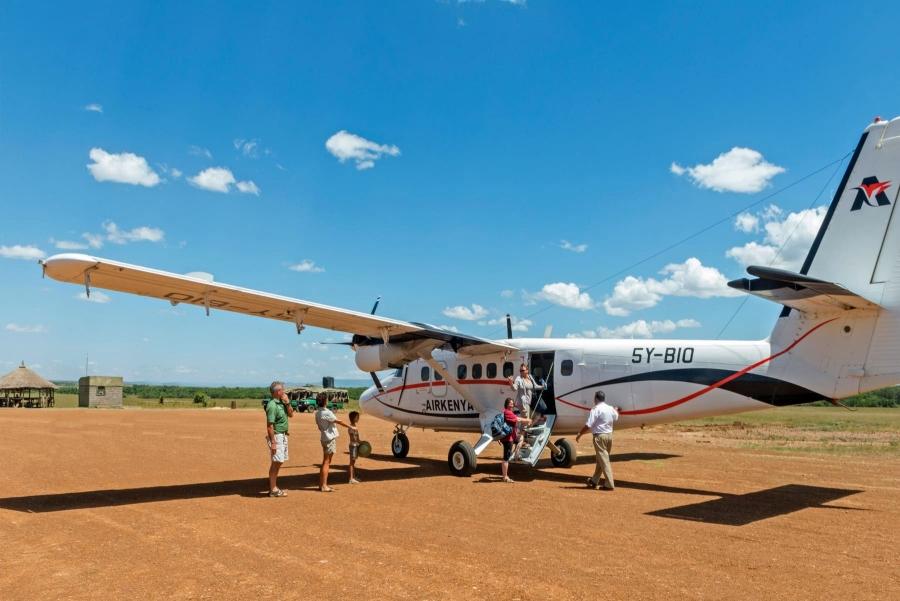
Best Air Safaris
Climate & Weather In Katavi National Park
Katavi National Park average temperature is 22-26 degrees Celsius, 24-30 degrees Celsius during the day and 16-18 degrees Celsius during the night. The dry season is June to October and November to May is the wet season. The best time to visit the park is therefore from May to October.
Birds & Birding In Katavi National Park
Katavi National Park is mainly visited in the Dry season, which isn’t the best time for birding, though large numbers of herons, lapwings and other waterbirds frequent the rivers at any time of year. Yellow-billed stork and saddle-billed stork are plentiful, and spectacular concentrations of black-crowned night heron can be seen at Ikuu Bridge between June and September. Raptors are well represented, with African fish eagle, bateleur and white-backed vulture being very common. More than 400 species have been recorded, and migratory birds are present from November to April.
Best Time For Bird Watching In Katavi National Park
The birdlife in Katavi is good year-round, but at its best from November to April when Palearctic and intra-African migrants are present. This coincides with the Wet season. At this time, many resident bird species are nesting and are in breeding plumage. The problem, however, is that many roads become hard to travel after continuous rain. As a result, most camps close for part or all of the period from November to May. For wildlife viewing, July to October, which is the middle and end of the Dry season, is considerably better.
Katavi Park Scenery & Landscape
The habitat is mainly grassland savannah and miombo woodland in the east of the park. After the rains, the dusty floodplains typical of the Dry season are transformed into lush marshes and shallow lakes.
Katavi National Park Safety Tips
A trip to Katavi National Park is very safe in our opinion. Crime within Tanzania’s parks and reserves is rare, and your guide will help to keep you safe. During your Katavi National Park holiday, your safari guide will look after your safety. Always listen carefully to their instructions and follow the park rules. Katavi National Park wildlife viewing is generally very safe. Our professional guide will ensure your safety on a guided safari. Below are some general safety tips for Katavi holiday safaris:
Always keep your voice down when close to animals
Stay in the car during game drives except at designated areas where you are allowed to get out
Don’t stand up in the car, hang out of the window or sit on the roof
Stay together as a group close to your guide on a walking safari and always walk in single file
Never run or jog in a wildlife area as it entices predators to attack
Never walk between a hippo and water; it may panic and charge because its safety route to the water is blocked
Never leave food in your tent; it will attract wildlife
Cover your arms and legs in the evening and use insect repellent to protect against mosquitoes
Wear a hat, use sunscreen and drink plenty of water
Don’t wear bright and colorful clothes or too much perfume, especially on walking safaris
In tsetse-fly areas it is recommended not to wear dark-colored clothing, such as black or dark blue, since it attracts these stinging flies
Bring warm clothes for morning game drives in open vehicles
Katavi National Park Safari Itinerary ideas
Katavi combines well with other southern areas such as Nyerere National Park, Ruaha, Mahale Mountains National Park, and Gombe National Park.
Questions About Best Katavi National Park Safaris
Q. How Many Days Should I Spend In Katavi National Park?
A minimum of three nights is generally recommended to make the most of Katavi’s remote setting and limited flight schedules, though longer stays allow more time for the unpredictability of dry-season wildlife sightings. Given the cost and effort of reaching Katavi, many travellers combine it with a visit to nearby Mahale Mountains National Park.
Q. What Is Katavi Famous For?
Katavi is renowned for exceptionally large hippo pods and buffalo herds, alongside strong populations of elephant, lion, painted wolves, cheetah, leopard and spotted hyena. During the dry season, hundreds of hippos crowd into shrinking waterholes while crocodiles retreat into riverbank caves, creating some of the most dramatic dry-season wildlife concentrations found anywhere in Africa.
Q. How Much Does A Katavi Safari Cost?
Katavi safaris typically cost from US$1000 per person, per night, depending on the accommodation comfort level, time of year and activities. This price usually includes accommodation, all meals, game drives, experienced guides, airport transfers, and 24/7 support from our team. To book your Katavi safari tours & holidays, get in touch today.
Katavi National Park Safari Planning
Q. What type of clothes do I wear on Katavi National Park safari?
Pack lightweight, comfortable, and casual clothing for Katavi National Park safari, including long sleeves, pants, comfortable closed-toe shoes, a wide-brimmed hat, and layers for cooler mornings and evenings on game drives. For more details, we suggest you do your own safari packing essentials and find out what fits your interests.
Browse our safari clothing packing advice on what to pack for your African tour:
- Lightweight trousers /shorts and t-shirts remain ideal for the daytime drives.
- Lightweight jacket / fleece for the early mornings and evenings.
- Remember to also pack some warm socks and a woolly hat would be suggested for early morning and evening game drives.
- Hiking shoes
Other items we would suggest you bring along with you include:
- Sunscreen glasses & hat/cap
- Comfy Shoes / Sandals
- Flip Flops to wear during the day
- A Torch / Lamp
- Binoculars
- Phone/laptop charger
- Pack your medication, and a spare set of spectacles or contact lenses if you wear these.
Q. What is the best time to see the Masai Mara wildebeest migration in Kenya?
The best time to witness the dramatic Masai Mara wildebeest migration in Kenya is typically between mid-July through mid-September where your chances of witnessing a river crossing are generally much higher. In early October marks the end of the herd crossing the river from Kenya down into Tanzania, as thunderstorms begin in the north the herds will embark on their return journey back to the Serengeti.
Checkout our Migration safari offers.
Q. Kenya Vs Tanzania: Which Is Better for an African Safari?
Choosing between Kenya and Tanzania for an African safari depends on personal preferences, BUT Kenya is the most chosen being cost & budget friendly during both high and low seasons. Secondly, when it comes to the best places to stay in Kenya and Tanzania, both destinations offer fantastic accommodations. Thirdly in terms of Big 5 sightings, the wildebeest migration & general game viewing, both destinations are safari heavyweights. In terms of privacy and extending your safari beyond game drives, there are more private conservancies in Kenya than Tanzania which offer you plenty of activities inside the park.
Lastly, Kenya safari is the most sought-after destination for the world’s best safari experiences, evident from the large number of celebrities visiting year in year out.
Q. Will I have a private vehicle or shared game drives with other people?
We tend to enforce a maximum person per vehicle policy of 6. Meaning, although you’ll be sharing with other guests, everyone will get a side-view seat with unhindered views.
Some trips are designed in such a way that a private vehicle and guide are included for a portion of the trip, but the use of a private vehicle throughout your safari comes at an additional cost.
Q. How many days do you need for an Africa safari?
The ideal duration for an East Africa safari package often ranges from 5 to 14 days, this allows you to enjoy a comfortable and a well-rounded rewarding safari experience during this African tour package. It also depends on the destinations you will visit, wildlife interests, and personal preferences.
Q. What do I do in case of an emergency?
We have a 24 hour emergency line. If anything goes south, we’re ready to assist you regardless of time or date.
Q. Are there malaria mosquito nets in Africa safari tented camps?
Many tented camps in Africa provide fitted mosquito nets in all rooms which are also insect proofed to protect you against malaria mosquito bites and other insect bites, ensuring a comfortable and safe stay.
It’s also advisable to carry insect repellent to further protect yourself especially in the outdoors during evenings.
Q. Is there Wi-Fi at the safari lodges & tented camps on safari?
Almost all Africa safari lodges and tented camp accommodations during your safari provide free Wi-Fi. You’ll find this available in all three accommodation levels – comfort or luxury accommodations.
Wi-Fi is provided in the public areas of the safari lodges/tented camps including the reception, dining areas, and lounge. It is not provided in the individual rooms/tents.
Moreover, because you will be inside a wilderness park, we still request that you come prepared with your own network data to avoid any inconveniences.
Katavi Safari Payment Methods
Q. Do you provide drinking water on safari?
East Africa is within the tropics and near the Equator, separating the northern and southern hemispheres. The tropical temperatures are relatively high on the safari route and even within the national parks/game reserves.
Because you’ll need to frequently hydrate during your safari, we ensure unlimited supplies of drinking water.
All Vulture Africa Safari vehicles are fitted with a cooler box or mini fridge with a constant supply of cool, bottled water.
We replenish our supplies of drinking water during stops along the safari route.
Here’s everything you need to know about packing for your Africa safari trip.
Q. Are mosquito nets provided in safari lodge rooms/tents?
We carefully research and choose our selection of top safari lodges and tented camps to offer the best in terms of comfort, relaxation, amenities, and atmosphere during your safari.
We fully understand the need for your protection against mosquitos and other insects.
All rooms/tents during your safari are fitted with mosquito nets or are insect-proofed to protect you against bites.
Tented camp showing bedroom with mosquito nets
You are also advised to use insect repellent to further protect yourself especially outdoors in the evenings.
Q. Is it possible to store excess luggage while on safari?
Vulture African Safaris understands that your holiday travel may be lengthy and could involve different activities during your trip. You may find the need to store some of your luggage at various times.
You can safely store your extra luggage at our Nairobi office for safekeeping until you have completed your safari.
This is a free service extended to all our safari guests.
Packing luggage for an East African safari holiday tour
Additionally, our 4×4 safari Jeeps accommodate generous luggage space in its rear luggage compartment.
Q. Do you handle requests for special dietary needs?
Kenya and Tanzania welcomes visitors from all over the world and their diverse diet preferences. These preferences may be due to religious beliefs, lifestyles, or health concerns.
The menus in all safari lodges & tented camps are continental cuisine however, vegetarian, kosher, halal, gluten-free, etc. meals are also provided.
We request you indicate your special diet needs during safari booking/confirmation.