
Rubondo Island National Park Safari
Remember, all our itineraries are totally flexible and can be changed to suit you.
Rubondo Island National Park: The Ultimate Safari Guide
Rubondo is a tropical island near the western shores of Lake Victoria and is about as pristine a place as it is possible to find. There has been no human habitation on the island for decades, and it is covered by primary tropical forest, interspersed with small patches of savannah and swamp.
The main island and 9 other smaller ones were grouped into Rubondo National Park in 1977.
Boating along the rocky shore line is one of the key activities to enjoy. Clean sandy beaches overhung with huge forest trees fringe the bays, and there is a large piece of papyrus swamp on one side which is a magnificent water bird habitat.
“Rubondo Island National Park Guide”
Safari Packages To Rubondo Island National Park
Here’s some of our most popular Rubondo Island National Park safari holidays. If you don’t see what you’re looking for, send us a message below so that we may give you more range of holidays and tours in the destination. Book the best safari to Rubondo Island National Park today.
6 Days | Kenya - Tanzania Photographic Safaris
7 Days | Kenya - Tanzania Photo Tour
8 Days | Kenya - Tanzania Photography Safaris
10 Days | Kenya - Tanzania Safaris
10 Days | Kenya - Tanzania Safaris
10 Days | Kenya - Tanzania Safaris
About Rubondo Island National Park
Rubondo is the largest island national park in Africa. Rubondo that lies in the Southern part of Lake Victoria – the world’s second largest lake after the superior welcomes you to see the surprising number of mammals including the famous Sitatunga, nocturnal Civet and Genet as well as a number of other antelope species that are found in the dense forest. On the shores of the island and smaller bodies of water there are serrated hinged terrapins which lay eggs between March and April.
Walking through the dense forest, the park offers you a chance to see a lot of butterflies, orchids that grow on the island and bird species. The park also has variety of habitats inhabited with wildlife including Velvet monkeys, Genet cats, Spotted necked Otters, Hippos, Crocodiles, Chimpanzees, Elephants and Giraffes.
The park has a great variety of tourism products to choose ranging from walking safari, game drive, bird watching, canoeing to sport fishing.
History Of Rubondo Island Park
Rubondo Island became a game reserve in 1965 which its main function was to provide a sanctuary for wild animals. It is latter gazetted as a national park in 1977 and covers an area of 456.8km2.
Tourist Attractions In Rubondo Island National Park
1. Wildlife
Wildlife is everywhere. A rare swamp loving antelope, the sitatunga is found amongst the papyrus stands, and elephant are often seen on the shores along with masses of hippo, crocs, an occasional leopard, vervet monkeys, etc. In the forests themselves there is of course a variety of smaller wildlife, including genets, civets, bush pig etc. and unhurried forest hikes are one of the activities to enjoy.
Chimpanzees were introduced at the end of the 1960’s and following a recent intensive habituation program they are now approachable by visitors. So, this beautiful island paradise is now a place where one can enjoy watching man’s closest living relative, and without the arduous mountain trekking of other chimp habitats.

2. Birdlife
Rubondo is also a place rich with birds. Nearly 400 species have been recorded including the African grey parrot. The diversity of habitats from open woodland to papyrus swamps and evergreen forest attracts numerous resident and migrant species. The Island has an abundance of storks, hornbills, herons, and birds of prey, including the highest density of fish eagles anywhere in the world, with their haunting cry a constant background sound. For bird enthusiasts an afternoon and evening boating in the papyrus swamps is a must.
3. Lake Victoria
The lake provides a great place to go fishing for Nile Perch (catch and release), and some fish can regularly exceed 10 – 15 kgs., and occasionally top 50 kgs. and more. This fishing is done from a small sport-fishing boat in the deeper waters around the island.
4. The Remnants Of Congolese Dense Forest
The representatives of evergreen dense primary lowland forest with a unique habitat mosaic in the midst of high biodiversity value provides a magnificent view of one of the last raining Congolese forest in Western Tanzania.
5. Beautiful Beaches
Beautiful and attractive beaches such as Fly catcher, Mchangani and Michicoco provides a unique look of this fresh water lake.
6. The Deepest Part Of The Lake – Irumo Gulf
Irumo is the deepest part of Lake Victoria. This gulf provides a good and clear sighting of both sunrise and sunset making the sky beautiful.
7. Altare And Solo Cultural Sites
Ntungamirwe or Maji Matakatifu or ALTARE and SOLO are cultural sites found inside the park which explain the life of natives who once stayed in the park.
Rubondo Island National Park Trips
Things To Do In Rubondo Island National Park
Rubondo Island is a great place to relax and read a book. But there are also plenty of activities on offer. The most popular is the Chimpanzee Habituation Experience where you take a guided trek into the forest to find these big apes. You might also go out on a forest drive in search of elephant and giraffe or a boat trip to get close to hippos, massive crocs and otters. While on the water, you can cast a line for a spot of fishing too.
1. Morning & Afternoon Game Drives In Rubondo Island
The park offers an exceptional game viewing experience while inside the dense forest dotted with open woodlands. During the game drive encountering a number of the indigenous species such as hippos, bushbuck, velvet monkey, sitatunga, crocodiles, elephants, chimpanzee, giraffe, black and white colobus monkeys, suni antelope, grey parrot, buffaloes, bush pig, hyrax, warthog, and large spotted genet cat makes your visit memorable.
2. Sport Fishing In Rubondo Island
This activity provide an opportunity to reel in a nile perch, one of Africa’s biggest and most sought- after water fish. The spot fishing practice is catch and release policy. Rubondo Island is equipped with a variety of fishing techniques including trolling, spinning live, dead bait and fly fishing. Anglers from around the world travel to this island for the opportunity to reel in a Nile perch, one of Africa’s biggest and most sought-after water fish. The spot fishing practice is catch and release policy. Don’t ever miss out this chance by planning your trip to Rubondo.
3. Bird Watching In Rubondo Island
The island has an abundance of herons, storks, ibises, egrets, cormorants, kingfishers and birds of prey. You will be amazed by the high density of fish eagles that not found anywhere else. Please plan trip to come and visit this precious Park.
4. Boating and Canoeing Safari In Rubondo Park
Guided canoe trips offer a different perspective of the island and across the quiet inlets as well as covers places that can’t be reached on foot. Paddle yourself or be paddled by a guide as you trace the coast-spotted wildlife both aquatic and terrestrial. However, explore the different channels of the second largest lake in Africa.
5. Chimpanzee Trekking In Rubondo Island
Chimp trekking in the dense forests is a magical experience where you can walk and experience nature with all your senses. Sharing of more than 98% of our genes, Chimpanzees are as individually unique as humans.
6. Filming In Rubondo Island
For commercial purposes
7. Camping In Rubondo Island
Provides you with an opportunity to spend your night listening to beautiful bird songs coupled with sounds from nocturnal.
8. Nature Walks In Rubondo Island
Go hiking for an hour, several hours or even for a day or two overnighting in a light weight fly camp on one of the small sandy beaches.
When To Visit Rubondo Island National Park
The best time to visit Rubondo Island is from June to September, when it is mostly sunny and dry. This is a great time to explore the island and track chimps. During the Wet season as from November to May, chimp trekking might be more challenging because the forest paths become muddy and slippery. Positives of the Wet season are the abundance of birds, flowers and butterflies. Note that the only private lodge in the park is closed from April to May though national park accommodations remain open.
Visit Rubondo Island National Park
Animals & Wildlife In Rubondo Island Park
The main attraction in Rubondo Island National Park is its population of semi-habituated chimpanzees. The island also supports breeding populations of giraffe and elephant. Our safari guide will take you out by car or boat to find these animals, but you won’t even need to make a special excursion to see bushbuck, which are abundant all over the island, as well as the marsh-loving sitatunga. A boat trip on Lake Victoria is a highlight of any stay on Rubondo Island. You’re certain to see lots of hippos and monster crocodiles. Also keep an eye out for spotted-necked otters. These playful creatures are common around here. Going slowly along the forested shores you might be lucky to see elephant drinking or primates, such as chimps or Kilimanjaro colobus monkeys which were introduced from Arusha National Park, feeding in the canopy.
Rubondo Island Wildlife Safaris
Best Time For Wildlife Viewing In Rubondo Island Park
June to September is the ideal time for chimp trekking. It rarely rains over this period and forest paths are dry and easy to navigate. However, Rubondo Island can be visited at any time. Rain will rarely interfere with safari activities apart from in April, the peak of the Wet season. Note that some private safari lodges in Rubondo park close from April to May.
A Safari To Rubondo Island National Park
Best Reasons To Visit Rubondo Island Park
Chimpanzee Tracking: Follow expert guides through dense rainforest for an intimate encounter with chimpanzees found nowhere else on Lake Victoria.
Private Exclusivity: Explore Africa’s largest island national park almost alone, sharing this wilderness with only a few rangers and researchers.
Lake Cruises: Glide along undisturbed shoreline spotting hippo, elephant, crocodile, otter and vivid kingfishers from the calm water’s edge.
Untouched Rainforest: Walk beneath dense canopy covering 80% of the island, where chimpanzee, elephant and giraffe share one compact wilderness.
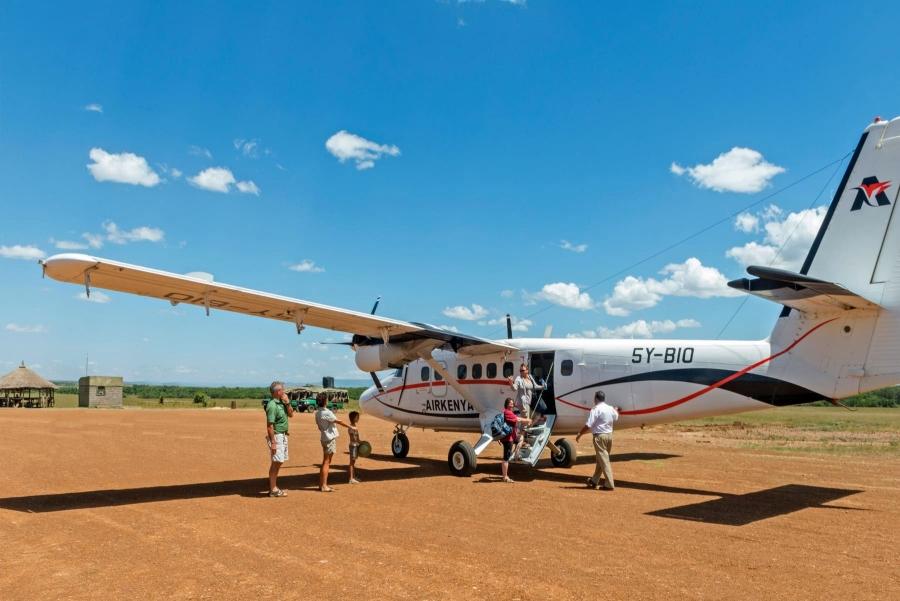
Bush & Beach combination because of convenient logistics for getting to and from your Serengeti safari via direct flights between the respective airstrips.
Rubondo Island National Park Holiday
Best Months To Visit Rubondo Island Park
Rubondo Island National Park can be visited throughout the year. However, the best time is from June to September, when it is mostly sunny and dry. During the Wet season (November to May) forest paths can become slippery, which makes chimp trekking more challenging. January to February is a dry spell in the Wet season, and this is a great time for birding and spotting butterflies. National Park accommodation is available throughout the year, but the only private lodge is closed from April to May.
Visiting Rubondo In January To March: If some afternoon showers don’t concern you, January and February are ideal for birdwatching safaris and observing butterflies and flowers like lilies and orchids. The clear mornings are perfect for spending time on the water either birdwatching or enjoying some catch-and-release fishing. However, the long rains start from mid to late March, and Rubondo Island Camp shuts down at the beginning of April.
Rubondo Safari In June To September: The best time to observe wildlife and track chimpanzees in Rubondo is during the dry season. The trails through the dense undergrowth are dry, providing ideal walking conditions. Many trees are producing ripe fruit, which results in the chimps spending longer in a single location and quality viewing experiences. Additionally, warm daytime temperatures create perfect opportunities for enjoying tranquil boating safari adventures on the water in the afternoons.
Planning A Visit To Rubondo From October To December: This season is ideal for avid birdwatchers. Migratory birds from Europe and Asia arrive on Rubondo in November, and the rains nurture many blooming flowers, including gorgeous lilies and exotic wild orchids.
Kenya & Tanzania Safari Packages
Then customise yours with an expert.
Our listed Kenya and Tanzania safari packages are chosen to inspire and enlighten you – they show how top attraction destinations can work together in an itinerary. From the best 10-Day Kenya and Tanzania safari itinerary, when it comes to planning African vacations, we’re the tailor-made travel specialists. An African Safari Expert will customize your vacation, shaping it around your individual wants and preferences.
9 Days | 8 Nights
Best Air Safaris
Climate & Weather In Rubondo Island Park
There is a bimodal rainfall with short rains from October to December and long rains from March to May. The average temperature is 22°C all year around (25-32°C daytime, 15-20°C night time).
Birds & Birding In Rubondo Island Park
With almost 400 species listed, Rubondo Island National Park is a promising birding destination. For many, the abundance of waterbirds is most alluring. Several bird islands host huge colonies of egrets, ibises and cormorants and you’ll hear the distinctive calls of the African fish eagle throughout the day. Also listen out for screeching grey parrots. In 2000, about 40 of these iconic birds were confiscated from the illegal pet trade and released on Rubondo Island. Seeing flocks of these highly sociable creatures flying freely is one of the many highlights Rubondo has to offer.
Best Time For Bird Watching In Rubondo Island Park
The birdlife on Rubondo Island is good year-round but at its best from November to April when the Palearctic and intra-African migrants are present. At this time, many resident birds are nesting and are in breeding plumage. However, the conditions for birding can be less favorable in April, the peak of the Wet season, as rainfall might interfere with activities. Chimp trekking is better from June to September – the dry season runs from June to October.
Rubondo Island Park Scenery & Landscape
Surrounded by the vast waters of Lake Victoria, the largest island national park in Africa protects Rubondo Island, for which it is named, as well as another 11 small islets. Rubondo Island itself measures 28km/17mi long and 3km/2mi to 10km/6mi wide. This tropical paradise away from any crowds is mostly covered in dense forest with an understory of lianas (woody vines). Secret sandy beaches make suitable drinking places for elephants and other thirsty wildlife.
Rubondo Island Park Safety Tips
A trip to Rubondo Island National Park is very safe in our opinion. Crime within Tanzania’s parks and reserves is rare, and your guide will help to keep you safe. During your Rubondo Island holiday, your safari guide will look after your safety. Always listen carefully to their instructions and follow the park rules. Rubondo Island wildlife viewing is generally very safe. Our professional guide will ensure your safety on a guided safari. Below are some general safety tips for Rubondo Island holiday safaris:
Always keep your voice down when close to animals
Stay in the car during game drives except at designated areas where you are allowed to get out
Don’t stand up in the car, hang out of the window or sit on the roof
Stay together as a group close to your guide on a walking safari and always walk in single file
Never run or jog in a wildlife area as it entices predators to attack
Never walk between a hippo and water; it may panic and charge because its safety route to the water is blocked
Never leave food in your tent; it will attract wildlife
Cover your arms and legs in the evening and use insect repellent to protect against mosquitoes
Wear a hat, use sunscreen and drink plenty of water
Don’t wear bright and colorful clothes or too much perfume, especially on walking safaris
In tsetse-fly areas it is recommended not to wear dark-colored clothing, such as black or dark blue, since it attracts these stinging flies
Bring warm clothes for morning game drives in open vehicles
Rubondo Island Safari Ideas
Rubondo can feature in a boat Lake tour which starts at either Musoma city or Burigi Chato National Park and includes Saanane Island and possibly other Lake islands. Such a tour could also include the Serengeti.
Questions About Best Rubondo Island National Park Safaris
Q. What Wildlife Can I See On Rubondo Island?
In Rubondo Island Park you will see the following wildlife;
Chimpanzees: Two troops totalling more than 60 individuals live within the forest, the descendants of animals released onto the island decades ago.
Forest Elephants: Push through dense undergrowth on tusks evolved smaller than mainland relatives, less likely to snag on vegetation.
Giraffes: Herds graze the open plains in the island’s south, stepping from savannah habitat into sunlight beyond the tree line.
Sitatunga: This shy, swamp-dwelling antelope favours the water’s edge and shallows, distinct from the more familiar bushbuck.
Hippos And Crocodiles: Hippos graze camp lawns after dark, while neighbouring islets host resting crocodile populations sunning on rocks.
Vervet And Colobus Monkeys: Vervet monkeys and black-and-white colobus chatter and chase through the upper canopy throughout the day.
Q. Can I Go Chimpanzee Trekking On Rubondo Island?
Yes. Guided chimpanzee tracking through dense forest undergrowth is one of Rubondo’s signature activities, along with a chimpanzee habituation experience that lets guests join researchers observing and habituating the island’s troops.
Q. What Safari Activities Are Available At Rubondo Island Camp?
Guests can join chimpanzee tracking, open-vehicle game drives, guided forest walks, boating safaris on Lake Victoria and catch-and-release fishing for tilapia and Nile perch, all accessed exclusively through Rubondo Island Camp.
Q. How Much Does A Rubondo Island Safari Cost?
Our safari to Rubondo Park costs from US$1000 per person, per night, depending on the accommodation comfort level, time of year and activities. This price usually includes accommodation, all meals, game drives, experienced guides, airport transfers, and 24/7 support from our team.
Rubondo Island Safari Planning
Q. What type of clothes do I wear on Rubondo Island National Park safari?
Pack lightweight, comfortable, and casual clothing for Rubondo Island National Park safari, including long sleeves, pants, comfortable closed-toe shoes, a wide-brimmed hat, and layers for cooler mornings and evenings on game drives. For more details, we suggest you do your own safari packing essentials and find out what fits your interests.
Browse our safari clothing packing advice on what to pack for your African tour:
- Lightweight trousers /shorts and t-shirts remain ideal for the daytime drives.
- Lightweight jacket / fleece for the early mornings and evenings.
- Remember to also pack some warm socks and a woolly hat would be suggested for early morning and evening game drives.
- Hiking shoes
Other items we would suggest you bring along with you include:
- Sunscreen glasses & hat/cap
- Comfy Shoes / Sandals
- Flip Flops to wear during the day
- A Torch / Lamp
- Binoculars
- Phone/laptop charger
- Pack your medication, and a spare set of spectacles or contact lenses if you wear these.
Q. What is the best time to see the Masai Mara wildebeest migration in Kenya?
The best time to witness the dramatic Masai Mara wildebeest migration in Kenya is typically between mid-July through mid-September where your chances of witnessing a river crossing are generally much higher. In early October marks the end of the herd crossing the river from Kenya down into Tanzania, as thunderstorms begin in the north the herds will embark on their return journey back to the Serengeti.
Checkout our Migration safari offers.
Q. Kenya Vs Tanzania: Which Is Better for an African Safari?
Choosing between Kenya and Tanzania for an African safari depends on personal preferences, BUT Kenya is the most chosen being cost & budget friendly during both high and low seasons. Secondly, when it comes to the best places to stay in Kenya and Tanzania, both destinations offer fantastic accommodations. Thirdly in terms of Big 5 sightings, the wildebeest migration & general game viewing, both destinations are safari heavyweights. In terms of privacy and extending your safari beyond game drives, there are more private conservancies in Kenya than Tanzania which offer you plenty of activities inside the park.
Lastly, Kenya safari is the most sought-after destination for the world’s best safari experiences, evident from the large number of celebrities visiting year in year out.
Q. Will I have a private vehicle or shared game drives with other people?
We tend to enforce a maximum person per vehicle policy of 6. Meaning, although you’ll be sharing with other guests, everyone will get a side-view seat with unhindered views.
Some trips are designed in such a way that a private vehicle and guide are included for a portion of the trip, but the use of a private vehicle throughout your safari comes at an additional cost.
Q. How many days do you need for an Africa safari?
The ideal duration for an East Africa safari package often ranges from 5 to 14 days, this allows you to enjoy a comfortable and a well-rounded rewarding safari experience during this African tour package. It also depends on the destinations you will visit, wildlife interests, and personal preferences.
Q. What do I do in case of an emergency?
We have a 24 hour emergency line. If anything goes south, we’re ready to assist you regardless of time or date.
Q. Are there malaria mosquito nets in Africa safari tented camps?
Many tented camps in Africa provide fitted mosquito nets in all rooms which are also insect proofed to protect you against malaria mosquito bites and other insect bites, ensuring a comfortable and safe stay.
It’s also advisable to carry insect repellent to further protect yourself especially in the outdoors during evenings.
Q. Is there Wi-Fi at the safari lodges & tented camps on safari?
Almost all Africa safari lodges and tented camp accommodations during your safari provide free Wi-Fi. You’ll find this available in all three accommodation levels – comfort or luxury accommodations.
Wi-Fi is provided in the public areas of the safari lodges/tented camps including the reception, dining areas, and lounge. It is not provided in the individual rooms/tents.
Moreover, because you will be inside a wilderness park, we still request that you come prepared with your own network data to avoid any inconveniences.
Rubondo Island Safari Payment Methods
Q. Do you provide drinking water on safari?
East Africa is within the tropics and near the Equator, separating the northern and southern hemispheres. The tropical temperatures are relatively high on the safari route and even within the national parks/game reserves.
Because you’ll need to frequently hydrate during your safari, we ensure unlimited supplies of drinking water.
All Vulture Africa Safari vehicles are fitted with a cooler box or mini fridge with a constant supply of cool, bottled water.
We replenish our supplies of drinking water during stops along the safari route.
Here’s everything you need to know about packing for your Africa safari trip.
Q. Are mosquito nets provided in safari lodge rooms/tents?
We carefully research and choose our selection of top safari lodges and tented camps to offer the best in terms of comfort, relaxation, amenities, and atmosphere during your safari.
We fully understand the need for your protection against mosquitos and other insects.
All rooms/tents during your safari are fitted with mosquito nets or are insect-proofed to protect you against bites.
Tented camp showing bedroom with mosquito nets
You are also advised to use insect repellent to further protect yourself especially outdoors in the evenings.
Q. Is it possible to store excess luggage while on safari?
Vulture African Safaris understands that your holiday travel may be lengthy and could involve different activities during your trip. You may find the need to store some of your luggage at various times.
You can safely store your extra luggage at our Nairobi office for safekeeping until you have completed your safari.
This is a free service extended to all our safari guests.
Packing luggage for an East African safari holiday tour
Additionally, our 4×4 safari Jeeps accommodate generous luggage space in its rear luggage compartment.
Q. Do you handle requests for special dietary needs?
Kenya and Tanzania welcomes visitors from all over the world and their diverse diet preferences. These preferences may be due to religious beliefs, lifestyles, or health concerns.
The menus in all safari lodges & tented camps are continental cuisine however, vegetarian, kosher, halal, gluten-free, etc. meals are also provided.
We request you indicate your special diet needs during safari booking/confirmation.